WFH Revolution
Are you one of those people who just can’t help but share the latest health and wellness tips with friends and family?
Do you get a rush from helping someone achieve their health goals?
If so, you may be a perfect fit for a career as a health coach.
In recent years, the demand for health coaches has skyrocketed.
With people looking to take control of their health and wellness more than ever, there’s never been a better time to turn your passion into a fulfilling and lucrative career.
But with so many options out there, where do you even begin?
One of the fastest-growing segments of the industry is remote and hybrid health coaching. Here’s what you need to know:
The Importance of Health Coaching

When it comes to achieving health and wellness goals, many people struggle with finding the right path forward.
That’s where health coaching comes in. Health coaches provide guidance, support, and accountability to help clients make positive changes in their lives.
But why is health coaching so important, and how can coaches make a positive impact on their clients’ lives?
Let’s take a closer look.
Why is health coaching important?
There are many reasons why health coaching is important.
For one, it helps clients set and achieve realistic goals.
Many people struggle with making sustainable changes to their lifestyles, and health coaches can provide the tools and resources needed to make those changes stick.
Additionally, health coaching can help clients improve their overall health and well-being, which can lead to a better quality of life.
Another reason why health coaching is important is that it provides a personalized approach to health and wellness.
Everyone’s journey is unique, and health coaches can help clients tailor their approach to meet their individual needs.
This can lead to more successful outcomes and greater satisfaction with the coaching process.
How can health coaches make a positive impact on their clients’ lives?
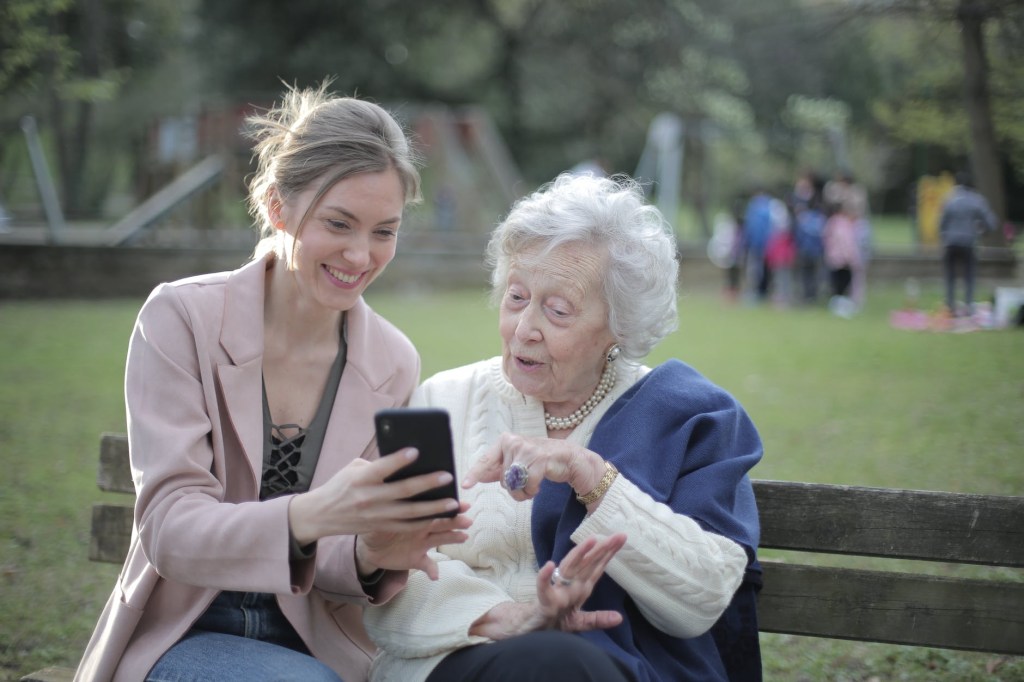
Health coaches can make a positive impact on their clients’ lives in many ways.
For one, they can provide education and information about health and wellness that clients may not have access to otherwise.
This can help clients make more informed decisions about their health and well-being.
Additionally, health coaches can provide accountability and motivation.
Making lifestyle changes can be difficult, and having someone to check in with and provide encouragement can make all the difference.
Health coaches can also help clients navigate challenges and setbacks, providing the support and guidance needed to stay on track.
Statistics and research on the effectiveness of health coaching
Research has shown that health coaching can be highly effective.
A study published in the American Journal of Health Promotion found that coaching led to significant improvements in health behaviors, including physical activity, healthy eating, and stress management.
Another study published in the Journal of Occupational Health Psychology found that coaching was associated with reduced stress levels and improved overall well-being.
According to the International Coach Federation, individuals who work with a coach report a range of benefits, including increased self-awareness, improved relationships, and greater confidence.
Additionally, coaching has been shown to be an effective tool for managing chronic conditions, such as diabetes and heart disease.
Overall, the research suggests that health coaching can be a valuable tool for improving health and well-being.
By providing personalized guidance and support, health coaches can help clients make sustainable changes to their lifestyles and achieve their goals.
What is Remote and Hybrid Health Coaching?

The world of health coaching has undergone a major transformation in recent years, with the rise of remote and hybrid coaching options.
But what exactly is remote and hybrid health coaching, and how does it differ from traditional in-person coaching?
Let’s take a closer look.
What is remote and hybrid health coaching?
Remote health coaching refers to coaching that is done entirely online, via phone, email, or video conferencing.
Clients and coaches can connect from anywhere in the world, making it a convenient option for those who live far away from their coach or have busy schedules.
Hybrid health coaching, on the other hand, combines elements of both in-person and remote coaching.
Clients may meet with their coach in person occasionally, but much of the coaching is done online.
How does it differ from traditional in-person coaching?
One of the biggest differences between remote and hybrid coaching and traditional in-person coaching is the level of convenience.
With remote and hybrid coaching, clients and coaches can connect from anywhere, making it easier to fit coaching sessions into busy schedules.
It also eliminates the need for clients to travel to a specific location for coaching sessions.
Another difference is the level of privacy.
Remote and hybrid coaching allows clients to work with coaches from the comfort of their own homes, without worrying about running into someone they know in a public setting.
Remote and hybrid coaching also allows for more flexibility in terms of scheduling.
Clients can often schedule coaching sessions outside of traditional business hours, which can be especially helpful for those with non-traditional work schedules.
Benefits of remote and hybrid coaching

There are many benefits to remote and hybrid coaching.
For one, it can be more cost-effective than traditional in-person coaching, as clients don’t have to pay for transportation or the coach’s physical workspace.
Additionally, remote and hybrid coaching can be more convenient and flexible for both clients and coaches.
It eliminates the need for travel time and can be more accommodating to busy schedules.
Remote and hybrid coaching also allows for greater privacy and comfort.
Clients can work with their coach from the comfort of their own home, which can lead to a more relaxed and productive coaching session.
Overall, remote and hybrid coaching can be a valuable option for those looking to improve their health and well-being.
It provides the convenience and flexibility needed to fit coaching sessions into busy schedules, while still providing the personalized guidance and support needed to make meaningful changes to one’s lifestyle.
Steps to Becoming a Remote or Hybrid Health Coach

Are you passionate about helping others achieve their health goals?
Do you have a knack for motivating and guiding others towards a healthier lifestyle?
If so, you might consider becoming a remote or hybrid health coach. Here are the steps you need to take to get started.
Education and certification requirements
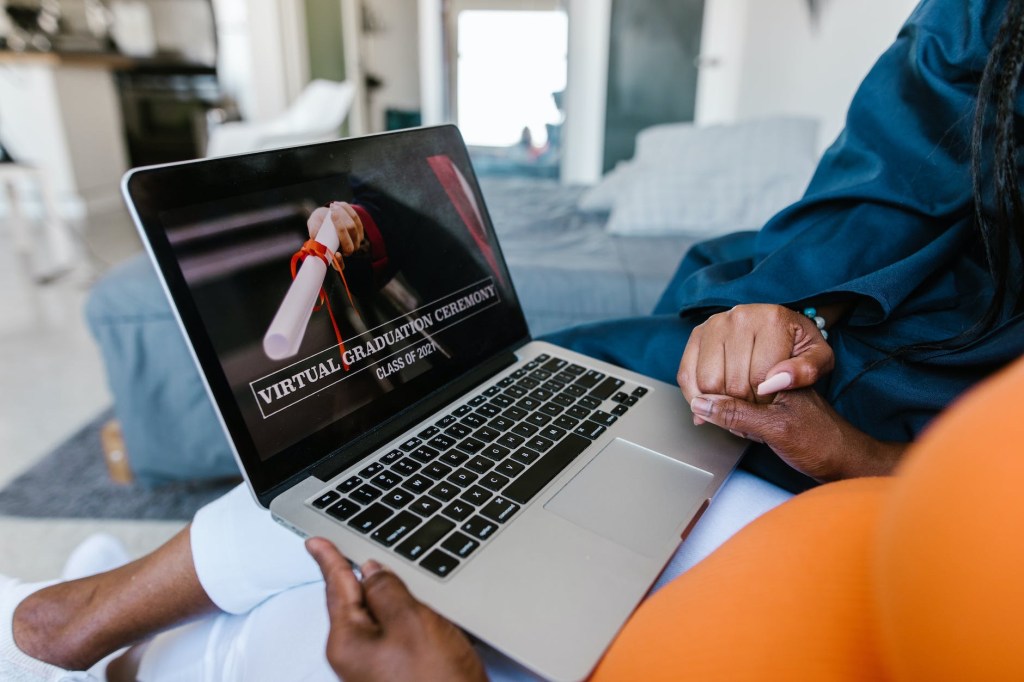
First and foremost, you’ll need to obtain the necessary education and certification to become a health coach.
There are many online programs and certifications available, ranging from a few weeks to a few months in duration.
Look for programs that are accredited by a recognized organization, such as the National Board for Health and Wellness Coaching.
Some programs may require prerequisite courses in subjects like nutrition or psychology, while others may include these courses as part of the program.
Make sure to do your research and find a program that fits your needs and goals.
How to establish your business as a remote or hybrid health coach

Once you’ve obtained your certification, it’s time to establish your business as a remote or hybrid health coach.
You’ll need to determine your niche, target audience, and pricing model.
Think about the specific areas of health and wellness you want to focus on, whether it’s weight loss, stress management, or something else entirely.
Next, determine your pricing model.
Will you charge hourly, by package, or by subscription?
Make sure to research industry standards to ensure that your prices are competitive.
You’ll also need to establish your online presence.
This includes creating a website, social media profiles, and a professional email address. Make sure your branding is consistent across all platforms and that your messaging is clear and concise.
Tips for building a client base
Building a client base as a remote or hybrid health coach can be challenging, but there are several things you can do to increase your visibility and attract clients.
One effective strategy is to network with other health professionals, such as nutritionists, personal trainers, and physical therapists.
They may be able to refer clients to you or even partner with you on joint offerings.
Another strategy is to offer free resources, such as blog posts, e-books, or webinars, that provide value to your target audience.
This can help establish you as an expert in your field and build trust with potential clients.
Finally, don’t be afraid to ask for referrals.
Happy clients are often more than willing to refer their friends and family to you, but they may not think to do so unless you ask.
Becoming a remote or hybrid health coach can be a rewarding and fulfilling career.
By obtaining the necessary education and certification, establishing your business, and building a client base, you can help others achieve their health goals while building a successful business of your own.
Success Stories of Remote and Hybrid Health Coaches

Are you curious about the real-life impact of remote and hybrid health coaching?
Here are a few success stories from coaches who have helped their clients achieve their health goals.
Emily, a remote health coach specializing in stress management, worked with a client who was experiencing severe burnout from her high-stress New York office job.
Through weekly video calls and personalized action plans, Emily helped her client identify triggers and develop coping mechanisms to manage her stress.
After several months of coaching, her client reported feeling more energized, focused, and productive at work.
Max, a hybrid health coach with both online and in-person clients, worked with a client who was struggling with weight management.
Through a combination of personalized nutrition plans and regular virtual check-ins, Max was able to help his client lose over 50 pounds and improve his overall health.
Lena, a remote health coach specializing in women’s health, worked with a client who was experiencing chronic pain and fatigue.
Through a comprehensive approach that included nutrition, exercise, and stress management techniques, Lena helped her client regain her energy and reduce her pain levels, allowing her to enjoy life once again.
So how were these coaches able to make such a difference in their clients’ lives?
According to them, it all comes down to a few key factors.
First and foremost, successful coaches prioritize building a strong rapport with their clients.
By establishing trust and open communication, coaches are better able to understand their clients’ unique needs and goals.
Secondly, successful coaches take a holistic approach to health, looking beyond just diet and exercise to factors like stress, sleep, and mental health.
By addressing all aspects of their clients’ health, coaches are better able to create personalized plans that lead to long-term success.
Finally, successful coaches are adaptable and flexible, able to adjust their coaching style to meet the unique needs of each client.
Whether it’s using technology to connect with remote clients or meeting in-person for hybrid coaching sessions, successful coaches are always willing to go the extra mile to help their clients achieve their health goals.
If you’re considering a career in remote or hybrid health coaching, take inspiration from these success stories and remember that with hard work, dedication, and a passion for helping others, you too can make a positive impact in the lives of your clients.

As we’ve explored in this article, becoming a remote or hybrid health coach can be an incredibly fulfilling and lucrative career choice.
By helping clients achieve their health goals, you’ll be making a positive impact on their lives and contributing to the growing importance of health and wellness.
Remote and hybrid coaching offer unique opportunities for flexibility and connection with clients.
By leveraging technology and personalized approaches, you’ll be able to help clients all over the world achieve their health goals, while still maintaining a healthy work-life balance.
Of course, starting any new career can be daunting, but with the right education, certification, and business plan, you can create a successful coaching practice that changes lives.
Whether you’re just starting out or looking to take your coaching business to the next level, there are many resources available to support you on your journey.

So, are you ready to become a remote or hybrid health coach?
If you have a passion for health and wellness, a desire to help others, and a willingness to put in the hard work, this could be the career for you.
Take the first step today and start making a positive impact in the lives of others.
We hope this article has inspired you to consider a career as a remote or hybrid health coach.
If you have any questions, feedback, or success stories to share, please leave a comment below.
We’d love to hear from you!
Also, don’t forget to subscribe to our newsletter to receive the latest updates on health and wellness, as well as tips and resources for starting and growing your coaching practice.
By subscribing, you’ll be joining a community of like-minded individuals who are committed to making a difference in the world through health and wellness.
Thank you for reading and we look forward to hearing from you soon!
Join a Community
Looking for a sense of community as you navigate the world of work-from-home jobs? Join the millions of people who have already made the switch to remote work. Through the rise of technology and the COVID-19 pandemic, working from home has become the new normal. By joining this community, you’ll gain access to a network of like-minded individuals who can provide support, advice, and inspiration as you pursue your career goals. Don’t wait – join the community of a million people working from home.
 The Remote Renaissance
Leave a comment