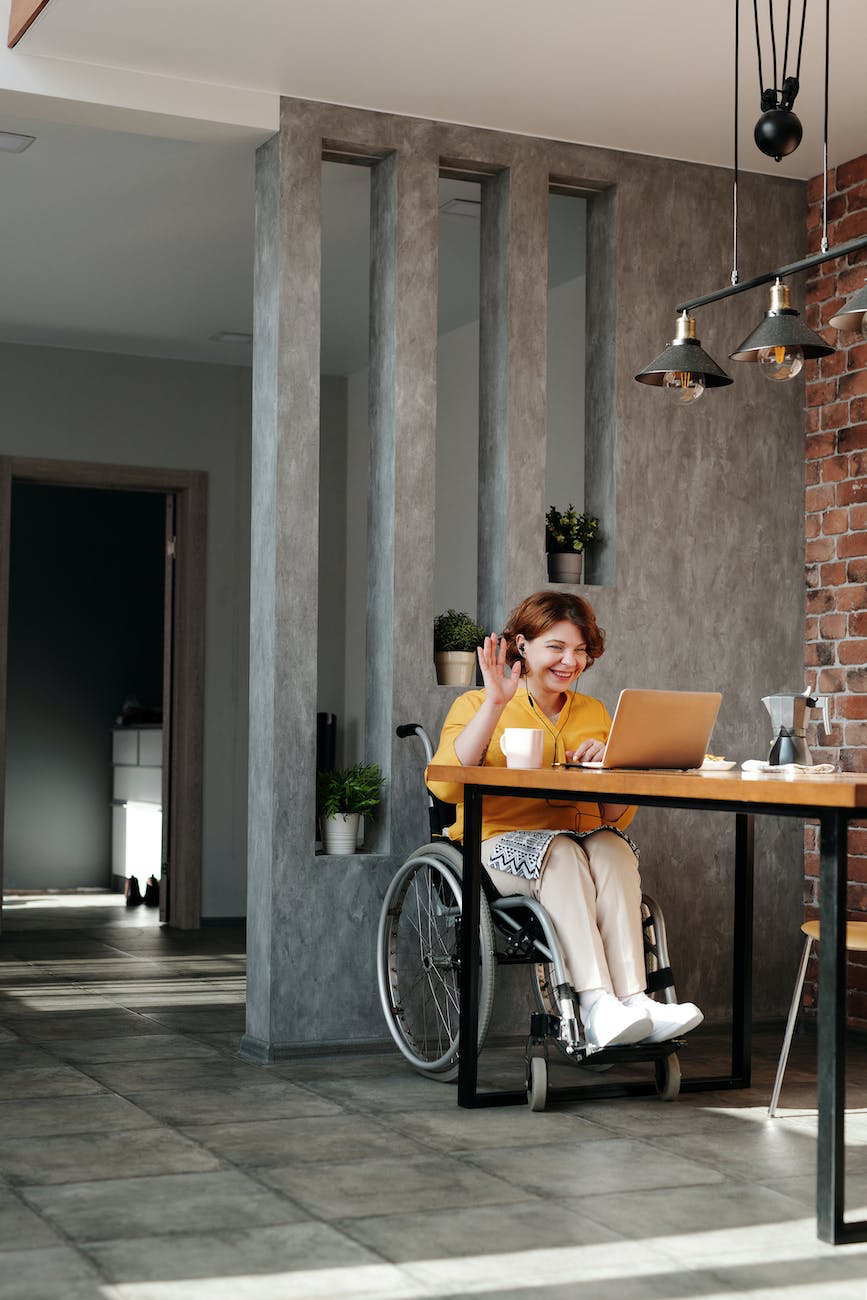
WFH Revolution
In recent years, the way we work has undergone a dramatic transformation.
The rise of remote work has given us the freedom to work from anywhere, at any time.
This shift has been accelerated by the COVID-19 pandemic, which forced many businesses to adapt to a fully remote workforce almost overnight.
While remote work has many advantages, such as increased flexibility and improved work-life balance, it can also present unique challenges for individuals with disabilities.
In traditional workplaces, employers are required to provide reasonable accommodations to ensure that individuals with disabilities have equal access to employment opportunities.
However, in the remote work landscape, the lack of in-person support and the need for specialized technology can make it difficult for individuals with disabilities to fully participate in the workforce.

This can have a significant impact on the lives of people with disabilities, who often face barriers to accessing employment and earning a living wage.
According to the U.S. Bureau of Labor Statistics, the unemployment rate for people with disabilities is more than double that of the general population.
This disparity is due in part to the challenges of accessing traditional workplaces, but it also highlights the need for greater accessibility and inclusion in the remote work landscape.
In this article, we’ll explore the benefits of remote work for individuals with disabilities, as well as the challenges that it presents.
We’ll also provide practical tips and strategies for creating an inclusive and accessible remote workplace, so that everyone can participate fully in the remote work revolution.
The Benefits of Remote Work for People with Disabilities
As we continue to navigate the ever-evolving landscape of work, it’s clear that remote work is here to stay.
While it may have started as a temporary solution to the pandemic, it has quickly become a preferred way of working for many.
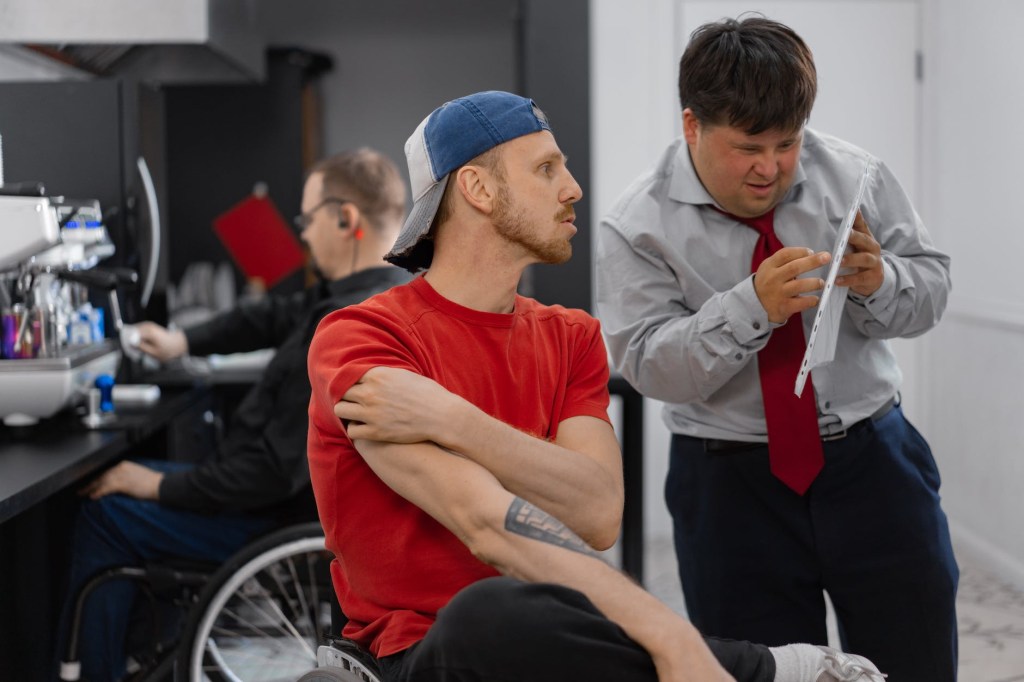
And for individuals with disabilities, remote work can offer a world of benefits.
One of the primary benefits of remote work for people with disabilities is flexibility.
For those who may need to take frequent breaks or have unique scheduling needs, remote work allows for a more customized workday.
This can help individuals with disabilities to manage their energy levels and prioritize their health and well-being.
Another key benefit of remote work for people with disabilities is accessibility.
Traditional workplaces may present a host of physical and sensory barriers, such as stairs or loud, distracting environments.
Remote work removes many of these barriers, making it easier for individuals with disabilities to access employment opportunities.
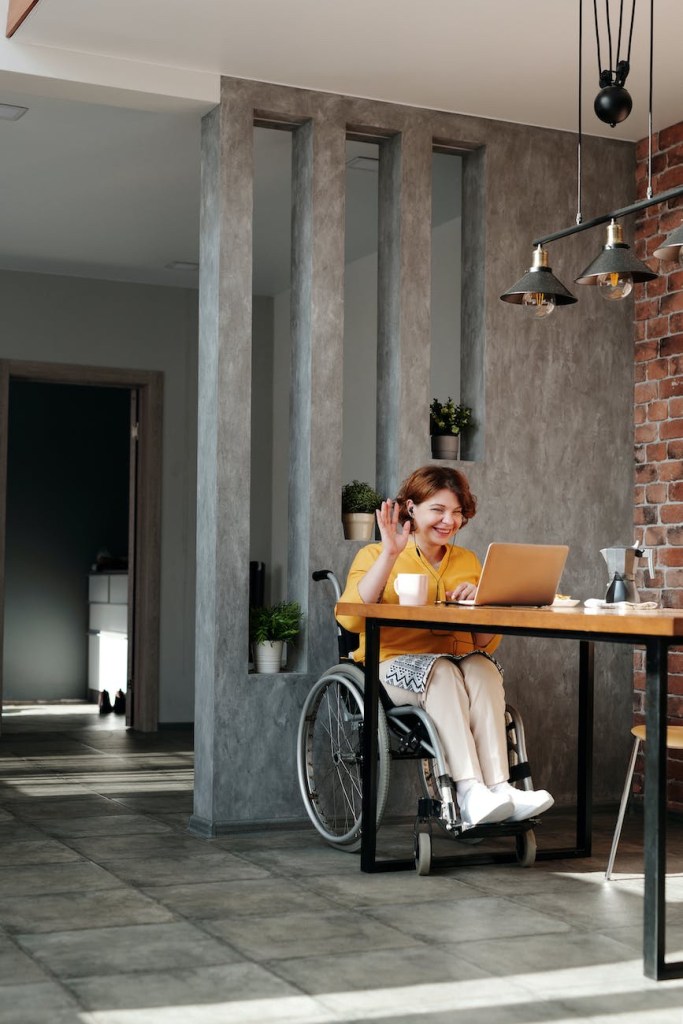
But don’t just take our word for it – there are plenty of successful remote workers with disabilities out there to prove it.
Take Haben Girma, for example. Haben is a disability rights lawyer and advocate who is deafblind. She has built a successful career as a public speaker and consultant, all while working remotely.
Then there’s Robyn Lambird, a writer and disability activist who has cerebral palsy. Robyn has found success as a freelance writer, with much of their work being completed remotely. Robyn has spoken about the benefits of remote work for people with disabilities, noting that it can help to remove the ableism that often exists in traditional workplaces.
And these are just a few examples – there are countless individuals with disabilities who have found success in remote work.
By offering flexibility and accessibility, remote work can help to level the playing field and create new opportunities for individuals with disabilities.
In the next section, we’ll dive into some of the unique challenges that remote work can present for people with disabilities – and how we can address these challenges to create an inclusive and accommodating remote workplace.
The Challenges of Remote Work for People with Disabilities

While remote work can offer a multitude of benefits for individuals with disabilities, it’s important to recognize that it also presents its own unique set of challenges.
From the lack of in-person support to technology barriers, these challenges can create obstacles for individuals with disabilities who are trying to succeed in a remote work environment.
One of the biggest challenges of remote work for people with disabilities is the lack of in-person support. For those who may need physical assistance or accommodations in the workplace, remote work can make it more difficult to get the support they need.
This can include things like assistance with mobility, communication, or technology.
Another challenge is technology barriers. While technology has certainly made remote work possible, it can also present barriers for individuals with disabilities who may struggle with certain types of technology.
For example, individuals with visual impairments may struggle with video conferencing software that is not accessible, while those with hearing impairments may struggle with virtual meetings that do not include closed captioning or sign language interpretation.
But just because these challenges exist doesn’t mean that they are insurmountable.
There are plenty of solutions and accommodations that can make remote work more accessible and accommodating for individuals with disabilities.

One solution is to make sure that remote workers have access to the support they need, whether that’s through personal assistants, specialized technology, or other accommodations.
Employers can also provide training and resources to help remote workers with disabilities navigate technology and other challenges.
Another solution is to prioritize accessibility in all aspects of remote work.
This includes things like ensuring that virtual meetings are accessible with closed captioning or sign language interpretation, and that all software and communication platforms are designed with accessibility in mind.
At the end of the day, creating an inclusive and accessible remote workplace requires effort and commitment.
But by prioritizing accessibility and accommodating the unique needs of individuals with disabilities, we can create a more equitable and supportive work environment for all.
Best Practices for Creating an Inclusive Remote Workplace

Creating an inclusive remote workplace is crucial for ensuring that all employees feel valued, supported, and empowered to do their best work.
Whether you’re an employer or manager, there are plenty of steps you can take to create a culture of inclusion and accessibility within your remote team.
First and foremost, it’s important to prioritize accessibility in all aspects of remote work.
This includes ensuring that all communication platforms, software, and tools are designed with accessibility in mind, and that all meetings and events are accessible with closed captioning, sign language interpretation, or other accommodations as needed.
In addition, employers and managers can help create an inclusive workplace culture by promoting open and honest communication, and actively seeking out feedback from employees with disabilities.
This can help ensure that employees feel heard and valued, and that their unique needs and perspectives are taken into account.
Another important step is to provide training and resources to help all employees understand and navigate issues related to disability and accessibility.
This can include things like training on assistive technology, disability etiquette, and other topics that can help create a more inclusive and accommodating workplace.

It’s also important to be flexible and adaptable when it comes to accommodating the needs of employees with disabilities.
This can include offering flexible work schedules or providing specialized technology or equipment as needed.
By being open to accommodating the unique needs of each individual employee, employers and managers can help create a workplace that is truly inclusive and supportive for all.
Ultimately, creating an inclusive and accessible remote workplace requires ongoing effort and commitment.
But by prioritizing accessibility, promoting open communication, and being flexible and accommodating, employers and managers can help ensure that all employees feel valued and supported, regardless of ability.
With these best practices in place, remote teams can thrive and succeed in a truly inclusive and accessible work environment.

As the remote work revolution continues to gather pace, it’s important to keep in mind the crucial role that accessibility and accommodation play in creating a truly inclusive and supportive workplace.
Remote work offers many benefits for individuals with disabilities, including greater flexibility and accessibility.
But it also presents unique challenges, such as the lack of in-person support and technology barriers.
To ensure that remote work truly works for everyone, it’s important for employers, managers, and employees alike to prioritize accessibility and accommodation in all aspects of remote work.
This includes everything from using accessible communication platforms and tools, to providing flexible schedules and specialized equipment as needed.
But creating an inclusive remote workplace is about more than just implementing specific accommodations and technologies.
It’s also about creating a culture of inclusion, where all employees feel valued, heard, and supported.
This can be achieved through open communication, active listening, and a commitment to ongoing learning and growth.
Ultimately, creating an inclusive and accessible remote workplace requires effort and dedication from everyone involved.
But the benefits are clear: by prioritizing accessibility and accommodation, we can create a workplace where everyone can thrive and succeed, regardless of ability.
So, as you navigate the remote work landscape, remember the importance of accessibility and accommodation.
And don’t be afraid to advocate for these values in your own workplace, whether you’re working remotely or in a traditional office setting.
Together, we can create a more inclusive and equitable workplace for everyone.
Join a Community
Looking for a sense of community as you navigate the world of work-from-home jobs? Join the millions of people who have already made the switch to remote work. Through the rise of technology and the COVID-19 pandemic, working from home has become the new normal. By joining this community, you’ll gain access to a network of like-minded individuals who can provide support, advice, and inspiration as you pursue your career goals. Don’t wait – join the community of a million people working from home.
 The Remote Renaissance
Leave a comment