
Milk – it’s a staple in many of our diets, a comforting addition to our morning coffee, and a cultural icon that has stood the test of time.
But in recent years, the traditional definition of milk has been challenged like never before.
With the rise of plant-based alternatives and regulatory battles around what can be labeled as milk, the very meaning of milk has been thrown into question.
Traditionally, milk has been defined as the lacteal secretion of cows, goats, or other mammals, used as food by humans.
So what exactly is milk?
For generations, dairy milk has been a go-to source of calcium, protein, and other nutrients.
But with the advent of plant-based alternatives like soy, almond, and oat milk, the definition of milk has become far more complicated.
Today, the dairy industry faces stiff competition from the plant-based alternatives.
These non-dairy milks have surged in popularity in recent years, thanks to a combination of health and environmental concerns, as well as clever marketing strategies.

In fact, some estimates suggest that sales of plant-based milks could reach $35 billion by 2024.
But the rise of plant-based milks has also sparked a regulatory battle.
Many in the dairy industry argue that the term “milk” should be reserved for the lacteal secretion of cows and other mammals, and that the use of the term for plant-based alternatives is misleading and unfair.
On the other hand, advocates of plant-based milks argue that consumers have a right to know what they are buying, and that the term “milk” has become more of a descriptor than a strict definition.
So where does that leave us?
The truth is, the definition of milk is in a state of flux.
As consumers become more health-conscious and environmentally aware, they are increasingly turning to plant-based alternatives.
But as the regulatory battle rages on, it remains to be seen how these products will be labeled and marketed in the years to come.
One thing is certain, however – the meaning of milk is no longer clear-cut.
As we continue to grapple with these changes, we’ll need to stay informed and open-minded about the options available to us.
Whether it’s dairy milk or a plant-based alternative, the choice is ultimately up to us.
The Traditional Definition of Milk
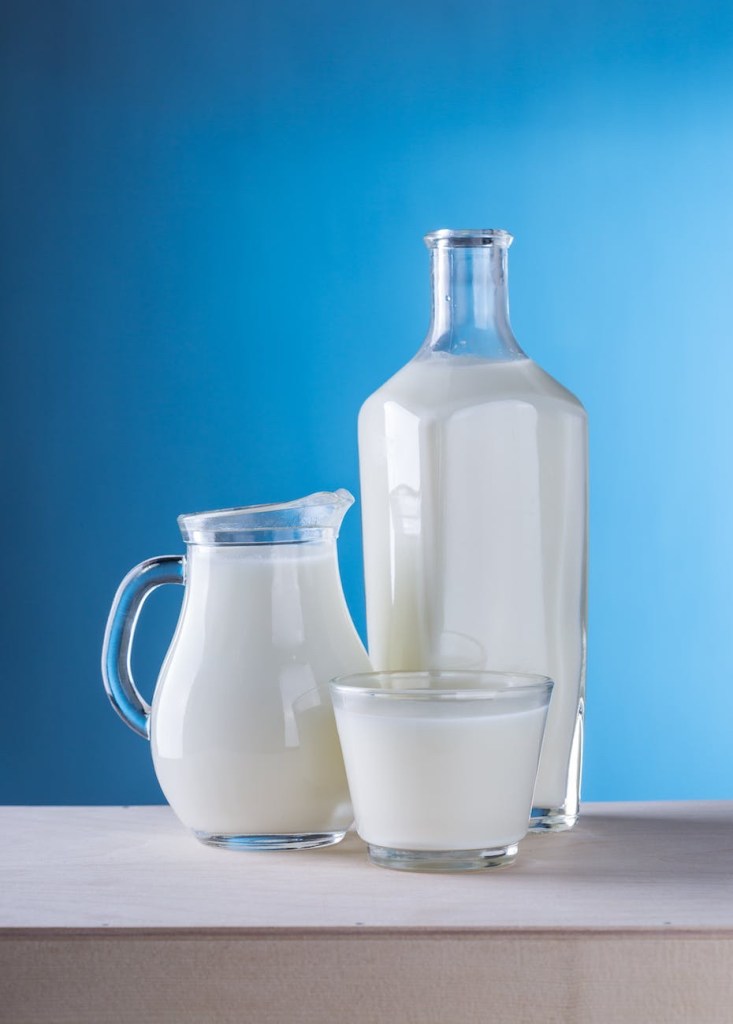
For centuries, milk has been a cornerstone of our diets and cultural traditions.
Whether poured over cereal, mixed into a smoothie, or simply enjoyed on its own, dairy milk has been a go-to source of nutrition and comfort.
But how did milk become such an integral part of our lives, and what does it mean to us today?
The history of milk dates back thousands of years, with evidence of dairy farming in ancient civilizations like Egypt, India, and China.
In Europe, milk became a staple in the Middle Ages, with cows being prized for their ability to produce milk and cheese.
By the 19th century, milk had become a booming industry, with urbanization and industrialization driving demand for fresh milk.
Throughout this history, milk has been defined traditionally as the lacteal secretion of cows, goats, or other mammals, used as food by humans.
Dairy milk has been prized for its nutritional value, with high levels of calcium, protein, and other essential nutrients.

But beyond its health benefits, milk has also played a crucial role in our cultural traditions, from the milk and honey of ancient Israel to the milk left out for Santa Claus on Christmas Eve.
Today, dairy milk remains a staple in many of our diets, but it is facing increasing competition from plant-based alternatives.
While dairy milk has long been associated with health and nutrition, plant-based alternatives are marketed as a more environmentally friendly and cruelty-free option.
But despite the rise of these alternatives, dairy milk remains deeply ingrained in our cultural consciousness.
So what does milk mean to us today?
For many, it is a symbol of comfort and tradition, a reminder of childhood and simpler times. For others, it is a source of nutrition and sustenance, a vital component of a healthy diet.
And for some, it is a point of contention, as the debate over what can be labeled as “milk” rages on.
Regardless of where you fall on the spectrum, the fact remains that milk has lost some of its clear-cut definition in recent years.
As we navigate this new era of plant-based alternatives and regulatory battles, it’s important to remember the rich history and cultural significance of this beloved beverage.
Whether you prefer dairy milk or a plant-based alternative, the choice is ultimately yours to make.
The Rise of Plant-based Alternatives
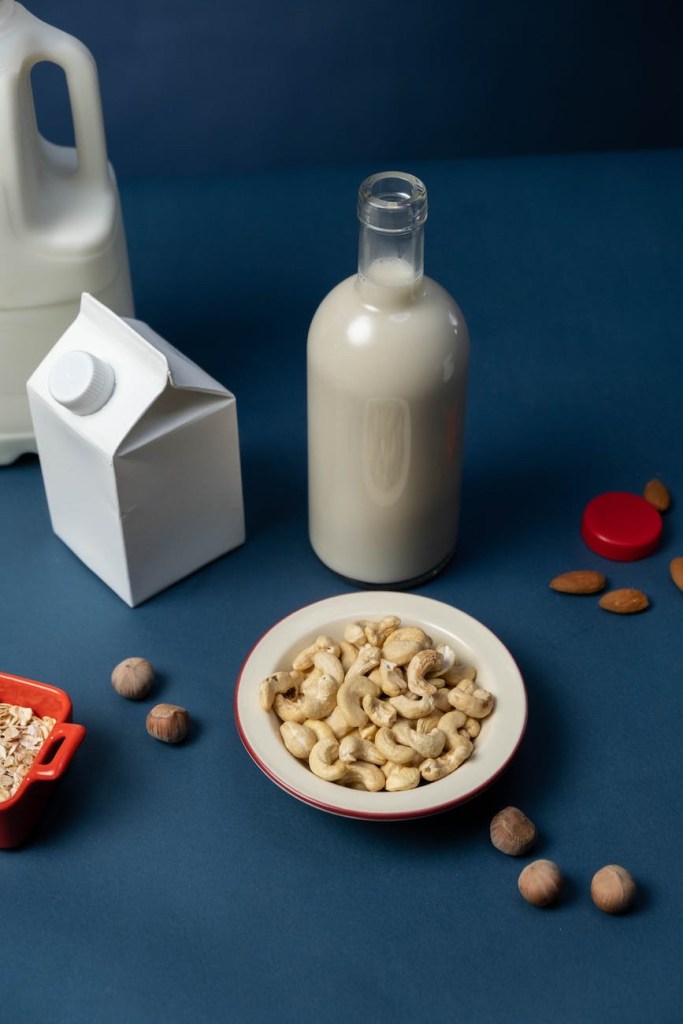
As we mentioned earlier, the rise of plant-based alternatives has brought new competition to the dairy milk industry.
But what exactly are these alternatives, and how do they stack up against traditional milk?
Soy milk was one of the first plant-based alternatives to hit the market, gaining popularity in the 1970s as a dairy-free option for vegans and those with lactose intolerance.
Made from whole soybeans or soy protein isolate, soy milk has a creamy texture and mild flavor that some say is similar to dairy milk.
It is also a good source of protein, vitamins, and minerals, making it a popular choice for those looking for a more nutritious alternative to dairy milk.
However, soy has been a controversial ingredient in recent years, with concerns over its impact on hormones and the environment.
Almond milk is another popular option, made from ground almonds and water. It has a slightly sweet, nutty flavor and a thinner consistency than dairy milk.
Almond milk is often marketed as a low-calorie, low-fat alternative to dairy milk, making it popular with those watching their weight.
However, it is also low in protein and some essential nutrients, so it may not be the best choice for everyone.
Additionally, the production of almonds requires a lot of water, leading to concerns over sustainability.
Oat milk has quickly risen in popularity in recent years, with sales in the US increasing by 686% between 2018 and 2019.
Made from oats and water, oat milk has a creamy texture and slightly sweet taste that many find appealing. It is also high in fiber, making it a good option for digestive health.
Like almond milk, it is lower in protein and some essential nutrients than dairy milk, but it is still a good option for those looking for a plant-based alternative.
So what impact have these plant-based alternatives had on the industry?
On the one hand, they have opened up new markets and expanded the options available to consumers. On the other hand, they have raised questions about labeling and regulatory oversight.
Some in the dairy industry argue that these alternatives should not be allowed to use terms like “milk” or “cheese” on their packaging, as they do not meet the traditional definition.
This has led to regulatory battles in some jurisdictions, with some states and countries banning the use of terms like “soy milk” or “vegan cheese.”
Regardless of the controversies, plant-based alternatives show no signs of slowing down.
As consumers become more health- and environmentally-conscious, they are increasingly looking for alternatives to traditional dairy milk.
Whether you prefer dairy milk or one of the many plant-based alternatives, there is no denying that milk has come a long way from its traditional definition.
Regulatory Battles

In recent years, the dairy industry has been facing some stiff competition from the rise of plant-based alternatives.
But this competition has sparked a debate around what can be labeled as “milk”.
Can plant-based alternatives really be considered milk?
This question has sparked a series of legal battles between the dairy industry and the producers of plant-based alternatives.
The dairy industry argues that only milk from cows should be considered as “milk” and that labeling plant-based alternatives as such is misleading and confusing for consumers.
On the other hand, producers of plant-based alternatives argue that their products are indeed a type of milk and that they have the right to use the term.
The regulatory battles have been intense and are still ongoing. In the US, the FDA has been working on a plan to redefine milk and what can be labeled as such.
The plan has not been finalized yet, but it has the potential to impact the labeling of plant-based alternatives.
The arguments on both sides of the debate are compelling.
The dairy industry argues that the term “milk” has been traditionally defined as coming from cows, and that allowing plant-based alternatives to use the term would be confusing for consumers.
However, proponents of plant-based alternatives argue that consumers are well aware of the differences between dairy milk and plant-based alternatives, and that they have the right to choose what they consume.
The outcome of the regulatory battles remains to be seen, but it’s clear that the debate around the term “milk” is far from over.
What’s Next for Milk?

As the dairy industry continues to face competition from plant-based alternatives, it’s clear that the future of milk is changing.
But what exactly can we expect from the future of this staple beverage?
One trend that is likely to continue is the rise of plant-based alternatives.
With concerns about sustainability and animal welfare on the rise, many consumers are turning to these alternatives as a way to enjoy milk without the guilt.
In fact, according to a report by Grand View Research, the global market for plant-based milk alternatives is expected to reach $38.56 billion by 2024.
However, that’s not to say that dairy milk will disappear entirely.
In fact, many consumers still prefer the taste and texture of traditional milk, and the dairy industry is innovating to meet the demands of these consumers.
For example, there has been a push for more sustainable and ethical farming practices, as well as the development of new types of dairy products such as lactose-free milk and A2 milk.
Another emerging trend in the industry is the rise of “smart milk”.
This refers to milk that has been enhanced with additional health benefits, such as added probiotics or omega-3 fatty acids.
These products are marketed towards health-conscious consumers who are looking for ways to boost their nutrient intake.
In terms of innovation, the dairy industry is constantly developing new products and technologies.
For example, there have been recent advancements in the development of milk-based plastics that could have a positive impact on the environment.
Additionally, there has been experimentation with new types of dairy products, such as camel milk and sheep milk.
Overall, the future of milk is likely to be a mix of traditional dairy products and plant-based alternatives, with an emphasis on sustainability, health, and innovation.
As consumers continue to seek out new and exciting options, the dairy industry will need to remain agile and adaptable in order to meet their needs.
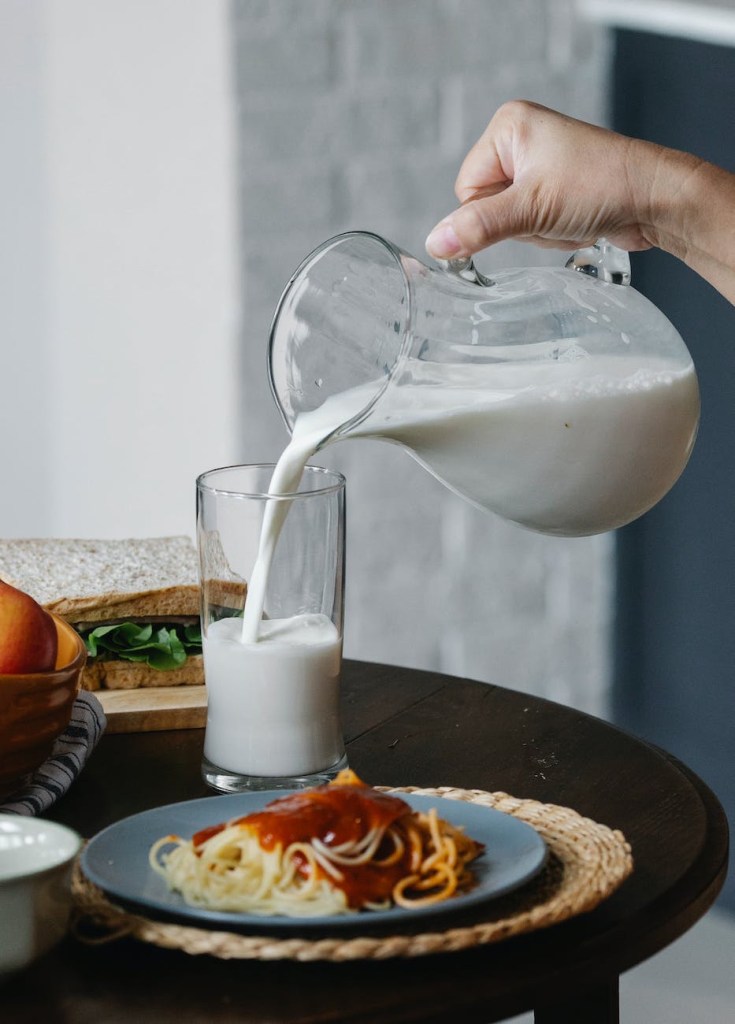
Milk has undergone a significant transformation in recent years, with plant-based alternatives and regulatory battles challenging the traditional definition of what milk is.
While dairy milk remains a staple in many diets and cultural traditions, plant-based options like soy, almond, and oat milk offer appealing alternatives with their own unique benefits and drawbacks.
As the industry continues to evolve, it’s likely that we will see more innovation and emerging trends in the market.
Will we see new plant-based options hit the shelves?
Or will dairy milk continue to reign supreme?
Whatever the future holds for milk, it’s clear that consumers have more choices than ever before.
As always, it’s important to do your own research and make informed choices about what you consume.
So, what do you think the future holds for milk?
Are you a die-hard dairy fan or do you prefer plant-based options?
Let us know in the comments below!
 The Remote Renaissance
Leave a comment