
WFH Revolution
Picture this: it’s a beautiful autumn morning, the leaves are falling, and the air is crisp. You wake up, stretch, and head to the kitchen for a cup of coffee before getting ready for work. But instead of commuting to a physical classroom or office, you simply log onto your computer and begin your workday from the comfort of your own home. This scenario might have sounded far-fetched a few years ago, but it’s becoming more and more common with the rise of e-learning.
In recent years, e-learning has completely transformed the way we approach education and work. From online courses and virtual classrooms to remote jobs and data-driven decision making, e-learning has had a profound impact on our lives. And as we continue to navigate through the ongoing pandemic and its effects, it’s more important than ever to understand the full scope of e-learning’s impact on education and jobs.
That’s why we’ve created this comprehensive guide to the future of education: to explore the ways in which e-learning is changing the face of teaching and administrative jobs, and to provide insights and potential solutions for adapting to these changes. Whether you’re a student, teacher, or administrator, this guide will provide you with a deep understanding of the impact of e-learning and equip you with the knowledge and tools you need to thrive in the future of education.
So, whether you’re a tech-savvy early adopter or a skeptic of the digital revolution, keep reading to discover how e-learning is transforming the way we learn and work, and what it means for the future of education.
The Rise of E-Learning

As technology continues to evolve, so does our approach to education. E-learning, or electronic learning, refers to any form of learning that takes place online or through digital platforms. From online courses to virtual classrooms, e-learning has become increasingly popular over the past few decades.
In fact, the history of e-learning can be traced back to the early days of the internet. In the 1960s, scientists and researchers began experimenting with computer-based learning programs. By the 1980s, universities and corporations were using early versions of e-learning to deliver courses and training programs.
The growth of the internet in the 1990s and 2000s paved the way for the modern era of e-learning. Today, millions of students around the world are enrolled in online courses, and virtual classrooms are becoming more common in both K-12 and higher education.
So, what are the benefits and drawbacks of e-learning for students and teachers? On the one hand, e-learning offers unparalleled convenience and flexibility. Students can learn from anywhere, at any time, and at their own pace. This is particularly valuable for students who may have other commitments, such as work or family responsibilities.
E-learning also offers a wider range of courses and resources than traditional classroom-based learning. Students can access a wealth of information and educational content online, from recorded lectures to interactive learning modules. This can be particularly valuable for students who may not have access to certain courses or resources in their local area.
However, there are also some drawbacks to e-learning. One of the biggest challenges is maintaining student engagement and motivation. Without the social interaction and accountability of a traditional classroom, some students may struggle to stay on track and complete their coursework.
Another challenge is the potential for technological difficulties or disparities. Not all students may have access to the same technology or internet connectivity, which can create inequities in learning outcomes.
Despite these challenges, e-learning is continuing to grow and evolve. According to a report by the Babson Survey Group, over 6 million students in the US were enrolled in online courses in 2018. And as we continue to adapt to the changing landscape of education, e-learning is sure to play an increasingly important role in shaping the future of learning and work.
The Impact on Teaching Jobs
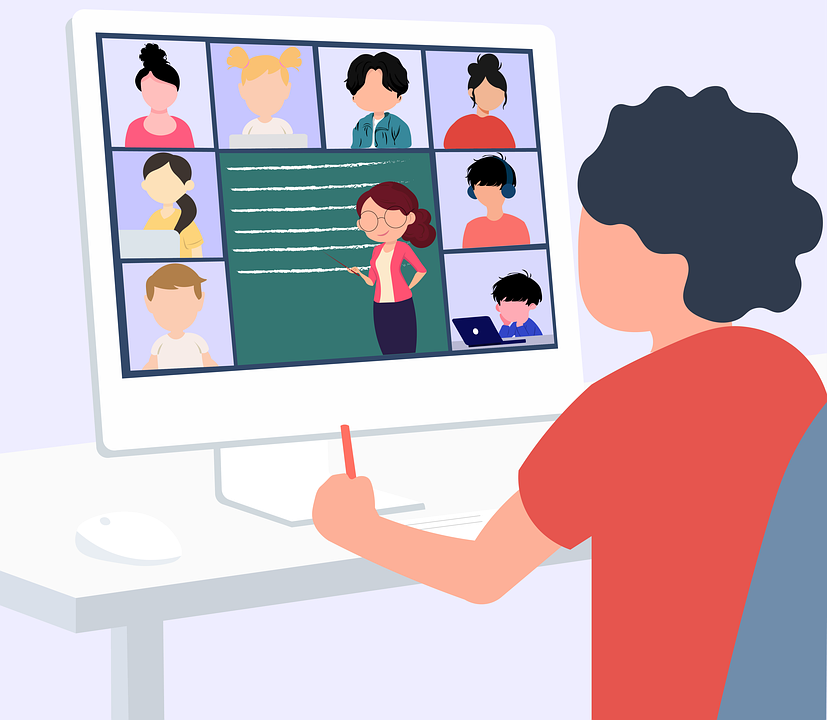
As e-learning continues to grow, it’s natural to wonder how it will impact the traditional teaching model. After all, if students can learn online from anywhere, what does that mean for the role of the teacher in the classroom?
One of the biggest changes brought about by e-learning is a shift in the traditional teaching model. In a virtual classroom, the teacher may act more as a facilitator or coach, guiding students through the learning process rather than lecturing or delivering content.
This shift has raised concerns about job loss and changing job requirements for teachers. Some fear that the rise of e-learning will lead to a reduction in teaching positions or a decline in the quality of education.
However, there are also potential benefits to this shift in the teaching model. By leveraging technology, teachers can potentially reach a wider audience and offer more personalized learning experiences for their students.
Additionally, e-learning can free up time and resources for teachers to focus on more individualized instruction and support.
For teachers looking to adapt to these changes, there are a few key strategies to keep in mind. First, it’s important to stay up-to-date on the latest technologies and platforms being used in e-learning. This may involve taking online courses or attending professional development workshops.
Teachers can also focus on developing new skills and areas of expertise, such as instructional design or online course development. By positioning themselves as experts in e-learning, teachers can potentially open up new job opportunities and expand their impact beyond the traditional classroom.
Ultimately, the impact of e-learning on teaching jobs is still unfolding. While there may be some challenges and uncertainties, there are also exciting possibilities for educators who are willing to embrace new technologies and adapt to changing models of learning.
The Impact on Administrative Jobs

While much of the focus on e-learning has been on its impact on students and teachers, it’s important to also consider how it’s affecting administrative roles in schools and universities.
One of the most significant changes brought about by e-learning is a shift towards data-driven decision-making. With the vast amounts of data generated by online learning platforms, administrators now have access to more information than ever before about student performance, engagement, and learning outcomes.
This shift towards data-driven decision-making has the potential to revolutionize how schools and universities operate. By using data to identify areas of improvement and track progress over time, administrators can make more informed decisions about how to allocate resources, which programs to invest in, and how to support student success.
However, this shift towards data-driven decision-making also has implications for administrative roles. Some administrative positions may become redundant or evolve as the use of data and technology becomes more widespread.
For administrators looking to adapt to these changes, there are several strategies to consider. First, it’s important to develop a strong understanding of data analysis and how to interpret and use data to inform decision-making. This may involve taking courses or attending professional development workshops to develop these skills.
Administrators can also focus on developing new areas of expertise related to e-learning, such as online program development or digital marketing. By positioning themselves as experts in these areas, administrators can potentially open up new job opportunities and expand their impact within their organizations.
Ultimately, the impact of e-learning on administrative jobs is still unfolding. While there may be some challenges and uncertainties, there are also exciting opportunities for administrators who are willing to embrace new technologies and adapt to the changing landscape of education.
The Future of E-Learning

As e-learning continues to grow and evolve, the potential for further innovation and development is immense. Advances in technology and data analytics are opening up new possibilities for personalized learning, adaptive instruction, and more immersive learning experiences.
One potential area of growth for e-learning is the use of artificial intelligence (AI) and machine learning. With AI, online learning platforms can better personalize instruction and tailor content to each student’s individual needs and learning style. This has the potential to greatly enhance the effectiveness of e-learning and improve student outcomes.
However, with this potential for growth and development comes concerns and potential issues. One major concern is the digital divide and the unequal access to technology and online learning resources. This can create a further divide between students from different socioeconomic backgrounds and exacerbate existing inequalities in education.
Another concern is the potential for e-learning to be too isolating and lacking in the social interaction and personal connections that are crucial for student development. To address this, e-learning platforms can incorporate more opportunities for collaboration and communication among students and between students and teachers.
Looking towards the future, it’s clear that e-learning will continue to play a significant role in education. However, it’s important to approach this future with a critical eye and a focus on creating equitable, effective, and engaging learning experiences for all students.
In the years to come, we may see e-learning become even more personalized, adaptive, and immersive. We may also see a greater emphasis on digital literacy and the development of online learning skills as essential for success in the 21st century.
Whatever the future holds, one thing is certain: e-learning will continue to change the face of teaching and learning for years to come.

As e-learning continues to grow and change the face of education, it’s important to understand the benefits and drawbacks for students, teachers, and administrators alike. We’ve explored the history and growth of e-learning, as well as its impact on teaching and administrative jobs. We’ve also discussed the potential for further growth and development, while acknowledging concerns and potential issues that may arise.
But what does all of this mean for the future of education? It means that we must adapt to the changing landscape and embrace the potential for innovation and progress. Whether you’re a student, teacher, or administrator, it’s crucial to stay informed and open-minded about the possibilities of e-learning.
So, what will you do to prepare for the future of education? Will you embrace the changes and strive for success, or will you resist and risk being left behind? The choice is yours, but one thing is certain: the future of education is here, and it’s up to us to shape it.
As the great philosopher Aristotle once said, “Educating the mind without educating the heart is no education at all.” Let’s strive for education that not only develops the mind, but also nurtures the heart and soul. Together, we can build a better future for ourselves and for generations to come.
Thank you for reading our article on the future of e-learning! We hope it has provided valuable insights into the impact of technology on education and jobs.
If you found this article informative and engaging, we encourage you to leave a comment below and join the conversation. Share your thoughts, ideas, and experiences with e-learning, and connect with others who are passionate about the future of education.
And if you haven’t already, be sure to subscribe to our newsletter to stay up-to-date on the latest news and trends in education and technology. As we continue to navigate the changing landscape of education, we want to make sure you’re informed and empowered to adapt and succeed. Thank you for your support!
Join a Community
Looking for a sense of community as you navigate the world of work-from-home jobs? Join the millions of people who have already made the switch to remote work. Through the rise of technology and the COVID-19 pandemic, working from home has become the new normal. By joining this community, you’ll gain access to a network of like-minded individuals who can provide support, advice, and inspiration as you pursue your career goals. Don’t wait – join the community of a million people working from home.
 The Remote Renaissance
Leave a comment