WFH Revolution
The pandemic has upended our lives in more ways than one, and one of the most significant changes has been the rise of remote work.
With offices shuttered and employees working from home, the traditional 9-to-5 work culture has been turned on its head.
While remote work was once considered a luxury for the lucky few, it has now become a necessity for many.
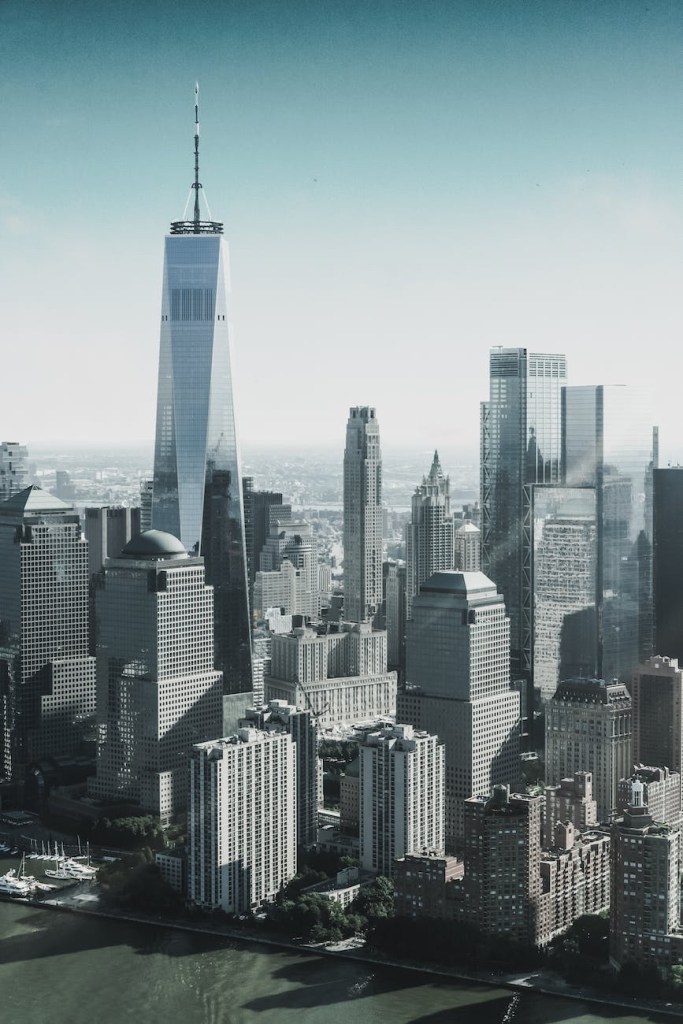
But what does this shift mean for our cities?
Enter the WFH exodus – the idea that remote work will lead to a decline in cities as people flock to more affordable and livable areas outside of urban centers.
While this trend is not entirely new, the pandemic has accelerated it, with more and more people realizing that they can work from anywhere with an internet connection.
But what does this mean for the future of our cities, and how can we prepare for this potential shift?
In this article, we’ll explore the advantages of remote work, the impact it could have on our cities, and how we can adapt to this changing landscape.
Whether you’re a remote worker, a city planner, or simply curious about the future of work, there’s something for everyone here.
So let’s dive in!
The Advantages of Remote Work

Remote work has quickly become a game-changer for employees and businesses alike.
No longer tethered to a physical office, workers can now enjoy a level of flexibility that was once unthinkable.
Need to pick up the kids from school or attend a doctor’s appointment?
No problem – just adjust your schedule accordingly.
This newfound autonomy has given many workers a sense of control over their lives that they never had before.
But the benefits of remote work go beyond just flexibility. Work-life balance, once a elusive goal for many, is now within reach.
Without a daily commute, workers can reclaim those precious hours of their day and devote them to self-care, exercise, or simply spending time with loved ones.
Plus, with the ability to work from home, there’s no need to shell out big bucks for a wardrobe of work clothes or spend money on gas or public transportation.
Perhaps one of the biggest advantages of remote work, however, is the opportunity to live outside of expensive urban areas.
With no need to be close to a physical office, workers are free to explore areas that were once considered off-limits due to high costs of living.
This has the potential to open up a whole new world of possibilities for workers who may have been priced out of desirable cities in the past.
For many, this newfound freedom has been a game-changer.
With the ability to work from anywhere, workers are no longer tethered to a specific location or lifestyle.
Whether it’s a cozy cabin in the mountains or a beachside bungalow, remote work has made it possible for workers to design a lifestyle that works for them.
Overall, remote work offers a wealth of benefits that were once unimaginable.
From flexibility and work-life balance to cost savings and the freedom to live where you choose, it’s no wonder that more and more workers are choosing remote work as their preferred way of working.
In the next section, we’ll explore how this shift in work culture could potentially impact our cities.
The Impact on Cities
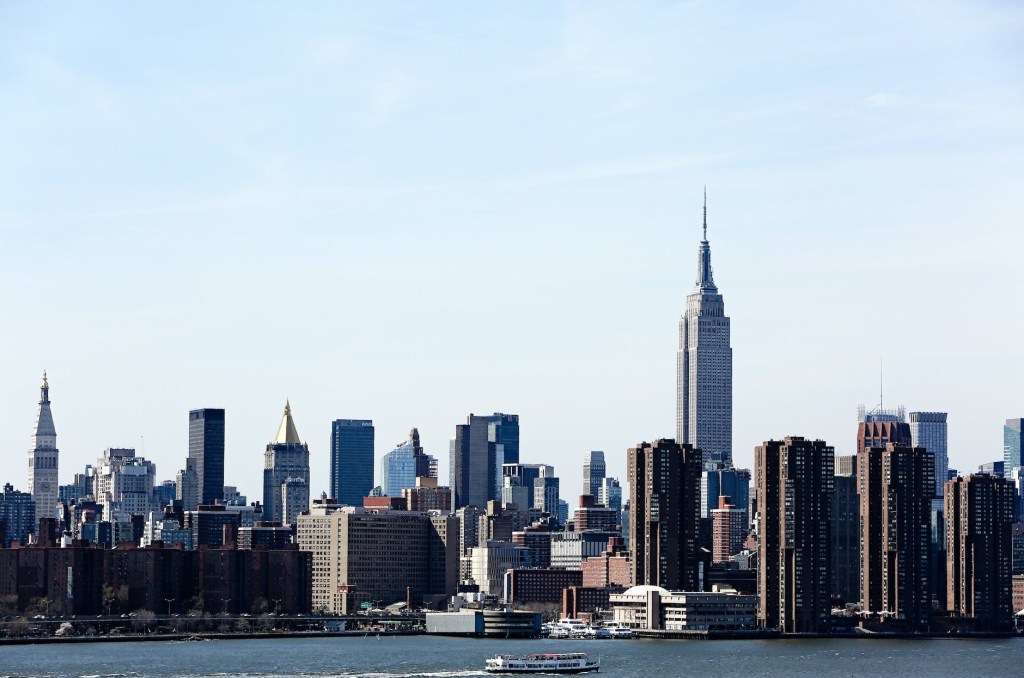
While the benefits of remote work are undeniable, there are concerns that this shift could have a significant impact on our cities.
As more and more people discover the advantages of remote work, many are choosing to move away from the hustle and bustle of city life in search of a better quality of life.
This could potentially lead to a decline in cities as businesses and workers alike seek out more affordable and livable areas.
While this trend is not new, the pandemic has accelerated it, with many workers realizing that they can work from anywhere with an internet connection.
The consequences of this shift could be far-reaching.
For businesses, the loss of talented workers could be a significant blow, especially if they are unable to attract new talent to replace those who have left.
Additionally, the local economies of cities could suffer as more and more businesses close their doors or relocate to more affordable areas.
This could lead to a vicious cycle of decline, as fewer businesses mean fewer job opportunities, which in turn leads to even more people leaving the city.
But it’s not all doom and gloom.
While there are certainly challenges ahead, there are also opportunities for cities to adapt and thrive in this new era of remote work.
For example, cities could focus on creating a more livable environment, with affordable housing, green spaces, and quality amenities that appeal to remote workers.
By investing in infrastructure and creating a welcoming environment for workers, cities can position themselves as desirable destinations for remote workers.
Furthermore, remote work has the potential to create a more diverse and inclusive workforce.
Without the need to be physically present in an office, workers from all over the world can now compete for the same jobs, regardless of their location.
This has the potential to bring new perspectives and ideas to businesses, leading to greater innovation and creativity.
The impact of remote work on our cities is still unfolding, and there are certainly challenges ahead.
However, by embracing this new way of working and investing in the necessary infrastructure and amenities, cities can adapt and thrive in this new era.
The WFH exodus may present challenges, but it also presents opportunities for growth and innovation.
The Future of Cities
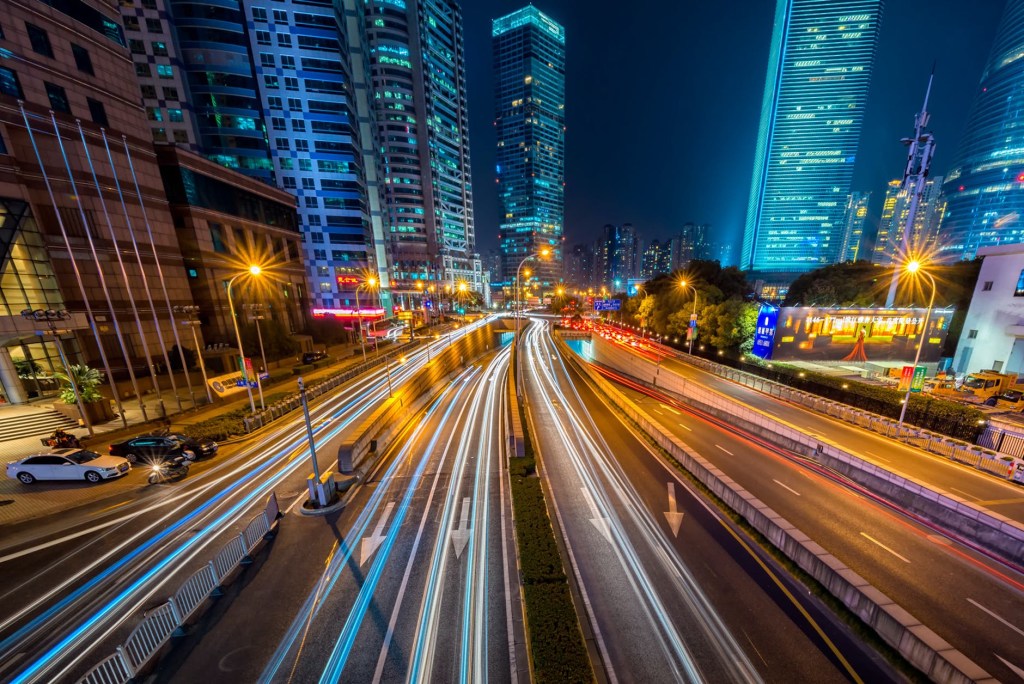
The future of cities in the age of remote work is uncertain, but one thing is clear: cities must adapt to survive.
With the rise of remote work, more and more workers are choosing to live outside of traditional urban areas, and cities must find ways to attract and retain this new type of worker.
One potential solution is to create coworking spaces that cater specifically to remote workers.
These spaces can provide a sense of community and collaboration, as well as the necessary infrastructure and amenities for remote workers to be productive.
Coworking spaces can also provide a way for businesses to retain remote workers by offering a physical space for workers to come together and collaborate.
Another way cities can adapt is by investing in public transportation.
As remote workers become more prevalent, the need for reliable, efficient public transportation becomes even more important.
By improving public transportation, cities can make it easier for remote workers to travel to and from their homes and workplaces, as well as to other parts of the city.
In addition to coworking spaces and public transportation, cities can also invest in green spaces to attract and retain remote workers.
By creating parks, bike paths, and other outdoor amenities, cities can provide a respite from the stresses of work and daily life, as well as promote health and wellness.
Finally, cities can also focus on creating a sense of community and belonging for remote workers.
This can be achieved through events and activities that bring people together, as well as by creating neighborhoods and districts that cater specifically to remote workers.
By fostering a sense of community and belonging, cities can make themselves more attractive to remote workers, who may be looking for a place to call home.
The future of cities in the age of remote work is uncertain, but it is clear that cities must adapt to attract and retain this new type of worker.
By creating coworking spaces, improving public transportation, investing in green spaces, and fostering a sense of community and belonging, cities can position themselves as desirable destinations for remote workers.
While the WFH exodus may present challenges, it also presents opportunities for cities to evolve and thrive in this new era.
The Human Element

While remote work offers many advantages, one potential downside is the lack of social interaction and community that comes with working in an office or living in a traditional urban environment.
Humans are social creatures, and we thrive on social interaction and a sense of belonging.
However, just because someone chooses to live outside of a city or work remotely does not mean they have to sacrifice social interaction and community.
There are many ways for remote workers to connect with others and build relationships, even if they don’t live in a traditional urban environment.
One way is through coworking spaces, which we mentioned in the previous section.
Coworking spaces provide a physical location where remote workers can come together and collaborate, as well as a sense of community and social interaction.
Another way is through online communities and social media. With the rise of remote work, there has also been an increase in online communities and social media groups for remote workers.
These groups can provide a way for remote workers to connect with others who are facing similar challenges and experiences.
In addition, many remote workers choose to attend conferences, events, and meetups in their industry or area of interest.
These events provide a way for remote workers to network, learn from others, and build relationships in person.
Finally, remote workers can also take advantage of technology to stay connected with friends and family members.
Video conferencing tools such as Zoom and Skype provide a way to have face-to-face conversations with people who are not physically present, while social media platforms like Facebook and
Instagram allows us to stay in touch with friends and family members even if we are miles apart.
While remote work may not provide the same level of social interaction and community as working in an office or living in a traditional urban environment, there are many ways for remote workers to connect with others and build relationships.
From coworking spaces to online communities, conferences and events to technology, remote workers have many options to stay connected and thrive both professionally and personally.

As we come to the end of our exploration of the WFH exodus, it’s clear that remote work is here to stay.
While this shift has brought about many advantages for individuals, it also poses challenges for cities and businesses.
However, it’s important to remember that change is inevitable, and the key to success is adaptation.
Cities must adapt to the new reality of remote work by finding innovative solutions that appeal to the needs of remote workers.
Coworking spaces, improved public transportation, and green spaces are just a few examples of the changes that can make a city more attractive to remote workers.
Furthermore, it’s important to prioritize the human element and the need for social interaction and community.
As individuals, it’s important to consider the benefits and drawbacks of remote work for ourselves and our communities.
While remote work offers flexibility and cost savings, it may also lead to isolation and disconnection.
It’s important to find ways to connect with others, whether it’s through online communities, local organizations, or coworking spaces.
In the end, the WFH exodus represents an opportunity for us to reimagine the way we live and work.
By embracing change and working together, we can create a future that is both fulfilling for individuals and sustainable for our cities and communities.
Join a Community
Looking for a sense of community as you navigate the world of work-from-home jobs? Join the millions of people who have already made the switch to remote work. Through the rise of technology and the COVID-19 pandemic, working from home has become the new normal. By joining this community, you’ll gain access to a network of like-minded individuals who can provide support, advice, and inspiration as you pursue your career goals. Don’t wait – join the community of a million people working from home.
 The Remote Renaissance
Leave a comment