
WFH Revolution
Artificial intelligence (AI) has been a buzzword in the tech industry for years now, but its impact on the job market is only just beginning to be felt.
As AI continues to advance and become more sophisticated, it’s clear that it has the potential to completely transform the way we work, especially when it comes to human resources.
Personally, I’ve always been fascinated by the intersection of technology and human behavior.
As a recruiter, I’ve seen firsthand how technology has made my job easier in many ways, but I’ve also had to grapple with some of the challenges that come with using AI in recruitment.
And as an employee relations specialist, I’ve seen how AI is changing the way companies manage their workforce and how employees interact with each other.
In this article, we’ll take a deep dive into the impact of AI on human resources, exploring how it’s changing the way we recruit, manage employees, and create workplace culture.
We’ll look at both the potential benefits and drawbacks of using AI in HR, and examine how HR professionals can adapt to this changing landscape while still maintaining a human connection with employees.
So let’s get started.
The Role of AI in Recruitment
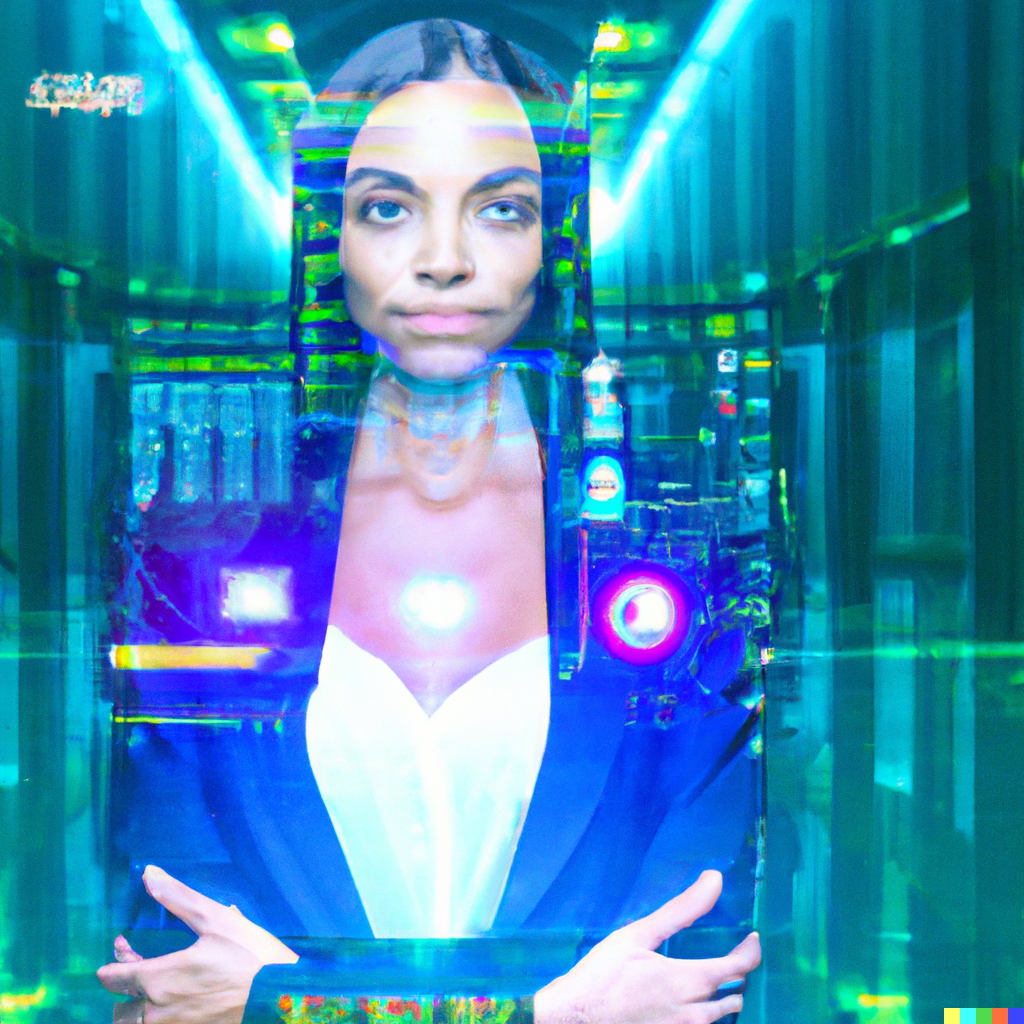
Recruiting the right talent for a company can be a time-consuming and daunting task.
However, AI has made this process more efficient and effective.
AI algorithms can help screen resumes, analyze candidate data, and even conduct initial interviews, freeing up HR professionals to focus on other aspects of recruitment.
The potential benefits of using AI in recruitment are numerous.
For one, it can help eliminate bias in the hiring process.
Unlike humans, AI algorithms don’t have personal biases, meaning they can make hiring decisions based purely on qualifications and experience.
Additionally, AI can help speed up the recruitment process, allowing companies to fill vacancies faster and reduce the time and resources spent on recruitment.
However, there are also some potential drawbacks to using AI in recruitment.
One of the biggest concerns is the potential for AI to perpetuate biases if it’s not designed and tested properly.
Additionally, some candidates may feel uncomfortable with the idea of being evaluated by a machine rather than a human.
Despite these concerns, there have been some successful AI-driven recruitment campaigns in recent years. For example, Hilton Worldwide has used AI-powered chatbots to screen candidates and answer common questions, leading to a 90% reduction in the time spent on initial interviews. Unilever has also implemented AI in its recruitment process, using algorithms to screen resumes and identify the best candidates for specific roles.
Overall, while there are certainly some potential drawbacks to using AI in recruitment, the benefits of increased efficiency, reduced bias, and improved candidate matching cannot be ignored. As technology continues to advance, it’s likely that we’ll see even more innovative and successful AI-driven recruitment campaigns in the years to come.
The Future of Employee Relations

AI is not only impacting recruitment but also changing the way companies manage employee relations and workplace culture.
With the help of AI, employers can now monitor employee behavior, analyze data, and identify patterns in employee engagement and productivity.
One potential benefit of using AI in employee relations is the ability to identify and address problems before they become more significant issues.
For example, AI can analyze employee feedback and identify common themes or concerns that may need to be addressed.
Additionally, AI can help companies personalize employee experiences, tailoring benefits and opportunities to individual needs and preferences.
However, there are also some potential challenges to using AI in employee relations.
One concern is the potential for AI to overstep privacy boundaries, monitoring employee behavior in ways that make them uncomfortable.
Another concern is the potential for AI to perpetuate existing biases or create new ones, such as recommending certain benefits or opportunities only to certain employees.
Despite these challenges, many companies are already using AI to improve employee engagement and management.
For example, IBM has implemented an AI-powered virtual assistant called “Watson” to help employees navigate the company’s HR processes and answer questions.
And Accenture has implemented an AI-powered platform called “MyNav” to provide employees with personalized career advice and development opportunities.
As AI continues to advance, it’s likely that we’ll see even more innovative uses of the technology in employee relations and workplace culture.
However, it’s important that companies approach AI with caution, carefully considering its potential benefits and drawbacks and taking steps to ensure that it’s being used in ways that are ethical, transparent, and respectful of employee privacy.
The Human Factor

As AI becomes more prevalent in recruitment and employee relations, it’s important not to forget the human factor.
While AI can help streamline processes and improve efficiency, it’s ultimately the human touch that makes a difference in attracting, retaining, and engaging employees.
One key way that HR professionals can maintain a personal connection with employees is by using AI as a tool to support, rather than replace, human interaction.
For example, AI can be used to automate routine tasks like scheduling and data analysis, freeing up HR professionals to focus on building relationships and providing support to employees.
Another important factor is empathy. HR professionals must understand the emotional needs of employees and use that understanding to create a positive and supportive workplace culture.
This means actively listening to feedback, being responsive to concerns, and creating opportunities for employees to connect with one another.
Finally, HR professionals must be adaptable and willing to embrace change.
As AI continues to evolve, the role of HR professionals is likely to change as well.
They must be open to new technologies and new ways of working, while still maintaining the human touch that makes their role so important.
While AI is transforming the world of recruitment and employee relations, the human touch remains essential.
HR professionals must adapt to the changing landscape of AI while still maintaining a personal connection with employees, using technology as a tool to support, rather than replace, human interaction.
With the right approach, companies can leverage the power of AI to create a more efficient, productive, and engaged workforce while still valuing the unique contributions of each and every employee.

The impact of AI on human resources is undeniable, with the potential to transform recruitment processes, employee engagement, and workplace culture.
However, it’s important to balance the benefits of technology with the importance of human connection in the workplace.
HR professionals must be willing to adapt to the changing landscape of AI and embrace new technologies, while still prioritizing the needs of employees and maintaining a personal touch.
By using AI as a tool to support, rather than replace, human interaction, HR professionals can create a more efficient, productive, and engaged workforce.
It’s also important for HR professionals to stay informed about new developments in AI and to remain adaptable as technology continues to evolve.
By staying up-to-date and open to new ideas, HR professionals can ensure that they are equipped to handle the challenges and opportunities of the age of AI.
While the use of AI in human resources is still a relatively new development, its potential impact is significant.
By finding a balance between technology and human connection, HR professionals can harness the power of AI to create a more efficient and effective workplace, while still valuing the unique contributions of every employee.
Join a Community
Looking for a sense of community as you navigate the world of work-from-home jobs? Join the millions of people who have already made the switch to remote work. Through the rise of technology and the COVID-19 pandemic, working from home has become the new normal. By joining this community, you’ll gain access to a network of like-minded individuals who can provide support, advice, and inspiration as you pursue your career goals. Don’t wait – join the community of a million people working from home.

 The Remote Renaissance
Leave a comment