WFH Revolution
The pandemic has changed the way we live and work in ways that we never could have imagined.
It has forced us to reconsider our priorities and re-evaluate what is truly important.
One of the most significant changes that we have seen is the rise of remote work.
Remote work has become the norm for many people, as companies adapt to the new reality of the pandemic.
It has provided a lifeline for businesses, allowing them to continue operating in the face of unprecedented challenges.
But remote work has also had a profound impact on our lives outside of work.
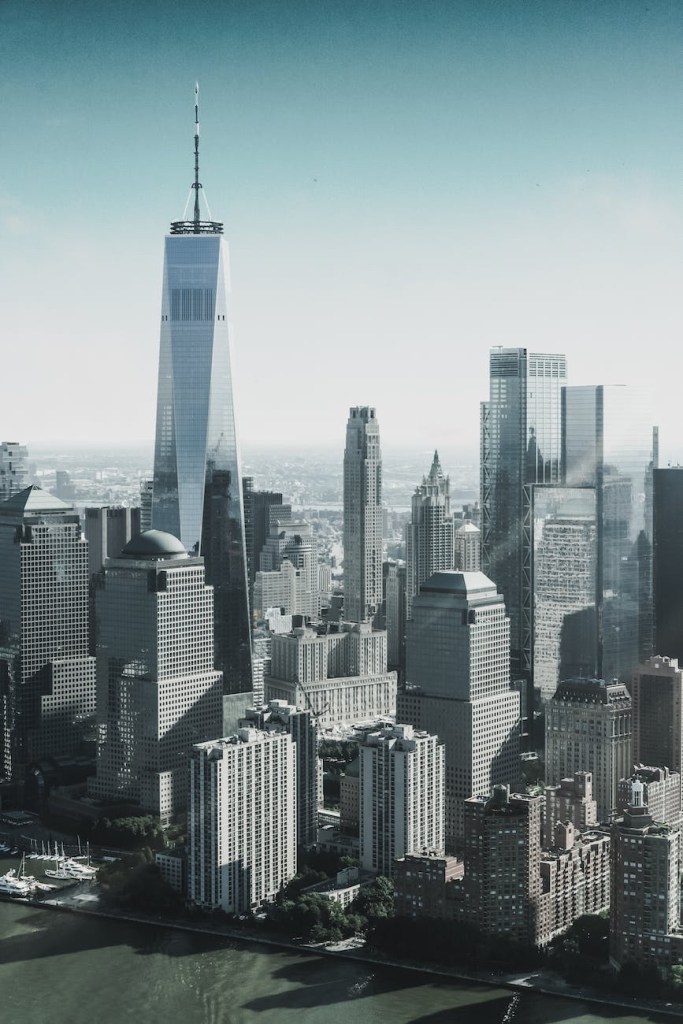
One of the most significant changes that we are seeing is the potential shift in urbanization and housing.
For many years, people have been drawn to cities by the promise of better job opportunities, better infrastructure, and a better quality of life.
But with remote work becoming more widespread, people are no longer tied to living in close proximity to their workplace.
This shift in the way we work has the potential to fundamentally change the way we live.
It could lead to a shift away from dense urban areas and towards more suburban or rural areas.
This shift could have significant implications for the housing market, as demand for larger homes with more outdoor space could increase, while demand for smaller apartments could decrease.

But the impact of remote work goes beyond just the housing market.
It could also have significant social and environmental implications.
Remote work could lead to a reduction in carbon emissions from commuting and a decrease in traffic congestion.
It could also lead to changes in community dynamics and social interactions.
As we navigate this new landscape, it is important to consider the potential implications and opportunities that remote work presents.
The pandemic has forced us to change the way we work and live, but it has also provided us with an opportunity to create a better future.
The ripple effect of remote work on urbanization and housing is just one aspect of this new reality, but it is a powerful one that we must all consider as we move forward.
The Rise of Remote Work

As the world has become increasingly interconnected, remote work has become an increasingly attractive option for businesses and employees alike.
And while the pandemic certainly accelerated its adoption, the rise of remote work has been years in the making.
For businesses, the benefits of remote work are clear.
Not only does it provide a more flexible and cost-effective way to operate, but it can also lead to increased productivity and employee satisfaction.
With the right technology and infrastructure in place, remote work can allow employees to work more efficiently, collaborate more effectively, and stay focused on their goals.
And for employees, the benefits of remote work are equally compelling.
The ability to work from home or any other location can provide a greater degree of flexibility and control over one’s schedule.
This can lead to better work-life balance, increased job satisfaction, and even better physical and mental health.
But the rise of remote work is not without its challenges.
For businesses, managing a remote workforce requires a different set of skills and strategies than managing a traditional in-person team.
And for employees, the lack of face-to-face interaction can lead to feelings of isolation and disconnection from their colleagues.
Despite these challenges, the rise of remote work is likely to continue.
As technology continues to advance and businesses become more global in nature, the ability to work remotely will become an increasingly important skill for employees to have.
And for businesses that are able to effectively manage remote teams, the benefits of remote work will likely outweigh the challenges.
Overall, the rise of remote work represents a significant shift in the way we think about work and the workplace.
It provides businesses and employees alike with greater flexibility and control over their lives, and has the potential to unlock new levels of productivity and innovation.
While it is not without its challenges, the rise of remote work is a trend that is here to stay.
The Potential Impact on Urbanization
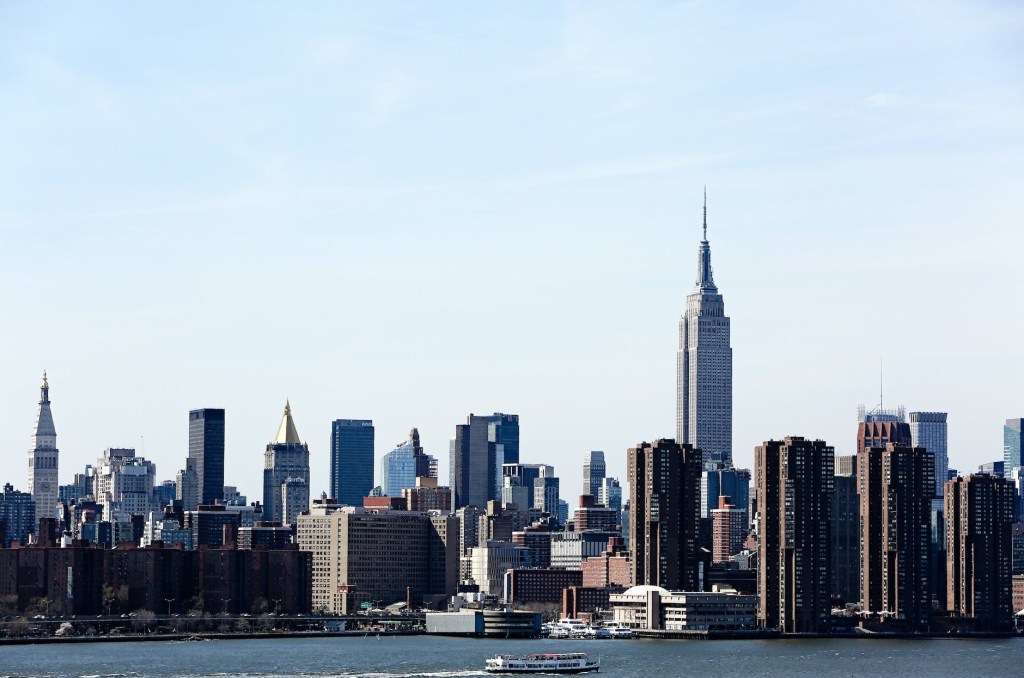
For decades, urbanization has been a defining trend of our modern world.
People have flocked to cities in search of better jobs, greater opportunities, and a more exciting way of life.
But with the rise of remote work, that trend may be starting to shift.
One of the key drivers of urbanization has been the need for proximity to work.
In the past, people have had to live in or near cities in order to be close to their jobs.
But with remote work, that requirement is no longer as important.
People can now work from anywhere, meaning they are no longer tied to living in urban areas.
This shift has the potential to significantly impact urbanization patterns.
As more people choose to work remotely, they may opt to move away from densely populated urban areas and towards more suburban or rural areas.
This could lead to a decline in urban density and a resurgence of suburban and rural communities.
Of course, the impact on urbanization will not be uniform across all cities and regions.
Some areas may continue to thrive as hubs of innovation and economic activity, while others may struggle to attract and retain workers.
But overall, the shift towards remote work has the potential to reshape the way we think about cities and urbanization.
For businesses, this shift may present new opportunities and challenges.
On the one hand, it may make it easier to recruit and retain employees who are not willing or able to live in urban areas.
On the other hand, it may also make it more difficult to maintain a strong company culture and sense of community among remote workers.
Overall, the potential impact on urbanization is just one of the many ways that remote work is changing the way we live and work.
As more and more people embrace the flexibility and freedom of remote work, we can expect to see new trends and patterns emerge in our communities and cities.
The Potential Impact on Housing

The potential impact of remote work on urbanization is closely tied to its impact on the housing market.
As more people choose to work remotely and move away from urban areas, there may be a significant shift in demand for different types of housing.
One trend that we may see is an increase in demand for larger homes with more outdoor space.
Without the need to commute to work every day, people may be willing to trade in the convenience of city living for more space and a higher quality of life.
This could lead to a surge in demand for suburban and rural properties with larger yards, more bedrooms, and outdoor amenities like pools or gardens.
Conversely, demand for smaller apartments in dense urban areas may decrease.
With fewer people living and working in cities, there may be less demand for small apartments in high-rise buildings.
This could lead to a decrease in pricing for these types of properties, making city living more affordable for those who do choose to stay.
Of course, the impact on the housing market will vary depending on location and other factors.
Some areas may continue to see strong demand for urban properties, while others may experience a surge in demand for suburban or rural homes.
Overall, the potential impact of remote work on housing is significant.
It could lead to changes in pricing and availability of housing in different areas, as well as changes in the types of properties that are in demand.
As people continue to embrace remote work and explore new housing options, we can expect to see new trends and patterns emerge in the housing market.
The Social and Environmental Implications
The rise of remote work has the potential to impact not just our housing and work habits, but also our social and environmental landscapes.
One of the most significant potential benefits of remote work is the decrease in carbon emissions from commuting.
With fewer people commuting to work, there could be a significant reduction in greenhouse gas emissions and air pollution.
In addition to the environmental benefits, remote work could also lead to a decrease in traffic congestion.
Commuting is often cited as a major source of stress and frustration for workers.
However, remote work could also have some negative social implications.
With fewer people commuting and gathering in shared workspaces, there may be a decrease in social interactions and community dynamics.
This could lead to feelings of isolation and disconnection, particularly for those who live in rural or suburban areas.
But there are many ways to mitigate the social impact of remote work.
For example, companies can encourage virtual social interactions and team-building exercises, and individuals can make an effort to stay connected with coworkers and friends through video conferencing and social media.
Overall, the impact of remote work on our social and environmental landscapes is complex and multifaceted.
While there are certainly benefits to reducing commuting and traffic congestion, it’s important to consider the potential downsides and work to mitigate any negative impacts.

The ripple effect of remote work on urbanization and housing is a complex and multifaceted issue.
The rise of remote work is giving people more flexibility in where they choose to live, potentially shifting demand away from dense urban areas and towards more suburban or rural areas.
This shift in demand could also have significant impacts on the housing market, as people may begin to prioritize larger homes with more outdoor space over smaller apartments.
However, remote work also has the potential to have positive social and environmental implications.
It could reduce carbon emissions from commuting and decrease traffic congestion, while also potentially creating more opportunities for social interaction and community building in new areas.
As we continue to navigate this new landscape, it is important to consider the opportunities and challenges that remote work presents.
By doing so, we can ensure that we are making the most of this shift towards more flexible working arrangements and creating a better future for ourselves and our communities.
Join a Community
Looking for a sense of community as you navigate the world of work-from-home jobs? Join the millions of people who have already made the switch to remote work. Through the rise of technology and the COVID-19 pandemic, working from home has become the new normal. By joining this community, you’ll gain access to a network of like-minded individuals who can provide support, advice, and inspiration as you pursue your career goals. Don’t wait – join the community of a million people working from home.
 The Remote Renaissance
Leave a comment