We’re living in a time where technology is advancing at lightning speed, and AI is at the forefront of this revolution.
As AI continues to make waves in various industries, there’s no denying that its impact on the workplace is immense.
In this article, we’ll be diving deep into the rise of AI in the workplace and exploring what it means for you and your job.
Let’s start by considering this: did you know that over 50% of jobs in the US are at risk of being automated by AI within the next 20 years?
That’s a startling statistic that highlights just how significant the impact of AI on the job market could be.
And it’s not just manual labor jobs that are at risk – even highly-skilled jobs like doctors, lawyers, and accountants are facing the threat of automation.
But what exactly is AI?
In simple terms, AI is a form of technology that allows machines to learn from data and make decisions based on that data.
This means that AI can automate a wide range of tasks that were previously done by humans.
From analyzing data to identifying patterns, AI can perform tasks faster and more accurately than humans.
And this is precisely why it’s becoming increasingly prevalent in the workplace.
So, why is the rise of AI in the workplace such a hot topic?
Well, it’s because it has the potential to transform the way we work and live.
It could lead to increased productivity, improved efficiency, and new opportunities.
At the same time, it could also lead to job loss, reduced human interaction, and a widening gap between the skilled and unskilled workforce.
The rise of AI in the workplace is an exciting and challenging topic, and we’re only scratching the surface here.
But don’t worry, we’ll be diving deeper into the impact of AI on the job market, expert opinions, and the future of work in this article.
So, let’s get started!
How AI is Impacting the Job Market?

The impact of artificial intelligence on the job market is immense and continues to grow rapidly.
As AI technology advances, it is changing the workforce in various ways.
From automation to augmentation, AI is affecting how businesses operate and how individuals work.
One of the most significant impacts of AI is automation.
Tasks that were once performed by humans are now being automated with the help of AI.
This means that many jobs that were previously performed by people are now being taken over by machines.
Industries that are most affected by this include manufacturing, retail, transportation, and customer service.
Another way that AI is changing the workforce is through augmentation.
AI is being used to enhance human capabilities, making workers more efficient and productive.
For example, in the medical industry, AI is being used to analyze medical images and help diagnose patients.
In the legal industry, AI is being used to analyze documents and help lawyers with legal research.
The impact of AI on the job market is not limited to specific industries.
According to a report by the World Economic Forum, by 2025, more than half of all current workplace tasks will be performed by machines.
This means that jobs that were once considered safe from automation are now at risk.
For example, in the finance industry, many jobs that were previously considered safe from automation, such as accounting and bookkeeping, are now being automated.
Despite the impact that AI is having on the job market, there are some positive aspects to consider.
AI is creating new jobs and industries.
For example, the rise of AI has led to the development of new jobs such as data analysts, AI trainers, and machine learning engineers.
Overall, the impact of AI on the job market is significant and far-reaching.
As AI technology continues to advance, it is essential that individuals and businesses adapt to the changes and prepare for the future of work.
Expert Opinions

As we dive deeper into the impact of AI in the workplace, it’s essential to seek insights from experts in the field.
Here are some thought-provoking quotes from experts that we believe will provide you with valuable insights.
Dr. Kai-Fu Lee, a prominent figure in AI and author of the book “AI Superpowers,” said, “AI will increasingly replace repetitive jobs, not just for blue-collar work but also white-collar work.”
This statement highlights how AI is affecting different job types across different industries.
On the other hand, Professor Arvind Gupta, an expert in AI and machine learning, argues that AI will not entirely replace jobs but instead enhance them.
He said, “AI will change jobs, but it won’t necessarily eliminate them. People will still be needed to manage and train the algorithms.”
This argument highlights that AI may not be a threat to all jobs but instead could create new ones.
The pros and cons of AI in the workplace have been a topic of debate.
On one hand, AI can increase efficiency and accuracy, enabling employees to focus on more creative and value-added tasks.
On the other hand, AI can lead to job displacement, decreased job security, and loss of human touch in certain job roles.
However, according to a report by the World Economic Forum, “By 2025, 85 million jobs may be displaced by a shift in the division of labor between humans and machines, while 97 million new roles may emerge that are more adapted to the new division of labor between humans, machines, and algorithms.”
The future of work will undoubtedly be influenced by AI.
As per a report by McKinsey Global Institute, by 2030, up to 800 million global workers may be displaced by automation.
But it’s not all doom and gloom. AI will also create new jobs, and according to the same report, automation could generate between 20 million to 50 million new jobs globally by 2030.
The impact of AI in the workplace is undeniable.
While there are potential risks associated with AI, it’s essential to recognize that it can also be a catalyst for new opportunities and growth.
The future of work may look different, but the most important thing is to stay informed and embrace the changes to come.
The Future of Work
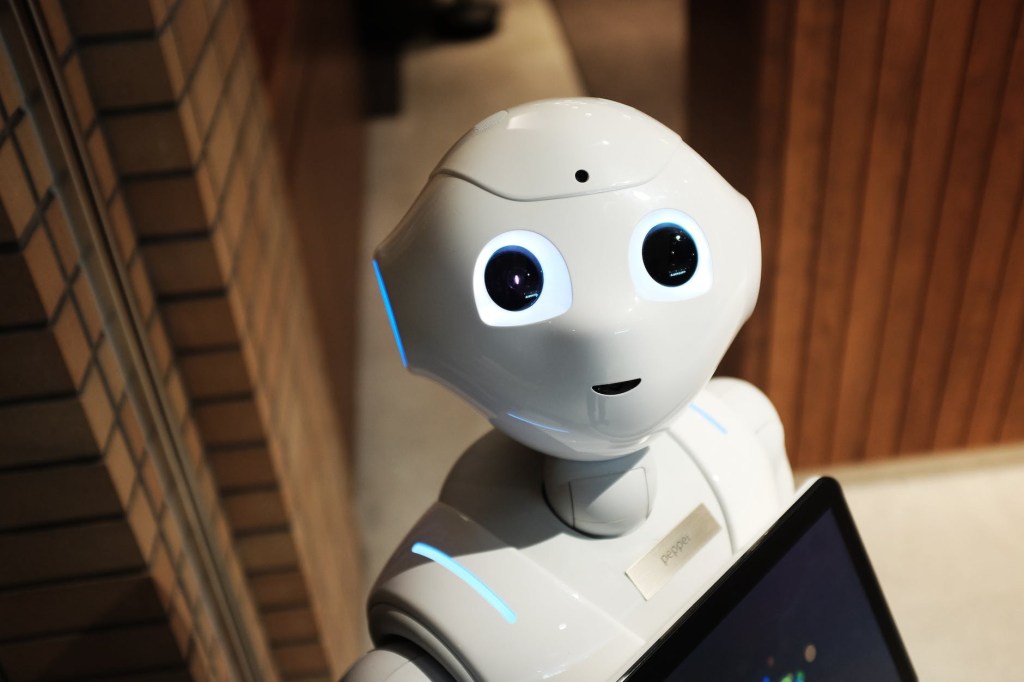
As AI continues to transform the workplace, there is growing concern about the potential for job loss.
While some jobs may indeed become automated, it’s important to note that AI will also create new jobs and opportunities that we can’t even imagine yet.
One thing is certain, however: the jobs of the future will require a different set of skills than the jobs of the past.
The ability to work effectively with technology will be critical, as will skills like critical thinking, creativity, and adaptability.
So, what can you do to future-proof your career?
Here are a few tips:
- Embrace Lifelong Learning: The world is changing rapidly, and it’s important to stay ahead of the curve. Make a commitment to lifelong learning by taking classes, attending conferences, and seeking out new opportunities to learn.
- Build Transferable Skills: As the job market evolves, it’s important to develop skills that are transferable across industries. Focus on developing skills like communication, problem-solving, and teamwork that will be valuable no matter where your career takes you.
- Embrace Technology: AI is here to stay, and it’s important to understand how it works and how it can be used to improve your work. Stay up to date on the latest technologies and be willing to experiment and try new things.
- Be Agile and Adaptable: The ability to adapt to new situations and be agile in your thinking will be critical in the future workplace. Be willing to take on new challenges and try new things, even if they are outside of your comfort zone.
The rise of AI in the workplace is transforming the job market in ways that we can’t fully predict.
While there may be some job loss in certain industries, there will also be new opportunities and jobs created that we can’t even imagine yet.
By embracing lifelong learning, building transferable skills, embracing technology, and being agile and adaptable, you can future-proof your career and stay ahead of the curve in this rapidly changing job market.

As we’ve explored throughout this article, AI is rapidly changing the landscape of the workplace, with the potential to significantly impact the job market.
While there are certainly some concerns around job displacement, there are also exciting opportunities for innovation and growth.
As we look to the future, it’s important to stay informed about the potential impact of AI on our careers and to take steps to future-proof our skill sets.
By developing skills in areas like critical thinking, creativity, and emotional intelligence, we can position ourselves for success in a world where AI plays an increasingly important role.
So, whether you’re just starting your career or looking to make a change, now is the time to start thinking about how you can adapt and stay ahead of the curve.
How will you future-proof your career?
Let us know in the comments below.
Join a Community
Looking for a sense of community as you navigate the world of work-from-home jobs? Join the millions of people who have already made the switch to remote work. Through the rise of technology and the COVID-19 pandemic, working from home has become the new normal. By joining this community, you’ll gain access to a network of like-minded individuals who can provide support, advice, and inspiration as you pursue your career goals. Don’t wait – join the community of a million people working from home.
 The Remote Renaissance
Leave a comment