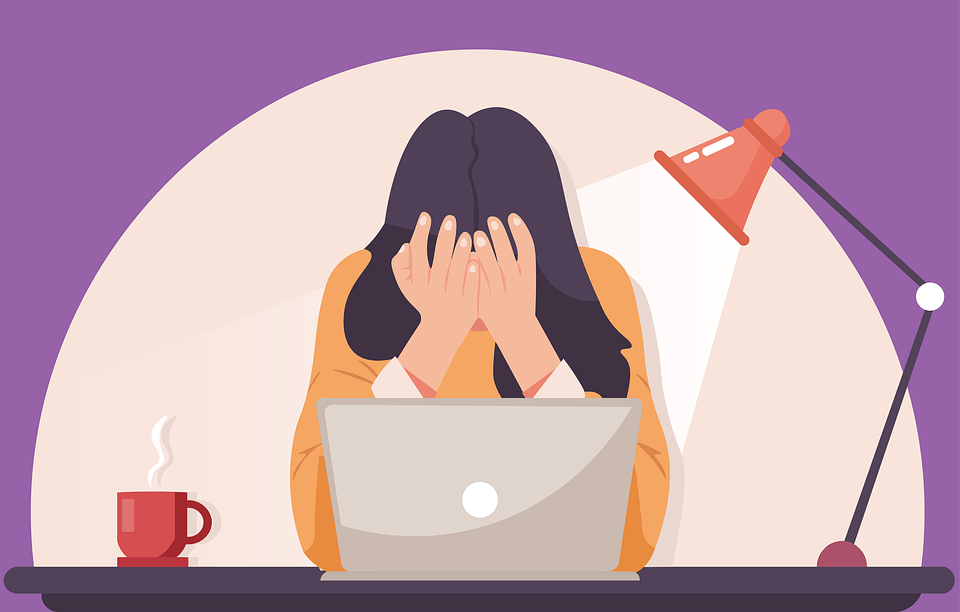
WFH Revolution
2020 was a year of unprecedented changes in the way we live and work.
As the pandemic swept across the world, many of us found ourselves suddenly working from home (WFH) for the very first time.
For some, it was a welcome change – no more commutes, the freedom to set their own schedule, and the ability to work in their pajamas if they so desired.
For others, it was a difficult adjustment.
Juggling work responsibilities with childcare and household duties, all while being isolated from colleagues, was no easy feat.
Despite the challenges, WFH has become the new normal for millions of workers around the globe.
And with good reason: there are many benefits to working from home.
Studies have shown that remote workers tend to be more productive, and many appreciate the flexibility that comes with not being tied to a physical office.
Plus, without the distractions of a traditional workplace, people often find that they can get more done in less time.
But as with anything, too much of a good thing can be harmful.
And that’s where WFH burnout comes in.
Burnout is a psychological state that occurs when someone becomes physically, emotionally, and mentally exhausted from work-related stress.
It can manifest in a variety of ways, including loss of motivation, increased irritability, and a sense of disconnection from work and colleagues.
Unfortunately, WFH burnout has become increasingly common over the past year.
Without the structure and routine of a traditional office environment, it can be difficult to disconnect from work and truly unwind.
Many people find themselves working longer hours than ever before, and the lack of separation between work and home life can make it feel like they’re always “on.”
In short, WFH burnout is a real and pressing issue that deserves our attention.
In the following sections, we’ll explore some of the signs and causes of WFH burnout, as well as offer some tips for preventing and managing it.
So grab a cup of coffee (or tea, or whatever beverage you prefer), and let’s dive in.
Signs of WFH burnout

If you’re reading this and feeling like WFH burnout might be hitting a little too close to home, know that you’re not alone.
In fact, according to a recent study, nearly 70% of remote workers reported experiencing burnout symptoms during the pandemic.
So what exactly are the signs and symptoms of WFH burnout, and how can you recognize them in yourself?
One common symptom of burnout is a lack of motivation.
If you’re finding it difficult to get started on tasks that used to be relatively easy, or if you’re procrastinating more than usual, it could be a sign that burnout is starting to set in.
You may also find yourself feeling disconnected from your work, and less invested in its outcomes.
Another telltale sign of burnout is feeling overwhelmed.
When you’re constantly juggling multiple responsibilities without a clear sense of when work ends and personal life begins, it’s easy to start feeling like everything is piling up on you.
You may find yourself constantly checking email or feeling like you can never truly relax, even during downtime.
Increased stress is also a common symptom of WFH burnout.
When you’re constantly in “work mode,” it’s easy to become more reactive and irritable than usual.
You may find yourself snapping at loved ones or feeling like small stressors are much more significant than they really are.
Some additional signs of WFH burnout can include physical symptoms like headaches, insomnia, or changes in appetite or weight.
If any of these symptoms sound familiar, it might be time to take a step back and reassess your work habits and boundaries.
Ultimately, recognizing the signs of burnout is the first step in addressing it.
So if you’re feeling like you’re stuck in a WFH burnout rut, know that you’re not alone – and that there are things you can do to start feeling better.
Causes of WFH burnout

If you’re someone who has been working remotely for the past year, you’re probably all too familiar with the lack of boundaries between work and personal life that comes with the territory.
When your home is also your office, it can be tough to switch off and truly disconnect from work.
This blurring of lines can lead to a range of issues, from increased stress and anxiety to burnout.
Another cause of WFH burnout is the isolation that comes with working from home.
Without the social connections that come from a traditional office setting, remote workers can start to feel lonely and disconnected from the outside world.
This can make it harder to find motivation or feel a sense of purpose in your work, leading to burnout.
On top of all this, there’s often a pressure to always be available and responsive to work-related communications when you’re working from home.
Whether it’s responding to emails after hours or being expected to jump on a call at any time of day, this pressure can make it difficult to truly disconnect and recharge.
It can also lead to a sense of being “always on,” which can contribute to burnout.
Overall, there are a variety of factors that can contribute to WFH burnout.
Whether it’s the lack of boundaries between work and personal life, the isolation that comes with working remotely, or the pressure to always be available and responsive, it’s important to recognize these issues and take steps to address them.
By setting clear boundaries and making time for self-care, you can help prevent burnout and stay productive and motivated in your remote work environment.
Tips for preventing WFH burnout

If you’re feeling burnt out from working at home, don’t despair.
There are plenty of steps you can take to prevent and manage WFH burnout.
One of the most important things you can do is set clear boundaries and establish a routine.
This means setting specific working hours and sticking to them, as well as making time for breaks throughout the day to recharge and reset.
Another key factor in preventing WFH burnout is finding ways to stay connected with coworkers and combat isolation.
This can include scheduling virtual coffee breaks or happy hours, joining online communities related to your industry or interests, or even just taking a few minutes each day to check in with colleagues and catch up on non-work related topics.
Finally, it’s important to manage work-related stress and anxiety in order to prevent burnout.
There are many techniques that can help, from mindfulness practices like meditation or deep breathing exercises to physical activities like yoga or running.
Whatever method you choose, taking time to prioritize your mental and physical health is essential for maintaining your well-being and avoiding burnout.
Remember, WFH burnout is a common and understandable issue, but it doesn’t have to be a permanent one.
By taking proactive steps to set boundaries, stay connected with others, and manage stress, you can help prevent burnout and maintain your productivity and motivation while working from home.
How companies can address WFH burnout

As remote work becomes increasingly prevalent, it’s important for employers to recognize and address the issue of WFH burnout.
Fortunately, there are many ways that companies can support their remote workers and help prevent burnout.
One of the most effective strategies is to offer flexible schedules that allow employees to work when they are most productive and to take time off when needed.
This can help reduce the pressure to be constantly available and responsive, which is a major contributor to burnout.
Employers can also provide mental health resources, such as counseling services or stress management workshops, to help employees cope with the challenges of remote work.
In addition to these measures, managers also play a crucial role in preventing WFH burnout among their teams.
This includes recognizing the signs of burnout, such as decreased productivity or increased absenteeism, and addressing the issue with the affected employee.
Managers can also encourage open communication and provide regular feedback and support to their remote workers.
Finally, there are many examples of companies that have successfully implemented measures to prevent burnout among their remote employees.
For example, some companies offer regular virtual team-building activities or provide their remote workers with access to coworking spaces.
Others have implemented policies that limit the number of hours employees are expected to work each day or week.
Overall, addressing WFH burnout requires a combination of individual and organizational strategies.
By offering flexible schedules, mental health resources, and support from managers, companies can help their remote workers stay motivated, productive, and engaged while working from home.

While remote work has provided many benefits, it has also led to an increase in WFH burnout.
Symptoms such as lack of motivation and increased stress can have serious consequences on mental health and overall well-being.
However, there are steps that both individuals and companies can take to prevent burnout.
By setting boundaries, staying connected with coworkers, and managing stress, remote workers can prioritize their mental health and avoid burnout.
Employers can also play a crucial role in supporting their remote employees through measures such as flexible schedules and mental health resources.
It’s important for everyone to recognize the signs of burnout and take proactive steps to address it.
So let’s make sure we prioritize our mental health and communicate our needs to our employers, to ensure a happy, healthy and productive work from home experience.
Thank you for taking the time to read our article!
We hope you found it informative and helpful.
If you have any thoughts or experiences to share, we’d love to hear from you in the comments section below.
Don’t want to miss out on our future content?
Be sure to subscribe to our newsletter for the latest news and tips on mental health, work-life balance, and more.
Simply enter your email address and click “subscribe” to join our community of like-minded individuals committed to improving their well-being.
Join a Community
Looking for a sense of community as you navigate the world of work-from-home jobs? Join the millions of people who have already made the switch to remote work. Through the rise of technology and the COVID-19 pandemic, working from home has become the new normal. By joining this community, you’ll gain access to a network of like-minded individuals who can provide support, advice, and inspiration as you pursue your career goals. Don’t wait – join the community of a million people working from home.
 The Remote Renaissance
Leave a comment