
In recent years, remote work has become a popular option for employees and employers alike.
Remote work refers to the ability for employees to work from a location outside of the traditional office environment, whether that’s from home or a coffee shop.
This flexibility has been especially beneficial for workers across all social classes, including low, middle, and upper class individuals.
The benefits of remote work are numerous, and extend to both employees and employers.
For employees, remote work provides improved work-life balance, which can lead to decreased stress levels and increased job satisfaction.
It also allows for increased productivity, as employees are able to work during their most productive hours and eliminate the daily commute.
In addition, remote work can save employees and employers money, as there are fewer costs associated with office space and equipment.
However, as with any change, there has been some pushback against remote work as a basic right for employees.
Some argue that remote work can lead to decreased productivity, lack of social interaction, and technological barriers.
Others worry that remote work could lead to a decrease in teamwork and collaboration among employees.
Despite these concerns, it’s clear that remote work has become an important aspect of modern working culture.
In fact, some experts believe that remote work will become the norm in the coming years, rather than the exception.
As such, it’s important to defend remote work as a basic right for employees.
By doing so, we can empower workers across all social classes to choose a work environment that works best for them, regardless of their physical location.
This can help bridge economic disparities and ensure that every worker has access to meaningful employment opportunities.
It’s up to employers and governments to help make remote work a viable option for employees.
Employers can support remote work by providing the necessary technology and resources, and by establishing clear guidelines and expectations.
Meanwhile, governments can incentivize and promote remote work as a basic right, through tax incentives and other policies.
In the end, it’s clear that remote work is the future of the modern workplace.
By defending it as a basic right for labor freedom, we can help ensure that every worker has the opportunity to thrive in their career, regardless of where they choose to work.
The Benefits of Remote Work

Remote work is a game-changer for both individuals and society as a whole.
It allows for a level of flexibility that traditional office jobs simply can’t match.
Here are just a few of the many benefits of remote work:
- Increased Productivity: When working remotely, employees have more control over their work environment. They can customize their workspace to suit their needs, whether that means a quiet room, a comfortable chair, or a standing desk. With fewer distractions, remote workers often find that they’re able to focus more easily and get more done in less time.
- Improved Work-Life Balance: One of the most significant benefits of remote work is the ability to create a better work-life balance. By eliminating the need for a daily commute, remote workers can use that time to exercise, spend time with their families, or pursue hobbies and interests. They’re also better able to attend to personal needs, like doctor’s appointments or childcare, without sacrificing work commitments.
- Access to a Wider Talent Pool: Remote work allows employers to recruit from a much wider talent pool. They’re no longer restricted to hiring employees who live in a specific geographic area, which can lead to a more diverse and talented workforce.
- Cost Savings: Remote work can save employees and employers money in a variety of ways. For employees, they can save on transportation costs, work attire, and meals. For employers, they can save on office space, equipment, and utilities.
- Environmental Benefits: By eliminating the need for a daily commute, remote work can have a positive impact on the environment. Fewer cars on the road means less air pollution and less traffic congestion.
- Reduced Stress Levels: Working remotely can lead to reduced stress levels for many employees. Without the daily commute, they can start their day feeling less rushed and more relaxed. They also have more control over their work environment, which can lead to a sense of calm and focus.
These are just a few of the many benefits of remote work.
As you can see, the advantages extend beyond just the individual worker and can have a positive impact on society as a whole.
By embracing remote work as a viable option, we can create a more productive, flexible, and sustainable workplace for everyone.
However, remote work does come with its own set of challenges.
In the next section, we’ll explore some of these challenges and discuss strategies for overcoming them.
The Challenges of Remote Work

While remote work offers a plethora of benefits, it’s not without its challenges.
The following are some of the most common obstacles that remote workers face and how to overcome them.
Difficulty in Maintaining Work-Life Balance
When working remotely, it can be challenging to separate work from personal life, which can lead to burnout and decreased job satisfaction.
One strategy for maintaining work-life balance is to establish a routine that includes clear work hours and personal time.
It’s also essential to create a designated workspace that’s separate from your living area, and to take breaks throughout the day to refresh your mind and avoid overworking.
Lack of Social Interaction
One of the most significant drawbacks of remote work is the lack of social interaction with colleagues.
It’s important to make a conscious effort to stay connected with co-workers through video calls, chat messages, or virtual team-building activities.
Joining online communities or networking groups can also provide opportunities for social interaction and professional development.
Technological Barriers
Remote work relies heavily on technology, and technical issues can be frustrating and disruptive to workflow.
To avoid technological barriers, it’s important to ensure you have reliable internet access, maintain your equipment, and have a backup plan in case of technical difficulties.
It’s also a good idea to stay informed about new tools and software that can improve workflow and productivity.
Potential for Distractions and Decreased Productivity
Without the structure and accountability of a traditional office environment, it’s easy to become distracted and lose focus.
To combat distractions, establish a dedicated workspace free from distractions and create a schedule that allows for focused work time.
Utilizing tools such as time tracking apps and productivity hacks like the Pomodoro technique can also help increase focus and productivity.
By addressing these common challenges head-on, remote workers can create a fulfilling and productive work experience that balances the benefits of remote work with the challenges it presents.
With the right tools and strategies, remote work can provide the flexibility and autonomy needed for a successful career, all while maintaining a healthy work-life balance.
The Need to Defend Remote Work as a Basic Right

Remote work is not just a trendy new work style; it’s a basic right that empowers the working society.
By providing employees with the freedom to choose their work environment, remote work can help bridge economic disparities and improve the overall quality of life for workers.
Remote work enables individuals to work from anywhere in the world, providing unprecedented flexibility and autonomy.
This freedom can be especially beneficial for those who have family or personal obligations that make a traditional 9-to-5 job challenging.
With remote work, individuals can choose their own schedule and work from anywhere, creating a better work-life balance.
In addition to improving individual lives, remote work can also help bridge economic disparities.
With remote work, individuals in rural or economically disadvantaged areas can access higher-paying jobs without having to relocate to a city.
This can help redistribute economic opportunities and create more equitable societies.
Looking towards the future, it’s essential that employees have the freedom to consistently choose their working environment.
With the rise of remote work, individuals are no longer limited to jobs within a specific geographic location.
This can lead to increased competition for employers, which will ultimately benefit the employee.
As remote work becomes more prevalent, it’s important to recognize and defend it as a basic right for employees.
By doing so, we can empower individuals to take control of their work-life balance, bridge economic disparities, and create a more equitable society.
So, let’s continue to defend remote work as a basic right and create a better future for all.
The Role of Employers and Governments
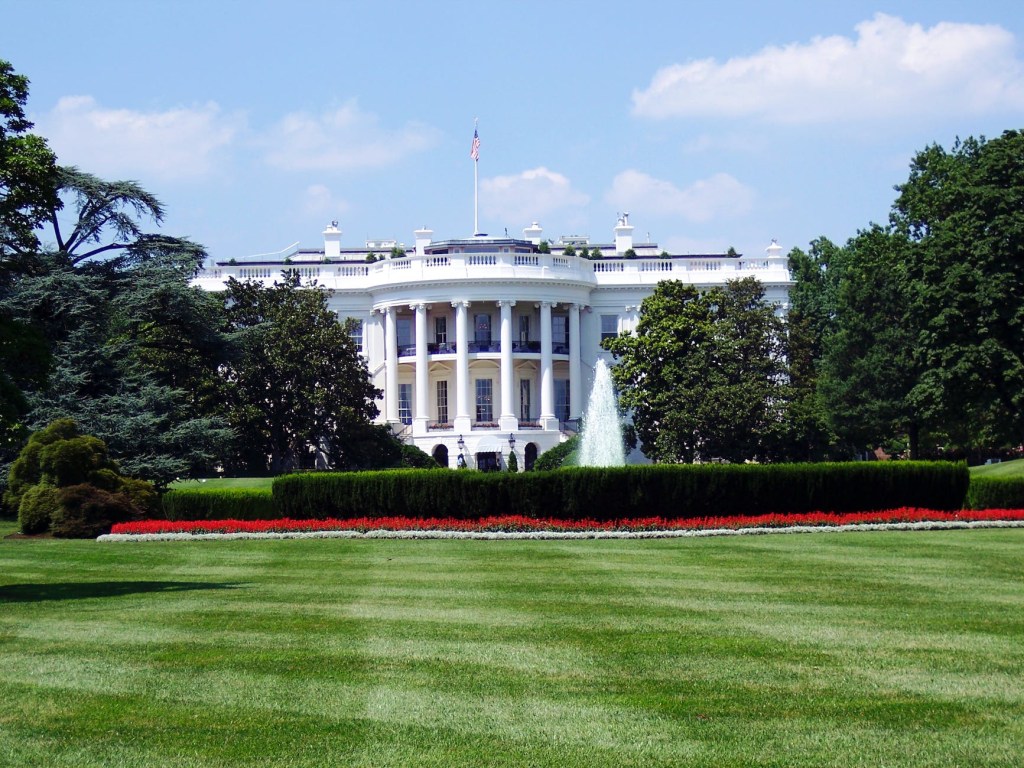
Remote work has become an essential aspect of the modern workplace.
As such, it’s vital that both employers and governments understand their role in supporting remote work as a basic right.
Employers have a significant role to play in promoting remote work and making it a viable option for their employees.
This can be done by providing the necessary tools and resources to allow employees to work effectively from home.
Employers can also create policies that support remote work and encourage managers to embrace the benefits of a remote workforce.
Governments can incentivize and promote remote work as a basic right by implementing policies that support remote work.
This can include tax incentives for companies that embrace remote work or regulations that require companies to offer remote work options.
By doing so, governments can help create a more flexible and dynamic labor market that benefits both employers and employees.
Despite the many benefits of remote work, there are still pushbacks and criticisms to be addressed.
Some argue that remote work reduces collaboration and decreases productivity.
However, research has shown that remote work can actually increase productivity, and companies that offer remote work options have reported lower turnover rates.
Other countries have successfully implemented policies that promote remote work as a basic right.
In Finland, for example, employees have the legal right to request remote work, and companies are required to consider these requests.
This has led to a more flexible and dynamic labor market that benefits both employers and employees.
In conclusion, remote work is a basic right that can benefit both individuals and society as a whole.
Employers and governments have a significant role to play in supporting remote work and making it a viable option for all.
By doing so, we can create a more flexible, equitable, and dynamic labor market that benefits everyone.

As we wrap up this discussion on remote work, it’s clear that this is an issue that affects us all.
From the individual worker seeking a better work-life balance, to the global society seeking economic stability and growth, remote work has become a hot topic in recent years.
But as we’ve discussed, remote work is not without its challenges.
Maintaining a healthy work-life balance can be difficult, social isolation can take a toll, and technological barriers can cause frustration.
However, the benefits of remote work far outweigh these challenges.
Employees who work remotely are generally happier, more productive, and have more autonomy in their work.
Furthermore, remote work can help bridge economic disparities by providing job opportunities to those who may not have access to traditional office jobs.
Governments can play a critical role in promoting and incentivizing remote work as a basic right for employees, while employers can take steps to ensure that their employees have the resources and support they need to be successful.
As we move forward, it’s crucial that we continue to defend remote work as a basic right.
We must work collaboratively to make remote work a sustainable and accessible option for all.
Employers, governments, and employees all have a role to play in ensuring that remote work remains a viable and empowering option for workers around the world.
So let’s take action and defend remote work as a basic right.
Together, we can create a better, more equitable future for all.
Thank you for taking the time to read our content.
We hope that it has been informative and engaging for you.
If you have any thoughts or feedback, we would love to hear from you in the comments section below.
If you would like to stay updated on our latest articles and insights, we encourage you to subscribe to our newsletter.
As a subscriber, you will receive exclusive content and early access to our latest research and reports.
Don’t miss out on the opportunity to be part of a community dedicated to learning and growth.
Subscribe today and join us on our journey towards a better tomorrow.
Join a Community
Looking for a sense of community as you navigate the world of work-from-home jobs? Join the millions of people who have already made the switch to remote work. Through the rise of technology and the COVID-19 pandemic, working from home has become the new normal. By joining this community, you’ll gain access to a network of like-minded individuals who can provide support, advice, and inspiration as you pursue your career goals. Don’t wait – join the community of a million people working from home.
 The Remote Renaissance
Leave a comment