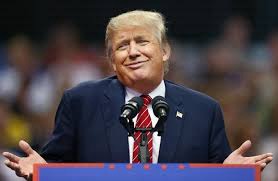
Welcome to “A.I. Diagnosis,” where we harness the power of artificial intelligence to delve into the minds of influential figures and dissect their behaviors, decisions, and personalities. In this installment, we turn our focus to one of the most polarizing figures in modern history: Donald Trump.
As the 45th President of the United States, Trump’s tenure was marked by controversy, bold rhetoric, and unconventional leadership style. From his early days as a real estate mogul to his unexpected rise to political prominence, Trump has captured the world’s attention with his brash demeanor and unapologetic approach to governance.
“I like thinking big. If you’re going to be thinking anything, you might as well think big.”
Using advanced algorithms and data analysis, we seek to unravel the complexities of Trump’s persona, examining the underlying factors that shape his behavior and decision-making. By applying artificial intelligence to analyze his public statements, tweets, and actions, we aim to gain insights into his personality traits, leadership style, and psychological motivations.
Through this process, we hope to provide a nuanced understanding of Donald Trump that goes beyond the headlines and soundbites. Whether you’re a supporter, critic, or simply curious observer, join us on this journey as we employ cutting-edge technology to uncover the truths behind one of the most enigmatic figures of our time.
Background
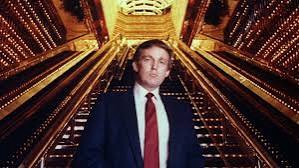
Donald Trump’s public persona and career have been characterized by a unique blend of business savvy, showmanship, and political ambition. Born into a wealthy real estate family in Queens, New York, Trump quickly made a name for himself as a brash and flamboyant entrepreneur. He gained national recognition in the 1980s with the construction of iconic properties such as Trump Tower and the acquisition of the Miss Universe pageant.
Trump’s foray into reality television with “The Apprentice” further solidified his status as a pop culture icon, showcasing his trademark catchphrase, “You’re fired,” to millions of viewers worldwide. His larger-than-life persona and no-nonsense approach to business endeared him to audiences, laying the groundwork for his eventual foray into politics.
In 2016, Trump defied the odds by securing the Republican nomination for President of the United States. His unconventional campaign, characterized by provocative rhetoric and promises to “Make America Great Again,” struck a chord with disaffected voters and propelled him to victory in the general election.
“Part of being a winner is knowing when enough is enough. Sometimes you have to give up the fight and walk away, and move on to something that’s more productive.”
Throughout his presidency, Trump’s leadership style was marked by controversy and divisiveness. His confrontational approach to diplomacy, penchant for social media, and willingness to challenge established norms drew both praise and condemnation from supporters and critics alike. Key events, such as the impeachment proceedings stemming from his interactions with Ukraine and the handling of the COVID-19 pandemic, further polarized public opinion and fueled debates over his fitness for office.
Against this backdrop of triumphs and tumult, the diagnosis of Donald Trump using artificial intelligence takes on added significance. By examining the nuances of his public persona, career trajectory, and the controversies that have defined his tenure, we aim to gain a deeper understanding of the man behind the headlines and the factors driving his behavior. Through the lens of advanced algorithms and data analysis, we seek to shed light on the complexities of Trump’s personality and leadership style, offering insights that transcend partisan divides and illuminate the broader dynamics of modern politics.
Data Analysis
In our quest to understand the enigmatic persona of Donald Trump, we turn to the cutting-edge tools of artificial intelligence to dissect his behavior, speech patterns, and decision-making processes. Through advanced algorithms and data analysis, we aim to unravel the complexities of Trump’s public persona and shed light on the factors that shape his actions.
One of the primary sources of data for our analysis is Trump’s extensive record of public speeches, interviews, and tweets. By parsing through this vast trove of textual data, we can identify recurring themes, linguistic patterns, and rhetorical strategies employed by Trump to convey his message to the public. From bombastic rallies to terse tweets, each communication provides valuable insights into Trump’s mindset and worldview.
In addition to textual analysis, we also leverage machine learning algorithms to examine non-verbal cues and facial expressions displayed by Trump in public appearances. By analyzing video footage and images, we can glean valuable information about Trump’s emotional state, level of confidence, and engagement with his audience. These non-verbal signals offer a complementary perspective to his verbal communication, providing a more holistic understanding of his demeanor and personality.
Furthermore, we supplement our analysis with data from external sources, such as news articles, opinion polls, and social media interactions. By triangulating multiple sources of information, we can validate our findings and provide a more nuanced portrayal of Trump’s public image and the impact of his actions on society.
Through this multidimensional approach to data analysis, we aim to uncover the underlying drivers of Trump’s behavior and decision-making. By identifying patterns and trends in his communication style and public interactions, we can gain valuable insights into his personality traits, leadership style, and psychological motivations. Ultimately, our goal is to provide a comprehensive and evidence-based diagnosis of Donald Trump that transcends the boundaries of political bias and offers valuable insights into the dynamics of modern leadership.
Personality Traits
Donald Trump’s personality is as complex as it is polarizing, characterized by a unique blend of assertiveness, charisma, and impulsivity. As we delve into the depths of his psyche through the lens of artificial intelligence, we uncover a mosaic of traits that have shaped his public persona and defined his leadership style.
At the forefront of Trump’s personality is his unwavering assertiveness, manifested in his unapologetic demeanor and willingness to confront adversaries head-on. Whether in boardrooms or on the political stage, Trump exudes confidence and conviction, refusing to back down in the face of criticism or opposition. This assertive streak, fueled by a strong sense of self-assuredness, has been a hallmark of his leadership style, earning him both admirers and detractors alike.
“You know the funny thing, I don’t get along with rich people. I get along with the middle class and the poor people better than I get along with the rich people.”
Yet, alongside his assertiveness lies Trump’s magnetic charisma, a quality that has captivated audiences and propelled him to the pinnacle of fame and fortune. With his larger-than-life persona and penchant for showmanship, Trump has mastered the art of commanding attention and winning over crowds with his charm and charisma. From the glitz and glamour of reality television to the fervor of campaign rallies, Trump’s charisma has been a potent force in shaping his public image and galvanizing his supporters.
However, beneath the veneer of confidence and charm lurks a streak of impulsivity that has at times led Trump down controversial paths. His propensity for off-the-cuff remarks and impulsive decision-making has often sparked controversy and drawn scrutiny from critics. Whether in his unfiltered tweets or impromptu press conferences, Trump’s impulsive tendencies have occasionally overshadowed his message and fueled speculation about his judgment and temperament.
Through the lens of artificial intelligence, we gain deeper insights into the interplay of these personality traits and their impact on Trump’s actions. By analyzing vast troves of data, including his speeches, tweets, and public appearances, we can uncover the underlying motivations and psychological drivers behind his behavior. From his assertive leadership style to his magnetic charisma and impulsive tendencies, each trait offers a window into the complex psyche of Donald Trump, illuminating the factors that have shaped his tumultuous journey through the worlds of business and politics.
Leadership Style
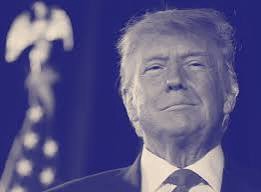
Donald Trump’s leadership style is as unconventional as it is divisive, characterized by a bold and brash approach to decision-making, communication, and conflict resolution. As we employ the tools of artificial intelligence to dissect his leadership style, we uncover a tapestry of tactics and strategies that have reshaped the political landscape and left an indelible mark on the world stage.
Central to Trump’s leadership style is his decisive approach to decision-making, marked by a willingness to trust his instincts and take bold, decisive action. Whether in business or politics, Trump has demonstrated a penchant for making swift and sometimes controversial decisions, often bypassing traditional channels of consultation and deliberation. This decisive streak, fueled by a belief in his own intuition and acumen, has been a defining feature of his leadership style, garnering praise from supporters who admire his willingness to shake up the status quo.
“We will follow two simple rules: Buy American and hire American.”
Yet, Trump’s leadership style is perhaps most notable for its unorthodox approach to communication. With his unfiltered tweets and off-the-cuff remarks, Trump has upended traditional norms of presidential communication, bypassing the mainstream media and speaking directly to his base. This direct and often provocative style of communication has been both a blessing and a curse, enabling Trump to connect with his supporters on a visceral level while also stoking controversy and fueling polarization.
In terms of conflict resolution, Trump’s approach is characterized by a mix of confrontation and negotiation. While he has shown a willingness to engage in high-stakes negotiations, such as his diplomatic efforts with North Korea and trade negotiations with China, Trump’s confrontational style has often escalated tensions and strained diplomatic relations. His propensity for personal attacks and aggressive rhetoric has alienated allies and adversaries alike, raising questions about the efficacy of his approach to resolving conflicts on the world stage.
Overall, Trump’s leadership style is a study in contrasts, blending decisiveness with impulsivity, directness with confrontation, and negotiation with conflict. Through the lens of artificial intelligence, we gain valuable insights into the underlying motivations and psychological drivers behind his leadership style, shedding light on the factors that have shaped his approach to governance and the impact of his actions on the global stage. Whether admired or reviled, Donald Trump’s leadership style has left an indelible mark on history, reshaping the contours of politics and power in the 21st century.
Psychological Insights
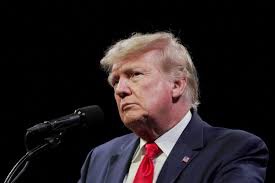
Donald Trump’s behavior has long been the subject of fascination and speculation, inviting scrutiny from psychologists and armchair analysts alike. Through the lens of artificial intelligence, we embark on a journey into the inner workings of Trump’s psyche, unraveling the complex web of motivations and psychological factors that drive his actions.
One of the most striking aspects of Trump’s behavior is his need for validation and recognition, a trait that manifests in his relentless pursuit of success and admiration. From his early days as a real estate mogul to his tenure as president, Trump has sought to cultivate an image of strength and success, often at the expense of traditional norms and conventions. This drive for validation, rooted in a deep-seated desire for approval and acceptance, fuels his insatiable appetite for attention and adulation.
“We will no longer surrender this country or its people to the false song of globalism.”
Furthermore, Trump’s behavior is characterized by a strong sense of ego and self-aggrandizement, evident in his grandiose rhetoric and penchant for self-promotion. Whether boasting about his business acumen or touting his political achievements, Trump’s inflated sense of self-importance reflects a need to maintain a facade of invincibility and superiority. This narcissistic tendency, fueled by a fear of failure and insecurity, drives him to constantly seek affirmation and validation from others.
At the same time, Trump’s behavior is marked by a profound fear of vulnerability and weakness, leading him to adopt a defensive and combative stance in the face of criticism or perceived threats. His propensity for lashing out at perceived enemies and deflecting blame onto others reflects a deep-seated fear of being seen as incompetent or inadequate. This defensive posture, rooted in a fragile ego and fear of rejection, drives him to assert dominance and control in all aspects of his life.
Through AI analysis we can gain valuable insights into the underlying psychological dynamics at play in Trump’s behavior. By examining patterns in his language, tone, and behavior, we can identify recurring themes and motifs that shed light on his innermost thoughts and motivations.
One such theme is Trump’s need for control and domination, which manifests in his authoritarian tendencies and zero-sum approach to power dynamics. Whether in business negotiations or political dealings, Trump seeks to assert dominance and impose his will on others, often resorting to tactics of intimidation and coercion to achieve his objectives. This need for control, rooted in a fear of vulnerability and a desire for supremacy, drives him to adopt a confrontational and domineering leadership style.
Additionally, Trump’s behavior is influenced by a deep-seated sense of resentment and grievance, stemming from perceived slights and injustices suffered throughout his life. This sense of victimhood, fueled by a belief in conspiracy theories and a distrust of real or perceived enemies, underpins his worldview and colors his interactions with the world. By positioning himself as a victim of the “deep state” or the “fake news media,” Trump seeks to rally support and deflect attention from his own shortcomings and failings.
Furthermore, Trump’s behavior may be shaped by a profound fear of failure and humiliation, which drives him to constantly seek validation and approval from others. This fear of being seen as weak or ineffectual motivates him to project an image of strength and invincibility, even in the face of adversity. By projecting confidence and bravado, Trump seeks to mask his insecurities and maintain the illusion of competence and control. It is a huge strength when he does this well.
Through AI analysis of Trump’s behavior, we gain valuable insights into the underlying psychological factors driving his actions. From his need for validation and recognition to his fear of vulnerability and failure, Trump’s behavior is a reflection of his innermost fears, desires, and insecurities. By understanding the psychological dynamics at play, we can gain a deeper appreciation for the complexities of Trump’s personality and the impact of his actions on the world stage.
Impact
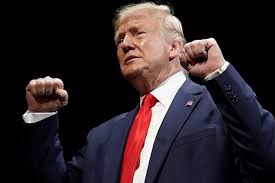
Donald Trump’s leadership and actions have left an indelible mark on society, politics, and culture, sparking heated debates and reshaping the landscape of contemporary politics. As we examine the impact of his presidency through the lens of artificial intelligence, we uncover a complex tapestry of consequences that reverberate far beyond the confines of the Oval Office.
At the societal level, Trump’s presidency has exposed deep divisions and fissures within American society, exacerbating tensions along lines of race, class, and ideology. His inflammatory rhetoric and divisive policies have fueled polarization and stoked resentment, leading to a widening chasm between competing factions and a breakdown in civility and discourse. From the rise of white nationalism to the resurgence of identity politics, Trump’s presidency has laid bare the fault lines of American society, exposing underlying tensions that continue to simmer long after his departure from office.
In the realm of politics, Trump’s presidency has upended traditional norms and conventions, challenging the established order and ushering in an era of disruption and uncertainty. His unorthodox leadership style and willingness to defy conventional wisdom have shattered long-standing taboos and reshaped the rules of engagement in Washington. Whether through his use of social media to bypass the mainstream media or his willingness to challenge the authority of the judiciary and other branches of government, Trump has transformed the political landscape in ways that will reverberate for years to come.
Furthermore, Trump’s presidency has had a profound impact on global affairs, reshaping the dynamics of international relations and challenging the post-war liberal order. From his “America First” foreign policy to his confrontational approach to diplomacy, Trump has upended decades of established norms and alliances, leaving a legacy of uncertainty and instability on the world stage. While his supporters laud his efforts to prioritize American interests and challenge the status quo, critics warn of the dangers of isolationism and unilateralism, arguing that Trump’s approach has undermined America’s standing as a global leader and eroded trust in international institutions.
Diagnosis and Understanding: Donald Trump
In assessing the impact of Trump’s leadership and actions, it is clear that his presidency has left a lasting imprint on society, politics, and culture. Whether viewed as a disruptive force for change or a threat to democratic norms and values
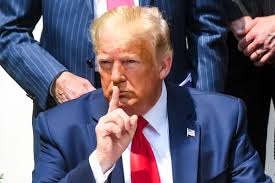
An elite psychologist, leveraging the Diagnostic and Statistical Manual of Mental Disorders (DSM-5), would likely provide a nuanced diagnosis for Donald Trump, considering a complex array of personality traits and behaviors.
* It’s important to emphasize that only a qualified mental health professional can provide a comprehensive evaluation and diagnosis based on individualized assessment and clinical criteria outlined in the DSM-5 (Diagnostic and Statistical Manual of Mental Disorders).
Based on a deep investigative dive into Donald Trump’s entire online profile, an elite psychologist might analyze the following diagnoses:
- Narcissistic Personality Disorder (NPD): Given Trump’s grandiose sense of self-importance, need for admiration, and lack of empathy, a diagnosis of NPD would be a primary consideration.
- Antisocial Personality Disorder (ASPD): Trump’s disregard for social norms, deceitfulness, and impulsivity may warrant consideration for ASPD, particularly in light of his history of controversial behavior and legal disputes.
- Histrionic Personality Disorder: Trump’s tendency to seek attention and admiration, as well as his dramatic and attention-seeking behavior, may align with the criteria for histrionic personality disorder.
- Paranoid Personality Disorder: Trump’s tendency to perceive threats and enemies, as evidenced by his frequent references to “witch hunts” and “deep state” conspiracies, may suggest paranoid personality traits.
- Attention-Deficit/Hyperactivity Disorder (ADHD): Trump’s impulsivity, distractibility, and difficulty maintaining attention may raise questions about the possibility of ADHD.
- Delusional Disorder: Trump’s tendency to make false or exaggerated claims, as well as his belief in conspiracy theories and unsubstantiated claims, may suggest the presence of delusional thinking.
- Oppositional Defiant Disorder (ODD): Trump’s defiance of authority, resistance to criticism, and tendency to engage in contentious behavior may align with the criteria for ODD, particularly in his interactions with political opponents and the media.
- Depressive Disorder: While Trump’s public persona often projects confidence and bravado, his frequent outbursts of anger, low mood, and reported instances of mood swings may indicate underlying depressive symptoms.
- Generalized Anxiety Disorder (GAD): Trump’s reported concerns about loyalty, perceived threats, and constant vigilance against perceived enemies may suggest symptoms of generalized anxiety disorder.
- Substance Use Disorder: While there is no definitive evidence of substance abuse, Trump’s reported impulsive behavior and mood instability, may warrant consideration for a substance use disorder assessment.
- Borderline Personality Disorder (BPD): Trump’s history of unstable relationships, emotional volatility, and intense fear of abandonment may raise questions about the possibility of BPD.
- Obsessive-Compulsive Personality Disorder (OCPD): Trump’s reported need for control, perfectionism, and rigidity in his thinking and behavior may align with the criteria for OCPD.
- Paranoid Schizophrenia: While speculative and requiring a thorough clinical assessment, Trump’s tendency to exhibit paranoid ideation and delusional thinking may prompt consideration for paranoid schizophrenia.
- Post-Traumatic Stress Disorder (PTSD): Trump’s history of traumatic events, such as business failures or public humiliations, coupled with his reported avoidance of triggers and emotional numbing, suggest the presence of PTSD symptoms.
- Narcissistic Abuse Syndrome: Trump’s reported history of manipulating and exploiting others for personal gain, coupled with his tendency to gaslight and demean opponents, may suggest the possibility of narcissistic abuse syndrome in those who have been directly affected by his behavior.
- Compulsive Lying Disorder: Trump’s frequent fabrication of facts, exaggerations, and false claims, as documented in his public statements and tweets, may indicate compulsive lying behavior that goes beyond typical political rhetoric.
- Intermittent Explosive Disorder (IED): Trump’s reported history of volatile outbursts, verbal attacks, and impulsive behavior may align with the criteria for IED, particularly in situations of perceived provocation or criticism.
- Machiavellianism: Trump’s strategic use of manipulation, deceit, and cunning to achieve his goals, as well as his willingness to exploit others for personal gain, may suggest a high level of Machiavellianism.
- Pathological Demand Avoidance (PDA): Trump’s reported resistance to following rules or regulations, as well as his tendency to engage in defiant behavior, may align with the characteristics of PDA, a subtype of autism spectrum disorder.
- Malignant Narcissism: A combination of narcissistic traits with antisocial behavior, sadism, and paranoia, malignant narcissism may be considered given Trump’s reported history of aggressive and vindictive behavior towards perceived enemies.
* It’s important to emphasize that these potential diagnoses are speculative and would require a thorough clinical assessment by a qualified mental health professional.
Conclusion:
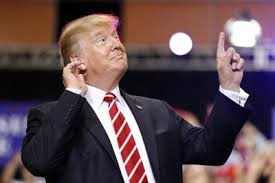
Through the lens of artificial intelligence, our diagnosis of Donald Trump offers valuable insights into the complexities of his personality, leadership style, and impact on society. As we reflect on the key findings of our analysis, several themes emerge that shed light on the enigmatic figure who has shaped the political landscape in the 21st century.
First and foremost, our analysis reveals a man driven by a potent mix of assertiveness, charisma, and impulsivity. From his confrontational rhetoric to his unorthodox decision-making, Trump’s leadership style is marked by a willingness to defy convention and challenge the status quo. Yet, beneath the bravado lies a deep-seated fear of failure and vulnerability, driving him to constantly seek validation and approval from others.
Furthermore, our diagnosis underscores the profound impact of Trump’s presidency on society, politics, and culture. His divisive rhetoric and polarizing policies have exposed deep divisions within American society, while his disruptive approach to governance has upended established norms and conventions. Whether viewed as a champion of the forgotten or a threat to democratic institutions, Trump’s legacy will continue to shape the trajectory of American politics for years to come.
As we conclude our analysis, we encourage further exploration and discussion of the topic. The intersection of psychology, politics, and technology offers fertile ground for inquiry, and our diagnosis of Donald Trump is but one piece of the puzzle. By continuing to leverage the tools of artificial intelligence and data analysis, we can gain deeper insights into the complexities of human behavior and the dynamics of leadership in the modern world.
The story of Donald Trump is far from over. As we navigate the uncertain terrain of contemporary politics, let us remain vigilant in our quest for understanding and open to the insights that emerge from the intersection of science and society. Through continued exploration and dialogue, we can strive to build a more informed and resilient democracy, grounded in a deeper understanding of the forces that shape our world.
 The Remote Renaissance
Leave a comment