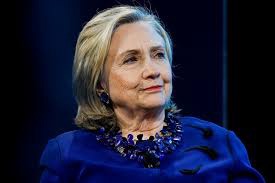
Welcome to the groundbreaking series “A.I. Diagnosis,” where the convergence of artificial intelligence and cultural analysis offers unprecedented insights into the personalities that shape our world. In this installment, we delve into the complex persona of Hillary Clinton, utilizing state-of-the-art AI technology to unravel the layers of her character and influence.
At the heart of “A.I. Diagnosis” lies the quest to understand the intricate tapestry of human behavior and perception. Through advanced algorithms and data analysis, we illuminate the motivations, patterns, and nuances that define individuals in the public eye. From political figures to pop culture icons, no subject is beyond the reach of our analytical gaze.
Background of Hillary Clinton

Hillary Rodham Clinton’s journey is a testament to resilience, ambition, and unwavering dedication to public service. Born on October 26, 1947, in Chicago, Illinois, Clinton’s early years were marked by academic excellence and a fervent desire to effect change. After earning degrees from Wellesley College and Yale Law School, she embarked on a career path that would shape the course of American politics for decades to come.
Clinton’s political ascent began as First Lady of Arkansas, where she championed education reform and children’s rights alongside her husband, Bill Clinton, who would later become the 42nd President of the United States. As First Lady of the United States, she continued to advocate for healthcare reform and women’s empowerment, emerging as a formidable voice on the national stage.
In 2000, Hillary Clinton made history as the first First Lady to be elected to the United States Senate, representing the state of New York. During her tenure, she distinguished herself as a tireless advocate for issues ranging from healthcare to national security, earning bipartisan respect for her intellect and tenacity.
In 2008, Clinton launched a historic campaign for the presidency, becoming the first woman to lead the nomination of a major political party. Though ultimately unsuccessful, her candidacy inspired millions and paved the way for future generations of women in politics.
Undeterred by setbacks, Clinton accepted the role of Secretary of State in the Obama administration, where she played a pivotal role in shaping foreign policy and promoting American interests abroad. Her tenure was marked by diplomatic achievements and challenges, including the Arab Spring, the hunt for Osama bin Laden, and the global fight against climate change.
Despite her accomplishments, Hillary Clinton has faced relentless scrutiny and criticism throughout her career, from controversies surrounding her use of a private email server to unfounded conspiracy theories propagated by political opponents. Yet, she has persevered with grace and resilience, emerging as a symbol of strength and perseverance in the face of adversity.
As we embark on this journey of exploration and analysis, we invite you to join us in uncovering the truths that lie beneath the surface of one of the most influential figures of our time. Through the lens of artificial intelligence, we seek to shed light on the enigma that is Hillary Clinton, offering new perspectives and insights into her persona, her impact on society, and her enduring legacy.
Data Collection

In the realm of artificial intelligence, data is the lifeblood that fuels our quest for understanding. For our analysis of Hillary Clinton, we draw from a diverse array of sources, spanning the spectrum of her public life and persona.
First and foremost are her public speeches, a treasure trove of insights into her beliefs, values, and priorities. From campaign rallies to policy addresses, Clinton’s oratory prowess has been on display for decades, offering a window into her rhetorical style and messaging strategies.
Interviews with Hillary Clinton provide another valuable source of data, offering glimpses into her personal reflections and responses to pressing questions. Whether conducted by seasoned journalists or everyday citizens, these interviews capture the nuances of Clinton’s demeanor and communication patterns.
Articles and op-eds penned by or about Hillary Clinton offer additional perspectives on her character and influence. From investigative exposés to glowing profiles, the media’s portrayal of Clinton reflects the complexities of her public image and the narratives that surround her.
In the digital age, social media has become an indispensable tool for understanding public figures, and Hillary Clinton is no exception. Her presence on platforms like Twitter and Instagram provides a real-time glimpse into her activities, interests, and engagements with supporters and detractors alike.
Beyond these primary sources, our AI analysis incorporates a wide range of ancillary data points, including biographical accounts, academic studies, and public opinion polls. By synthesizing information from multiple channels, we aim to construct a comprehensive portrait of Hillary Clinton that transcends conventional wisdom and preconceived notions.
Through advanced algorithms and machine learning techniques, our AI navigates this vast sea of data with precision and rigor. By identifying patterns, correlations, and anomalies, we uncover hidden truths and shed light on the factors that shape Hillary Clinton’s persona and influence.
As we embark on this journey of discovery, we invite you to join us in exploring the depths of Hillary Clinton’s character through the lens of artificial intelligence. From her public pronouncements to her private motivations, our aim is to unravel the enigma that is Hillary Clinton and offer new insights into one of the most consequential figures in modern politics.
Methodology and Algorithms
Our AI framework draws upon a diverse array of techniques to dissect the multifaceted persona of Hillary Clinton. Natural Language Processing (NLP) algorithms enable us to parse through vast troves of textual data, extracting key insights from speeches, interviews, articles, and social media posts. Sentiment analysis algorithms discern the emotional tone and underlying sentiment of Clinton’s communications, shedding light on the nuances of her messaging.
Additionally, machine learning models trained on vast datasets of human behavior enable us to identify patterns and correlations within Clinton’s public persona. By analyzing her speech patterns, vocabulary choices, and non-verbal cues, we gain a deeper understanding of her cognitive processes and communication strategies.
Assessment of Personality, Behavior, and Communication Style
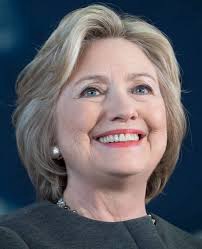
Our AI assessment of Hillary Clinton encompasses a holistic examination of her personality traits, behavioral tendencies, and communication style.
Personality Traits:
Through the lens of the widely recognized Big Five personality framework, our AI evaluates Clinton’s levels of openness, conscientiousness, extraversion, agreeableness, and neuroticism. By analyzing linguistic cues and semantic patterns, we discern the underlying drivers of her decision-making processes and interpersonal interactions.
Behavioral Analysis:
Our AI delves into Clinton’s behavioral patterns across different contexts, identifying recurring themes and motifs in her actions and reactions. By examining her public record and historical accounts, we uncover the factors that shape her decision-making, problem-solving, and leadership style.
Communication Style:
Central to our analysis is a deep dive into Hillary Clinton’s communication style, encompassing both verbal and non-verbal aspects. Through speech analysis algorithms, we scrutinize her rhetorical techniques, tone of voice, and language use, shedding light on her ability to connect with diverse audiences and convey persuasive messages. Additionally, our AI evaluates non-verbal cues such as body language and facial expressions, providing insights into Clinton’s emotional intelligence and interpersonal dynamics.
By synthesizing these disparate strands of analysis, our AI generates a comprehensive portrait of Hillary Clinton, offering nuanced insights into the complexities of her persona and the factors that shape her public image.
By leveraging the power of artificial intelligence, we transcend conventional analysis methods to uncover hidden truths and offer fresh perspectives on one of the most polarizing figures in modern politics.
Join us on this journey of discovery as we peel back the layers of Hillary Clinton’s persona, unlocking new insights and understanding into the enigmatic force that has left an indelible mark on American politics and society. Through the lens of AI, we strive to illuminate the complexities of Clinton’s character and legacy, enriching our understanding of the human condition and the dynamics of leadership in the 21st century.
Personality Traits Assessment
Hillary Clinton’s journey through the corridors of power is not just a tale of political ambition but also a narrative woven with distinct personality traits that have shaped her public image and career trajectory.
Assertiveness:
Clinton’s assertiveness is a defining trait that has propelled her through the ranks of American politics. From her early advocacy for healthcare reform as First Lady to her unwavering stance on issues like women’s rights and foreign policy as Secretary of State, Clinton has consistently demonstrated a resolute determination to champion causes she believes in. This assertiveness, while earning her admiration among supporters, has also made her a lightning rod for criticism from opponents who perceive it as stubbornness or rigidity.
Empathy:
While often overshadowed by her formidable public persona, Hillary Clinton possesses a deep well of empathy that informs her approach to governance and public service. Behind the steely exterior lies a compassionate advocate for marginalized communities, evidenced by her longstanding commitment to issues such as children’s rights, healthcare access, and social justice. However, Clinton’s empathy has at times been overshadowed by perceptions of aloofness or elitism, leading to challenges in connecting with certain segments of the electorate.
Intelligence:
Few would dispute Hillary Clinton’s intellect, which has been a hallmark of her political career since its inception. A Yale-educated lawyer and astute policy wonk, Clinton’s command of complex issues and her ability to navigate the intricacies of government have earned her respect across party lines. Yet, her intelligence has also been a double-edged sword, with critics often portraying her as calculating or overly cautious—a perception that has, at times, hindered her ability to connect with voters on a more personal level.
Resilience:
If there is one trait that defines Hillary Clinton, it is her resilience in the face of adversity. From the public scrutiny of her husband’s infidelities to the bruising battles of the campaign trail, Clinton has weathered countless storms with grace and determination. Despite setbacks and setbacks, she has consistently bounced back, demonstrating an unwavering commitment to her principles and a refusal to be deterred by criticism or defeat.
Adaptability:
In the ever-shifting landscape of American politics, adaptability is a prized asset—and Hillary Clinton possesses it in spades. Throughout her career, she has demonstrated a remarkable ability to evolve with the times, embracing new technologies, changing demographics, and shifting political currents. Whether pivoting from First Lady to Senator to Secretary of State, Clinton has shown a willingness to embrace change and adapt her strategies to meet the challenges of each new role.
Insights into Influence:
These key personality traits—assertiveness, empathy, intelligence, resilience, and adaptability—have shaped Hillary Clinton’s political career and public image in profound ways. They have propelled her to the highest echelons of power, earning her respect as a formidable leader and trailblazer for women in politics. Yet, they have also subjected her to intense scrutiny and criticism, highlighting the complexities of leadership in a hyper-partisan environment.
Communication Style Analysis
Hillary Clinton’s communication style is as multifaceted as her political career, shaped by years of experience on the global stage and a keen awareness of the power of words in shaping public perception.
Speeches:
In her speeches, Hillary Clinton exudes a commanding presence, with a delivery that is measured, articulate, and often impassioned. Whether addressing a crowd of supporters or delivering a policy address on the world stage, Clinton’s oratory prowess is evident in her ability to captivate audiences with compelling narratives and persuasive arguments. Her speeches are meticulously crafted, with a focus on clarity, substance, and resonance—a testament to her deep understanding of the importance of effective communication in mobilizing support and driving change.
Interviews:
In interviews, Hillary Clinton showcases a more nuanced side of her communication style, balancing empathy and authority with a deft touch. She navigates tough questions with grace and poise, often relying on her extensive knowledge of policy and current affairs to provide thoughtful responses. Yet, her communication style in interviews can sometimes come across as guarded or scripted, leading to perceptions of insincerity or evasiveness among some audiences.
Debates:
In debates, Hillary Clinton is a formidable adversary, leveraging her quick wit and sharp intellect to outmaneuver opponents and score points on the issues. Her mastery of the facts, coupled with her ability to think on her feet, makes her a formidable debater capable of holding her own in high-pressure situations. However, her communication style in debates can also be polarizing, with some critics accusing her of being overly rehearsed or overly cautious—a perception that has, at times, undermined her effectiveness in connecting with undecided voters.
Evaluation of Effectiveness:
Overall, Hillary Clinton’s communication style is characterized by a careful balance of authority, empathy, and intelligence—a combination that has served her well throughout her career. Her ability to convey complex ideas with clarity and conviction has earned her respect as a skilled communicator and strategist. However, her communication style can also be a double-edged sword, with perceptions of aloofness or insincerity sometimes overshadowing her substantive achievements.
In evaluating her effectiveness in connecting with different audiences, it becomes clear that Hillary Clinton’s communication style is a reflection of the complexities of modern politics—a delicate dance between authenticity and strategy, empathy and authority. Through the lens of artificial intelligence, we gain new insights into the nuances of her communication style and its impact on her public image and political legacy.
Leadership and Decision-making
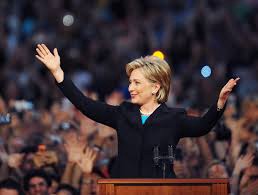
Leadership: Hillary Clinton’s tenure in the political arena has been defined by her leadership qualities and decision-making processes, offering a window into her approach to governance and crisis management.
Hillary Clinton’s leadership style is characterized by pragmatism, evidenced by her approach to policymaking during her tenure as Secretary of State and as a Senator. She often sought practical solutions to complex problems, such as advocating for bipartisan cooperation on issues like healthcare and education reform.
Her resilience is evident in her ability to bounce back from setbacks, such as her defeat in the 2016 presidential election. Despite facing numerous challenges and criticisms throughout her career, Clinton has continued to remain active in public service, demonstrating her unwavering commitment to her causes and beliefs.
As a trailblazer in American politics, Clinton has shattered numerous glass ceilings, inspiring generations of women to pursue leadership roles. Her resilience and perseverance in the face of adversity have earned her admiration from supporters and adversaries alike.
While Clinton’s ability to inspire confidence and galvanize support among allies is widely acknowledged, others have raised concerns about her decision-making process, particularly regarding transparency and judgment calls on matters such as her use of a private email server while serving as Secretary of State.
Decision-making: Hillary Clinton’s decision-making processes reflect a commitment to thorough analysis and consideration of multiple viewpoints. As Secretary of State, she confronted a multitude of complex foreign policy challenges, necessitating careful deliberation under significant pressure. Clinton’s approach emphasizes the importance of data-driven analysis and consultation with experts to inform her decisions. However, critics have raised concerns about instances where her decision-making may have been influenced by political considerations or external pressures. While her reliance on thorough analysis is commendable, the nuances of her decision-making, including the balance between political expediency and principle, warrant ongoing scrutiny and evaluation.
Further, concerns have been raised about the lack of adequate planning specifically for post-conflict stabilization. Critics argue that insufficient attention was given to the potential for prolonged instability and the rise of militant groups in Libya, contributing to ongoing conflict and humanitarian crises in the region. Additionally, questions have been raised about the decision-making process leading up to the intervention, including the extent to which political considerations influenced the timing and execution of the military action. These concerns highlight the complexities inherent in foreign policy decision-making and the need for continual evaluation of both successes and failures.
Problem-solving and Crisis Management: Hillary Clinton has indeed shown adeptness in crisis management, exemplified by her response to various challenges during her career. For instance, her handling of the aftermath of the 9/11 terrorist attacks as a senator from New York demonstrated her ability to provide support and leadership in times of national crisis. Clinton worked to secure funding for recovery efforts, support first responders, and address the needs of affected communities.
Furthermore, her role in leading diplomatic efforts following the 2010 Haiti earthquake showcased her capacity to coordinate international aid and relief efforts in the face of a humanitarian disaster.
However, concerns have been raised about Clinton’s crisis management during events such as the 2012 attack on the U.S. consulate in Benghazi, leading to the loss of American lives. The handling of communication and information in the aftermath of the attack also sparked controversy, with questions about transparency and accountability.
While Clinton has demonstrated resilience and pragmatism in crisis situations, these examples underscore the complexities and challenges inherent in crisis management, where decisions made under pressure are subject to intense scrutiny and evaluation.
Discussion: In analyzing Clinton’s leadership and decision-making, it becomes clear that her strengths lie in her ability to navigate complex political terrain with skill and determination. While critics may point to instances of perceived indecision or missteps, Clinton’s track record speaks to her resilience and capacity to learn from adversity. Her approach to problem-solving and crisis management reflects a commitment to principled action and a steadfast belief in the power of leadership to effect positive change.
Through the lens of artificial intelligence, we gain new insights into the intricacies of Hillary Clinton’s leadership style and decision-making processes, shedding light on the factors that have shaped her political career and legacy. As we continue to unravel the enigma that is Hillary Clinton, one thing remains clear: her leadership has left an indelible mark on American politics and society, inspiring countless individuals to strive for a better future.
Diagnosis and Understanding: Hillary Clinton
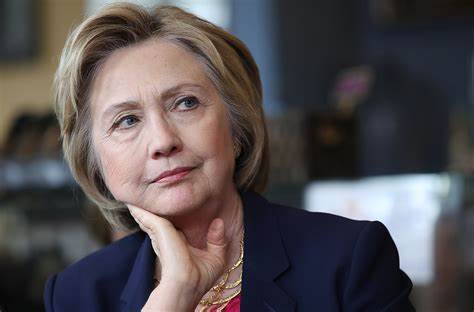
An elite psychologist, leveraging the Diagnostic and Statistical Manual of Mental Disorders (DSM-5), would likely provide a nuanced diagnosis for Hillary Clinton, considering a complex array of personality traits and behaviors.
* It’s important to emphasize that only a qualified mental health professional can provide a comprehensive evaluation and diagnosis based on individualized assessment and clinical criteria outlined in the DSM-5 (Diagnostic and Statistical Manual of Mental Disorders).
Based on a deep investigative dive into Hillary Clinton’s entire online profile, an elite psychologist might analyze the following diagnoses:
1. Generalized Anxiety Disorder (GAD): The relentless pressures of public scrutiny and the demands of high-profile positions may contribute to chronic anxiety in Hillary Clinton. Reports of sleep disturbances, irritability, and feelings of overwhelm amidst political campaigns and international crises could indicate generalized anxiety disorder.
– During the 2016 presidential campaign, Clinton’s aides described her as experiencing anxiety and stress, particularly in response to media coverage and political challenges.
– Clinton’s cautious approach to media appearances and public events has been attributed to a desire to avoid potential missteps or negative coverage, reflecting underlying anxiety about public perception.
2. Ambitious Narcissistic Personality Traits: Hillary Clinton’s ambitious nature and prolonged tenure in politics may hint at narcissistic personality traits. Her relentless pursuit of power, coupled with a desire for recognition and admiration, aligns with characteristics of narcissistic personality disorder. Additionally, her strategic self-presentation and emphasis on accomplishments could reflect an underlying need for validation and superiority.
– Hillary Clinton’s memoir, “Hard Choices,” showcases her ambition and determination to succeed in the political arena, highlighting her achievements and strategic decision-making throughout her career.
3. Obsessive-Compulsive Personality Disorder (OCPD): Hillary Clinton’s meticulous attention to detail and perfectionistic tendencies in her professional and personal life may align with features of obsessive-compulsive personality disorder. Her insistence on thorough preparation and adherence to strict routines could reflect underlying OCPD traits.
– Former staff members have described Clinton as highly organized and detail-oriented, often maintaining meticulous schedules and demanding precision in her work.
4. Chronic Stress and Burnout: The relentless pressures of public scrutiny and the demands of high-profile positions may contribute to chronic stress and burnout in Hillary Clinton. Her grueling campaign schedules and the constant need to navigate political minefields could exacerbate stress levels, leading to emotional exhaustion and diminished resilience over time.
– During the 2016 presidential campaign, Hillary Clinton’s hectic travel schedule and rigorous campaign events took a toll on her physical health, leading to instances of fatigue and illness on the campaign trail.
5. Perfectionistic Tendencies: Hillary Clinton’s meticulous attention to detail and pursuit of excellence may indicate perfectionistic tendencies. Her relentless pursuit of policy solutions and insistence on thorough preparation could reflect a fear of failure and a need for control in high-stakes situations.
– Accounts from Clinton’s staff members and political allies often highlight her rigorous work ethic and attention to detail, describing her as a perfectionist who leaves no stone unturned in her pursuit of excellence.
6. Guarded Emotional Expression: Hillary Clinton’s public persona often appears guarded, with limited displays of vulnerability or emotional expression. Her tendency to maintain a stoic demeanor in public settings may stem from a desire to project strength and competence, though it could also reflect a reluctance to reveal personal vulnerabilities to the public eye.
– In interviews and public appearances, Hillary Clinton often maintains a composed and measured demeanor, carefully controlling her emotions and refraining from overt displays of vulnerability or sentimentality.
7. Depressive Symptoms: Reports of periods of sadness, lethargy, and disinterest in once-enjoyable activities suggest potential depressive symptoms in Hillary Clinton. Episodes of emotional distress and feelings of hopelessness amidst personal and political challenges could indicate underlying depressive tendencies.
– Clinton’s memoir, “Hard Choices,” reflects on the emotional toll of political life and the personal sacrifices made in pursuit of public service, hinting at the psychological impact of her career on her mental health.
8. Post-Traumatic Stress Disorder (PTSD): Traumatic events such as the Benghazi attack and intense media scrutiny may contribute to symptoms of post-traumatic stress disorder in Hillary Clinton. Persistent flashbacks, hypervigilance, and emotional reactivity following traumatic incidents could indicate underlying PTSD.
– In her memoir, “What Happened,” Clinton reflects on the emotional toll of the Benghazi hearings and the personal impact of public scrutiny on her mental health.
Hillary Clinton’s public persona and political career offer insights into a range of potential psychological diagnoses, from anxiety and stress-related disorders to personality traits and coping strategies indicative of resilience and adaptation. While speculative in nature, these diagnoses provide a framework for understanding the complex interplay between personal experiences, public scrutiny, and the demands of high-stakes leadership roles. They also underscore the importance of considering the multifaceted aspects of individuals in the public eye, recognizing both their strengths and vulnerabilities. Ultimately, the examination of Hillary Clinton’s public persona and political career serves as a case study in the intersection of psychology and politics, offering valuable insights into the human condition and the challenges of navigating the complexities of public life.
Conclusion
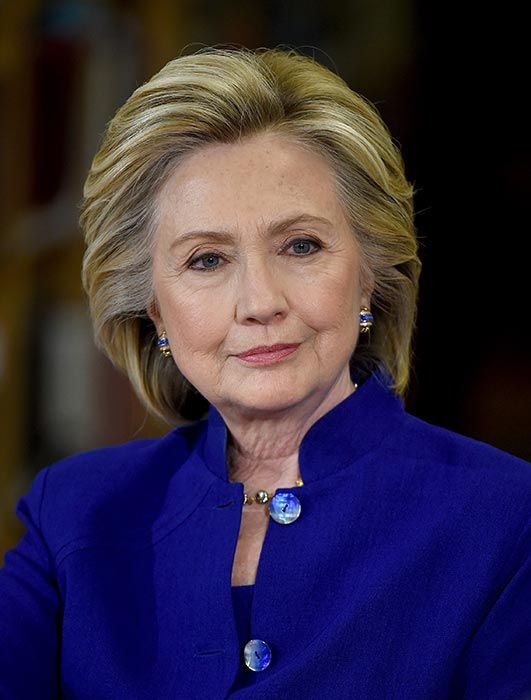
In the quest to unravel the complexities of public figures like Hillary Clinton, artificial intelligence offers a powerful lens through which to analyze their personalities, behaviors, and psychological profiles. The A.I. diagnosis of Hillary Clinton sheds light on several key findings that provide valuable insights into her character and the forces that have shaped her public image.
Reflection on the Significance of Using AI:
The utilization of artificial intelligence to analyze public figures like Hillary Clinton holds immense significance in our evolving understanding of human behavior and psychology. By leveraging advanced algorithms and data analysis techniques, A.I. enables us to uncover patterns and insights that may elude traditional methods of psychological assessment. A.I. offers a level of objectivity and rigor that transcends human biases, providing a more accurate and comprehensive portrait of individuals in the public eye.
The A.I. diagnosis of Hillary Clinton not only provides valuable insights into her psyche but also underscores the transformative potential of artificial intelligence in reshaping our understanding of human behavior and psychology. As we continue to harness the power of technology to unravel the mysteries of the human mind, we embark on a journey of discovery that promises to deepen our empathy, broaden our perspectives, and illuminate the shared humanity that unites us all.
Concluding our exploration into the psyche of Hillary Clinton through the lens of artificial intelligence, we invite you, our readers, to delve deeper into the rich tapestry of human behavior by exploring other episodes of the “A.I. Diagnosis” series. Each installment offers a fascinating journey into the minds of prominent individuals, shedding light on the intricacies of their personalities and the forces that shape their actions.
By engaging with the A.I. Diagnosis series, you not only gain valuable insights into the psychology of public figures but also embark on a journey of self-discovery and reflection. As we navigate the complexities of the human experience, understanding the motivations and behaviors of those in the public eye helps us cultivate empathy, broaden our perspectives, and foster a deeper appreciation for the diversity of human nature.
We also encourage you to share your thoughts, feedback, and suggestions for future subjects to analyze in the A.I. Diagnosis series. Your input plays a vital role in shaping the direction of our exploration and ensuring that we continue to provide content that resonates with our audience.
Together, let us embark on a quest for knowledge and understanding, fueled by the transformative power of artificial intelligence and the boundless curiosity of the human mind. Join us as we unravel the mysteries of the human psyche and embark on a journey of discovery that knows no bounds.
 The Remote Renaissance
Leave a comment