
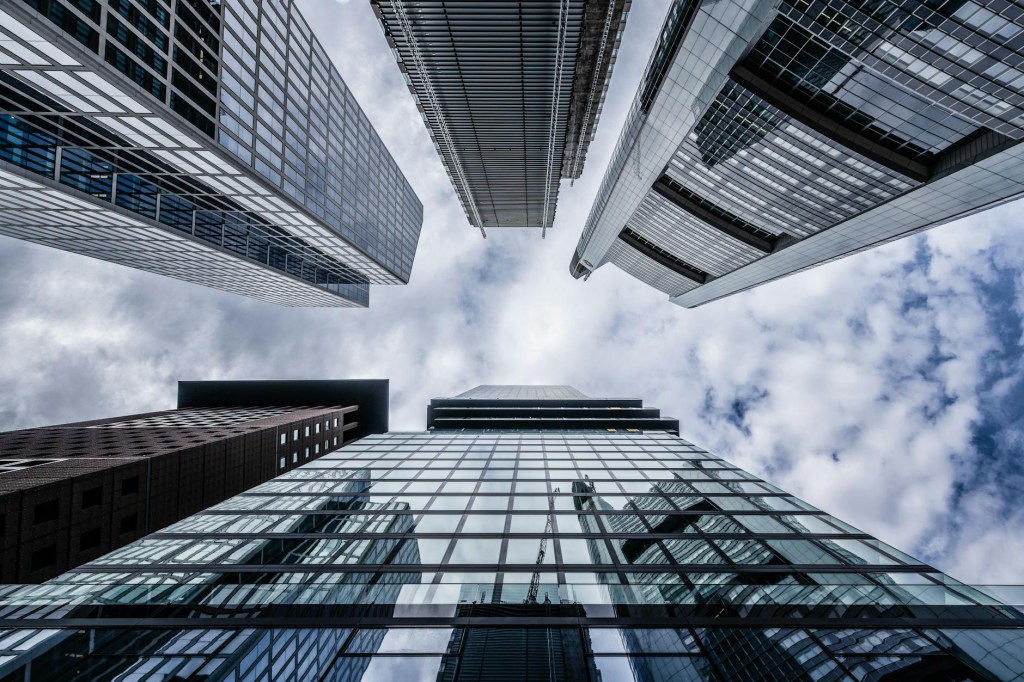
Setting the Stage: The Rise of Remote Work
Let’s acknowledge that a shift has reshaped the landscape of the traditional workplace. The once familiar sight of bustling office buildings may be back, but many maintained the hum of laptops and the glow of screens from the comfort of home. Remote work, once considered a luxury reserved for a select few, has become the new norm for millions around the globe.
The allure of remote work is undeniable. It offers freedom from the daily commute, flexibility in managing one’s schedule, and a better work-life balance. Companies have embraced this trend, touting its benefits for employee morale, productivity, and even cost savings. Yet, amidst the widespread adoption of remote work, a shadowy resistance has emerged, lurking just beneath the surface.
Teasing the Mystery: Why are Some Resisting?
As the remote work revolution unfolds, it begs the question: why are some entities pushing back against this seemingly inevitable tide of change? The answer lies in the complex interplay of power dynamics, entrenched interests, and fear of the unknown.
For some, the resistance stems from a fear of losing control. The traditional office environment provided a sense of structure and oversight, allowing managers to monitor their employees’ every move. With remote work, this control slips away, replaced by a reliance on trust and autonomy. This shift challenges the established order, stirring unease among those who benefit from maintaining the status quo.
Moreover, there are vested interests at play, deeply entrenched in the fabric of the commercial real estate industry. For landlords and property developers, the rise of remote work poses a direct threat to their bottom line. Empty office buildings translate to lost revenue, while the prospect of a commercial real estate downturn looms ever closer.
But perhaps most insidious of all is the subtle manipulation of public perception. Through carefully crafted narratives and media campaigns, the resistance seeks to sow doubt and uncertainty, painting remote work as a temporary fad or a productivity drain. By casting doubt on its efficacy, they hope to slow the momentum of change and preserve their own interests.
As we delve deeper into the shadows, we uncover a web of intrigue and deception, where powerful forces conspire to maintain their grip on the traditional workplace. But the truth cannot remain hidden forever. In the pages that follow, we will shine a light on this dark truth, exposing the shadowy resistance to remote work and the impending commercial real estate catastrophe.
The Illusion of Control: Unveiling the Shadowy Resistance

Unraveling the Psychological Resistance to Change
As we delve deeper into the resistance against remote work, we encounter a psychological barrier that looms large in the collective consciousness of organizations: the fear of change. Change, by its very nature, is unsettling. It disrupts routines, challenges comfort zones, and introduces uncertainty into the equation. For many individuals and institutions, the prospect of abandoning the familiar rhythms of the traditional office setting is a daunting one.
The Fear of Losing Control: Uncovering the Power Dynamics
Central to the resistance against remote work is the fear of losing control. In the traditional office environment, managers wielded authority through proximity, able to monitor their employees’ activities and maintain a sense of oversight. With the shift to remote work, this control dissipates, replaced by a reliance on trust and autonomy. This change unsettles established power dynamics, leaving some clinging desperately to the illusion of control that the office once provided.
Exposing the Hidden Agendas: Who Benefits from Resistance?
As we peel back the layers of resistance, we uncover hidden agendas at play, driven by vested interests and economic imperatives. Landlords and property developers, for example, stand to lose significant revenue in a world where office spaces sit empty. Their resistance to remote work is rooted not in principle, but in self-preservation. Similarly, certain corporate entities may resist remote work to maintain the status quo, reluctant to relinquish the control and oversight they once enjoyed.
In shining a light on these hidden agendas, we begin to understand the true motivations behind the resistance to remote work. It is not merely a matter of preference or practicality, but a complex interplay of power dynamics, economic interests, and psychological barriers. Only by confronting these truths head-on can we hope to navigate the path forward towards a more equitable and sustainable future of work.
The Commercial Real Estate Dilemma: A Ticking Time Bomb

The Traditional Workspace Paradigm: Its Fragile Foundation
For decades, the bustling office spaces and towering skyscrapers have been the beating heart of corporate America. But beneath this facade of prosperity lies a fragile foundation built on long-term leases and hefty rents. The traditional workspace paradigm, once a symbol of stability and success, now teeters on the brink of collapse. As the world embraces remote work and virtual collaboration, the demand for physical office space wanes, leaving landlords and property developers scrambling to fill vacancies and maintain profitability.
The Remote Work Revolution: Collapse of Commercial Real Estate Industry
The remote work revolution has ushered in a new era of flexibility and freedom for workers, but it has also exposed the vulnerabilities of the commercial real estate industry. With office vacancies on the rise and property values plummeting, the specter of a collapse looms large on the horizon. The implications of such a collapse extend far beyond the corporate world, with ripple effects that could destabilize the economy as a whole. The government, keenly aware of the potential fallout, is hesitant to see the commercial real estate industry falter. From lost tax revenue to widespread unemployment, the consequences of a collapse would be dire indeed.
A Bail-Out: What It Would Look Like If the US Government Had to Bail Out the Corporate Real Estate Industry
In the event of a commercial real estate collapse, the US government would face a daunting challenge: how to stem the tide of economic devastation and restore stability to the market. A bailout, similar to those provided to the banking and automotive industries during times of crisis, would likely be on the table. Such a bailout could take many forms, from direct financial assistance to struggling landlords and property developers to incentives for companies to return to physical office spaces. However, the prospect of a bailout raises thorny questions about moral hazard and the role of government intervention in the free market. Would a bailout simply prolong the inevitable, or would it provide the breathing room needed for the industry to reinvent itself for the digital age? These are questions that policymakers must grapple with as they confront the looming threat of a commercial real estate catastrophe.
Peeling Back the Layers: The Interconnected Web of Influence

Corporate Interests: Protecting the Status Quo
Behind the scenes of the resistance to remote work lies a labyrinth of corporate interests, each with its own stake in preserving the status quo. For some companies, the traditional office environment represents more than just a place of work – it’s a symbol of corporate identity and culture. The thought of dismantling this structure, with its hierarchies and power dynamics, is met with resistance from those invested in maintaining the existing order. Additionally, there are financial considerations at play. Landlords and property developers, reliant on the steady income from office leases, have a vested interest in thwarting the shift to remote work to protect their bottom line. In the face of mounting pressure to adapt, these corporate interests dig in their heels, determined to cling to the familiar comforts of the past.
Political Entanglements: Lobbying Against Change
The resistance to remote work is not confined to the boardrooms of corporate America; it extends to the hallowed halls of government as well. Political entanglements, fueled by lobbying efforts and campaign contributions, shape the legislative landscape in ways that protect the interests of the powerful. In the case of remote work, this manifests in policies and regulations that favor the traditional office model over its remote counterpart. Lobbying groups, representing the interests of landlords, property developers, and other stakeholders in the commercial real estate industry, wield significant influence over lawmakers, shaping the discourse around remote work and stifling efforts to enact meaningful change. As a result, the transition to remote work is hindered by bureaucratic red tape and outdated regulations, leaving workers and businesses alike trapped in a system designed to preserve the status quo at any cost.
Media Narratives: Shaping Perceptions and Fears
In the age of 24-hour news cycles and social media saturation, media narratives play a crucial role in shaping public perception. When it comes to remote work, these narratives are often shaped by powerful interests seeking to advance their own agenda. Through carefully crafted messaging and strategic placement, media outlets paint remote work as a threat to productivity, collaboration, and even mental health. By amplifying fears and highlighting isolated incidents of remote work gone awry, they sow doubt and uncertainty in the minds of the public, reinforcing the resistance to change. Meanwhile, alternative perspectives – those that champion the benefits of remote work and advocate for its widespread adoption – are marginalized or ignored altogether. In this way, the media becomes complicit in perpetuating the shadowy resistance to remote work, amplifying the voices of the powerful while silencing those who seek to challenge the status quo.
The Path Forward: Navigating the Shadows towards a Solution

Embracing Change: Adapting to the Remote Work Reality
As we stand at the crossroads of the remote work revolution, the path forward requires a willingness to embrace change and adapt to the new realities of the modern workplace. Remote work is not merely a temporary trend, but a fundamental shift in how we approach work and productivity. By embracing this change, companies can unlock a world of possibilities, from increased flexibility and productivity to reduced overhead costs. It’s time to cast aside the outdated notion of the traditional office and embrace the freedom and autonomy that remote work affords.
Redefining Commercial Real Estate: Innovating for the Future
The impending commercial real estate catastrophe demands a radical reimagining of the way we think about space and infrastructure. Instead of clinging to the past, we must look to the future and innovate accordingly. This means repurposing existing office buildings for new uses, such as mixed-use developments or affordable housing. It means investing in technology and infrastructure that support remote work and virtual collaboration. And it means redefining the role of commercial real estate in the digital age, shifting from a focus on physical space to one centered around connectivity and community.
Overcoming Resistance: Empowering Individuals and Organizations
The shadowy resistance to remote work may be formidable, but it is not insurmountable. By empowering individuals and organizations to advocate for change, we can overcome the entrenched interests that seek to preserve the status quo. This means providing support and resources for remote workers, from training and professional development to access to affordable coworking spaces. It means fostering a culture of trust and autonomy within organizations, where remote work is not just tolerated, but embraced as a core principle. And it means holding landlords, property developers, and other stakeholders accountable for their role in perpetuating the resistance to change. Together, we can navigate the shadows towards a brighter future, one where remote work is not just a possibility, but a reality for all.
Conclusion

The Light at the End of the Tunnel: Hope in the Face of Adversity
Despite the shadowy resistance and the looming threat of a commercial real estate catastrophe, there is reason to hope. Change is not only possible but inevitable in the face of shifting paradigms and evolving societal norms. As we navigate the uncertain terrain of the modern workplace, we must hold fast to the belief that a brighter future awaits on the horizon. It may be obscured by the clouds of resistance, but the light at the end of the tunnel shines ever brighter, guiding us towards a new dawn of possibility.
Towards a Brighter, More Resilient Future
Hope alone is not enough; action is required to effect meaningful change. It falls upon us, as individuals and as a society, to take proactive steps towards building a brighter, more resilient future. This means advocating for policies and practices that support remote work and innovation in the commercial real estate industry. It means holding accountable those who seek to preserve the status quo at the expense of progress. And it means fostering a culture of collaboration and creativity, where new ideas can flourish and old paradigms can be challenged.
Joining the Movement: Uniting for Change
In the face of adversity, unity is our greatest strength. We must come together as a community – workers, employers, policymakers, and activists – to confront the shadowy resistance head-on. By joining forces and amplifying our voices, we can overcome the obstacles that stand in the way of progress. Together, we can build a future where remote work is not just a privilege for the few, but a reality for all. It’s time to step out of the shadows and into the light of a brighter, more equitable future.
 The Remote Renaissance
Leave a comment