WFH Revolution

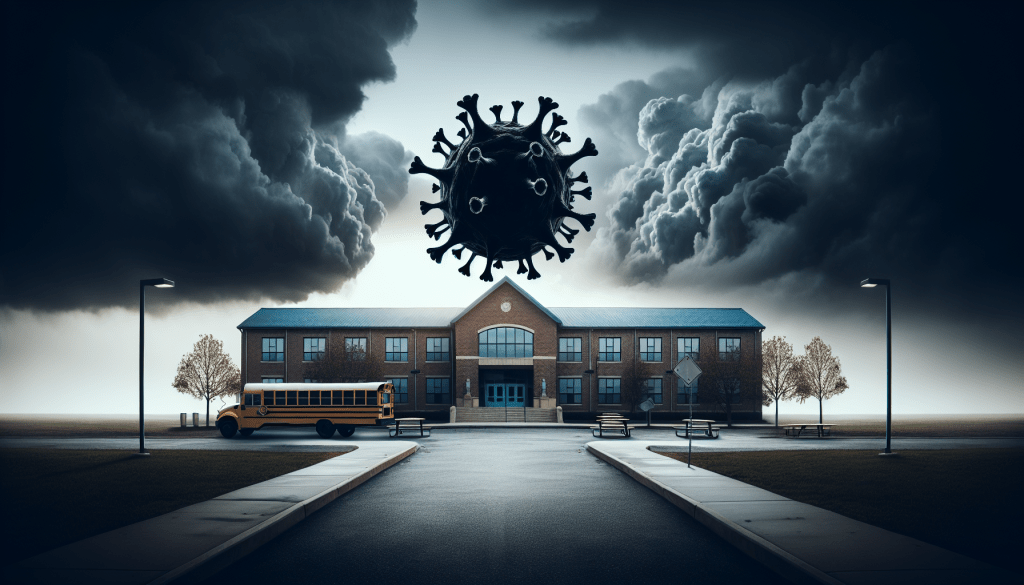
The potential threat of bird flu causing a school shutdown looms large in our collective consciousness, sparking concerns about the safety and well-being of students, teachers, and staff. The recent discovery of bird flu in dairy cows and its subsequent transmission to a dairy farmer has heightened fears of a zoonotic outbreak with far-reaching implications. As we grapple with the possibility of another pandemic school year, it is essential to understand the severity of bird flu to humans and the potential for transmission within educational settings. This article explores the implications of bird flu on school safety and the urgent need for preparedness and mitigation strategies to prevent the spread of the disease.
Setting the Stage: Recalling the Challenges of the Previous Pandemic School Year
Reflecting on the challenges of the previous pandemic school year provides valuable insight into the adaptability and resilience required in uncertain times. As the world embraced the challenges of a pandemic so to did educators, parents, and students navigate this uncharted territory. The sudden shift to remote work, changes in consumer behavior, and economic instability profoundly impacted our entire world.
“H5N1 is (an) influenza infection, predominantly started in poultry and ducks and has spread effectively over the course of the last one or two years to become a global zoonotic – animal – pandemic,” Dr. Jeremy Farrar, chief scientist at the World Health Organization (WHO)
The Looming Uncertainty: Bird Flu Concerns in Dairy Cows and Its Implications
While the challenges of the previous pandemic school year remain fresh in our minds, new uncertainties emerge on the horizon. The recent discovery of bird flu in dairy cows serves as a stark reminder of the interconnectedness of global events and their potential to disrupt industries far beyond healthcare and agriculture. As Americans contemplate the implications of this latest development, they must also grapple with the ongoing effects of the COVID-19 pandemic and other emergent threats.
Previewing the Investigation: Assessing Readiness Among Parents, Teachers, Schools, and Children
As the specter of another pandemic school year looms, it becomes imperative to gauge the preparedness and resilience of key stakeholders within the education ecosystem. From parents to teachers, schools, and children themselves, each plays a vital role in navigating the challenges that lie ahead. By examining the readiness of these individuals and institutions, we can gain valuable insights into the potential strategies and support systems needed to confront and overcome the uncertainties of the future. Let’s delve into the investigation, exploring the strengths, vulnerabilities, and opportunities for growth within our educational communities as we brace for the road ahead.
Bird Flu in Dairy Cows: What Are the Implications?

The recent discovery of bird flu in dairy cows has sent shockwaves through the agricultural and public health communities alike. This zoonotic disease, typically associated with poultry, poses significant risks when transmitted to mammals such as cows and, ultimately, humans. The situation is further compounded by reports of a dairy farmer contracting the disease from an infected cow, highlighting the potential for human-to-animal transmission and raising concerns about the severity of the outbreak.
Zoonotic Perspective: Understanding the Risks
Bird flu, or avian influenza, is caused by influenza viruses that primarily affect birds. When these viruses mutate and spread to mammals, including humans, they can cause severe illness and even death. The transmission of bird flu from dairy cows to humans underscores the interconnectedness of human and animal health and the risks posed by zoonotic diseases. As humans come into close contact with infected animals, whether through farming practices or consumption of contaminated products, the potential for transmission and spread of the disease increases significantly.
“I don’t have a lot of faith that those vaccines will offer a great deal of protection,” Michael Osterholm, Center for Infectious Disease Research and Policy and the University of Minnesota
Severity of Bird Flu to Humans: Infection Rates, Death Rates, and Beyond
The severity of bird flu to humans cannot be understated. While human cases are relatively rare compared to infections in birds, the disease can be highly pathogenic and result in severe illness and death. Infection rates vary depending on the specific strain of the virus, with some strains exhibiting higher rates of transmission and more severe symptoms than others. The mortality rate for human cases of bird flu is also a cause for concern, as it can be significantly higher than that of seasonal influenza. Additionally, there is the potential for the virus to undergo further mutations, potentially leading to increased transmissibility and virulence.
Pandemic X: A Looming Threat?
The emergence of bird flu in dairy cows raises the specter of a potential pandemic, dubbed “Pandemic X.” This scenario, in which a zoonotic disease spreads rapidly and uncontrollably among humans, poses a significant threat to global health security. The interconnected nature of our modern world, coupled with factors such as urbanization, international travel, and agricultural practices, creates fertile ground for the emergence and spread of pandemics. As such, it is imperative that governments, public health organizations, and the agricultural sector work together to mitigate the risks posed by bird flu and other zoonotic diseases.
The discovery of bird flu in dairy cows and the subsequent transmission to a dairy farmer underscore the complex interplay between human and animal health. The severity of bird flu to humans, coupled with the potential for human-to-animal transmission, highlights the urgent need for vigilance and coordinated action to prevent the emergence of another pandemic. As we confront the challenges posed by zoonotic diseases, it is essential that we prioritize collaboration, transparency, and preparedness to safeguard the health and well-being of all.
The Parental Perspective: Navigating Fear and Preparation

In the ever-evolving landscape of parenthood, perhaps no challenge has been as universally impactful as navigating the uncertainties brought forth by the looming threat of a new pandemic. As caregivers, protectors, and nurturers, parents find themselves at the forefront of preparing their families for the unknown. The parental perspective offers a deeply personal and nuanced insight into the delicate balance of fear and preparation in the face of unprecedented challenges. In this exploration, we delve into the intricate tapestry of emotions, decisions, and actions that shape the parental journey as families brace themselves for the uncertainties that lie ahead in a new pandemic era.
Unraveling Parental Anxieties: Reflections on the Past Year and Fears of a Resurgence
The past few years has been marked by unprecedented challenges, and parents have borne the brunt of many uncertainties. From juggling remote work with childcare to concerns about the health and safety of their families, the pandemic has profoundly impacted parental anxieties. As we look ahead, the specter of a potential resurgence looms large, reigniting fears and uncertainties about the future. Understanding these anxieties is essential for those seeking to resonate with and support parents in navigating these uncertain times.
Strategies for Preparation: From Stocking Up on Supplies to Mental Resilience
In the face of uncertainty, parents have developed various strategies for preparation, both practical and psychological. Stocking up on essential supplies, from groceries to household goods, has become a familiar ritual, providing a sense of security amidst uncertainty. However, equally important is the cultivation of mental resilience, as parents seek to maintain a sense of balance and perspective in the face of ongoing challenges. Parents can support other parents in their preparation efforts by providing practical resources, but also by fostering a sense of empowerment and emotional support.
Seeking Reassurance: The Role of Information and Community Support Networks
Amidst the sea of uncertainties, parents turn to information and community support networks for reassurance and guidance. Whether seeking updates on the latest health guidelines or connecting with other parents facing similar challenges, access to reliable information and supportive communities is invaluable. Parents should look to leverage these channels to provide meaningful support. By finding relevant and timely information, as well as fostering connections within communities, parents can position themselves as trusted allies in the journey of parenthood.
In the rapidly evolving landscape, understanding and empathizing with the parental perspective is essential. By acknowledging their anxieties, supporting their preparation efforts, and providing reassurance through information and community support, we can help build meaningful connections and contribute to a more empathetic and responsive ecosystem.
Inside the Classroom: Teacher Readiness and Resilience

The classroom has long been heralded as a bastion of knowledge, innovation, and growth for young minds. Yet, as we stand on the precipice of a new pandemic era, the dynamics within these hallowed halls are poised to undergo a profound transformation. Now, more than ever, the readiness and resilience of teachers stand at the forefront of ensuring continuity, safety, and efficacy in education. In this exploration, we delve into the inner workings of the classroom, shining a light on the preparedness of teachers to navigate the uncertainties and challenges presented by a new pandemic. From adapting pedagogical approaches to mastering digital tools, teachers are poised to lead the charge in shaping the future of education amidst adversity.
Lessons Learned: How Teachers Adapted During the Previous Pandemic Year
The past year has been a crucible of adaptation for educators worldwide. Forced into remote teaching virtually overnight, teachers grappled with new technologies, pedagogical approaches, and communication channels. From mastering video conferencing platforms to developing innovative ways to engage students remotely, the pandemic catalyzed a wave of innovation in education. These lessons learned offer invaluable insights into the evolving needs and preferences of teachers in a technologically driven world.
Balancing Safety and Education: Preparing for Potential Disruptions in the Classroom
In the wake of ongoing global challenges, the intersection of safety and education has never been more paramount. As we stand at the precipice of a new pandemic era, the delicate balance between ensuring the safety of students and fostering their educational development has come sharply into focus. In this new landscape, educators, administrators, and policymakers are tasked with the formidable challenge of preparing for potential disruptions in the classroom while safeguarding the well-being of all stakeholders. As we navigate these uncharted waters, it becomes imperative to explore strategies for effectively balancing safety protocols with educational imperatives, ensuring that every child has the opportunity to thrive in an environment that prioritizes both their physical health and academic growth.
Professional Support: Training and Resources to Navigate Uncertain Times
In the face of uncertainty, teachers rely on professional support networks and resources to navigate the challenges of their profession. From ongoing training in digital literacy and technology integration to access to instructional materials and support services, educators require robust support systems to thrive in an increasingly complex educational landscape. We can play a crucial role in supporting teachers by providing relevant resources, training opportunities, and tools tailored to their needs and preferences.
School Administrators: Planning for Contingencies

School administrators serve as the linchpin in the educational ecosystem, responsible for orchestrating the smooth operation of schools and ensuring the well-being of students, faculty, and staff. In this rapidly evolving landscape, understanding how school administrators are navigating technological advancements and preparing for contingencies is essential for shaping effective pandemic strategies.
Contingency Planning: Insights from School Administrators on Preparing for Another Pandemic Year
The past few years have underscored the importance of robust contingency planning in education. School administrators have been at the forefront of navigating the complexities of responding to public health crises and other unforeseen disruptions. Drawing on their experiences from the previous pandemic year, administrators are refining and updating contingency plans to better prepare for future challenges. Insights from these planning efforts offer valuable lessons for educational institutions in a rapidly changing world.
Ensuring Safety Protocols: From Sanitization Measures to Flexible Scheduling
Ensuring the safety and well-being of students, faculty, and staff is paramount for school administrators. From implementing rigorous sanitization measures to reconfiguring classroom layouts and schedules to facilitate social distancing, administrators are taking proactive steps to mitigate the spread of infectious diseases. Additionally, the adoption of flexible scheduling models, including hybrid and remote learning options, provides further flexibility in responding to evolving public health circumstances.
Communication Strategies: Keeping Parents, Teachers, and Students Informed and Reassured
Effective communication is key to building trust and maintaining confidence within school communities. School administrators play a pivotal role in keeping parents, teachers, and students informed and reassured during times of uncertainty. From regular updates on safety protocols and contingency plans to transparent communication about changes in instructional delivery models, administrators are working diligently to foster a sense of clarity and cohesion within their school communities. Schools can support these efforts by providing relevant and timely information, as well as partnering with communities to amplify positive messaging and promote community engagement.
Children’s Voices: Coping with Uncertainty

As the world grapples with the emergence of yet another pandemic, the voices of children resonate with a unique blend of resilience, adaptability, and vulnerability. In this era of uncertainty, children find themselves navigating a landscape fraught with challenges, from disruptions to their education and social lives to concerns about their health and well-being. Their experiences offer invaluable insights into the human capacity to cope with adversity and the importance of fostering support networks and resilience in times of crisis. Let’s delve into the experiences of children as they confront the uncertainties of a new pandemic and explore how they navigate these challenges with creativity, determination, and hope.
The Psychological Impact: How Children Perceive and Cope with the Prospect of Another Pandemic Year
Children are not immune to the psychological impact of uncertainty and disruption. As they grapple with the prospect of another pandemic year, they experience a range of emotions, from fear and anxiety to resilience and hope. Understanding how children perceive and cope with these challenges is essential for people seeking to engage with younger audiences in meaningful and supportive ways. By empathizing with their experiences and emotions, we can create campaigns that resonate with children and offer them reassurance and support during uncertain times.
Resilience and Adaptability: Stories of Children Navigating Challenges with Creativity and Determination
Despite the challenges they face, children are remarkably resilient and adaptable. From finding innovative ways to stay connected with friends and family to embracing new learning environments and opportunities for growth, children demonstrate remarkable creativity and determination in navigating uncertain times. These stories of resilience offer inspiration and insight for those seeking to engage with children in authentic and meaningful ways. By highlighting the strengths and capabilities of children, teachers can create campaigns that empower and uplift younger audiences, fostering a sense of agency and optimism in the face of adversity.
The Importance of Support Networks: Family, Friends, and School Communities as Anchors in Uncertain Times
In times of uncertainty, support networks play a crucial role in children’s lives. Whether it’s the unwavering support of family members, the camaraderie of friends, or the guidance of teachers and mentors, children rely on these relationships to navigate the challenges they face. Recognizing the importance of these support networks is essential for teachers and parents seeking to connect with children in authentic and meaningful ways. By celebrating the bonds of family, friendship, and community, teachers and parents can create campaigns that resonate with children and reinforce the values of connection, empathy, and solidarity.
Reflecting on Preparedness: Are Parents, Teachers, Schools, and Children Ready for Another Pandemic School Year?
The specter of bird flu causing a school shutdown serves as a stark reminder of the fragility of our educational systems in the face of infectious diseases. The potential for zoonotic transmission within school communities underscores the need for vigilance, preparedness, and collaboration among stakeholders. As we navigate the uncertainties of a rapidly changing world, it is imperative that we prioritize the health and safety of students, teachers, and staff. By implementing robust containment measures, fostering a culture of hygiene and prevention, and staying informed about the latest developments in public health, we can mitigate the risks posed by bird flu and safeguard the continuity of education for all.
Actionable Steps and Toolkits for Pandemic Preparedness
In the face of potential pandemics like bird flu, proactive preparation and response strategies are essential for safeguarding the health and well-being of students, teachers, and school communities. Here are actionable steps and toolkits tailored for parents, teachers, and schools to ensure effective pandemic preparedness and response:
For Parents:
- Stay Informed: Keep abreast of updates from reliable sources such as the World Health Organization (WHO) or the Centers for Disease Control and Prevention (CDC). Stay informed about the signs and symptoms of bird flu and follow guidance on prevention measures.
- Create a Family Preparedness Plan: Develop a family preparedness plan that outlines steps to take in the event of a pandemic, including communication strategies, provisions for remote learning, and access to essential supplies such as food, water, and medications.
- Practice Good Hygiene: Encourage children to practice good hygiene habits, including frequent handwashing, covering coughs and sneezes, and avoiding close contact with sick individuals.
- Support Emotional Well-being: Be mindful of the emotional impact of pandemics on children and provide support and reassurance as needed. Maintain open lines of communication and encourage children to express their feelings and concerns.
For Teachers:
- Training and Professional Development: Participate in training sessions and professional development opportunities focused on pandemic preparedness and response strategies. Familiarize yourself with protocols for identifying and reporting potential cases of bird flu.
- Develop Classroom Contingency Plans: Work with school administrators to develop classroom contingency plans that outline procedures for maintaining continuity of learning during a pandemic. Explore remote learning options and alternative instructional methods.
- Promote Hygiene Practices: Integrate hygiene education into your curriculum and promote good hygiene practices among students. Provide hand sanitizer stations in the classroom and encourage regular handwashing breaks.
- Monitor Student Health: Monitor student health closely and encourage sick students to stay home to prevent the spread of illness. Establish clear protocols for communicating with parents about illness-related absences.
For Schools:
- Establish Pandemic Response Teams: Form pandemic response teams comprised of key stakeholders, including administrators, teachers, school nurses, and local health officials. Develop comprehensive pandemic response plans that address prevention, containment, and recovery efforts.
- Enhance Facility Preparedness: Evaluate and enhance facility preparedness by implementing measures such as increased cleaning and disinfection protocols, ventilation improvements, and physical distancing measures.
- Communicate Effectively: Maintain open and transparent communication with parents, teachers, and the broader school community. Provide regular updates on pandemic preparedness efforts, guidance on prevention measures, and resources for support.
- Coordinate with Local Health Authorities: Establish partnerships with local health authorities and community organizations to coordinate pandemic response efforts and access resources such as testing, vaccination, and healthcare services.
By implementing these actionable steps and utilizing the provided toolkits, parents, teachers, and schools can enhance their readiness and resilience in the face of potential pandemics like bird flu. Together, we can work towards creating safer and more resilient educational environments for all.
Embracing Uncertainty: Navigating the Challenges Ahead with Compassion, Flexibility, and Solidarity
In an era defined by uncertainty, embracing ambiguity and navigating challenges with compassion, flexibility, and solidarity is essential. By recognizing the interconnectedness of our communities and the importance of supporting one another through times of adversity, we can build a more resilient and inclusive society.
The future of diseaes is intertwined with the broader societal challenges and opportunities we face. By understanding the needs and priorities of key stakeholders, leveraging technological advancements responsibly, and fostering meaningful connections within communities, we can contribute to positive societal change and shape a more inclusive and equitable future for all.























































 The Remote Renaissance