

Subscribe to continue reading
Subscribe to get access to the rest of this post and other subscriber-only content.
Subscribe to get access to the rest of this post and other subscriber-only content.

Picture this: the gentle sunlight streaming through your window, casting a warm glow on the rustic stone walls of your Italian home.
You take a leisurely sip of your freshly brewed espresso, savoring the rich aroma as it lingers in the air.
As you prepare to start your workday, you glance outside and are greeted by breathtaking views of rolling vineyards and charming cobblestone streets.
This is not just a dream—it’s the extraordinary reality of working remotely from a €1 home in Italy.
We’ve all fantasized about escaping the monotony of everyday life, about breaking free from the 9-to-5 grind and embarking on an adventure that merges work with wanderlust.
Italy, with its timeless beauty and irresistible allure, has long been a destination that ignites our imagination.
Now, imagine being able to call this captivating country your home, even on a tight budget.
Sounds too good to be true, right? Well, we’re about to introduce you to a secret treasure hidden within the Italian landscape—the “€1 home” initiative.
Italy, a country where ancient ruins stand side by side with Renaissance masterpieces, where cobalt-blue coastlines beckon you to bask in the sun, and where every meal is a tantalizing journey for your taste buds.
From the vineyards of Tuscany to the enchanting canals of Venice, Italy has long captured the hearts of travelers seeking beauty, culture, and a taste of the dolce vita.
Now, imagine immersing yourself in this extraordinary lifestyle without draining your savings account.
In the following pages, we invite you to join us as we unravel the secrets of Italy’s “€1 home” initiative.
Prepare to be amazed as we guide you through this captivating opportunity, opening the door to a life where work seamlessly blends with the enchanting Italian lifestyle.
Whether you’re a digital nomad craving a change of scenery or a remote worker yearning for a new chapter, this article will equip you with everything you need to know to transform your dreams into a reality.
Get ready to discover the charm of ancient villages, to immerse yourself in the local culture, and to indulge in the tantalizing flavors of Italian cuisine—all while building a life that allows you to work remotely from the comfort of your very own €1 home.
This is not just a travel fantasy; it’s a life-changing opportunity that awaits you.
So, fasten your seatbelts, because we’re about to embark on an unforgettable journey that will forever redefine the way you work and live.
Are you ready to unlock the doors to your very own €1 home in Italy?
Then, keep reading as we unveil the hidden gem of Italy’s “€1 home” initiative and show you how to embrace the dolce vita while working remotely.
Don’t miss out on this extraordinary opportunity—start your adventure today!
Italy, a country steeped in history and charm, has a secret waiting to be discovered—the “€1 home” initiative.
This groundbreaking project was born out of a desire to breathe new life into abandoned villages scattered across the Italian countryside.
These picturesque hamlets, once vibrant hubs of community and culture, had fallen into disrepair over the years, leaving behind a haunting beauty longing to be revived.
But how does it work?
The concept is simple yet revolutionary.
The local authorities offer these abandoned properties for just €1 to anyone willing to renovate them within a specified timeframe.
It’s a win-win situation: the villages get a much-needed revitalization, while intrepid individuals like yourself have the chance to own a piece of Italian history at an incredibly low cost.
Imagine waking up each morning in your very own Italian sanctuary—a meticulously restored home that reflects both your personal style and the spirit of the village it calls home.
Owning a €1 home in Italy goes beyond the mere acquisition of property; it’s an invitation to embrace the slow-paced Italian lifestyle, where time seems to stretch and every moment can be savored.
By investing your time, energy, and creativity into the renovation process, you become an integral part of the local community.
The villagers, known for their warmth and hospitality, welcome new inhabitants with open arms, fostering a sense of belonging and camaraderie.
You’ll have the opportunity to forge lasting friendships, participate in lively festivals, and immerse yourself in the rich tapestry of Italian culture.
Additionally, living in an Italian village allows you to experience a way of life that is in harmony with nature.
You can explore nearby vineyards, indulge in farm-to-table cuisine bursting with local flavors, and take leisurely strolls along cobbled streets steeped in history.
The stress and hustle of city life will become a distant memory as you soak up the tranquility and beauty of your surroundings.
To truly understand the transformative power of the €1 home initiative, we turn to the remarkable stories of individuals and families who have already embarked on this once-in-a-lifetime adventure.
Maria, a passionate artist who turned a neglected €1 home into a breathtaking studio overlooking rolling hills, drawing inspiration from the panoramic vistas and vibrant colors of the Italian countryside.
Or, Luca and Giulia, who transformed their €1 home into a charming bed and breakfast, welcoming visitors from all corners of the globe to experience the magic of their village.
These success stories are testaments to the resilience and creativity of those who dared to take on the challenge.
They serve as beacons of hope, inspiring others to embark on their own journeys of restoration and self-discovery.
The possibilities are endless—whether you envision your €1 home as a tranquil retreat, an artistic haven, or the foundation for a thriving business, the choice is yours to make.
Now that you’ve glimpsed into the fascinating world of €1 homes, are you ready to embark on an adventure that merges past and present, tradition and innovation?
Don’t miss out on the chance to create your own success story, to write the next chapter in the captivating tale of these Italian villages.
In the next section, we’ll guide you through the process of choosing the perfect location for your €1 home, unveiling the unique characteristics and hidden gems of Italy’s diverse regions.
Get ready to fall in love with Italy all over again as we unravel the possibilities that lie ahead.

Italy, a land of extraordinary beauty and diversity, beckons you to explore its enchanting regions and discover the perfect setting for your €1 home.
From the sun-soaked coasts of Sicily to the rolling hills of Tuscany, Italy offers a cornucopia of landscapes, traditions, and flavors that will captivate your heart.
Let’s dive into some of Italy’s most captivating regions, each with its own unique charm and allure.
Picture yourself in Puglia, known for its whitewashed trulli houses and ancient olive groves.
The warm Mediterranean climate and pristine beaches make it an idyllic destination for those seeking a relaxed coastal lifestyle.
Or, perhaps Abruzzo, with its dramatic mountain ranges and medieval hilltop towns, steals your attention.
This region boasts untouched natural beauty, offering opportunities for outdoor adventures and a deep connection with nature.
And let’s not forget Liguria, with its picturesque fishing villages, colorful waterfronts, and the famous Cinque Terre.
Here, you can immerse yourself in the charm of coastal living, where the sea and the mountains merge into a breathtaking tapestry.
When choosing the perfect location for your €1 home, it’s essential to consider various factors to ensure it aligns with your personal preferences and lifestyle.
Let’s explore some key insights to help you make an informed decision:
Remember, every region has its own hidden gems and discoveries waiting to be uncovered.
Researching and exploring the distinctive characteristics of each area will help you identify the one that resonates with your dreams and aspirations.
Now that you’ve embarked on this virtual journey through Italy’s diverse regions, it’s time to start envisioning where your €1 home will find its place.
In the next section, we’ll guide you through the exhilarating process of navigating the renovation process, sharing expert tips and insights to ensure your restoration journey is as smooth and rewarding as possible.
Get ready to bring your dream to life in a location that mirrors the desires of your heart.

Embarking on the journey of acquiring and renovating a €1 home in Italy is an exhilarating endeavor.
To help you navigate this exciting process, let’s break it down into manageable steps:
Navigating the renovation process requires careful planning and attention to detail. Here are some expert tips to guide you along the way:
While renovating a €1 home in Italy is an exciting and rewarding experience, it’s important to be aware of potential challenges.
Here are some cautionary notes to consider:
Remember, challenges are part of the journey, and with the right mindset and preparation, they can be overcome.
Embrace the adventure, stay flexible, and seek support from local resources and fellow renovators.

Imagine a workday that seamlessly integrates with the laid-back, unhurried Italian lifestyle.
When you choose to work remotely from Italy, you unlock a world of opportunities to strike the perfect work-life balance.
Gone are the days of long commutes, rigid schedules, and office politics. Instead, you’ll find yourself immersed in a culture that values leisure, connection, and a slower pace of life.
Working remotely from Italy allows for flexible schedules that accommodate your personal and professional needs.
Take advantage of the enchanting surroundings during your downtime, whether it’s exploring ancient ruins, strolling through picturesque villages, or indulging in mouthwatering cuisine.
By blending work and leisure, you’ll find that your stress levels diminish and your creativity and productivity soar.
Italy is renowned for its rich customs and traditions, which effortlessly blend into everyday life.
Embracing these cultural nuances can enhance your work experience and provide a deeper connection to the local community. Consider adopting some of the following Italian practices:
While Italy’s idyllic landscapes may evoke a sense of tranquility, you’ll still need reliable amenities to seamlessly blend work and leisure.
Here are some recommendations to consider:
By tapping into Italy’s local amenities, you’ll find the ideal balance between work and the authentic Italian lifestyle, allowing you to thrive both professionally and personally.
As you prepare to embark on this transformative journey of blending work and the Italian lifestyle, envision the possibilities that await you.
Get ready to embrace the dolce vita as you write your own Italian work adventure.
As we come to the end of this journey exploring the remarkable opportunity of working remotely from a €1 home in Italy, let’s take a moment to recap the allure and encourage you to take the leap into this extraordinary adventure.
Imagine waking up to breathtaking landscapes, where rolling hills, sun-soaked coasts, and charming villages are your daily backdrop.
Picture yourself immersing in the rich tapestry of Italian culture, indulging in tantalizing cuisine, and strolling through ancient streets that whisper tales of history.
This is the allure of working remotely from a €1 home in Italy—an opportunity to experience the dolce vita, to intertwine work and leisure in a way that feeds your soul and enriches your life.
Now, it’s time for you to embark on your own Italian work adventure.
Take that leap, embrace the unknown, and unlock a world of possibilities.

Whether you’re seeking a change of scenery, yearning for a deeper connection to a vibrant community, or simply craving the taste of adventure, Italy’s €1 home initiative offers an extraordinary opportunity to transform your remote work dreams into a reality.
We invite you to share your own stories, aspirations, or questions in the comments section below.
Let’s create a community of like-minded individuals who are eager to explore the beauty of working remotely from a €1 home in Italy.
Spread the word about this unique opportunity and inspire others to join in this extraordinary adventure.
As we conclude this article, remember that life is meant to be lived to the fullest.
So, why not infuse your work with the enchantment of Italy?
Embrace the breathtaking landscapes, the vibrant culture, and the warm hospitality.
Take the leap, and let Italy become the backdrop of your work and the canvas of your dreams.
The journey awaits.
Are you ready to make your mark in the land of ancient ruins, world-renowned art, and mouthwatering cuisine?
It’s time to seize the opportunity and create a life that blends work and passion in the most extraordinary way.
Thank you for joining us on this captivating journey through the enchanting world of working remotely from a $1 home in Italy, where you can fully embrace la dolce vita!
Now, it’s your turn to take the leap and share your thoughts, stories, and aspirations with us.

We would love to hear from you in the comments section below.
Have you ever dreamt of working remotely from Italy?
Are you considering embarking on this extraordinary adventure?
Share your own experiences, questions, or tips.
Let’s create a vibrant community of like-minded individuals who are passionate about blending work and the Italian lifestyle.
To stay up-to-date with the latest articles, tips, and insights on remote work, Italian culture, and embracing the sweet life, don’t forget to subscribe to our newsletter.
By subscribing, you’ll receive exclusive content, special offers, and be the first to know about exciting opportunities in the world of remote work and the €1 home initiative.
Don’t miss out on this incredible chance to be part of a community that celebrates the beauty of remote work and the allure of Italy.
Join the conversation in the comments and subscribe to our newsletter today.
Remember, the dolce vita awaits you, and together, we can make remote work dreams come true in the captivating landscapes of Italy.
Looking for a sense of community as you navigate the world of work-from-home jobs? Join the millions of people who have already made the switch to remote work. Through the rise of technology and the COVID-19 pandemic, working from home has become the new normal. By joining this community, you’ll gain access to a network of like-minded individuals who can provide support, advice, and inspiration as you pursue your career goals. Don’t wait – join the community of a million people working from home.

Are you tired of the daily commute, the suffocating office cubicles, and the monotony of the traditional 9-to-5 routine?
Well, get ready to liberate yourself from the shackles of the past, because remote work is here to stay and revolutionize the way we work!
In this article, we’ll embark on an exhilarating journey together, exploring the vast possibilities and overcoming the challenges of remote work.
So fasten your seatbelts, because we’re about to dive into a world of freedom, flexibility, and limitless potential!
Picture this: no more rushing through traffic jams, frantically searching for a parking spot, or enduring cramped train rides.
Instead, imagine waking up to the soothing sound of birds chirping, strolling to your cozy home office, and sipping your favorite coffee as you dive into your work.
Remote work has become more than just a trend; it’s a powerful paradigm shift that’s reshaping the way we view employment and productivity.
In a world where technology enables us to connect instantly across continents, it’s no wonder that remote work has skyrocketed in popularity.
People are embracing the freedom to choose their work environment, breaking free from the confines of traditional office spaces.
According to recent studies, the number of remote workers has increased by a staggering 87% over the past decade, and it’s only projected to rise further.
From freelancers and digital nomads to large corporations adopting remote work policies, the benefits are undeniable.
But why is remote work gaining such momentum?
Well, let’s start with the ultimate dream: work-life balance.
Remote work empowers you to reclaim precious hours that were once lost in soul-sucking commutes.
You can now spend more quality time with loved ones, pursue personal passions, or simply enjoy a leisurely stroll in the park during your lunch break.
Moreover, studies have shown that remote workers tend to be happier, more motivated, and more productive.
When you have the freedom to design your work environment to suit your needs, the possibilities are endless.
So, whether you dream of being your own boss, escaping the confines of traditional employment, or simply seeking a better work-life balance, remote work holds the key to unlock your potential.
Join us as we embark on a thrilling journey, exploring the challenges, conquering the obstacles, and seizing the incredible opportunities that remote work has to offer.
The battle for remote work has just begun, and together, we can emerge victorious!

In a world where the lines between work and life are constantly blurring, a powerful movement has emerged, redefining the very concept of work as we know it.
Remote work, once seen as a niche arrangement for a select few, has now become a global phenomenon, transforming the traditional workforce landscape into an exhilarating new frontier.
But don’t just take our word for it; let the numbers speak for themselves.
Recent studies indicate that the number of remote workers has surged by a staggering 87% in the last decade.
Companies across various industries, from tech giants to small startups, are embracing remote work policies and witnessing the positive impact on their bottom line.
And it’s not just about the numbers; real-life success stories abound, with individuals achieving remarkable feats, launching their own businesses, and reaching new heights of personal fulfillment through the power of remote work.
So, if you’ve ever yearned for a life where work seamlessly integrates with your personal aspirations, where flexibility reigns supreme, and where your productivity soars to new heights, remote work holds the key.
Join us as we explore the brave new world of remote work, celebrating the triumphs, unraveling the challenges, and embarking on a journey where you can truly have it all.

Working remotely offers a plethora of advantages, but it’s not all rainbows and unicorns.
As remote workers, we face a unique set of challenges that can test our resilience and discipline.
From battling the solitude of isolation to resisting the allure of distractions, conquering these obstacles requires a strong foundation built on preparation and self-awareness.
Fear not, intrepid remote worker, for we have the tools and strategies to help you navigate these challenges and thrive in your remote work journey.
In the remote work realm, challenges are merely stepping stones to growth and success.
By addressing the common hurdles of isolation, lack of structure, and distractions head-on, and implementing practical strategies, you’ll build a strong foundation for remote work triumph.
Embrace the power of connection, structure your days with intention, curate your productive oasis, and surround yourself with a support network that fuels your ambitions.
Remote work is a journey, and with a sturdy foundation, you’re well-equipped to navigate the path to success.

In the digital age, where physical distances no longer limit us, the art of virtual collaboration has become paramount for remote workers.
The ability to seamlessly communicate, coordinate projects, and collaborate with teammates across the globe is the beating heart of successful remote work.
So, grab your digital toolkit and let’s embark on a journey to master the art of virtual collaboration!
Effective virtual collaboration is the secret sauce that transforms a disparate group of remote individuals into a well-oiled, cohesive team.
It’s the synergy that drives innovation, fosters creativity, and ensures productivity doesn’t skip a beat.
In a remote work environment, where face-to-face interactions are replaced by pixels on a screen, mastering the art of virtual collaboration is essential to bridge the physical gaps and create a harmonious work ecosystem.
Let’s dive into the arsenal of tools and technologies that have revolutionized the way remote teams collaborate.
First up, we have the communication powerhouses: video conferencing platforms like Zoom, Microsoft Teams, or Google Meet.
These platforms bring the human touch to virtual interactions, allowing teams to connect face-to-face, share screens, and collaborate in real-time.
Instant messaging apps such as Slack or Microsoft Teams serve as the virtual watercoolers, facilitating quick exchanges, brainstorming sessions, and casual team banter.
Next, project management tools like Trello, Asana, or Monday.com keep the wheels of productivity turning.
With intuitive interfaces, customizable workflows, and task tracking capabilities, these tools empower remote teams to stay organized, streamline projects, and achieve milestones efficiently.
And let’s not forget the collaborative document editing and file sharing powerhouses, such as Google Drive, Microsoft Office 365, or Dropbox.
These platforms enable seamless collaboration on documents, presentations, and spreadsheets, eliminating version control nightmares and ensuring everyone is on the same page.
Now that we’ve introduced you to these virtual titans, it’s time to unleash their full potential.
Here are some tips and techniques to enhance your virtual collaboration game:
Establish Communication Norms: Set clear expectations regarding communication frequency, response times, and preferred channels. Foster open and transparent communication within the team to ensure everyone feels heard and valued.
Leverage Visual Communication: Embrace video conferencing to infuse a human touch into virtual interactions. Non-verbal cues, facial expressions, and body language can bridge the gap and foster deeper connections.
Streamline Project Management: Utilize project management tools to define tasks, assign responsibilities, and track progress. Create shared calendars, set deadlines, and establish a central hub for project-related updates and documentation.
Cultivate Virtual Team Bonding: Virtual team-building activities and social events can nurture camaraderie and strengthen team dynamics. From virtual happy hours and game nights to online workshops and knowledge-sharing sessions, find creative ways to bring your team together beyond work-related tasks.
Embrace Collaboration Best Practices: Foster a culture of collaboration by encouraging idea sharing, active participation, and constructive feedback. Use collaborative document editing tools to co-create and refine ideas in real-time.
By leveraging these tools and techniques, you’ll unlock the true potential of virtual collaboration.
Seamlessly communicate with your team, manage projects with ease, and foster a sense of camaraderie, regardless of physical distance.
Remember, in the realm of virtual collaboration, innovation knows no boundaries.

The winds of change are blowing, and a new era of work is on the horizon.
Say hello to the hybrid model—a harmonious blend of remote and in-person work arrangements that promises to reshape the traditional office landscape.
As we stand at the crossroads of this transformative shift, let’s delve into the future of work and explore the potential of the hybrid model.
The pandemic forced businesses and individuals to adapt and embrace remote work, igniting a revolution in the way we perceive work itself.
As we emerge from the ashes of uncertainty, a new paradigm is emerging—the hybrid workforce.
Combining the best of both worlds, the hybrid model allows for a flexible arrangement where individuals can split their time between remote work and in-person collaboration.
It’s the marriage of independence and synergy, offering the freedom to work remotely while preserving the invaluable benefits of face-to-face interactions.
The hybrid model brings a host of advantages to the table.
It grants individuals the freedom to design their work environment, optimize their productivity, and achieve a better work-life balance.
Commutes are reduced, saving valuable time and reducing carbon footprints.
The flexibility of the hybrid model attracts top talent, fostering diversity and inclusivity.
Additionally, businesses can tap into a global talent pool, breaking free from geographical constraints.
However, with every innovation comes its own set of challenges.
Maintaining effective communication and collaboration across hybrid teams requires intentional effort.
Balancing remote and in-person work dynamics can be a delicate dance that demands a shared understanding of expectations and workflows.
It necessitates leveraging technology to bridge the gap and ensure seamless connectivity.
Leaders must navigate the complexities of managing a dispersed workforce and adapt their management styles to cultivate a culture of trust, accountability, and transparency.
What does the future hold for the hybrid model?
Expert predictions and industry insights hint at a workplace landscape forever transformed.
The hybrid model is poised to become the new normal, as businesses recognize the benefits of flexibility and adaptability.
Remote work will no longer be an exception but a standard offering, with companies incorporating it into their long-term strategies.
Office spaces will evolve, transforming into vibrant collaboration hubs, fostering creativity, innovation, and spontaneous interactions.
The 9-to-5 paradigm will give way to results-driven cultures that prioritize outcomes over mere presence.
The hybrid model’s impact reaches beyond the confines of work-life balance.
It has the potential to reshape urban landscapes, as individuals are no longer bound to living in close proximity to their workplaces.
It may foster a revitalization of smaller towns and communities, as remote workers seek new environments that align with their personal aspirations.
The hybrid model is a catalyst for change—a change that values autonomy, connection, and the human experience in the world of work.
So, as we embrace the hybrid model, let us embark on a journey that blurs the lines between remote work and in-person collaboration.
It’s a journey where individuals can thrive in their chosen environments, where businesses can tap into the vast talent pool of the world, and where the traditional office undergoes a metamorphosis into a hub of inspiration and human connection.
The future of work is here, and the hybrid model is leading the way.

In the age of remote work, where the lines between personal and professional life can blur, prioritizing self-care and nurturing our well-being becomes paramount.
While the flexibility of remote work brings numerous benefits, it also presents unique challenges that can take a toll on our mental and physical health.
So, let’s dive into the world of self-care and wellness to ensure we thrive in the remote work era!
Working from the comfort of our homes may seem like a dream come true, but it’s essential to recognize that the boundaries between work and personal life can become blurred.
Self-care acts as a guiding compass, steering us towards maintaining a healthy balance and preventing burnout.
It’s about creating intentional rituals that prioritize our well-being, allowing us to show up as our best selves, both professionally and personally.
Exercise and Movement: Incorporate physical activity into your daily routine. Whether it’s a morning yoga session, a mid-day walk, or an evening dance break, moving your body boosts endorphins, increases energy levels, and reduces stress. Find activities you enjoy and make them an integral part of your day.
Mindfulness and Relaxation: Take time to unwind and recharge. Practice mindfulness techniques such as meditation or deep breathing exercises to calm your mind and reduce stress. Engage in activities that bring you joy and help you disconnect from work, whether it’s reading a book, listening to music, or indulging in a hobby.
Social Connections: Despite the physical distance, nurture your social connections. Schedule virtual coffee breaks or lunch sessions with colleagues to maintain a sense of camaraderie. Reach out to friends and loved ones for meaningful conversations and virtual gatherings. Human connection is vital for our mental well-being.
Establish Boundaries: Set clear boundaries between work and personal life. Define specific working hours, designate a dedicated workspace, and create rituals to signal the transition from work mode to personal time. Communicate your boundaries to colleagues and establish expectations to prevent work from encroaching on your personal life.
Employers play a crucial role in promoting employee wellness and fostering a supportive remote work culture.
Here’s how they can contribute:
Wellness Programs: Offer wellness initiatives that support employees’ physical and mental health. This can include virtual fitness classes, mental health resources, and access to wellness apps or subscriptions.
Communication and Check-Ins: Encourage open communication channels and regular check-ins to ensure employees feel supported and connected. Provide opportunities for feedback, address concerns promptly, and celebrate achievements together.
Flexible Schedules: Acknowledge the diverse needs of your employees and offer flexible work schedules that accommodate personal obligations and promote work-life balance.
Professional Development and Growth: Invest in professional development opportunities for remote workers, such as virtual workshops or online courses. Promote a culture of learning and growth, empowering employees to thrive in their careers.
By prioritizing self-care, implementing practical strategies, and fostering a supportive remote work culture, we can navigate the challenges of remote work while maintaining our well-being.
Remember, the remote work era offers immense possibilities, but it’s up to us to seize them and create a harmonious balance between work and self-care.
Your mental and physical health deserve the utmost care and attention in this brave new world of remote work.

As we reach the end of this exhilarating journey into the world of remote work, let’s take a moment to recap the key takeaways and bask in the immense potential it offers.
Remote work isn’t just a passing trend; it’s a transformative force that empowers individuals to create a work-life harmony tailored to their unique needs.
So, let’s revisit the benefits and potential of remote work one last time before we part ways.
Throughout this article, we’ve explored the rise of remote work and its growing popularity, driven by the desire for flexibility, improved work-life balance, and increased productivity.
We’ve navigated the challenges that remote workers face, providing practical tips to establish a strong foundation and conquer isolation, lack of structure, and distractions.
We’ve discovered the tools and techniques that enable effective virtual collaboration, fostering seamless communication and teamwork.
We’ve also glimpsed into the future and witnessed the emergence of the hybrid work model, a harmonious blend of remote and in-person work arrangements that promises to reshape the traditional office environment.
But remote work is not just about the logistics; it’s about nurturing our well-being and embracing self-care.
We’ve discussed the importance of maintaining a healthy work-life balance, offering strategies for exercise, mindfulness, and social connections.
We’ve recognized the role of employers in promoting employee wellness and fostering a supportive remote work culture.
Now, as we bid farewell, let me leave you with a final word of encouragement.
Embrace remote work as an opportunity for personal and professional growth.
It’s a chance to craft a career that aligns with your values, passions, and aspirations.
Take advantage of the flexibility it offers to design your ideal work environment and pursue a balanced lifestyle.
But don’t stop there—share your remote work experiences, challenges, and successes with others.
Engage in conversations, join virtual communities, and build networks that transcend physical boundaries.
By sharing your journey, you contribute to a vibrant community of remote workers, inspiring and learning from one another.
Remote work has the potential to revolutionize the way we work, live, and connect.
It empowers us to break free from the constraints of traditional office environments and embrace a future that celebrates flexibility, collaboration, and personal growth.
So, let’s embark on this remote work adventure together, armed with the knowledge, tools, and determination to thrive in this new era.
Remember, the power to shape your work-life destiny lies in your hands.
Seize this opportunity and let the world witness your remote work triumphs.
Share your stories, embrace the challenges, and revel in the possibilities.
Together, we can conquer the world of remote work and create a future where work knows no boundaries.
Now that you’ve journeyed through the inspiring world of remote work, we want to hear from you!
Share your thoughts, experiences, and insights in the comment section below.
Let’s create a vibrant community of remote workers where we can support, learn, and grow together.
But don’t stop there!
Don’t miss out on future articles and updates that will continue to empower and guide you on your remote work journey.
Subscribe to our newsletter to stay up-to-date with the latest trends, tips, and strategies for conquering the battle for remote work.
Join our ever-growing community of remote work enthusiasts and be part of the movement that’s shaping the future of work.
Don’t retreat, don’t surrender—let’s win this battle for remote work together!
Comment now and subscribe to stay connected with the remote work revolution.
Your voice matters, and your success inspires us all.
Looking for a sense of community as you navigate the world of work-from-home jobs? Join the millions of people who have already made the switch to remote work. Through the rise of technology and the COVID-19 pandemic, working from home has become the new normal. By joining this community, you’ll gain access to a network of like-minded individuals who can provide support, advice, and inspiration as you pursue your career goals. Don’t wait – join the community of a million people working from home.
In the not-so-distant past, the daily grind involved rushing out the door, navigating through traffic, and squeezing into cramped cubicles.
But then, a game-changing revolution came along: remote work.
Suddenly, the world was our oyster, and our offices were wherever we wanted them to be.
Pajamas became the new power suits, and the boundaries between work and personal life blurred in the most liberating way.
Remote work brought with it a breath of fresh air, transforming the way we approached our professional lives.
It offered an escape from the traditional nine-to-five grind, granting us the autonomy to choose when and where we wanted to work.
The impact was profound, positively reshaping our work-life balance, productivity, and even our mental well-being.
However, as remote work soared to new heights, a storm began to brew on the horizon.
Companies, once champions of this newfound freedom, started raising their eyebrows and murmuring under their breath.
They began to question the viability and effectiveness of remote work, igniting a battle for control over where we spend our working hours.
This article delves into this fierce clash, exploring the rising pushback from companies against remote work and its implications for employees.
We’ll examine how this pushback threatens the freedoms we’ve come to cherish and what it means for the millions of workers who have embraced remote work as a way of life.
So, fasten your seatbelts as we embark on a journey through the twists and turns of this remote work rollercoaster.
Together, we’ll uncover the motives behind companies’ skepticism, the consequences it may have on our work-life harmony, and ultimately, how we can navigate this tumultuous landscape while still preserving the essence of what made remote work so special.
Prepare to be informed, entertained, and empowered as we tackle this pressing issue head-on.
After all, the future of work depends on the choices we make today.
Let’s dive in and explore the brave new world of remote work under siege.
In the blink of an eye, the working world underwent a monumental transformation.
Remote work, once considered a luxury reserved for a select few, has swiftly become the new norm, revolutionizing the way we approach our professional lives.
Let’s take a closer look at this incredible phenomenon and uncover why it has captured the hearts and minds of millions worldwide.
First and foremost, let’s talk about the perks. Remote work isn’t just about sipping lattes in your pajamas (although that is undoubtedly a delightful perk).
It’s about the freedom to design your own work environment, tailored to your needs and preferences.
No more endless commutes, bumper-to-bumper traffic, or sweaty subway rides.
Instead, you have the power to work from your cozy home office, a tranquil coffee shop, or even a tropical beach if you so desire.
But the benefits don’t stop there. Remote work offers the kind of flexibility that traditional office setups could only dream of.
Need to pick up your kids from school?
No problem.
Want to squeeze in a midday workout to keep those endorphins flowing?
You got it.
Remote work empowers you to structure your day in a way that optimizes productivity while accommodating your personal commitments.
It’s the ultimate work-life balance hack, allowing you to achieve harmony between your professional and personal aspirations.
Reduced stress levels are yet another gift from the remote work gods.
Say goodbye to the frenzied rush of morning routines, battling traffic, and squeezing onto overcrowded trains.
Instead, picture yourself waking up to the gentle sound of birds chirping, easing into your workday with a calm and collected mind.
Without the stressors of commuting, you’ll have more energy and mental bandwidth to focus on your work, resulting in heightened productivity and job satisfaction.
Now, let’s embark on a journey of imagination. Picture this: Sarah, a dedicated marketing professional, was once shackled by the confines of her traditional office job.
Long hours, rigid schedules, and a lack of work-life balance left her feeling drained and unfulfilled.
But when she took the leap into remote work, her world transformed. Sarah now starts her day with a refreshing yoga session, surrounded by lush greenery in her home garden.
She crafts innovative marketing campaigns from her sun-drenched balcony, occasionally taking breaks to play fetch with her furry coworker, Max.
With newfound flexibility, Sarah strikes a perfect harmony between her professional ambitions and personal passions, resulting in unparalleled job satisfaction and a renewed zest for life.
Sarah’s story is just one of countless examples of how remote work has revolutionized lives across the globe.
It’s not just a buzzword or a passing trend; it’s a powerful force that empowers individuals to craft their own professional journeys on their own terms.
And the best part?
The remote revolution shows no signs of slowing down.
In the next section, we’ll delve deeper into the challenges that have arisen as companies push back against the freedom to choose where we work.
Join us as we navigate the complex landscape of corporate resistance and discover what it means for employees like Sarah and millions of others who have found solace and fulfillment in remote work.

Imagine this: You’ve found your remote work groove.
You’re thriving in your carefully curated home office, basking in the freedom and flexibility that remote work offers.
But suddenly, dark clouds loom on the horizon.
Companies, once cheerleaders of remote work, are now showing signs of resistance.
What could be the cause of this shift?
Let’s dig deeper into the increasing pushback from companies against remote work.
One major factor driving this backlash is the fear of change and the perceived loss of control.
Companies have long been accustomed to the traditional office setup, where they can oversee and manage employees’ every move.
But remote work disrupts this sense of control, making some decision-makers uneasy.
They worry about communication breakdowns, decreased collaboration, and the potential erosion of company culture.
Another driving force behind this resistance is the financial bottom line.
Companies invested heavily in office spaces, creating sprawling complexes with buzzing cubicles and swanky boardrooms.
The idea of these spaces sitting empty, gathering dust and losing value, sends shivers down the spines of company executives.
They grapple with the financial implications of maintaining costly real estate when employees are scattered across the map, operating from the comfort of their homes.
But let’s take a step back and examine these concerns from an unbiased perspective.
Research and statistics challenge the notion that remote work is detrimental to productivity or collaboration.
In fact, they often suggest the opposite.
Numerous studies highlight the increased productivity, higher job satisfaction, and improved work-life balance that come hand in hand with remote work.
For instance, a study conducted by Stanford University found that remote workers experienced a 13% increase in productivity compared to their in-office counterparts.
Another survey revealed that 82% of remote workers reported lower stress levels, contributing to their overall well-being and job performance.
Furthermore, technology has paved the way for seamless communication and collaboration in remote work settings.
Tools like video conferencing, project management software, and instant messaging have bridged the gaps between remote teams, fostering real-time collaboration and maintaining a sense of connection.
So, as we navigate this tug-of-war between companies and remote work enthusiasts, it’s important to question the motives behind the pushback.
Are these concerns rooted in genuine apprehension, or are they fueled by a resistance to change and a desire to protect outdated norms?
In the following section, we’ll delve into the dystopian office makeover and explore the extreme measures some companies are taking to bring employees back to the office.
Brace yourself for a wild ride as we uncover the consequences of these efforts on employee morale, work-life balance, and personal freedom.
Stay tuned as we continue to unravel the complexities of this battle between company control and employee autonomy in the realm of remote work.

Close your eyes and imagine stepping into an office space straight out of a dystopian novel.
The once-familiar walls are now adorned with sleek, modern designs, aiming to lure employees back into the corporate fold.
Companies, eager to regain control and revert to the pre-remote work era, are sparing no expense in their efforts to bring employees back to the office.
But at what cost?
First, let’s talk about the physical transformation. Office spaces, once brimming with personality and individuality, are undergoing a complete makeover.
Cold, sterile environments are replacing the cozy nooks and vibrant communal areas that defined modern workspaces.
The allure of ping pong tables and colorful bean bags is being replaced with rows of sanitized desks, each resembling the next, as if designed for an army of drones.
The goal?
To strip away any semblance of distraction and create an environment solely focused on productivity, or so they claim.
But the eerie aesthetics are only the tip of the iceberg.
Behind the scenes, companies are implementing surveillance technologies that make Big Brother seem like a quaint observer.
Facial recognition software, keystroke trackers, and even microchips embedded in employee badges are becoming the norm.
These invasive measures are justified under the guise of security and productivity monitoring, but they come at the cost of personal privacy and freedom.
In addition to the surveillance state, strict attendance policies are being enforced with an iron fist.
Clocking in and out has become an obsession, with every minute meticulously accounted for.
Flexibility, once a cornerstone of remote work, is now nothing more than a distant memory.
The very notion of running an errand or attending a midday yoga class is met with disapproving glares and raised eyebrows.
The message is clear: Conform to the rigid schedules, or face the consequences.
The implications of these tactics on employee morale, work-life balance, and personal freedom are significant.
Gone are the days of autonomy and self-determination.
Employees are reduced to mere cogs in the machine, expected to sacrifice their individuality and personal lives for the sake of company control.
The creativity and innovation that thrive in flexible, nurturing environments are stifled, replaced by a suffocating conformity that leaves employees feeling trapped and disengaged.
Moreover, the toll on work-life balance is undeniable.
The lines between personal and professional life blur once more, as the physical separation that remote work provided is shattered.
Employees find themselves engulfed by the demands of the office, with little time or energy left for personal pursuits.
The very essence of work-life harmony, which remote work so gracefully provided, is cast aside in the pursuit of traditional office norms.
So, as we navigate this brave new world of the dystopian office makeover, it’s important to question the motives and consequences of these tactics.
Is the sacrifice of personal freedom and work-life balance truly worth the illusion of control?
In the following section, we’ll delve into the human cost of losing remote work privileges, sharing real-life anecdotes and stories that shed light on the detrimental effects of these aggressive strategies.
Brace yourself as we uncover the voices of those impacted by these draconian measures and explore the path to reclaiming our autonomy in the workplace.

Let’s dive into a realm of what-ifs, where we explore the potential consequences of losing the cherished privilege of remote work.
Picture yourself in these hypothetical situations, and let’s uncover the real impact on our mental well-being, job satisfaction, and work-life balance.
Imagine Lisa, a vibrant and creative graphic designer who thrived in the freedom of remote work.
She embraced the ability to curate her work environment to ignite her creativity, whether it meant working from a cozy corner café or her sunlit living room.
But now, forced back into the confines of a rigid office space, Lisa finds her creativity stifled.
The buzz of constant conversation and the sterile environment suffocate her artistic spirit, leading to a decline in the quality of her work and a loss of motivation.
The vibrant colors that once adorned her digital canvases have faded, and she yearns for the freedom and inspiration that remote work provided.
Now, let’s meet Mark, a dedicated father who reveled in the flexibility of remote work.
With the ability to be present for his children’s milestones, from school performances to doctor’s appointments, he found a sense of fulfillment that transcended the confines of his career.
But now, tethered to an office desk, Mark struggles to balance his responsibilities as a parent and a professional.
The long commutes and rigid schedules rob him of the precious moments he once cherished, leaving him torn between his family and his job.
The strains on his mental health are undeniable as he battles the guilt of missing out on his children’s lives and the stress of juggling competing demands.
These stories are not isolated incidents.
Research and statistics paint a stark picture of the rising dissatisfaction among employees due to the loss of remote work options.
A recent survey revealed that 78% of remote workers reported higher job satisfaction compared to when they were office-bound.
Furthermore, 65% of employees expressed a desire to continue working remotely, citing increased productivity and a better work-life balance as their primary reasons.
The impact on mental health cannot be ignored either.
Remote work provided a lifeline for many individuals, offering respite from the stresses of commuting and the pressures of the traditional office environment.
A study conducted by FlexJobs found that 75% of remote workers reported lower stress levels, contributing to their overall well-being and mental health.
The loss of remote work privileges not only affects individuals but also has wider implications for employee retention and recruitment.
As dissatisfaction rises, companies may face increased turnover rates and struggle to attract top talent.
The allure of remote work, with its promises of flexibility and work-life balance, is a powerful magnet that draws in skilled professionals who seek fulfillment beyond the confines of a corporate cubicle.
So, as we weigh the human cost of losing remote work privileges, it’s crucial to consider the impact on our mental well-being, job satisfaction, and work-life balance.
In the following section, we’ll explore the possibilities for finding a middle ground, where companies and employees can meet to create a harmonious work environment that combines the benefits of remote work and the advantages of face-to-face collaboration.
Stay with us as we uncover the potential solutions and pave the way toward a future that embraces the best of both worlds.

In the face of the mounting challenges and the loss of our beloved remote work privileges, a glimmer of hope emerges.
Grassroots movements and employee activism are taking center stage, advocating for the preservation of remote work and fighting for our freedom to choose where we work.
Let’s shine a light on these inspiring movements and explore the power of employee engagement in shaping corporate policies.
Across the globe, individuals are banding together to make their voices heard.
Social media platforms are buzzing with hashtags like #KeepWorkingFromHome and #RemoteRevolution, rallying support and mobilizing a community of like-minded individuals.
These grassroots movements are amplifying the collective voice of employees, demanding that companies recognize the benefits of remote work and the importance of preserving this newfound freedom.
Employee engagement plays a pivotal role in driving change within organizations.
When employees are actively engaged and united around a common cause, their collective power becomes an undeniable force that cannot be ignored.
Companies are beginning to realize the importance of employee satisfaction and the impact it has on productivity and retention.
The wave of employee activism serves as a wake-up call, reminding decision-makers that their workforce holds the key to their success.
So, how can you join the fight for our freedom and make your voice heard?
Here are some tips and strategies to help you navigate the path towards negotiating remote work arrangements and voicing your concerns:
Remember, change takes time and perseverance. The fight for our freedom to choose where we work is not an easy one, but with determination and a collective voice, we can shape the future of work.
Stay tuned as we explore success stories and further strategies in the next section, where we uncover the ways in which employees and companies have come together to find common ground.
Together, we can redefine the workplace and forge a path towards a more flexible, fulfilling, and empowered future.

As we navigate the changing landscape of work, it’s essential to explore potential solutions and compromises that can bridge the gap between companies and employees.
In this section, we’ll delve into the exciting possibilities that lie ahead and examine how we can shape the future of work to meet both individual and organizational needs.
Get ready to embark on a journey where hybrid work models, flexible scheduling options, and technology-driven solutions take center stage.
As we forge ahead into the future, it’s important for companies to adapt and evolve with the changing work landscape.
Recognizing that employees are not just cogs in a machine, but valuable contributors with unique needs, strengths, and aspirations, is key.
The future of work is a collaborative journey that requires open-mindedness, empathy, and a commitment to continuous improvement.
In the next and final section, we’ll unveil success stories and showcase companies that have embraced the future of work, setting an example for others to follow.
Get ready to be inspired as we explore real-world examples of organizations that have prioritized employee well-being, embraced flexibility, and championed a new era of work.
Stay tuned for the grand finale where we tie all the threads together and envision the workplace of tomorrow.

As we come to the end of this journey exploring the challenges and opportunities surrounding remote work, one thing becomes clear: the importance of remote work extends far beyond individual preferences.
It touches the lives of individuals, their families, and society as a whole.
In this concluding section, let’s reiterate the significance of remote work, encourage readers to take action, and envision a future where companies embrace the benefits while valuing their employees’ freedom to choose where they work.
Remote work has transformed the way we live and work, offering unprecedented flexibility, increased work-life balance, and enhanced well-being.
It has allowed parents to spend more time with their children, reduced the stress of commuting, and opened doors for individuals who previously faced barriers in traditional office settings.
The positive impact of remote work on productivity, mental health, and overall quality of life cannot be overstated.
Now, more than ever, it is crucial for readers to take action and advocate for the preservation of remote work options.
Share your stories, both the successes and the challenges, to amplify the voice of remote workers around the world.
Use social media platforms, employee forums, and community networks to raise awareness about the importance of remote work and its positive impact.
By speaking up, we can spark conversations, challenge outdated norms, and inspire change. Share your experiences, insights, and research findings with friends, colleagues, and decision-makers.
Show them the evidence that remote work not only benefits individuals but also contributes to organizational success.
Together, we can create a groundswell of support that compels companies to rethink their approach and embrace the future of work.
As we look ahead, let’s envision a future where companies recognize the value of remote work and respect their employees’ freedom to choose where they work.
Picture a world where hybrid work models thrive, offering flexibility and collaboration in equal measure.
Envision organizations that prioritize employee well-being, foster a culture of trust, and provide the tools and technologies needed for seamless remote collaboration.
The workplace of tomorrow can be a place where productivity soars, creativity flourishes, and individuals thrive.
In conclusion, the fight to preserve remote work options is not just about personal preferences; it’s about advocating for a better future for all.
Let’s continue to raise our voices, share our stories, and push for change.
Together, we can shape a world where companies embrace the benefits of remote work while valuing their employees’ freedom to choose where they work.
The journey towards a more flexible, fulfilling, and empowered work-life balance starts with each one of us.
Are you ready to be a part of the movement?
Looking for a sense of community as you navigate the world of work-from-home jobs? Join the millions of people who have already made the switch to remote work. Through the rise of technology and the COVID-19 pandemic, working from home has become the new normal. By joining this community, you’ll gain access to a network of like-minded individuals who can provide support, advice, and inspiration as you pursue your career goals. Don’t wait – join the community of a million people working from home.

In today’s fast-paced world, the traditional 9-to-5 work model has become synonymous with stress, long commutes, and a lack of work-life balance.
But what if there was a way to break free from these shackles and create a lifestyle that truly empowers you?
Enter remote work – a phenomenon that has been gaining momentum and is poised to revolutionize not only our professional lives but also our society as a whole.
Picture this: no more rushing out the door in the morning, battling traffic, or squished subway rides.
Instead, imagine a world where you have the freedom to work from anywhere – whether it’s a sunny beach, a cozy café nestled in the heart of a vibrant city, or the comfort of your own home.
The possibilities are endless, and the benefits are truly remarkable.
Traditional work models have their limitations.
The rigid office environment often stifles creativity, suppresses productivity, and hampers work-life integration.
We’ve all experienced those moments of inspiration that strike outside the confines of our cubicles or those days when we wish we could attend a family event without sacrificing our professional commitments.
Remote work holds the key to unlocking these desires, offering a transformative shift in the way we live and work.
Remote work has the potential to revolutionize our lives and society in ways we haven’t even begun to fully comprehend.
It transcends the boundaries of geography, allowing us to connect and collaborate with talented individuals from all corners of the world.
It breaks down barriers and fosters diversity, bringing together unique perspectives and ideas that fuel innovation.
Moreover, remote work offers a much-needed solution to the modern challenges we face.
It can help alleviate the stress caused by long commutes and the time wasted in transit.
It enables us to take control of our schedules and create a work-life balance that aligns with our personal needs and priorities.
Imagine being present for your child’s school play, having the flexibility to pursue hobbies and passions, or simply enjoying a leisurely lunch break without feeling guilty.
Remote work empowers us to reclaim our time and live life on our own terms.
In this article, we will delve into the exciting possibilities and benefits of embracing remote work.
We’ll explore how remote work can provide the freedom to work anywhere, the potential for work-life integration, the nurturing of creativity and productivity, and the strategies to overcome the challenges associated with remote work.
By the end, you’ll be equipped with the knowledge and inspiration to embrace this new era of work.
The remote work revolution is here, and it’s time for you to join in.
Get ready to discover the true power of remote work and revolutionize your life and society as we know it.

Are you tired of being confined to the same old office cubicle day in and day out?
Yearning for a change of scenery that can invigorate your work life and unleash your creativity?
Well, get ready to pack your bags and embark on a journey to the world of remote work, where location independence is the name of the game.
Imagine this: instead of the dreary office walls, your workspace becomes a picturesque beach, where the gentle waves provide the perfect soundtrack to your productivity.
Or picture yourself nestled in a cozy café, sipping on a warm latte, as the hum of friendly conversations fuels your inspiration.
And on those days when you simply crave the comfort of home, you can transform your living room into the ultimate office sanctuary, complete with your favorite comfy chair and a furry companion by your side.
But wait, there’s more! Remote work isn’t just about finding a pretty backdrop for your laptop—it’s a lifestyle that can transform the way you experience work.
We’re talking about individuals who have cracked the code and built fulfilling careers while traversing the globe.
These intrepid digital nomads have embraced the freedom to work anywhere and turned their dreams of exploration into a reality.
Imagine waking up to the sound of crashing waves on a Thai beach, answering emails as you bask in the warm sun.
Or perhaps you find yourself typing away in a quaint café in Paris, the aroma of freshly baked croissants infusing your work with a touch of magic.
These are not mere fantasies; they are the stories of real people who have unlocked the potential of remote work and crafted lives that are both professionally fulfilling and personally enriching.
The impact of location flexibility goes beyond aesthetics—it positively affects your work-life balance and mental well-being.
No longer constrained by rigid office hours, you can design a schedule that aligns with your natural rhythms.
Need a break to recharge?
Step outside and take a walk in nature or explore a local museum.
The ability to integrate your personal life seamlessly with your work nurtures a sense of harmony, allowing you to be fully present for both your professional and personal pursuits.
And let’s not forget about the daily commute—the time sink that drains our energy and steals precious moments from our lives.
Imagine bidding farewell to rush hour traffic and crowded trains, and instead, embracing a commute that involves strolling from your bedroom to your home office or setting up your laptop in a nearby park.
The freedom from commuting opens up a world of possibilities—time reclaimed that can be spent with loved ones, pursuing hobbies, or simply enjoying a few moments of tranquility.
So, dear reader, close your eyes and imagine a life without boundaries.
A life where your work can take you to breathtaking locations, where your office is as diverse as the cultures you explore.
A life where work and play seamlessly intertwine, empowering you to lead a fulfilling and balanced existence.
Remote work holds the key to unlocking this lifestyle, and it’s time for you to take the leap.
The remote work revolution is here, and it’s time to break free from the traditional work models and embark on an adventure of a lifetime.

In today’s fast-paced world, achieving a harmonious balance between work and personal life seems like an elusive dream.
The boundaries between the two often blur, leaving us feeling overwhelmed and disconnected.
But fear not, for remote work comes to the rescue, offering a pathway to work-life integration like never before.
Work-life integration is not about separating work and personal life into distinct compartments.
It’s about creating a seamless blend that allows us to be fully present in both domains.
Remote work provides the flexibility and freedom to embrace this concept, enabling us to achieve a sense of harmony and fulfillment.
One of the remarkable benefits of remote work is the ability to be present for important family and personal events without sacrificing productivity.
Imagine cheering on your child during their soccer game, attending your best friend’s wedding, or being there for your aging parents—all while maintaining your professional commitments.
Remote work empowers you to prioritize the moments that truly matter, ensuring that you don’t miss out on the precious milestones of life.
However, it’s important to address the lurking danger of workaholism in a remote work setup.
When the office is just a few steps away, the temptation to work around the clock can be strong.
This is where setting boundaries becomes crucial.
Remote work provides the opportunity to establish clear guidelines for when and how you engage with work.
By defining specific work hours, creating designated workspaces, and embracing breaks, you can protect your personal time and prevent work from encroaching on every aspect of your life.
To achieve a healthy work-life integration, it’s essential to adopt effective time management techniques.
One such strategy is time blocking, where you allocate specific time slots for different activities, whether it’s work-related tasks, personal responsibilities, or self-care activities.
By setting aside dedicated blocks of time for each aspect of your life, you can maintain focus, avoid distractions, and ensure that you give adequate attention to both work and personal priorities.
Another valuable approach is prioritization.
Assess your tasks and responsibilities, and determine what truly matters to you.
Identify the activities that align with your values and long-term goals, and allocate your time and energy accordingly.
This helps prevent burnout and ensures that you invest your efforts in the areas that bring you the most fulfillment.
Creating a harmonious blend of work and personal life requires a mindset shift—a realization that work and personal well-being are intertwined.
It’s about finding joy and satisfaction in both realms and embracing the flexibility that remote work provides.
By prioritizing self-care, maintaining open communication with loved ones, and embracing hobbies and passions, you can create a fulfilling life that seamlessly integrates work and personal aspirations.
So, dear reader, as you embark on your remote work journey, remember the power you hold to shape your work-life integration.
Embrace the opportunities that remote work brings, but also be mindful of setting boundaries and prioritizing what truly matters.
Together, let us create a new paradigm where work and personal life blend harmoniously, leading to a happier, more fulfilling existence.
In the following sections, we will explore the nurturing of creativity and productivity in a remote work environment, strategies to overcome challenges, and the importance of building strong connections in the digital realm.
Get ready to unlock the secrets to a thriving remote work experience and revolutionize the way you live and work.
When it comes to remote work, it’s not just about the freedom to choose your workspace—it’s about unlocking a whole new level of creativity and productivity.
Breaking free from the confines of a traditional office environment opens up a world of possibilities, allowing your innovative spirit to flourish like never before.
The absence of rigid office environments in remote work setups plays a significant role in fostering creativity and innovation.
Without the constraints of cubicles and formalities, remote workers have the freedom to personalize their workspaces, curate inspiring surroundings, and surround themselves with objects that ignite their imagination.
From vibrant artwork to cozy nooks, these personalized spaces become a canvas for creativity, fueling fresh ideas and unique perspectives.
But it’s not just about the physical space. Remote work also taps into the concept of the “flow state”—a mental state of complete immersion and focus on a task.
The flexible nature of remote work allows individuals to optimize their workflow, engaging in deep work when they’re most productive and finding their own rhythm.
When you have the freedom to structure your day in a way that aligns with your energy levels and preferences, you can tap into the power of flow, leading to heightened creativity and enhanced productivity.
Companies that have embraced remote work have witnessed remarkable surges in productivity.
Take the example of XYZ Inc., a software development company that transitioned to a fully remote model.
By eliminating the distractions of a bustling office, their team experienced uninterrupted blocks of focused work.
The result?
A surge in productivity, faster project completion times, and a more innovative approach to problem-solving.
This success story is not unique—countless organizations across industries have reported similar results, demonstrating the transformative power of remote work.
Maintaining focus and staying motivated in a remote work setup may pose its challenges, but fear not—we have some practical tips to help you thrive.
Start by establishing a dedicated workspace that signals to your brain that it’s time to work.
Keep it organized, free of distractions, and infused with elements that inspire you.
Establish a routine that sets clear boundaries between work and personal time, allowing you to switch into a focused mindset when needed.
Next, leverage technology to stay connected and engaged.
Embrace project management tools, collaboration platforms, and communication apps that facilitate seamless teamwork and keep everyone on the same page.
Engage in regular virtual meetings and check-ins with colleagues, fostering a sense of camaraderie and accountability.
Remember to take breaks and practice self-care.
The flexibility of remote work allows you to step away from your desk and recharge in a way that suits you best.
Whether it’s going for a walk, practicing mindfulness, or engaging in a creative hobby, these moments of rejuvenation will reinvigorate your mind and enhance your overall productivity.
Finally, embrace the power of autonomy. Remote work provides an opportunity for self-direction and ownership of your work.
Set clear goals, break them down into manageable tasks, and celebrate your achievements along the way.
Embrace the freedom to experiment, take risks, and think outside the box—remote work empowers you to unleash your creative potential and make a meaningful impact.
Remote work has the power to revolutionize the way you work and live, and the time to embrace its possibilities is now.

While remote work offers a world of possibilities, it’s not without its challenges.
The absence of physical proximity can lead to feelings of isolation and communication barriers.
But fear not, for in this section, we will explore strategies to overcome these challenges and build strong connections that transcend geographical boundaries.
Isolation is a common concern in remote work setups, as the lack of face-to-face interaction can leave us yearning for human connection.
However, there are ways to combat this.
Embrace the power of virtual collaboration tools that bring people together, no matter the distance.
Platforms like Zoom, Slack, and Microsoft Teams enable real-time communication, video conferences, and instant messaging, fostering a sense of togetherness and collaboration.
Leverage these tools to stay connected with colleagues, exchange ideas, and maintain a strong sense of teamwork.
In addition to technological solutions, joining remote work communities and networking groups can be invaluable.
These communities provide a platform for like-minded individuals to connect, share experiences, and offer support.
They create a sense of belonging and allow you to tap into a vast network of professionals who understand the unique challenges and opportunities of remote work.
Engage in online forums, attend virtual meetups, and participate in webinars to expand your network and build meaningful connections.
Embrace diversity in your remote work journey. Remote work has the power to bring together individuals from different backgrounds, cultures, and perspectives.
Leverage this diversity to foster innovation and creativity.
Collaborating with colleagues from across the globe allows you to gain fresh insights, challenge your own assumptions, and approach problem-solving from new angles.
Embrace the richness that comes with a global team, and watch as your work flourishes through the power of diverse perspectives.
While the challenges of remote work are real, with the right strategies and mindset, you can overcome them and forge strong connections that defy physical distance.
Embrace technology, leverage remote work communities, and celebrate the diversity that remote work brings.
Together, we can create a remote work landscape that is vibrant, inclusive, and supportive.
Your journey to a fulfilling and liberated work life continues, and the possibilities are endless.
As we reach the end of our journey into the world of remote work, it’s clear that this transformative work model holds immense potential to reshape our lives and society as a whole.
We have explored the freedom of location independence, the joys of work-life integration, the nurturing of creativity and productivity, and the power of overcoming challenges to build strong connections.
Now, it’s time to take all we’ve learned and put it into action.
The traditional work landscape is evolving rapidly, and it’s crucial that we adapt to these changes.
Remote work offers a path to freedom, flexibility, and fulfillment.
It breaks down the barriers that once confined us, allowing us to craft a career and lifestyle that aligns with our aspirations and values.
The possibilities are endless, and it’s up to each of us to embrace them.
So, dear reader, I encourage you to seize the opportunities that remote work presents.
Carve your own path, define your own success, and create a work-life balance that brings you joy and fulfillment.
Embrace the transformative power of remote work and let it propel you toward a future where work is no longer confined to a physical space, but instead becomes a meaningful and integrated part of your life.
But our journey doesn’t end here. It’s time to spread the remote work revolution far and wide.
Share this article with your friends, family, and colleagues.
Let them in on the secrets we’ve uncovered—the freedom, the creativity, the connections.
Together, we can inspire others to embark on their own remote work journeys, unlocking a new era of work and life satisfaction.
As we conclude this exploration of remote work, remember that the power to shape your career and lifestyle lies within your hands.
Embrace the possibilities, adapt to the changing landscape, and be the driver of your own success.
The remote work revolution is here, and you are at the forefront.
Thank you for joining us on this transformative journey.
Now, let’s share this article and spread the remote work revolution.
Together, we can create a future where work knows no boundaries and fulfillment knows no limits.
Looking for a sense of community as you navigate the world of work-from-home jobs? Join the millions of people who have already made the switch to remote work. Through the rise of technology and the COVID-19 pandemic, working from home has become the new normal. By joining this community, you’ll gain access to a network of like-minded individuals who can provide support, advice, and inspiration as you pursue your career goals. Don’t wait – join the community of a million people working from home.
Working from home has become a growing trend in recent years, but with the rise of remote work, it has become easier than ever before to work multiple jobs from the comfort of your own home.
While this may sound daunting, the potential benefits of working multiple WFH jobs are vast.
Not only can it provide you with increased income, but it can also offer you the flexibility to work on your own terms and on your own schedule.
However, it is important to note that successfully managing multiple jobs from home requires strategic planning and effective time management skills.
Without these skills, it can be easy to become overwhelmed and burn out quickly.
In this article, we will explore how you can strategically work multiple WFH jobs to boost your income and achieve the lifestyle you desire. So let’s dive in!
When it comes to working multiple WFH jobs, finding the right jobs that align with your skills and interests is crucial.
Not only will it help you enjoy what you’re doing, but it can also help you be more productive and successful.
Here are some tips on how to find the right jobs:
Finding the right WFH jobs that align with your skills and interests is crucial to successfully working multiple jobs from home.
Utilize job boards and networking to find positions, and consider diversifying your income streams for maximum success.
Working multiple WFH jobs can be a great way to boost your income, but it can also be a challenge to manage your time effectively.
Here are some time management strategies that can help you successfully juggle multiple jobs:
Effective time management is crucial when working multiple WFH jobs.
Prioritize tasks, utilize time tracking tools, set boundaries, and schedule breaks to avoid burnout and stay productive.
With the right time management strategies in place, you can successfully juggle multiple jobs and boost your income from home.

When working multiple WFH jobs, it’s important to leverage your skills to maximize your income potential.
Here are some tips for leveraging your skills effectively:
Leveraging your skills is key to maximizing your income potential when working multiple WFH jobs.
Identify your skills, utilize them in different industries, invest in personal and professional development, and network and collaborate with others to expand your opportunities.
With these strategies in place, you can take your income to the next level while working from the comfort of your own home.

In today’s digital age, building a strong reputation is more important than ever.
When you’re working multiple WFH jobs, it’s crucial to establish a positive reputation in each industry you work in.
This can not only lead to repeat business and referrals but can also open up new job opportunities and higher-paying gigs.
To build a strong reputation, it’s essential to deliver high-quality work that meets or exceeds your clients’ expectations.
This means taking the time to understand their needs and goals and going above and beyond to deliver the results they’re looking for.
In addition to delivering high-quality work, building relationships with clients is also key to establishing a strong reputation.
Taking the time to communicate clearly and frequently, being responsive and reliable, and showing genuine interest in their success can help build trust and credibility.
Positive word-of-mouth marketing is another crucial component of building a strong reputation.
When clients are happy with your work, they are likely to recommend you to others, which can lead to new job opportunities and higher-paying gigs.
Building a strong reputation takes time and effort, but the rewards can be significant, both in terms of income and career growth.
Overall, working multiple WFH jobs can be a great way to increase your income and enjoy more flexibility in your career.
However, it requires strategic planning, time management, and a willingness to invest in personal and professional development.
By finding the right jobs, managing your time effectively, leveraging your skills, and building a strong reputation, you can set yourself up for success in the world of remote work.
So, if you’re ready to take your career to the next level, start by identifying your skills and interests, and exploring job opportunities that align with them.
Utilize job boards and networking to find the right jobs, and make sure to diversify your income streams by working in different industries.
Next, focus on effective time management strategies, such as prioritizing tasks, setting boundaries, and scheduling breaks to avoid burnout.
Leverage your skills to maximize your earning potential, and invest in personal and professional development to expand your skill set.
Finally, remember the importance of building a strong reputation in each industry you work in.
Deliver high-quality work, build relationships with clients, and cultivate positive word-of-mouth marketing to open up new job opportunities.
So what are you waiting for?
With the right mindset and strategies, you too can go from zero to six figures working multiple WFH jobs.
Start your journey today and share your own tips and experiences with others on the same path.
Thank you for reading!
We hope this article has been informative and helpful.
We encourage you to share your thoughts and experiences in the comments section below.
Did you find these tips useful?
Are there any other strategies you would like to share?
Don’t forget to subscribe to stay updated on the latest WFH job opportunities and tips for success.
Together, we can achieve our financial goals and live our best lives.
Looking for a sense of community as you navigate the world of work-from-home jobs? Join the millions of people who have already made the switch to remote work. Through the rise of technology and the COVID-19 pandemic, working from home has become the new normal. By joining this community, you’ll gain access to a network of like-minded individuals who can provide support, advice, and inspiration as you pursue your career goals. Don’t wait – join the community of a million people working from home.

As the world continues to change and evolve, so too does the way we work.
In recent years, we’ve seen a dramatic rise in the popularity of remote work and the desire for more flexible work arrangements.
People are looking for ways to work from the comfort of their own homes, without the hassle and expense of commuting and other work-related expenses.
Working from home can offer a number of financial benefits, including significant cost savings on things like transportation, wardrobe, and eating out.
But what if you could do more than just save money?
What if you could actually make more money while working from home?
That’s where the concept of combining different jobs comes in.
By combining multiple income streams, it’s possible to reach a six-figure income without ever leaving your house.
This approach allows you to diversify your income, reduce risk, and take advantage of your unique skill set.
In this article, we’ll explore three winning job combinations for making over $100,000 while working from home.
Whether you’re looking to supplement your income or build a full-time career, these combinations offer a great starting point for achieving your financial goals.
So let’s dive in and explore the possibilities of remote work!
In today’s digital age, content is king.
As more and more businesses shift their marketing efforts online, the need for high-quality, engaging content has never been greater.
This has given rise to the field of content marketing, which focuses on creating and distributing valuable content to attract and retain a clearly defined audience.
One of the key players in content marketing is the remote writer.
A remote writer is someone who can produce high-quality content for a variety of digital platforms, including blogs, websites, and social media.
They understand the importance of creating content that is not only informative but also engaging and shareable.
But creating great content is only half the battle. In order to be successful in content marketing, businesses also need to have a strong social media presence.
That’s where the social media maven comes in.
A social media maven is someone who can handle a brand’s online presence and engage with followers on social media platforms like Facebook, Twitter, and Instagram.
By combining these two roles, it’s possible to make over $100,000 while working from home.
As a remote writer and social media maven, you would be responsible for creating compelling content and promoting it on social media.
This could include writing blog posts, creating infographics, designing social media graphics, and managing social media accounts.
To be successful in this role, you need to have a solid understanding of both content marketing and social media.
You should be comfortable writing for a variety of formats and platforms, and you should have a keen eye for design and visual aesthetics.
You should also be able to keep up with the latest trends in social media and adjust your strategy accordingly.
The combination of a remote writer and social media maven is a winning one for those looking to make a six-figure income while working from home.
With the right skills and dedication, you can build a successful career in content marketing and social media management, all from the comfort of your own home.
As the workforce becomes more virtual, the demand for virtual assistants is skyrocketing.
Virtual assistants are individuals who work remotely and provide administrative support to businesses and entrepreneurs.
They are able to handle a wide range of tasks, from scheduling appointments to managing email inboxes to handling customer service inquiries.
In addition to administrative tasks, businesses also need eye-catching visuals to help promote their brand.
This is where a skilled graphic designer comes in.
Graphic designers are responsible for creating everything from logos to social media graphics to web design elements.
By combining the roles of virtual assistant and graphic designer, it’s possible to make over $100,000 while working from home.
As a virtual assistant and graphic designer, you would be responsible for managing administrative tasks and designing visually appealing content.
Some of the tasks a virtual assistant and graphic designer might handle include creating social media graphics, designing website layouts, managing email inboxes, and creating marketing materials.
You would need to be comfortable using design software like Adobe Creative Suite and have a strong understanding of branding and marketing principles.
To be successful in this role, you would need to be organized, detail-oriented, and able to multitask.
You should have strong communication skills and be able to work independently.
You should also have a strong design portfolio that demonstrates your skills and experience.
The combination of a virtual assistant and graphic designer is a winning one for those looking to make a six-figure income while working from home.
With the right skills and dedication, you can build a successful career in administrative support and graphic design, all from the comfort of your own home.

In recent years, online education has become increasingly popular.
With the rise of remote work, many people are looking for ways to learn new skills without having to leave their homes.
This has led to a surge in demand for online tutors who can provide personalized instruction to students around the world.
At the same time, e-commerce has exploded in popularity, with more and more people buying and selling products online.
Entrepreneurs who are able to tap into this market can potentially make a lot of money by creating and selling their own products.
By combining the roles of online tutor and e-commerce entrepreneur, it’s possible to make over $100,000 while working from home.
As an online tutor and e-commerce entrepreneur, you would be responsible for teaching students and creating and selling your own products online.
As an online tutor, you would need to have expertise in a particular subject area and be able to provide personalized instruction to students.
You should have experience in teaching and be comfortable working remotely.
You would also need to have strong communication skills and be able to create lesson plans and materials.
As an e-commerce entrepreneur, you would need to have an understanding of the market and be able to create products that appeal to your target audience.
This might involve creating your own brand, designing and manufacturing products, and setting up an online store.
You would need to have a strong understanding of marketing and be able to promote your products effectively.
To be successful in this role, you would need to be organized, creative, and entrepreneurial.
You should have a strong understanding of your subject area and be able to create engaging and effective learning materials.
You should also have an eye for design and be able to create products that are visually appealing and high-quality.
Overall, the combination of an online tutor and e-commerce entrepreneur is a powerful one for those looking to make a six-figure income while working from home.
With the right skills and dedication, you can build a successful career in online education and e-commerce, all from the comfort of your own home.

Combining jobs can be a smart move for anyone looking to make over $100,000 while working from home.
Whether it’s combining virtual assistant and graphic design skills, online tutoring and e-commerce, or freelance writing and social media management, the possibilities are endless.
By combining these roles, you’ll gain a more diverse skill set and increase your earning potential.
So why not take advantage of the flexibility that comes with remote work and explore these options?
It just might be the key to unlocking your financial success while enjoying the perks of working from the comfort of your own home.
Thank you for taking the time to read our article! We hope you found it informative and inspiring.
If you have any questions or comments, please don’t hesitate to share them in the comments section below.
If you enjoyed this article and want to stay up-to-date on our latest content, please consider subscribing to our newsletter.
By subscribing, you’ll receive exclusive content, special offers, and insider tips on how to achieve success in your career.
Thank you again for your support, and we look forward to hearing from you soon!
Looking for a sense of community as you navigate the world of work-from-home jobs? Join the millions of people who have already made the switch to remote work. Through the rise of technology and the COVID-19 pandemic, working from home has become the new normal. By joining this community, you’ll gain access to a network of like-minded individuals who can provide support, advice, and inspiration as you pursue your career goals. Don’t wait – join the community of a million people working from home.

In recent years, remote work has become a popular option for employees and employers alike.
Remote work refers to the ability for employees to work from a location outside of the traditional office environment, whether that’s from home or a coffee shop.
This flexibility has been especially beneficial for workers across all social classes, including low, middle, and upper class individuals.
The benefits of remote work are numerous, and extend to both employees and employers.
For employees, remote work provides improved work-life balance, which can lead to decreased stress levels and increased job satisfaction.
It also allows for increased productivity, as employees are able to work during their most productive hours and eliminate the daily commute.
In addition, remote work can save employees and employers money, as there are fewer costs associated with office space and equipment.
However, as with any change, there has been some pushback against remote work as a basic right for employees.
Some argue that remote work can lead to decreased productivity, lack of social interaction, and technological barriers.
Others worry that remote work could lead to a decrease in teamwork and collaboration among employees.
Despite these concerns, it’s clear that remote work has become an important aspect of modern working culture.
In fact, some experts believe that remote work will become the norm in the coming years, rather than the exception.
As such, it’s important to defend remote work as a basic right for employees.
By doing so, we can empower workers across all social classes to choose a work environment that works best for them, regardless of their physical location.
This can help bridge economic disparities and ensure that every worker has access to meaningful employment opportunities.
It’s up to employers and governments to help make remote work a viable option for employees.
Employers can support remote work by providing the necessary technology and resources, and by establishing clear guidelines and expectations.
Meanwhile, governments can incentivize and promote remote work as a basic right, through tax incentives and other policies.
In the end, it’s clear that remote work is the future of the modern workplace.
By defending it as a basic right for labor freedom, we can help ensure that every worker has the opportunity to thrive in their career, regardless of where they choose to work.
Remote work is a game-changer for both individuals and society as a whole.
It allows for a level of flexibility that traditional office jobs simply can’t match.
Here are just a few of the many benefits of remote work:
These are just a few of the many benefits of remote work.
As you can see, the advantages extend beyond just the individual worker and can have a positive impact on society as a whole.
By embracing remote work as a viable option, we can create a more productive, flexible, and sustainable workplace for everyone.
However, remote work does come with its own set of challenges.
In the next section, we’ll explore some of these challenges and discuss strategies for overcoming them.

While remote work offers a plethora of benefits, it’s not without its challenges.
The following are some of the most common obstacles that remote workers face and how to overcome them.
Difficulty in Maintaining Work-Life Balance
When working remotely, it can be challenging to separate work from personal life, which can lead to burnout and decreased job satisfaction.
One strategy for maintaining work-life balance is to establish a routine that includes clear work hours and personal time.
It’s also essential to create a designated workspace that’s separate from your living area, and to take breaks throughout the day to refresh your mind and avoid overworking.
Lack of Social Interaction
One of the most significant drawbacks of remote work is the lack of social interaction with colleagues.
It’s important to make a conscious effort to stay connected with co-workers through video calls, chat messages, or virtual team-building activities.
Joining online communities or networking groups can also provide opportunities for social interaction and professional development.
Technological Barriers
Remote work relies heavily on technology, and technical issues can be frustrating and disruptive to workflow.
To avoid technological barriers, it’s important to ensure you have reliable internet access, maintain your equipment, and have a backup plan in case of technical difficulties.
It’s also a good idea to stay informed about new tools and software that can improve workflow and productivity.
Potential for Distractions and Decreased Productivity
Without the structure and accountability of a traditional office environment, it’s easy to become distracted and lose focus.
To combat distractions, establish a dedicated workspace free from distractions and create a schedule that allows for focused work time.
Utilizing tools such as time tracking apps and productivity hacks like the Pomodoro technique can also help increase focus and productivity.
By addressing these common challenges head-on, remote workers can create a fulfilling and productive work experience that balances the benefits of remote work with the challenges it presents.
With the right tools and strategies, remote work can provide the flexibility and autonomy needed for a successful career, all while maintaining a healthy work-life balance.

Remote work is not just a trendy new work style; it’s a basic right that empowers the working society.
By providing employees with the freedom to choose their work environment, remote work can help bridge economic disparities and improve the overall quality of life for workers.
Remote work enables individuals to work from anywhere in the world, providing unprecedented flexibility and autonomy.
This freedom can be especially beneficial for those who have family or personal obligations that make a traditional 9-to-5 job challenging.
With remote work, individuals can choose their own schedule and work from anywhere, creating a better work-life balance.
In addition to improving individual lives, remote work can also help bridge economic disparities.
With remote work, individuals in rural or economically disadvantaged areas can access higher-paying jobs without having to relocate to a city.
This can help redistribute economic opportunities and create more equitable societies.
Looking towards the future, it’s essential that employees have the freedom to consistently choose their working environment.
With the rise of remote work, individuals are no longer limited to jobs within a specific geographic location.
This can lead to increased competition for employers, which will ultimately benefit the employee.
As remote work becomes more prevalent, it’s important to recognize and defend it as a basic right for employees.
By doing so, we can empower individuals to take control of their work-life balance, bridge economic disparities, and create a more equitable society.
So, let’s continue to defend remote work as a basic right and create a better future for all.

Remote work has become an essential aspect of the modern workplace.
As such, it’s vital that both employers and governments understand their role in supporting remote work as a basic right.
Employers have a significant role to play in promoting remote work and making it a viable option for their employees.
This can be done by providing the necessary tools and resources to allow employees to work effectively from home.
Employers can also create policies that support remote work and encourage managers to embrace the benefits of a remote workforce.
Governments can incentivize and promote remote work as a basic right by implementing policies that support remote work.
This can include tax incentives for companies that embrace remote work or regulations that require companies to offer remote work options.
By doing so, governments can help create a more flexible and dynamic labor market that benefits both employers and employees.
Despite the many benefits of remote work, there are still pushbacks and criticisms to be addressed.
Some argue that remote work reduces collaboration and decreases productivity.
However, research has shown that remote work can actually increase productivity, and companies that offer remote work options have reported lower turnover rates.
Other countries have successfully implemented policies that promote remote work as a basic right.
In Finland, for example, employees have the legal right to request remote work, and companies are required to consider these requests.
This has led to a more flexible and dynamic labor market that benefits both employers and employees.
In conclusion, remote work is a basic right that can benefit both individuals and society as a whole.
Employers and governments have a significant role to play in supporting remote work and making it a viable option for all.
By doing so, we can create a more flexible, equitable, and dynamic labor market that benefits everyone.

As we wrap up this discussion on remote work, it’s clear that this is an issue that affects us all.
From the individual worker seeking a better work-life balance, to the global society seeking economic stability and growth, remote work has become a hot topic in recent years.
But as we’ve discussed, remote work is not without its challenges.
Maintaining a healthy work-life balance can be difficult, social isolation can take a toll, and technological barriers can cause frustration.
However, the benefits of remote work far outweigh these challenges.
Employees who work remotely are generally happier, more productive, and have more autonomy in their work.
Furthermore, remote work can help bridge economic disparities by providing job opportunities to those who may not have access to traditional office jobs.
Governments can play a critical role in promoting and incentivizing remote work as a basic right for employees, while employers can take steps to ensure that their employees have the resources and support they need to be successful.
As we move forward, it’s crucial that we continue to defend remote work as a basic right.
We must work collaboratively to make remote work a sustainable and accessible option for all.
Employers, governments, and employees all have a role to play in ensuring that remote work remains a viable and empowering option for workers around the world.
So let’s take action and defend remote work as a basic right.
Together, we can create a better, more equitable future for all.
Thank you for taking the time to read our content.
We hope that it has been informative and engaging for you.
If you have any thoughts or feedback, we would love to hear from you in the comments section below.
If you would like to stay updated on our latest articles and insights, we encourage you to subscribe to our newsletter.
As a subscriber, you will receive exclusive content and early access to our latest research and reports.
Don’t miss out on the opportunity to be part of a community dedicated to learning and growth.
Subscribe today and join us on our journey towards a better tomorrow.
Looking for a sense of community as you navigate the world of work-from-home jobs? Join the millions of people who have already made the switch to remote work. Through the rise of technology and the COVID-19 pandemic, working from home has become the new normal. By joining this community, you’ll gain access to a network of like-minded individuals who can provide support, advice, and inspiration as you pursue your career goals. Don’t wait – join the community of a million people working from home.

The pandemic has changed the way we work, and remote work has become the norm for millions of people worldwide.
While there are certainly challenges to working from home, there are also some amazing benefits.
For one thing, remote work allows for greater flexibility in terms of scheduling, location, and even the types of jobs available.
If you’re interested in taking advantage of the benefits of remote work, one way to maximize your income is to work multiple WFH jobs.
With the right strategy, you can earn over $100,000 this year while enjoying the freedom and flexibility that comes with remote work.
In this article, we’ll explore the psychology of working multiple jobs, and share tips on how to identify lucrative WFH jobs, build a schedule that works for you, and maximize your income.
Whether you’re a seasoned remote worker or just starting out, we hope this guide will help you achieve your income goals and enjoy the benefits of remote work.

Working multiple jobs can seem overwhelming at first, but it can also offer a host of benefits.
Not only can it provide increased income, but it can also help you develop a wide range of skills that can be valuable in any career.
In fact, research has shown that people who work multiple jobs tend to have greater job satisfaction and higher levels of overall happiness.
However, it’s important to be aware of some common concerns that can come with working multiple jobs.
Burnout, for example, can be a real risk when you’re trying to balance multiple responsibilities.
It’s important to take breaks and prioritize self-care to avoid burnout.
Time management can also be a challenge when you’re juggling multiple jobs.
To overcome this challenge, it’s important to be proactive and create a schedule that works for you.
Consider using time management tools and apps to help you stay organized and on track.
Here are some additional tips for managing the psychology of working multiple jobs:
By following these tips, you can manage the psychology of working multiple jobs and enjoy the benefits that come with increased income and skill development.
With the right mindset and approach, you can achieve your income goals and build a fulfilling career in the world of remote work.

When it comes to identifying lucrative WFH jobs, it’s important to start with jobs that you can do from an entry-level position.
These jobs may not pay as much at first, but they can offer valuable experience and opportunities for advancement.
Some entry-level WFH jobs to consider include customer service representative, virtual assistant, data entry specialist, and content writer.
These jobs typically require minimal experience and can be done from anywhere with an internet connection.
To develop into higher-paying WFH jobs, it’s important to gain experience and develop a network of contacts in your industry.
Consider taking on freelance projects or volunteer work to build your portfolio and develop your skills.
Networking is also essential for finding high-paying WFH jobs.
Join online communities and attend virtual events in your industry to meet others in your field and learn about new job opportunities.
Using job boards is another effective way to identify lucrative WFH jobs.
Some popular job boards for remote work include Indeed, Remote.co, and FlexJobs.
Be sure to tailor your resume and cover letter to each job you apply for, highlighting your relevant skills and experience.
Finally, it’s important to develop a personal brand and portfolio to showcase your skills and experience.
Create a professional website or online portfolio to showcase your work, and be sure to update it regularly.
This can help you stand out from other candidates and increase your chances of landing high-paying WFH jobs.
By following these tips, you can identify lucrative WFH jobs and build a successful career in the world of remote work.
Whether you’re just starting out or looking to take your career to the next level, there are plenty of opportunities to earn over $100,000 this year by working multiple WFH jobs.
When it comes to working multiple WFH jobs, building a schedule is essential for staying organized and productive.
Here are some tips to help you manage your time effectively:
Here’s an example weekly strategy for a person to work 3 jobs from home, with only 1 or 2 jobs worked each day:
Remember, everyone’s schedule will look different based on their individual needs and preferences.
The key is to find a routine that works for you and stick to it as much as possible.
By following these tips and building a schedule that works for you, you can successfully work multiple WFH jobs and earn over $100,000 this year.

As a person who wants to earn over $100,000 this year by working multiple WFH jobs, maximizing your income should be a top priority.
While working multiple jobs can help increase your income, it’s essential to ensure that you’re earning as much as possible for the work you’re doing.
In this section, we’ll discuss some ways to maximize your income.
One of the easiest ways to increase your income is to negotiate your rates with clients.
Don’t be afraid to ask for more money or better payment terms, especially if you’re providing high-quality work.
You can also negotiate expectations, such as increasing your workload or getting a raise after a certain period of time.
To increase your income, consider finding high-paying clients in your field.
Look for companies that are willing to pay top dollar for quality work.
Additionally, diversifying your skill set can help you land higher-paying jobs.
Consider taking courses or attending workshops to learn new skills that are in demand.
Another way to maximize your income is to consider passive income streams, such as affiliate marketing or selling digital products.
With affiliate marketing, you can earn a commission by promoting other people’s products.
With digital products, you can create and sell ebooks, courses, or other products that can be purchased online.
Working from home can also provide an opportunity to start your own business, whether it’s a side hustle or a full-time endeavor.
By developing your own brand and online presence, you can attract clients and create a steady stream of income.
There are many ways to maximize your income while working multiple WFH jobs.
By negotiating rates, finding high-paying clients, and developing passive income streams, you can achieve your goal of earning over $100,000 this year.
Don’t forget to continue learning and developing your skills to stay competitive in the job market.

Working from home can be a dream come true for many, but it’s not without its challenges.
In this section, we’ll address some of the most common obstacles and provide actionable tips for overcoming them.
One of the biggest challenges of working from home is the lack of social interaction.
It can be tough to go from working in a bustling office to being alone in your home all day.
However, there are many ways to combat isolation.
Joining online communities or groups can provide a sense of belonging and connection.
Social media platforms like LinkedIn and Facebook have numerous groups dedicated to specific industries, job types, or interests.
Additionally, participating in online forums or attending virtual networking events can also help you connect with like-minded individuals.
It’s not uncommon for people to feel uneasy about leaving a traditional office or service job for a work-from-home position.
The idea of losing benefits, job security, or a stable income can be daunting.
However, the benefits of working from home, such as flexibility and increased earning potential, often outweigh the perceived risks.
To overcome this fear, it’s essential to research the opportunities available to you and to educate yourself about the WFH industry.
Reach out to people who have made the transition and ask for their advice.
Distractions can be a significant obstacle to productivity when working from home.
Household chores, social media, and family members can all pull your attention away from your work.
It’s essential to establish a separate workspace where you can focus on your job without distractions.
A dedicated office space or even a desk in a quiet corner of your home can work wonders.
Additionally, taking regular breaks and incorporating self-care into your routine can help you stay focused and motivated.
Working multiple WFH jobs is an excellent way to increase your income and gain valuable skills.
While it may come with some challenges, with the right mindset and strategies, anyone can thrive in this work environment.
Remember to stay focused, stay motivated, and most importantly, take care of yourself along the way.
Congratulations on making it to the end of this guide on working multiple WFH jobs!
By now, you should have a good understanding of the benefits of working multiple jobs from home, how to identify lucrative WFH jobs, building a schedule, maximize income, and overcoming obstacles.
To put these ideas into action, start by identifying your skills and passions, then explore entry-level WFH jobs in those areas.
Build up your experience, network with other professionals, and use job boards to find higher-paying opportunities.
Create a schedule that works for you, incorporating time for breaks, self-care, and establishing a separate workspace.
Remember to negotiate rates and seek out opportunities for growth, including passive income streams.
Finally, don’t forget to take care of yourself and overcome common obstacles such as isolation and distractions.
Join online communities, establish a support network, and take breaks when you need them.
With dedication and hard work, you can earn over $100,000 this year by working multiple WFH jobs.
So what are you waiting for?
Start taking action towards your income goals today!
For further resources on working from home, developing your personal brand, and maximizing your income potential, check out these additional sources:
Looking for a sense of community as you navigate the world of work-from-home jobs? Join the millions of people who have already made the switch to remote work. Through the rise of technology and the COVID-19 pandemic, working from home has become the new normal. By joining this community, you’ll gain access to a network of like-minded individuals who can provide support, advice, and inspiration as you pursue your career goals. Don’t wait – join the community of a million people working from home.

WFH Revolution
2020 was a year of unprecedented changes in the way we live and work.
As the pandemic swept across the world, many of us found ourselves suddenly working from home (WFH) for the very first time.
For some, it was a welcome change – no more commutes, the freedom to set their own schedule, and the ability to work in their pajamas if they so desired.
For others, it was a difficult adjustment.
Juggling work responsibilities with childcare and household duties, all while being isolated from colleagues, was no easy feat.
Despite the challenges, WFH has become the new normal for millions of workers around the globe.
And with good reason: there are many benefits to working from home.
Studies have shown that remote workers tend to be more productive, and many appreciate the flexibility that comes with not being tied to a physical office.
Plus, without the distractions of a traditional workplace, people often find that they can get more done in less time.
But as with anything, too much of a good thing can be harmful.
And that’s where WFH burnout comes in.
Burnout is a psychological state that occurs when someone becomes physically, emotionally, and mentally exhausted from work-related stress.
It can manifest in a variety of ways, including loss of motivation, increased irritability, and a sense of disconnection from work and colleagues.
Unfortunately, WFH burnout has become increasingly common over the past year.
Without the structure and routine of a traditional office environment, it can be difficult to disconnect from work and truly unwind.
Many people find themselves working longer hours than ever before, and the lack of separation between work and home life can make it feel like they’re always “on.”
In short, WFH burnout is a real and pressing issue that deserves our attention.
In the following sections, we’ll explore some of the signs and causes of WFH burnout, as well as offer some tips for preventing and managing it.
So grab a cup of coffee (or tea, or whatever beverage you prefer), and let’s dive in.

If you’re reading this and feeling like WFH burnout might be hitting a little too close to home, know that you’re not alone.
In fact, according to a recent study, nearly 70% of remote workers reported experiencing burnout symptoms during the pandemic.
So what exactly are the signs and symptoms of WFH burnout, and how can you recognize them in yourself?
One common symptom of burnout is a lack of motivation.
If you’re finding it difficult to get started on tasks that used to be relatively easy, or if you’re procrastinating more than usual, it could be a sign that burnout is starting to set in.
You may also find yourself feeling disconnected from your work, and less invested in its outcomes.
Another telltale sign of burnout is feeling overwhelmed.
When you’re constantly juggling multiple responsibilities without a clear sense of when work ends and personal life begins, it’s easy to start feeling like everything is piling up on you.
You may find yourself constantly checking email or feeling like you can never truly relax, even during downtime.
Increased stress is also a common symptom of WFH burnout.
When you’re constantly in “work mode,” it’s easy to become more reactive and irritable than usual.
You may find yourself snapping at loved ones or feeling like small stressors are much more significant than they really are.
Some additional signs of WFH burnout can include physical symptoms like headaches, insomnia, or changes in appetite or weight.
If any of these symptoms sound familiar, it might be time to take a step back and reassess your work habits and boundaries.
Ultimately, recognizing the signs of burnout is the first step in addressing it.
So if you’re feeling like you’re stuck in a WFH burnout rut, know that you’re not alone – and that there are things you can do to start feeling better.
If you’re someone who has been working remotely for the past year, you’re probably all too familiar with the lack of boundaries between work and personal life that comes with the territory.
When your home is also your office, it can be tough to switch off and truly disconnect from work.
This blurring of lines can lead to a range of issues, from increased stress and anxiety to burnout.
Another cause of WFH burnout is the isolation that comes with working from home.
Without the social connections that come from a traditional office setting, remote workers can start to feel lonely and disconnected from the outside world.
This can make it harder to find motivation or feel a sense of purpose in your work, leading to burnout.
On top of all this, there’s often a pressure to always be available and responsive to work-related communications when you’re working from home.
Whether it’s responding to emails after hours or being expected to jump on a call at any time of day, this pressure can make it difficult to truly disconnect and recharge.
It can also lead to a sense of being “always on,” which can contribute to burnout.
Overall, there are a variety of factors that can contribute to WFH burnout.
Whether it’s the lack of boundaries between work and personal life, the isolation that comes with working remotely, or the pressure to always be available and responsive, it’s important to recognize these issues and take steps to address them.
By setting clear boundaries and making time for self-care, you can help prevent burnout and stay productive and motivated in your remote work environment.
If you’re feeling burnt out from working at home, don’t despair.
There are plenty of steps you can take to prevent and manage WFH burnout.
One of the most important things you can do is set clear boundaries and establish a routine.
This means setting specific working hours and sticking to them, as well as making time for breaks throughout the day to recharge and reset.
Another key factor in preventing WFH burnout is finding ways to stay connected with coworkers and combat isolation.
This can include scheduling virtual coffee breaks or happy hours, joining online communities related to your industry or interests, or even just taking a few minutes each day to check in with colleagues and catch up on non-work related topics.
Finally, it’s important to manage work-related stress and anxiety in order to prevent burnout.
There are many techniques that can help, from mindfulness practices like meditation or deep breathing exercises to physical activities like yoga or running.
Whatever method you choose, taking time to prioritize your mental and physical health is essential for maintaining your well-being and avoiding burnout.
Remember, WFH burnout is a common and understandable issue, but it doesn’t have to be a permanent one.
By taking proactive steps to set boundaries, stay connected with others, and manage stress, you can help prevent burnout and maintain your productivity and motivation while working from home.

As remote work becomes increasingly prevalent, it’s important for employers to recognize and address the issue of WFH burnout.
Fortunately, there are many ways that companies can support their remote workers and help prevent burnout.
One of the most effective strategies is to offer flexible schedules that allow employees to work when they are most productive and to take time off when needed.
This can help reduce the pressure to be constantly available and responsive, which is a major contributor to burnout.
Employers can also provide mental health resources, such as counseling services or stress management workshops, to help employees cope with the challenges of remote work.
In addition to these measures, managers also play a crucial role in preventing WFH burnout among their teams.
This includes recognizing the signs of burnout, such as decreased productivity or increased absenteeism, and addressing the issue with the affected employee.
Managers can also encourage open communication and provide regular feedback and support to their remote workers.
Finally, there are many examples of companies that have successfully implemented measures to prevent burnout among their remote employees.
For example, some companies offer regular virtual team-building activities or provide their remote workers with access to coworking spaces.
Others have implemented policies that limit the number of hours employees are expected to work each day or week.
Overall, addressing WFH burnout requires a combination of individual and organizational strategies.
By offering flexible schedules, mental health resources, and support from managers, companies can help their remote workers stay motivated, productive, and engaged while working from home.

While remote work has provided many benefits, it has also led to an increase in WFH burnout.
Symptoms such as lack of motivation and increased stress can have serious consequences on mental health and overall well-being.
However, there are steps that both individuals and companies can take to prevent burnout.
By setting boundaries, staying connected with coworkers, and managing stress, remote workers can prioritize their mental health and avoid burnout.
Employers can also play a crucial role in supporting their remote employees through measures such as flexible schedules and mental health resources.
It’s important for everyone to recognize the signs of burnout and take proactive steps to address it.
So let’s make sure we prioritize our mental health and communicate our needs to our employers, to ensure a happy, healthy and productive work from home experience.
Thank you for taking the time to read our article!
We hope you found it informative and helpful.
If you have any thoughts or experiences to share, we’d love to hear from you in the comments section below.
Don’t want to miss out on our future content?
Be sure to subscribe to our newsletter for the latest news and tips on mental health, work-life balance, and more.
Simply enter your email address and click “subscribe” to join our community of like-minded individuals committed to improving their well-being.
Looking for a sense of community as you navigate the world of work-from-home jobs? Join the millions of people who have already made the switch to remote work. Through the rise of technology and the COVID-19 pandemic, working from home has become the new normal. By joining this community, you’ll gain access to a network of like-minded individuals who can provide support, advice, and inspiration as you pursue your career goals. Don’t wait – join the community of a million people working from home.

WFH Revolution
The past couple of years have been filled with unprecedented challenges, and one of the most significant changes for many people has been the shift to working from home.
While the idea of ditching the daily commute and working in your pajamas might sound appealing at first, the reality is that this transition has brought a host of new challenges and struggles for workers everywhere.
From managing distractions and maintaining motivation to finding a work-life balance and combatting feelings of isolation, it’s no wonder that so many of us are feeling stressed and overwhelmed.
But there’s good news: humor can be a powerful antidote to stress and a helpful tool for staying motivated and energized.
Research has shown that laughter can reduce stress hormones, increase endorphins, and even boost productivity.
Plus, finding humor in the everyday challenges of working from home can help us feel less alone and more connected to our colleagues and peers.
In this article, we’re going to share some of the funniest work from home memes to give you a much-needed laugh and boost your mood.
These memes come from a variety of sources, from social media to blogs and websites, and are sure to resonate with anyone who has experienced the joys and frustrations of working from home.
So sit back, relax, and get ready to laugh out loud.

Working from home may seem like a dream come true – no more traffic jams, no more rushed mornings, and the freedom to work from the comfort of your own home.
But as anyone who has experienced it knows, working from home can bring a host of challenges and struggles.
One of the most significant challenges of working from home is managing distractions.
From the TV to the fridge to the allure of social media, there are countless distractions that can pull us away from our work and decrease our productivity.
And when there’s no boss or coworkers around to keep us accountable, it can be all too easy to fall into the trap of procrastination and put off important tasks until the last minute.
Another struggle of working from home is the lack of motivation that can sometimes set in.
When we’re working in the same space where we relax and unwind, it can be challenging to switch gears and get into a work mindset.
And when there’s no one else around to provide support or encouragement, it can be easy to feel unmotivated and uninspired.
Finally, working from home can be incredibly isolating.
Without the daily interactions and social connections that come with a traditional office setting, it can be challenging to feel connected to our colleagues and peers.
If you’re experiencing these challenges, know that you’re not alone.
Millions of people around the world are grappling with these same issues.
But there are ways to overcome them.
Some tips include creating a dedicated workspace, setting boundaries with family members or roommates, taking regular breaks to move and stretch, and finding ways to stay connected with coworkers and friends.
By being proactive and finding solutions that work for you, you can overcome the struggles of working from home and thrive in this new environment.

It’s no secret that laughter is the best medicine, and when it comes to the stresses of working from home, humor can be an especially powerful tool.
Not only does it provide a much-needed break from the pressures of the workday, but it also has a host of positive psychological benefits.
One of the most significant benefits of humor is its ability to reduce stress.
When we laugh, our bodies release endorphins, the feel-good hormones that help us feel more relaxed and less anxious.
Studies have shown that laughter can reduce levels of the stress hormone cortisol, leading to a calmer, more focused state of mind.
But humor isn’t just good for reducing stress – it can also boost creativity and productivity.
When we’re feeling stuck or overwhelmed, taking a break to watch a funny video or read a humorous article can help shift our perspective and spark new ideas.
Plus, laughter can help us feel more energized and motivated, leading to increased productivity and a better overall work performance.
Research has also shown that humor has positive effects on mental health.
Laughter has been linked to improved mood, reduced symptoms of depression and anxiety, and even better immune function.
By incorporating humor into our daily routines, we can improve our overall well-being and build resilience in the face of challenging times.
So how can you incorporate humor into your work-from-home routine?
Try starting your day with a funny video or podcast, sharing a humorous meme with coworkers, or taking regular breaks to watch a comedy sketch or stand-up routine.
By embracing humor and taking time to laugh each day, you can boost your mood, reduce stress, and improve your overall well-being.

Laughter is truly the best medicine, and when it comes to working from home, there’s no shortage of hilarious memes that capture the joys and struggles of this new reality.
We’ve scoured the internet to bring you a collection of the funniest work from home memes that are sure to brighten your day.

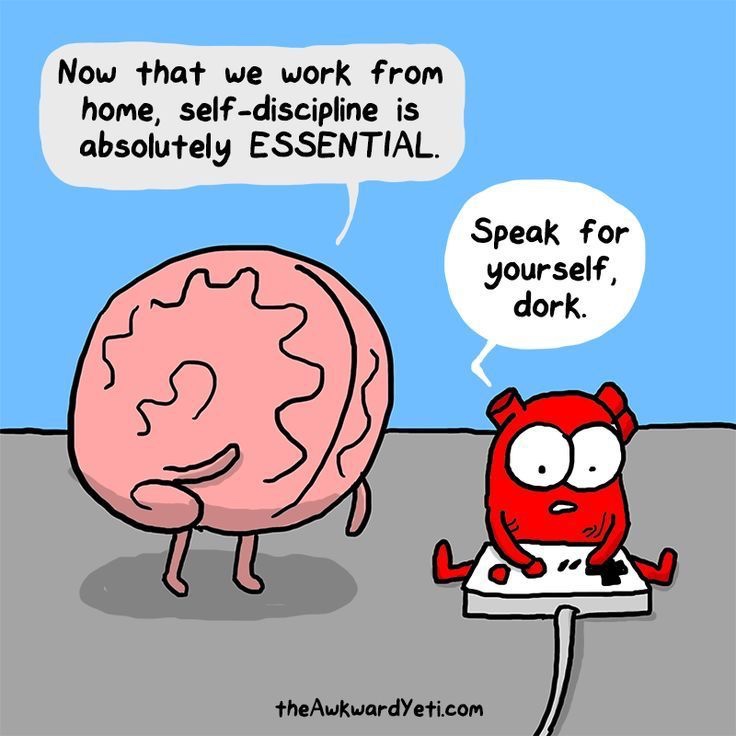
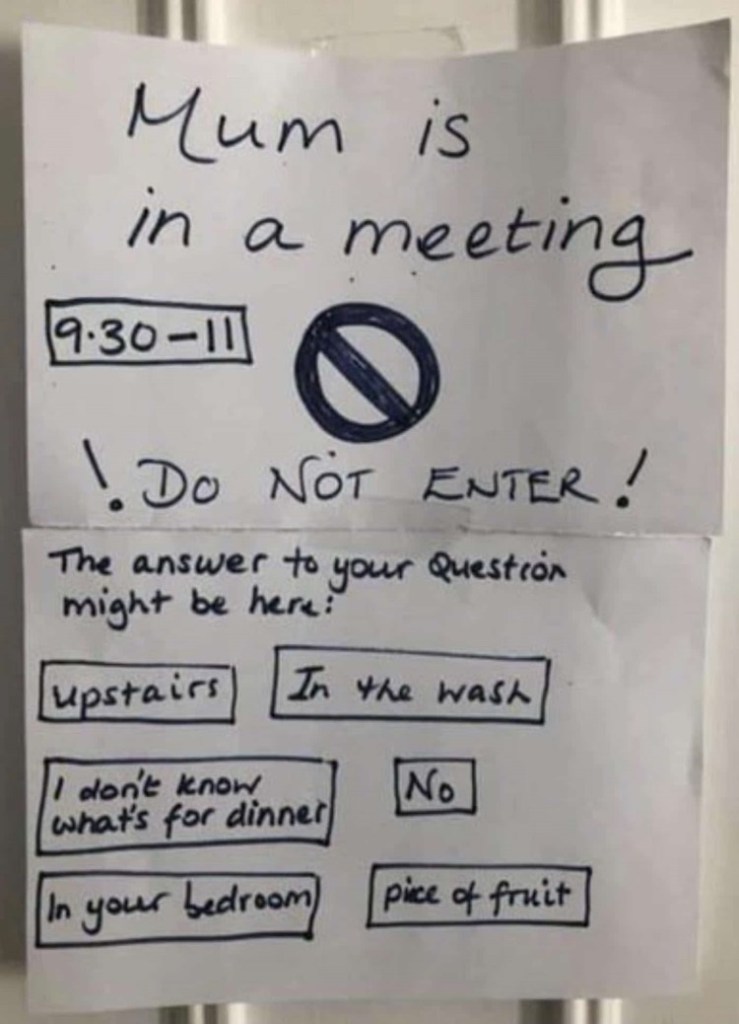











We hope these memes have brought a smile to your face and brightened your day.
Don’t forget to share your favorite work from home memes with your friends and colleagues to spread the laughter and keep your spirits high during these challenging times.

Working from home can be challenging and isolating, but incorporating humor into your daily routine can help reduce stress, boost creativity, and increase productivity.
We hope the collection of the funniest work from home memes we shared in this article brought a smile to your face and helped you feel more connected to others who are also working from home.
Remember to keep a positive attitude, find humor in everyday moments, and share the laughter with others
As the famous writer Mark Twain once said, “Humor is mankind’s greatest blessing.”
Looking for a sense of community as you navigate the world of work-from-home jobs? Join the millions of people who have already made the switch to remote work. Through the rise of technology and the COVID-19 pandemic, working from home has become the new normal. By joining this community, you’ll gain access to a network of like-minded individuals who can provide support, advice, and inspiration as you pursue your career goals. Don’t wait – join the community of a million people working from home.

WFH Revolution
The COVID-19 pandemic has transformed the way we work, and remote work has emerged as a new normal.
For many people, the shift to remote work has been a welcome change, allowing for greater flexibility and work-life balance.
However, it has also brought with it a unique set of challenges, including a blurring of boundaries between work and home life, difficulties with communication and collaboration, and feelings of isolation and burnout.
Despite these challenges, remote work has had a number of positive impacts on the workforce.
For example, it has allowed people to work from anywhere, breaking down geographical barriers to employment and increasing opportunities for those in rural areas or with physical disabilities.
Remote work has also reduced commuting times and costs, providing employees with more time to focus on their personal lives and reducing traffic congestion and air pollution.
At the same time, remote work has highlighted existing inequalities in the workforce.
Not everyone has access to the same technology or workspace at home, and those with caregiving responsibilities or who lack a dedicated workspace may struggle to maintain productivity.
In addition, the shift to remote work has disproportionately impacted certain groups, such as women and people of color, who are more likely to work in industries that have been hit hard by the pandemic.
Despite these challenges, remote work is here to stay, and companies that embrace it will have a competitive advantage in attracting and retaining top talent.
As we move forward, it will be important to address the inequalities that have been brought to light by the WFH divide and to ensure that all employees have equal access to opportunities and resources.
By doing so, we can create a more equitable and inclusive workforce that benefits everyone.

The rise of remote work has undoubtedly changed the way we think about work, and it has also brought to light a number of inequalities in the workforce.
The WFH divide has created a stark contrast between those who are able to work from home and those who cannot.
One of the biggest issues highlighted by the WFH divide is access to technology.
Those who are able to work from home typically have access to high-speed internet, modern computers, and other essential tools that enable them to work effectively.
However, those who do not have the same access to technology may struggle to keep up with their colleagues, which can lead to feelings of frustration and inadequacy.
Another issue is childcare.
Parents who are working from home may struggle to balance their work responsibilities with caring for their children, especially if their children are young or have special needs.
Without access to reliable childcare, many parents are forced to choose between their work and their family, which can lead to feelings of guilt and burnout.
However, it’s important to note that remote work has also created new opportunities for those who were previously excluded from the workforce.
For example, people with physical disabilities who may have difficulty commuting to a traditional office can now work from the comfort of their own homes.
Similarly, those who live in rural areas or who have other geographical constraints can now access jobs that were previously unavailable to them.
Overall, the WFH divide has highlighted the importance of creating a more equitable and inclusive workforce.
Companies need to ensure that all employees have access to the technology and resources they need to work effectively, regardless of where they are working from.
Additionally, companies need to be more flexible when it comes to accommodating the needs of employees who are caring for children or other dependents.

While remote work has highlighted existing inequalities in the workforce, it also has the potential to close the inequality gap.
One of the biggest advantages of remote work is the flexibility it provides.
Employees who work remotely can more easily balance their work and personal responsibilities, which can lead to better mental health and a better overall quality of life.
Additionally, remote work can reduce commuting time and costs, which can be a huge financial burden for many workers.
By eliminating the need for a daily commute, workers can save money on transportation, and they also have more time to devote to their families, hobbies, and other interests.
Furthermore, remote work creates opportunities for people in rural areas, people with disabilities, and caregivers who may struggle to balance work and personal responsibilities.
These individuals may have limited access to traditional office jobs, but with remote work, they can access a wider range of job opportunities that were previously unavailable to them.
Another benefit of remote work is that it can lead to cost savings for companies.
By reducing the need for physical office space, companies can save money on rent, utilities, and other expenses.
These cost savings can be reinvested in programs that support diversity, equity, and inclusion, which can ultimately lead to a more equitable and inclusive workplace.
While remote work has created a divide in the workforce, it also has the potential to close the inequality gap.
By providing more flexible work arrangements, reducing commuting time and costs, and allowing for a better work-life balance, remote work can create opportunities for people who may have been excluded from the workforce in the past.
The cost savings associated with remote work can be reinvested in programs that promote diversity, equity, and inclusion, which can create a more equitable and inclusive workplace for everyone.
The pandemic has accelerated the shift towards remote work, and it is clear that this trend is here to stay.
Companies that embrace remote work will have a competitive advantage in attracting and retaining top talent, as workers increasingly value the flexibility and work-life balance that remote work provides.
However, as remote work becomes more mainstream, companies will need to rethink their policies and procedures to ensure that all employees have equal access to opportunities and resources.
This includes addressing issues such as access to technology, cybersecurity, and communication.
Companies will also need to develop new ways to measure productivity and performance, as traditional methods may not be applicable in a remote work environment.
The future of work is not just about remote work, but also about creating a more equitable and inclusive workplace.
This requires a shift in mindset and a commitment to diversity, equity, and inclusion.
Companies that prioritize these values will be better equipped to attract and retain top talent, as well as create a more engaged and productive workforce.
The future of work is remote, but it is up to us to ensure that it is a more equitable and inclusive future.
Companies that embrace remote work and prioritize diversity, equity, and inclusion will be better positioned to succeed in the changing landscape of work.
It is an exciting time for the world of work, and we have the opportunity to create a more inclusive and sustainable future for all.

Remote work is more than just a temporary solution to a global crisis.
It has the potential to revolutionize the way we work and live, creating a more balanced and equitable society.
While the WFH divide has highlighted existing inequalities, remote work has also created new opportunities for people who were previously excluded from the workforce.
By closing the WFH divide and embracing remote work, we can build a more inclusive and diverse workforce that benefits everyone.
Let’s use this opportunity to create a brighter future for ourselves and future generations.
Together, we can make the most of the power of remote work.
Thank you for taking the time to read this article about the power of remote work and its potential to create a more equitable and inclusive society.
We hope that it has inspired you to think about how you can contribute to this vision of the future of work.
We would love to hear your thoughts and opinions in the comments section below.
Let us know how remote work has impacted your life and what you think needs to be done to close the WFH divide.
Don’t forget to subscribe to our newsletter for more insightful articles like this one.
Stay tuned for more content that can help you make the most of the power of remote work.
Looking for a sense of community as you navigate the world of work-from-home jobs? Join the millions of people who have already made the switch to remote work. Through the rise of technology and the COVID-19 pandemic, working from home has become the new normal. By joining this community, you’ll gain access to a network of like-minded individuals who can provide support, advice, and inspiration as you pursue your career goals. Don’t wait – join the community of a million people working from home.
 The Remote Renaissance