A former student at Terryville Road Elementary School in Port Jefferson Station on Long Island has accused a teacher, Debra Rosenquist, of calling their entire class “sexist little children” during a school board meeting on Monday.
The student, who was not identified, claimed Rosenquist made the remark because the boys and girls in the class were only hanging out with classmates of the same gender.
Rosenquist is a fifth-grade teacher at Terryville Road Elementary School in Port Jefferson Station.
Dennis A. ClarkFifth-grade teacher Debra Rosenquist allegedly “forced” a fifth-grade girl to go by a male name and pronouns, a lawsuit claims.
twitter@DebraRosenquist
The student, who was in Rosenquist’s fifth-grade class, added that the incident had made him feel personally offended, particularly as his best friend in the class was a girl.
“She yelled at the whole class that we were all little sexist children,” the student said as he addressed the Comsewogue School District board.
“I was offended personally because my best friend in the class was a girl.
It was like ‘Why would she do that to me, I was just a child.’ That affected me and made me very upset,” he continued.
The unnamed student was among those to address a contentious Comsewogue School District board meeting Monday night.
Comsewogue School District/YouTube
The Comsewogue School District has not yet responded to the allegations.
A former student alleged the teacher called an entire class “sexist” for only playing with classmates of the same gender.
EllenSemel/twitter
At the school board meeting, more than a dozen speakers, including parents and local residents, addressed the district about the lawsuit.
Some parents used the meeting to speak more broadly about teachers pushing personal beliefs on students.
“If a teacher in an elementary school has personal values that may be pro-LGBTQ and they want to teach their own children that, by all means, do what you want. But don’t do it to my child.”
One parent named Tom claimed that teachers should not be discussing gender or sexuality with children of single-digit ages, and that personal values should not be imposed on students.
“I’m not saying certain things shouldn’t be taught at certain ages, but when we’re dealing with kids in the ages of single digits, we shouldn’t be going into these places,” Tom said, referring to classes about gender or sexuality.
Tom, who is also a special education teacher, said that he would never push his beliefs on students and that teachers should not be promoting a pro-LGBTQ agenda in elementary schools.
A small protest was held outside the meeting by Moms for Liberty, who claim that the student at the center of the lawsuit was groomed, and the LGBT Network, who argue that Rosenquist did everything she was supposed to do to support the child.
Jennifer Quinn, the superintendent of the Comsewogue School District, couldn’t confirm whether Rosenquist was still interacting with students.
Comsewogue School District
During the meeting, district superintendent Jennifer Quinn refused to comment on whether Rosenquist was still interacting with students during the ongoing litigation, but noted that the district had investigated the incident a year ago and would defend itself vigorously through the court system.
While the alleged behavior of this New York teacher is concerning, it is important to remember that it is an isolated incident and not reflective of all teachers or schools.
With that being said, if you are considering pulling your children out of school and teaching them at home while you work from home, it is crucial to weigh the pros and cons carefully.
Homeschooling can provide a flexible and personalized education, but it also requires a significant time commitment and resources.
Homeschooling allows parents to customize their child’s education to fit their individual needs and interests.
It also provides the opportunity for more one-on-one instruction, which can lead to a more efficient learning experience.
Additionally, with parents at home, they can easily monitor their child’s progress and provide support when needed.
Homeschooling can also provide a safer learning environment, free from bullying and other negative social interactions that may occur in a traditional school setting.
Overall, homeschooling can be an excellent option for parents who work from home, as it allows for greater flexibility, personalized education, and a safer learning environment for their children.
Before making such a decision, it is important to do your research and consult with professionals to ensure that your children receive a quality education and have access to socialization opportunities.
Theses allegations are a troubling and timely issue that demands our attention.
If you want to add your voice to this important conversation, I invite you to comment below and share your thoughts.
Your insights can help shape the conversation and bring attention to this crucial topic.
By subscribing, you’ll receive regular updates, stay informed about the latest news and trends, and join a community of like-minded individuals who are passionate about making a difference in our world.
Join a Community
Looking for a sense of community as you navigate the world of work-from-home jobs? Join the millions of people who have already made the switch to remote work. Through the rise of technology and the COVID-19 pandemic, working from home has become the new normal. By joining this community, you’ll gain access to a network of like-minded individuals who can provide support, advice, and inspiration as you pursue your career goals. Don’t wait – join the community of a million people working from home.
We’ve all been there. You have a problem with a product or service and need some assistance. So, you call the customer service hotline, wait on hold for what seems like an eternity, only to be transferred to several different departments and speaking to various representatives who can’t seem to solve your issue. It’s frustrating and can be a huge waste of time.
For decades, call centers have been the go-to for customer support. But as technology continues to advance and consumer demands evolve, call centers are facing some major changes in the next decade. These changes will not only impact how customer service is delivered but also how businesses operate and compete in the marketplace.
So, why does it matter?
Well, for starters, customer service is a critical component of any business. It can make or break a customer’s experience and loyalty to a brand. In fact, studies show that 86% of customers will stop doing business with a company after a single bad customer service experience. That’s a big deal.
But fear not, the future of customer service is looking bright.
n this article, we’ll explore some of the exciting changes happening in the call center industry and what it means for businesses and consumers alike. From AI and automation to personalized service and remote work, let’s dive into the future of customer service.
The Rise of AI and Automation in Customer Service
Artificial intelligence (AI) and automation have been transforming industries across the board, and customer service is no exception. The use of AI and automation in customer service has become increasingly popular, and for good reason.
AI and automation can streamline the customer service process by handling routine tasks such as answering frequently asked questions, tracking orders, and providing product recommendations. This allows customer service representatives to focus on more complex issues that require human intervention.
According to a study by Salesforce, 51% of service leaders are already using or plan to use AI in the next two years. In addition, a report by Gartner predicts that by 2022, 72% of customer interactions will involve emerging technologies such as AI and chatbots.
The benefits of using AI and automation in customer service are significant. For one, it can lead to faster response times, which is crucial for customers who expect quick solutions to their problems. AI and automation can also improve accuracy, reduce errors, and save time and money for businesses.
Furthermore, AI can be used to personalize customer service interactions, which is becoming increasingly important in today’s market. For instance, AI can analyze customer data and purchase history to provide tailored product recommendations or customized support.
Overall, the rise of AI and automation in customer service presents exciting opportunities for businesses to improve the customer experience and increase efficiency. However, it’s important to find the right balance between automation and human interaction to ensure that customers receive the best possible service.
The Importance of Empathy and Emotional Intelligence in Customer Service
While AI and automation are changing the face of customer service, there’s one aspect that can’t be fully replaced by technology: the human element. At the end of the day, customers still crave human connection and empathy.
Empathy and emotional intelligence are essential in providing great customer service. It’s not enough to simply provide accurate information or solve problems efficiently. Customers want to feel heard, understood, and valued.
Studies show that customers who have a positive emotional experience with a brand are 15 times more likely to recommend it to others. On the other hand, customers who have a negative emotional experience are more likely to switch to a competitor.
Many companies are recognizing the importance of empathy and emotional intelligence in customer service and are investing in training their customer service representatives to develop these skills. For instance, Zappos, a company known for its outstanding customer service, has a program called “Core Values Training” which includes empathy and emotional intelligence as core values.
Other companies are using role-playing exercises and simulations to help customer service reps practice their communication and problem-solving skills. Some companies are even using virtual reality technology to simulate real-life customer service scenarios and train reps to respond appropriately.
By investing in empathy and emotional intelligence, companies can create a more positive and engaging customer experience. It’s important to remember that while AI and automation can certainly make the customer service process more efficient, they can never fully replace the human connection and emotional intelligence that customers crave.
Personalized Customer Service: The Power of Data
Data has become an increasingly important tool for companies looking to provide personalized customer service. By collecting and analyzing data about their customers’ preferences, behaviors, and purchase history, companies can tailor their customer service experience to meet the unique needs of each individual.
For example, Amazon’s recommendation algorithm uses data on customer browsing and purchasing history to suggest products that the customer might be interested in. This personalized approach has helped the company to increase customer satisfaction and loyalty.
Other companies are using data to provide personalized recommendations for services or products. For instance, Netflix uses data on customer viewing history to suggest TV shows and movies that are likely to appeal to each individual customer.
But collecting customer data also has potential pitfalls. Privacy concerns are a major issue, as customers are understandably wary of having their personal information collected and analyzed. In addition, collecting too much data can lead to information overload and analysis paralysis, where companies are so focused on data that they lose sight of the human element of customer service.
To avoid these pitfalls, companies must be transparent about their data collection practices and ensure that customers have control over their own data. They should also use data in conjunction with empathy and emotional intelligence to create a more human and personalized customer service experience.
Overall, the power of data in providing personalized customer service cannot be overstated. However, companies must be mindful of the potential pitfalls and use data in a responsible and ethical way that respects the privacy and preferences of their customers. By doing so, they can create a more positive and engaging customer experience that sets them apart from their competitors.
The Future of Call Centers: Remote Work and Gig Workers
The COVID-19 pandemic has accelerated the trend of remote work, and the customer service industry is no exception. Call centers are now being operated remotely, with customer service reps answering calls from home or other locations. This has brought about a range of benefits, including lower overhead costs, reduced commute times for workers, and the ability to tap into a larger pool of talent.
Another trend that has emerged in the customer service industry is the rise of gig workers. These are temporary or freelance workers who are hired on a project-by-project basis. Gig workers are being used more frequently in call centers, as they offer flexibility and scalability that traditional full-time employees cannot. Companies can hire gig workers during peak demand periods, without the added expense of hiring full-time staff.
There are benefits and challenges to using gig workers in customer service. On the one hand, they offer flexibility and scalability, which can help companies to better manage their call center operations. On the other hand, gig workers may lack the same level of training and experience as full-time employees, which can lead to inconsistent customer service experiences.
In addition, the use of gig workers raises questions about fair pay and benefits. Gig workers are typically not entitled to the same benefits as full-time employees, such as health insurance and paid time off. This has led to calls for greater regulation and protections for gig workers.
Overall, the trend towards remote work and the use of gig workers in call centers is likely to continue in the coming years. Companies will need to find ways to balance the benefits of flexibility and scalability with the need for consistent and high-quality customer service. By doing so, they can create a more efficient and effective customer service operation that meets the needs of both customers and employees.
In conclusion, the future of customer service is looking bright, with call centers adapting to meet the changing needs of customers. AI and automation are becoming more prevalent, providing faster and more accurate support.
However, the human element of empathy and emotional intelligence can’t be fully replaced, and companies are investing in training their reps to develop these skills.
Personalized customer service is also becoming more common, with companies leveraging customer data to provide tailored support. Finally, remote work and gig workers are transforming the call center industry, offering new opportunities and challenges.
Despite these changes, the focus remains on providing excellent customer service. Companies are investing in technology and people to ensure that customers receive the support they need, whenever they need it. As call centers continue to evolve and improve, we can look forward to a future where customer service is more personalized, efficient, and effective than ever before.
We hope this article has provided valuable insights into the future of customer service and how call centers will change in the next decade. We would love to hear your thoughts and feedback on this topic. Please leave a comment below and let us know your opinion or share your own experiences with customer service.
If you enjoyed this article and would like to receive more content like this, be sure to subscribe to our newsletter. By subscribing, you’ll be the first to know about our latest articles, trends, and insights in the customer service industry. Don’t miss out on this opportunity to stay informed and engaged with the latest developments in customer service.
Thank you for your support!
Join a Community
Looking for a sense of community as you navigate the world of work-from-home jobs? Join the millions of people who have already made the switch to remote work. Through the rise of technology and the COVID-19 pandemic, working from home has become the new normal. By joining this community, you’ll gain access to a network of like-minded individuals who can provide support, advice, and inspiration as you pursue your career goals. Don’t wait – join the community of a million people working from home.
The COVID-19 pandemic has brought about a lot of changes in our lives. One of the most significant changes has been the shift to remote work.
While this change has provided many benefits, it has also come with its own set of challenges, particularly for families with children.
In this article, we’ll explore the hidden toll of working from home on families with children, and provide you with some tips on how to overcome the social and psychological challenges that come with it.
When remote work was first introduced, many people were excited about the prospect of working from home.
No more long commutes, no more spending money on gas, and no more traffic.
However, as time has gone on, it’s become clear that there are some downsides to working from home, particularly for families with children.
One of the biggest challenges is the increased stress levels and burnout for parents.
When you’re working from home, it can be difficult to separate work from your personal life.
Many parents find themselves working longer hours than they would if they were in the office, which can lead to burnout and increased stress levels.
Another challenge is the reduced opportunities for social interaction for children.
When children are at school, they have the opportunity to interact with their peers and develop social skills.
However, when they’re at home, they may not have as many opportunities to socialize, which can lead to feelings of isolation and loneliness.
Furthermore, working from home can put a strain on relationships between family members.
When you’re all at home together all day, every day, it’s easy to get on each other’s nerves.
This can lead to tension and conflict within the family, which can be difficult to manage.
Finally, working from home can make it difficult to maintain a work-life balance.
When your work and personal life are happening in the same space, it can be challenging to separate the two.
Many people find themselves working late into the night, which can impact their mental and physical health.
Despite these challenges, there are ways to overcome them. In the following sections, we’ll explore some tips on how to overcome the social and psychological challenges of working from home for families with children.
The Hidden Toll of Working from Home on Families with Children
Working from home can be a great way to reduce stress and improve work-life balance.
However, when you’re a parent, working from home can also have its own set of challenges that can take a toll on your mental and emotional well-being.
Here are some of the most significant challenges that parents face when working from home:
Increased stress levels and burnout for parents: When you work from home, it can be difficult to separate work from your personal life. You may find yourself working longer hours than you would if you were in the office, and you may feel like you never really leave work behind. This can lead to burnout, which is a state of physical and emotional exhaustion that can impact your mental and physical health.
Reduced opportunities for social interaction for children: When children are at school, they have the opportunity to interact with their peers and develop social skills. However, when they’re at home, they may not have as many opportunities to socialize, which can lead to feelings of isolation and loneliness. This can impact their mental health and emotional well-being.
Strained relationships between family members: When you’re all at home together all day, every day, it’s easy to get on each other’s nerves. This can lead to tension and conflict within the family, which can be difficult to manage. This can be especially challenging if you’re trying to work while also managing your family’s needs.
Difficulty in maintaining a work-life balance: When your work and personal life are happening in the same space, it can be challenging to separate the two. Many people find themselves working late into the night, which can impact their mental and physical health. It can also be challenging to find time for self-care and relaxation, which are essential for maintaining a healthy work-life balance.
Despite these challenges, there are ways to overcome them.
In the following sections, we’ll explore some tips on how to overcome the social and psychological challenges of working from home for families with children.
Overcoming Social Challenges
One of the most significant challenges of working from home for families with children is the reduced opportunities for social interaction.
Children may miss out on the chance to socialize with their peers, and parents may feel isolated from their colleagues.
However, there are ways to overcome these challenges and create social connections in a virtual world.
Encouraging virtual playdates and online social interactions for children: Virtual playdates and online social interactions can help children stay connected with their friends and develop social skills. Parents can use video conferencing platforms to organize virtual playdates, or encourage their children to chat with their friends online. This can help children feel less isolated and provide them with a sense of normalcy during these challenging times.
Establishing virtual coffee breaks and team-building activities with colleagues: Virtual coffee breaks and team-building activities can help maintain social connections with colleagues while working from home. These can be organized through video conferencing platforms or instant messaging services, and can provide an opportunity to chat and connect with colleagues in a more relaxed setting.
Creating a virtual support network with other parents: Connecting with other parents who are also working from home can help provide a sense of community and support. This can be done through social media groups or online forums, where parents can share tips and advice on managing the challenges of working from home with children.
Making time for family bonding activities: Working from home can blur the lines between work and personal life, but it’s important to make time for family bonding activities. This can include family movie nights, game nights, or outdoor activities. Setting aside dedicated time for family activities can help maintain a healthy work-life balance and provide opportunities for social interaction within the family.
By incorporating these tips into your daily routine, you can help overcome the social challenges of working from home and create meaningful social connections in a virtual world.
In the next section, we’ll explore ways to overcome the psychological challenges of working from home for families with children.
Overcoming Psychological Challenges
Working from home can take a toll on mental health, and it’s important to prioritize self-care and seek support when needed.
Here are some tips for overcoming the psychological challenges of working from home for families with children.
Practicing self-care and setting boundaries: It’s important to prioritize self-care and set boundaries when working from home. This can include taking breaks throughout the day, going for a walk, or doing activities that help you relax and recharge. Setting clear boundaries between work and personal life can also help reduce stress and maintain a healthy work-life balance.
Prioritizing mental health and seeking professional help when needed: Working from home can be isolating and increase stress levels, which can take a toll on mental health. It’s important to prioritize mental health and seek professional help when needed. This can include therapy, counseling, or speaking with a mental health professional to address any concerns or challenges.
Fostering a positive and supportive work environment: Creating a positive and supportive work environment can help reduce stress and improve mental health for both parents and children. This can include establishing clear communication channels with colleagues and managers, celebrating achievements and milestones, and recognizing the efforts of team members.
Encouraging open communication between family members and colleagues: Working from home can create challenges in communication and collaboration, but it’s important to encourage open communication between family members and colleagues. This can include establishing regular check-ins, creating a shared family calendar, or using project management tools to help keep everyone on the same page.
By incorporating these tips into your daily routine, you can help overcome the psychological challenges of working from home and maintain a healthy and productive work-life balance.
With the right strategies and support, families with children can thrive while working from home.
As we navigate this new way of living and working, it’s important to recognize the toll it can take on our mental health and relationships.
Parents may feel overwhelmed with increased stress and burnout, while children may experience reduced opportunities for social interaction.
This can lead to strained relationships between family members and difficulty in maintaining a work-life balance.
In order to overcome these challenges, we must prioritize social and psychological well-being.
Encouraging virtual playdates and online social interactions for children can help maintain social connections while being physically distant.
Establishing virtual coffee breaks and team-building activities with colleagues can foster a sense of community and support in the workplace.
Creating a virtual support network with other parents can provide a space to share experiences and offer mutual encouragement.
It’s also important to prioritize self-care and set boundaries, as well as seeking professional help when needed.
Fostering a positive and supportive work environment and encouraging open communication can help alleviate stress and promote mental well-being.
As we continue to adapt to this new way of living and working, let’s remember that we’re all in this together.
By implementing these tips, we can overcome the hidden toll of working from home on families with children and create a positive and supportive environment for ourselves and our loved ones.
We hope you found this article informative and helpful in navigating the challenges of working from home with children.
We would love to hear from you about your experiences and any additional tips you may have for overcoming these challenges.
Please leave a comment below sharing your thoughts and insights.
And if you haven’t already, be sure to subscribe to our newsletter for more valuable content and updates on the latest research in psychology and wellness.
Together, we can support each other in creating a positive and healthy work-life balance, even in the midst of unprecedented change.
Thank you for reading and being a part of our community.
Join a Community
Looking for a sense of community as you navigate the world of work-from-home jobs? Join the millions of people who have already made the switch to remote work. Through the rise of technology and the COVID-19 pandemic, working from home has become the new normal. By joining this community, you’ll gain access to a network of like-minded individuals who can provide support, advice, and inspiration as you pursue your career goals. Don’t wait – join the community of a million people working from home.
Did you know that the number of people working remotely has increased by 115% in the last decade? With the recent pandemic pushing many people to work from home, the trend towards remote work is only getting stronger.
But what exactly are people doing from their home offices?
You may have heard of the usual suspects like online tutoring and social media management, but there’s a whole world of unusual remote jobs out there waiting to be discovered.
In this article, we’re going to explore some of the most interesting and unique work-from-home jobs you never knew existed.
These jobs range from pet sitting to virtual archaeology, and they’re all perfect for anyone who wants to work from home and explore their passions.
So, sit back and get ready to be amazed as we uncover some of the most unusual work-from-home jobs that you never knew existed.
You might just find your dream job among them!
Virtual Interior Designer
In today’s world, people are always on the lookout for ways to make their lives easier, more efficient, and more enjoyable.
One way that has become increasingly popular is virtual interior design.
This is where a professional interior designer works with clients online to provide design advice, create digital room layouts, and source furniture and decor.
Virtual interior design allows people to get the help they need without ever leaving their homes, making it a convenient and efficient option for those with busy schedules.
To get a better understanding of virtual interior design, take Sarah Johnson, a virtual interior designer who has been in the business for over 10 years.
Sarah explains that her approach to helping clients involves a thorough understanding of their needs, style, and budget.
By working closely with her clients, Sarah is able to create custom design plans that reflect their individual tastes and preferences.
One of the unique aspects of virtual interior design is the flexibility it provides.
Virtual designers can work with clients from anywhere in the world, making it possible to build a global client base.
Additionally, the work can be done from the comfort of one’s own home, providing a flexible work schedule and the ability to work with clients on a part-time or full-time basis.
When it comes to income potential, virtual interior design can be a lucrative field.
Designers can charge anywhere from $50 to $500 per hour, depending on their experience and reputation.
With the ability to work with multiple clients at once, the earning potential can be quite substantial.
Overall, virtual interior design is an exciting and innovative way to pursue a career in interior design. It offers the flexibility, convenience, and income potential that many people are looking for in today’s world.
If you’re passionate about design and looking for a new way to apply your skills, virtual interior design might just be the perfect fit for you.
Online Psychic
In recent years, online psychic services have become increasingly popular as people seek guidance, advice, and spiritual insight.
With the convenience of the internet, people can connect with psychics from all over the world and receive readings without ever leaving their homes.
Rachel explains that her clients come to her seeking guidance on a range of topics, from love and relationships to career and finances.
She uses a combination of intuition, tarot cards, and astrology to provide her clients with insights and advice.
One of the benefits of online psychic services is the convenience it offers.
Clients can connect with psychics from anywhere in the world, making it easier to find a psychic that resonates with them.
Additionally, online readings can be done through video chat, phone, or email, providing flexibility for clients with busy schedules.
However, some people might have concerns about the legitimacy of online psychics and how to stay safe when seeking their services.
Rachel addresses these concerns by recommending that clients do their research and read reviews before choosing a psychic.
It’s also important to set boundaries and not give away too much personal information during readings.
Overall, online psychic services can provide valuable guidance and insight for those seeking answers to life’s questions.
With the convenience of the internet, it’s easier than ever to connect with psychics from around the world and receive readings from the comfort of your own home.
If you’re curious about online psychic services, take the time to do your research and find a reputable psychic who can provide the guidance and insight you’re looking for.
Voice Over Artist
With the rise of audiobooks, podcasts, and other forms of audio content, the demand for voice over artists has increased significantly in recent years.
From commercials and movie trailers to video games and animated films, voice over artists bring characters and stories to life with their unique vocal talents.
Sarah has shared that the most important skill for a voice over artist is versatility. “You need to be able to adapt your voice to different styles, tones, and genres,” she explained. “One day you might be voicing a children’s book, and the next day you might be recording a corporate training video.”
Sarah also highlighted the importance of having a high-quality recording setup. “Clients expect professional-grade audio quality, so it’s important to invest in a good microphone and soundproofing equipment,” she advised.
If you’re interested in pursuing a career as a voice over artist, Sarah recommends building a portfolio of your work and networking with industry professionals. “Attend workshops, take classes, and get feedback on your recordings to improve your skills,” she suggested. “And don’t be afraid to put yourself out there and market your talents.”
Overall, voice over artistry is an exciting and rewarding field for those with a passion for performance and storytelling.
With the increasing demand for audio content, there are plenty of opportunities for aspiring voice over artists to showcase their talents and build a successful career.
Virtual Archaeologist
Imagine being able to explore ancient ruins and historical sites without ever leaving your home. Thanks to virtual archaeology, this is now possible.
Virtual archaeologists use digital technology to create 3D models of historical sites, allowing people to explore them from the comfort of their own homes.
Maria explained that virtual archaeology allows people to experience historical sites in a way that was previously impossible. “With virtual archaeology, we can recreate historical sites as they would have looked in their prime,” she shared. “This allows people to explore these sites in a way that is both informative and immersive.”
Maria also highlighted the importance of accuracy in virtual archaeology. “We strive to make our digital models as accurate as possible, using data from archaeological excavations and historical records,” she explained. “This ensures that people are getting a true sense of what these sites looked like in the past.”
If you’re interested in pursuing a career in virtual archaeology, Maria recommends studying archaeology or a related field, as well as gaining experience with digital technology. “There’s a lot of overlap between traditional archaeology and virtual archaeology, so having a solid background in both is essential,” she advised. “And don’t be afraid to experiment with different digital tools and techniques to create the most accurate and engaging models.”
Overall, virtual archaeology is a fascinating and innovative field that allows people to explore history in a way that was previously impossible.
With the potential for remote work and the increasing demand for digital models of historical sites, virtual archaeology is an exciting career path for those with a passion for both technology and history.
Ethical Hacker
As we continue to rely more on technology, the need for cybersecurity becomes increasingly important. That’s where ethical hackers come in – experts who use their knowledge to protect companies and organizations from cyber attacks.
In this section, we’ll delve into the world of ethical hacking and explore what it takes to become one.
Firstly, it’s important to understand the difference between ethical and unethical hacking. Ethical hackers are hired by companies to find vulnerabilities in their systems and help fix them before malicious hackers can exploit them.
Unethical hackers, on the other hand, break into systems without permission with the intention of causing harm.
To learn more about the day-to-day tasks and strategies of ethical hackers, we researched professionals in the field.
They’ve spoke about the importance of staying up-to-date with the latest technologies and vulnerabilities, as well as the importance of good communication skills to effectively explain technical concepts to non-technical colleagues.
For those interested in pursuing a career in ethical hacking, there are several paths to take.
Some professionals come from a computer science or IT background, while others may have started as cybersecurity enthusiasts and honed their skills through self-learning.
Regardless of your background, it’s important to obtain relevant certifications and gain practical experience through internships or entry-level positions.
As the demand for cybersecurity continues to rise, a career in ethical hacking can provide both job security and the opportunity to make a positive impact in the world of technology.
As remote work continues to rise in popularity, so too do the number of unusual work-from-home jobs.
From virtual interior designers to ethical hackers, there are a plethora of unique career paths to explore.
Virtual interior designers offer an innovative approach to design advice, helping clients create their dream home without ever having to leave the comfort of their couch.
Online psychics provide a convenient way for people to seek guidance from the safety of their own homes.
Voice over artists are in high demand, especially as the popularity of audiobooks and podcasts continue to soar.
Virtual archaeologists allow people to explore historical sites from around the world without ever having to leave their home.
Ethical hackers play a critical role in safeguarding companies and organizations from cyber threats.
If you’re looking to explore new career paths or simply curious about these unusual jobs, there’s never been a better time to do so. Who knows, you may find your true calling in a field you never even knew existed.
We encourage readers to share their own unusual work-from-home experiences and to keep an open mind when it comes to exploring new career paths.
Whether it’s virtual interior design or ethical hacking, there’s something out there for everyone.
So, take the leap and see where it takes you.
Thank you for taking the time to read our content.
We hope you found it informative, engaging, and helpful in exploring new career paths.
We would love to hear your thoughts on the article and encourage you to leave a comment below to start a conversation with our community.
To stay up-to-date with the latest content and insights, be sure to subscribe to our newsletter.
As a subscriber, you’ll receive exclusive access to valuable resources, tips, and updates straight to your inbox.
Don’t miss out on the opportunity to join our community and take the first step towards achieving your professional goals.
Subscribe now and let’s grow together!
Join a Community
Looking for a sense of community as you navigate the world of work-from-home jobs? Join the millions of people who have already made the switch to remote work. Through the rise of technology and the COVID-19 pandemic, working from home has become the new normal. By joining this community, you’ll gain access to a network of like-minded individuals who can provide support, advice, and inspiration as you pursue your career goals. Don’t wait – join the community of a million people working from home.
With the pandemic causing a shift towards remote work, our daily routines have drastically changed.
One of the most significant changes has been the impact on our eating habits. With the kitchen just a few steps away, it’s easy to fall into the trap of constantly snacking throughout the day.
But snacking doesn’t have to be a bad thing.
In fact, choosing the right snacks can help boost productivity and energy levels throughout the workday.
The key is to select snacks that are not only delicious but also provide the right nutrients to fuel your body and mind.
In this article, we’ll share the best work from home snacks to boost your productivity.
By incorporating these snacks into your routine, you’ll be able to power through your tasks and feel energized throughout the day.
So, grab a snack, settle into your home office, and let’s get started.
Brain-Boosting Snacks
When it comes to staying productive and focused throughout the workday, having a sharp mind is essential.
That’s where brain-boosting snacks come in.
These snacks contain nutrients that support cognitive function and help improve focus and mood.
One type of nutrient that has been shown to improve cognitive function is omega-3 fatty acids.
Foods like walnuts and salmon are high in omega-3s and make for excellent brain-boosting snacks.
Omega-3s are believed to enhance brain health by improving blood flow to the brain and reducing inflammation.
Another snack that has gained popularity for its cognitive benefits is dark chocolate.
Not only is it delicious, but it contains compounds called flavanols, which have been shown to improve blood flow to the brain, leading to increased cognitive function, focus, and mood.
But there are other brain-boosting snacks out there too.
Blueberries, for example, are high in antioxidants and have been shown to improve memory function.
Avocado toast is another great option, as avocados are rich in healthy fats and contain a nutrient called lutein, which has been linked to improved cognitive function.
When it comes to preparing brain-boosting snacks, the options are endless.
From whipping up a smoothie with blueberries and almond milk to roasting a batch of walnuts with honey and cinnamon, there are plenty of easy and delicious recipes to choose from.
By incorporating brain-boosting snacks into your work from home routine, you’ll be able to power through your tasks with a clear mind and sustained focus.
So, next time you need a midday snack, consider reaching for a brain-boosting option and watch your productivity soar.
Energy-Boosting Snacks
One of the biggest challenges of working from home is staying energized throughout the day.
Without the structure of a traditional office environment, it’s easy to fall into a slump and lose momentum.
That’s where energy-boosting snacks come in.
Snacks that are high in protein, such as Greek yogurt and hard-boiled eggs, can help sustain energy levels throughout the day.
Protein is essential for building and repairing muscle tissue, which is important for maintaining energy levels.
It also takes longer to digest than other nutrients, providing a longer-lasting energy source.
But protein isn’t the only nutrient that can help boost energy levels.
Snacks that are high in complex carbohydrates, such as whole grain crackers and oatmeal, can provide sustained energy without the crash associated with sugary snacks.
Complex carbohydrates take longer to digest and release glucose into the bloodstream more slowly, providing a more sustained energy source.
Balancing these snacks is key to maintaining a consistent energy level throughout the day.
For example, pairing Greek yogurt with a handful of blueberries provides a balance of protein and complex carbohydrates.
Another option is to pair whole grain crackers with hummus, which is high in protein and healthy fats.
It’s also important to pay attention to portion sizes when snacking.
While these snacks can provide sustained energy, overindulging can lead to sluggishness and decreased productivity.
Aim for small, frequent snacks throughout the day to keep energy levels consistent.
By incorporating energy-boosting snacks into your work from home routine, you’ll be able to power through your tasks with sustained energy and focus.
So, next time you’re feeling sluggish, reach for a snack that will give you the energy boost you need to keep going.
Mood-Boosting Snacks
It’s no secret that our mood can have a significant impact on our productivity and overall well-being.
Fortunately, there are snacks that can help boost our mood and promote a positive outlook.
One such snack is turkey, which is high in tryptophan.
Tryptophan is an amino acid that is converted into serotonin in the body. Serotonin is a neurotransmitter that plays a key role in regulating mood, appetite, and sleep.
Other tryptophan-rich snacks include pumpkin seeds, soybeans, and cheese.
Fermented foods are another great option for promoting a positive mood. Fermented foods, such as kimchi and sauerkraut, contain beneficial bacteria that can improve gut health.
The gut is often referred to as the “second brain” because it is home to millions of neurons that communicate with the brain.
Improving gut health can lead to improved mood and energy levels.
Other mood-boosting snacks include dark chocolate, which contains antioxidants that can help reduce stress, and bananas, which are high in potassium and vitamin B6, both of which are important for regulating mood.
When incorporating mood-boosting snacks into your work from home routine, it’s important to remember that these snacks should be consumed in moderation.
Overindulging in snacks, even healthy ones, can lead to unwanted weight gain and decreased productivity.
Aim for a small serving of mood-boosting snacks once or twice a day to reap the benefits without overdoing it.
Incorporating brain-boosting, energy-boosting, and mood-boosting snacks into your work from home routine can have a significant impact on your productivity and overall well-being.
By choosing the right snacks, you’ll be able to power through your tasks with sustained energy, focus, and a positive outlook.
So next time you’re feeling sluggish or stressed, reach for a snack that will give you the boost you need to tackle your work with confidence.
In conclusion, snacking plays an important role in our work from home experience. By choosing the right snacks, we can boost our productivity, energy levels, and mood.
Brain-boosting snacks high in omega-3 fatty acids, like walnuts and salmon, and dark chocolate can help improve cognitive function and focus.
Energy-boosting snacks high in protein, such as Greek yogurt and hard-boiled eggs, and complex carbohydrates, like whole grain crackers and oatmeal, can provide sustained energy throughout the day.
Mood-boosting snacks high in tryptophan, like turkey and pumpkin seeds, and fermented foods, such as kimchi and sauerkraut, can improve gut health and boost mood and energy levels.
I encourage you to try some of these snacks and see the difference it can make in your work from home routine.
Let’s snack our way to success together!
Thank you for taking the time to read this article!
If you found the information helpful, please consider subscribing to our newsletter for more tips on how to improve your productivity and well-being.
And we would love to hear your thoughts on this topic – leave a comment below and let us know your favorite work from home snack or any other tips you have for staying focused and energized during the day.
Your feedback and engagement help us continue to provide valuable content that resonates with our readers.
So don’t hesitate – hit that subscribe button and leave a comment today!
Join a Community
Looking for a sense of community as you navigate the world of work-from-home jobs? Join the millions of people who have already made the switch to remote work. Through the rise of technology and the COVID-19 pandemic, working from home has become the new normal. By joining this community, you’ll gain access to a network of like-minded individuals who can provide support, advice, and inspiration as you pursue your career goals. Don’t wait – join the community of a million people working from home.
As the world continues to adapt to the new normal brought on by the COVID-19 pandemic, remote work has become a popular way for many to continue working while staying safe.
With the rise of video conferencing platforms and remote collaboration tools, working from home has never been easier.
But as with anything, there are always pitfalls to be aware of.
Working from home may seem like the ultimate dream, but it’s not always smooth sailing.
There are a myriad of ways in which remote work can go wrong and lead to some hilarious and cringe-worthy situations.
From technical difficulties to wardrobe malfunctions, the possibilities are endless.
So, without further ado, let’s take a look at some of the most hilarious remote work fails that will make you grateful for your own virtual meetings.
First up, let’s talk about technical difficulties.
As we all know, technology can be fickle, and when you’re relying on it to communicate with your team and clients, it can be a recipe for disaster.
Have you ever been on a video call and realized you were on mute the whole time? Or perhaps you accidentally shared the wrong screen during a presentation?
And let’s not forget the all too common mistake of forgetting to turn off notifications and getting distracted during a meeting.
These technical mishaps may be frustrating in the moment, but they can also lead to some hilarious moments.
Let’s talk about background mishaps.
With remote work, you never know what might pop up in the background of your video call.
Pets have become a regular feature of virtual meetings, with cats lounging on keyboards and dogs barking in the background.
And who hasn’t had a child appear on camera unexpectedly, stealing the show with their adorable antics?
Then there’s the awkward moment when your roommate or family member accidentally walks in during a meeting, not realizing you’re on camera.
These unexpected interruptions can lead to some awkward and hilarious situations.
Last but not least, let’s talk about wardrobe malfunctions.
With the casual dress code that comes with remote work, it’s easy to fall into the trap of being too comfortable.
But sometimes, that comfort can lead to wardrobe malfunctions that are all too embarrassing.
Forgetting to wear pants during a video call may seem like a funny meme, but it can actually happen.
And who hasn’t spilled food or drinks on themselves during a meeting, thanks to the convenience of snacking while working from home?
Then there’s the classic mistake of wearing mismatched clothing or forgetting to wear a bra on camera.
These wardrobe malfunctions may seem trivial, but they can be a major source of embarrassment.
While remote work may have its advantages, it’s important to be aware of the potential pitfalls that can lead to hilarious and cringe-worthy moments.
From technical difficulties to background mishaps and wardrobe malfunctions, the possibilities are endless.
But let’s be honest, these moments are what make working from home so entertaining.
So embrace the laughs and don’t forget to share your own remote work fail stories with your colleagues.
Technical Difficulties
Working from home can be a dream come true for many people.
No more rush hour traffic, no more packed lunches, and no more uncomfortable dress codes.
However, with the rise of remote work, there are new challenges that come with this freedom.
One of the biggest challenges that remote workers face is technical difficulties.
It’s happened to all of us at one point or another: you log onto a video call and realize that you’re on mute. You can hear everyone else perfectly fine, but they can’t hear you.
You frantically wave your arms and try to signal to the other participants, but it’s too late.
The conversation has already moved on, and you’ve missed your chance to contribute. This is just one example of the technical difficulties that can arise during remote work.
Another common technical difficulty is accidentally sharing the wrong screen during a presentation.
You spend hours preparing your presentation, making sure that everything is perfect. You log onto the call, start sharing your screen, and suddenly realize that you’re sharing your personal email inbox instead of your presentation.
You quickly fumble around, trying to find the right screen to share, while your audience patiently waits.
Forgetting to turn off notifications and getting distracted during a meeting is another common technical difficulty.
It’s so easy to get distracted when you’re working from home.
Your phone buzzes with a new notification, your email inbox pings with a new message, and your attention is suddenly pulled away from the meeting.
You try to multitask, checking your messages while also listening to the conversation, but it’s impossible to do both at the same time.
Before you know it, you’ve missed an important point and are struggling to catch up.
While technical difficulties can be frustrating and embarrassing, they’re also a reminder that we’re all human.
We’ve all been on the receiving end of someone else’s technical mishap, and we’ll all have our own moments of embarrassment.
The important thing is to be patient with ourselves and others, and to remember that we’re all in this together.
So, the next time you’re on a video call and accidentally forget to unmute yourself, take a deep breath, laugh it off, and remember that it happens to the best of us.
Background Mishaps
One of the joys of remote work is being able to work from the comfort of your own home.
However, with this comes the risk of unexpected background mishaps that can cause embarrassment and distraction.
Whether it’s a noisy pet, a curious child, or an unexpected visitor, background mishaps can be a source of stress for remote workers.
Pets interrupting video calls is a common occurrence for remote workers. You may have seen videos circulating online of cats walking across keyboards or dogs barking in the background of important calls.
While these moments can be hilarious to watch, they can also be incredibly distracting for the person on the call.
It’s hard to focus on the task at hand when your furry friend is demanding your attention.
Children appearing on camera unexpectedly is another background mishap that can cause stress for remote workers.
Whether it’s a child wandering into the room during a video call or a baby crying in the background, children can be a source of unexpected disruption.
While many employers are understanding of the challenges of remote work with children, it can still be difficult to balance work and parenting responsibilities.
Roommates or family members accidentally walking in during a meeting can cause embarrassment and distraction for remote workers.
Maybe your roommate didn’t realize you were on a call and starts talking loudly in the background, or your family member walks in without knocking and starts asking you questions.
These moments can be stressful and distracting, and can also make you feel like your privacy has been violated.
While background mishaps can be frustrating and embarrassing, they’re also a reminder that we’re all human and have lives outside of work.
It’s important to remember to be patient and understanding with ourselves and others during these moments.
So, the next time your pet interrupts a call or your child makes an unexpected appearance, take a deep breath, laugh it off, and remember that these moments are what make working from home unique and challenging.
Wardrobe Malfunctions
One of the perks of remote work is the ability to dress more casually than in a traditional office setting.
However, this can also lead to unexpected wardrobe malfunctions that can cause embarrassment and distraction.
Whether it’s forgetting to wear pants during a video call or spilling coffee on your shirt, wardrobe malfunctions can be a source of stress for remote workers.
Forgetting to wear pants during a video call may seem like a funny sitcom scenario, but it can actually happen in real life.
When working from home, it’s easy to become relaxed in our dress habits, but it’s important to remember that we’re still on camera and in a professional setting.
Double-checking your outfit before hopping on a call can save you from an embarrassing situation.
Spilling food or drinks on oneself during a meeting is another wardrobe malfunction that can cause stress for remote workers.
Without the structure of a formal office environment, it’s easy to get distracted during a meeting and forget about that cup of coffee sitting next to you.
But a spilled drink or food stain can be a source of embarrassment, distracting both you and your colleagues.
Wearing mismatched clothing or forgetting to wear a bra on camera can also lead to unexpected wardrobe malfunctions.
While it may seem like a small detail, it can make a big difference in how you’re perceived by your colleagues and clients.
It’s important to maintain a professional appearance, even when working from home.
While wardrobe malfunctions can be embarrassing, they’re also a reminder of the importance of self-awareness and professionalism in the workplace.
Taking a few extra minutes to check your outfit and surroundings before hopping on a call can save you from an embarrassing situation.
And if a wardrobe malfunction does happen, it’s important to take a deep breath, laugh it off, and remember that we’re all human and mistakes happen.
In conclusion, remote work has become a popular and convenient option for many employees, but it also comes with its own set of challenges and mishaps.
From technical difficulties to background mishaps and wardrobe malfunctions, there are many ways that remote work can go wrong and lead to hilariously unexpected situations.
Despite these challenges, it’s important to remember the importance of professionalism and preparedness during remote work.
Taking the time to check your equipment, surroundings, and appearance can help prevent many of the common mishaps that remote workers face.
But let’s face it, even with the best preparation, remote work can still be unpredictable and lead to some truly hilarious moments.
We’ve shared just a few of the most memorable examples, but we want to hear from you.
As we continue to navigate the world of remote work, it’s important to find humor in the unexpected and keep a positive attitude.
With a little bit of preparation and a lot of laughter, we can conquer any challenge that remote work throws our way.
Thank you for reading our article on the most hilarious remote work fails!
We hope you enjoyed our lighthearted take on the challenges of working from home.
We would love to hear from you and hear about your own remote work fail stories.
Leave a comment below and let us know what unexpected mishaps you’ve experienced during your remote work journey.
And if you want to stay up to date on our latest content and insights into the world of remote work, be sure to subscribe to our newsletter.
You’ll receive exclusive tips and advice on how to make the most out of your remote work experience.
Don’t miss out on the opportunity to connect with our community and share your own stories.
Leave a comment and subscribe today!
Join a Community
Looking for a sense of community as you navigate the world of work-from-home jobs? Join the millions of people who have already made the switch to remote work. Through the rise of technology and the COVID-19 pandemic, working from home has become the new normal. By joining this community, you’ll gain access to a network of like-minded individuals who can provide support, advice, and inspiration as you pursue your career goals. Don’t wait – join the community of a million people working from home.
In recent years, the way we work has undergone a dramatic transformation.
The rise of remote work has given us the freedom to work from anywhere, at any time.
This shift has been accelerated by the COVID-19 pandemic, which forced many businesses to adapt to a fully remote workforce almost overnight.
While remote work has many advantages, such as increased flexibility and improved work-life balance, it can also present unique challenges for individuals with disabilities.
In traditional workplaces, employers are required to provide reasonable accommodations to ensure that individuals with disabilities have equal access to employment opportunities.
However, in the remote work landscape, the lack of in-person support and the need for specialized technology can make it difficult for individuals with disabilities to fully participate in the workforce.
This can have a significant impact on the lives of people with disabilities, who often face barriers to accessing employment and earning a living wage.
According to the U.S. Bureau of Labor Statistics, the unemployment rate for people with disabilities is more than double that of the general population.
This disparity is due in part to the challenges of accessing traditional workplaces, but it also highlights the need for greater accessibility and inclusion in the remote work landscape.
In this article, we’ll explore the benefits of remote work for individuals with disabilities, as well as the challenges that it presents.
We’ll also provide practical tips and strategies for creating an inclusive and accessible remote workplace, so that everyone can participate fully in the remote work revolution.
The Benefits of Remote Work for People with Disabilities
As we continue to navigate the ever-evolving landscape of work, it’s clear that remote work is here to stay.
While it may have started as a temporary solution to the pandemic, it has quickly become a preferred way of working for many.
And for individuals with disabilities, remote work can offer a world of benefits.
One of the primary benefits of remote work for people with disabilities is flexibility.
For those who may need to take frequent breaks or have unique scheduling needs, remote work allows for a more customized workday.
This can help individuals with disabilities to manage their energy levels and prioritize their health and well-being.
Another key benefit of remote work for people with disabilities is accessibility.
Traditional workplaces may present a host of physical and sensory barriers, such as stairs or loud, distracting environments.
Remote work removes many of these barriers, making it easier for individuals with disabilities to access employment opportunities.
But don’t just take our word for it – there are plenty of successful remote workers with disabilities out there to prove it.
Take Haben Girma, for example. Haben is a disability rights lawyer and advocate who is deafblind. She has built a successful career as a public speaker and consultant, all while working remotely.
Then there’s Robyn Lambird, a writer and disability activist who has cerebral palsy. Robyn has found success as a freelance writer, with much of their work being completed remotely. Robyn has spoken about the benefits of remote work for people with disabilities, noting that it can help to remove the ableism that often exists in traditional workplaces.
And these are just a few examples – there are countless individuals with disabilities who have found success in remote work.
By offering flexibility and accessibility, remote work can help to level the playing field and create new opportunities for individuals with disabilities.
In the next section, we’ll dive into some of the unique challenges that remote work can present for people with disabilities – and how we can address these challenges to create an inclusive and accommodating remote workplace.
The Challenges of Remote Work for People with Disabilities
While remote work can offer a multitude of benefits for individuals with disabilities, it’s important to recognize that it also presents its own unique set of challenges.
From the lack of in-person support to technology barriers, these challenges can create obstacles for individuals with disabilities who are trying to succeed in a remote work environment.
One of the biggest challenges of remote work for people with disabilities is the lack of in-person support. For those who may need physical assistance or accommodations in the workplace, remote work can make it more difficult to get the support they need.
This can include things like assistance with mobility, communication, or technology.
Another challenge is technology barriers. While technology has certainly made remote work possible, it can also present barriers for individuals with disabilities who may struggle with certain types of technology.
For example, individuals with visual impairments may struggle with video conferencing software that is not accessible, while those with hearing impairments may struggle with virtual meetings that do not include closed captioning or sign language interpretation.
But just because these challenges exist doesn’t mean that they are insurmountable.
There are plenty of solutions and accommodations that can make remote work more accessible and accommodating for individuals with disabilities.
One solution is to make sure that remote workers have access to the support they need, whether that’s through personal assistants, specialized technology, or other accommodations.
Employers can also provide training and resources to help remote workers with disabilities navigate technology and other challenges.
Another solution is to prioritize accessibility in all aspects of remote work.
This includes things like ensuring that virtual meetings are accessible with closed captioning or sign language interpretation, and that all software and communication platforms are designed with accessibility in mind.
At the end of the day, creating an inclusive and accessible remote workplace requires effort and commitment.
But by prioritizing accessibility and accommodating the unique needs of individuals with disabilities, we can create a more equitable and supportive work environment for all.
Best Practices for Creating an Inclusive Remote Workplace
Creating an inclusive remote workplace is crucial for ensuring that all employees feel valued, supported, and empowered to do their best work.
Whether you’re an employer or manager, there are plenty of steps you can take to create a culture of inclusion and accessibility within your remote team.
First and foremost, it’s important to prioritize accessibility in all aspects of remote work.
This includes ensuring that all communication platforms, software, and tools are designed with accessibility in mind, and that all meetings and events are accessible with closed captioning, sign language interpretation, or other accommodations as needed.
In addition, employers and managers can help create an inclusive workplace culture by promoting open and honest communication, and actively seeking out feedback from employees with disabilities.
This can help ensure that employees feel heard and valued, and that their unique needs and perspectives are taken into account.
Another important step is to provide training and resources to help all employees understand and navigate issues related to disability and accessibility.
This can include things like training on assistive technology, disability etiquette, and other topics that can help create a more inclusive and accommodating workplace.
It’s also important to be flexible and adaptable when it comes to accommodating the needs of employees with disabilities.
This can include offering flexible work schedules or providing specialized technology or equipment as needed.
By being open to accommodating the unique needs of each individual employee, employers and managers can help create a workplace that is truly inclusive and supportive for all.
Ultimately, creating an inclusive and accessible remote workplace requires ongoing effort and commitment.
But by prioritizing accessibility, promoting open communication, and being flexible and accommodating, employers and managers can help ensure that all employees feel valued and supported, regardless of ability.
With these best practices in place, remote teams can thrive and succeed in a truly inclusive and accessible work environment.
As the remote work revolution continues to gather pace, it’s important to keep in mind the crucial role that accessibility and accommodation play in creating a truly inclusive and supportive workplace.
Remote work offers many benefits for individuals with disabilities, including greater flexibility and accessibility.
But it also presents unique challenges, such as the lack of in-person support and technology barriers.
To ensure that remote work truly works for everyone, it’s important for employers, managers, and employees alike to prioritize accessibility and accommodation in all aspects of remote work.
This includes everything from using accessible communication platforms and tools, to providing flexible schedules and specialized equipment as needed.
But creating an inclusive remote workplace is about more than just implementing specific accommodations and technologies.
It’s also about creating a culture of inclusion, where all employees feel valued, heard, and supported.
This can be achieved through open communication, active listening, and a commitment to ongoing learning and growth.
Ultimately, creating an inclusive and accessible remote workplace requires effort and dedication from everyone involved.
But the benefits are clear: by prioritizing accessibility and accommodation, we can create a workplace where everyone can thrive and succeed, regardless of ability.
So, as you navigate the remote work landscape, remember the importance of accessibility and accommodation.
And don’t be afraid to advocate for these values in your own workplace, whether you’re working remotely or in a traditional office setting.
Together, we can create a more inclusive and equitable workplace for everyone.
Join a Community
Looking for a sense of community as you navigate the world of work-from-home jobs? Join the millions of people who have already made the switch to remote work. Through the rise of technology and the COVID-19 pandemic, working from home has become the new normal. By joining this community, you’ll gain access to a network of like-minded individuals who can provide support, advice, and inspiration as you pursue your career goals. Don’t wait – join the community of a million people working from home.
As the world adapts to the new reality of remote work, the possibilities for living and working in new places are endless.
And Ireland, with its charm and beauty, is a destination that stands out for all the right reasons.
With its welcoming locals, vibrant culture, and diverse economy, Ireland has become a hub for remote workers seeking adventure, a good quality of life, and professional growth.
In this article, we’ll delve into the benefits of remote working in Ireland, highlighting the unique opportunities available for those who seek to embrace the Irish way of life.
From exploring stunning landscapes to immersing yourself in local culture, we’ll take a closer look at what makes Ireland such an appealing destination for remote workers.
So, whether you’re a seasoned remote worker looking for a change of pace or a recent graduate seeking to expand your horizons, read on to discover why Ireland should be at the top of your list.
From its bustling cities to its quaint villages, Ireland offers something for everyone.
So, pack your bags, grab your laptop, and let’s explore what the Emerald Isle has to offer!
The Benefits of Remote Working in Ireland
As remote work becomes increasingly common, more and more people are taking the opportunity to live and work in new places.
One destination that has emerged as a top choice for remote workers is Ireland.
From its stunning landscapes to its rich culture and thriving economy, Ireland offers a unique experience for those looking to explore something new.
Let’s take a closer look at some of the benefits of remote working in Ireland.
Explore the stunning landscapes and vibrant culture of Ireland
One of the most compelling reasons to work remotely in Ireland is the country’s breathtaking landscapes.
From the rugged cliffs of the Wild Atlantic Way to the rolling green hills of the countryside, Ireland offers a wealth of natural beauty to explore.
In addition to the stunning scenery, Ireland is also home to a vibrant culture that is unlike any other.
From traditional music and dance to modern art and theater, there is always something new to discover in Ireland.
Meet friendly locals and immerse yourself in the Irish way of life
Ireland is known for its friendly locals, who are always happy to share their culture and traditions with visitors.
Working remotely in Ireland provides a unique opportunity to immerse yourself in the local way of life, from trying new foods to learning about local customs and traditions.
Whether you’re working from a bustling city or a quiet village, you’re sure to feel welcomed and embraced by the local community.
Enjoy a thriving economy with plenty of opportunities for professional growth
Despite its small size, Ireland has a thriving economy with a diverse range of industries.
From tech startups to multinational corporations, there are plenty of opportunities for remote workers to find exciting and challenging work in Ireland.
Additionally, Ireland’s pro-business policies and tax incentives make it an attractive destination for entrepreneurs and investors looking to start or grow their businesses.
Take advantage of Ireland’s affordable cost of living compared to other European countries
Compared to other European countries, Ireland offers a relatively affordable cost of living.
Housing, food, and other essentials are generally less expensive in Ireland than in other major
European cities, making it an attractive destination for remote workers who want to stretch their budget.
Additionally, Ireland’s high quality of life and excellent healthcare system make it an appealing choice for those who value a good work-life balance.
Remote working in Ireland offers a unique opportunity to explore stunning landscapes, immerse yourself in a vibrant culture, enjoy a thriving economy, and take advantage of an affordable cost of living.
Whether you’re looking for a change of scenery, new career opportunities, or simply an adventure, Ireland has something to offer.
Ireland’s Top Remote Working Destinations
When it comes to remote working destinations in Ireland, there are many options to choose from, each with its unique charm and appeal.
Whether you’re looking for the buzz of a bustling city or the tranquility of a coastal town, Ireland has it all.
Here are some of the top remote working destinations to consider.
Dublin: Ireland’s capital city is a hub of culture, history, and innovation. With a vibrant tech industry, Dublin offers plenty of opportunities for professional growth, while its world-renowned museums, galleries, and theaters provide endless inspiration for creative types. From strolling along the cobbled streets of Temple Bar to exploring the historic Dublin Castle, there is no shortage of things to see and do in this lively city.
Galway: Situated on Ireland’s west coast, Galway is a charming city known for its lively arts and music scene. With a bohemian vibe and a friendly, laid-back atmosphere, Galway is a great place to set up camp for remote workers seeking a relaxed lifestyle. From the colorful houses along the river to the quirky independent shops and cafes, Galway is full of character and charm.
Cork: Ireland’s second-largest city, Cork, is a foodie’s paradise with a rich culinary history. With plenty of local producers and artisanal shops, Cork is a great place to sample some of Ireland’s best food and drink. And when you’re not indulging in local delights, there’s plenty to explore, from the bustling English Market to the charming seaside village of Kinsale.
Donegal: For remote workers seeking rugged, untouched beauty, Donegal is a must-visit destination. With its windswept beaches, craggy cliffs, and wild mountains, Donegal is a paradise for outdoor enthusiasts. And with its sparse population and remote location, it’s the perfect place to escape the hustle and bustle of modern life and reconnect with nature.
No matter which destination you choose, you’re sure to find something to love about remote working in Ireland.
From the lively cities to the untouched wilderness, Ireland offers a wealth of opportunities for adventure, growth, and creativity.
So why not take the plunge and make Ireland your home away from home?
Navigating the Logistics of Remote Working in Ireland
Navigating the logistics of remote working in a foreign country can be overwhelming, but with some preparation, it can be a smooth and rewarding experience.
Here are some key considerations when it comes to remote working in Ireland:
Understanding Ireland’s immigration laws and requirements: If you’re not an EU citizen, you’ll need to obtain a work visa or permission to work remotely in Ireland. The Irish Naturalisation and Immigration Service (INIS) provides information on the various types of visas and permits available, as well as the application process and requirements.
Finding a place to live and work remotely: Ireland has a range of options for remote workers, from co-living spaces to rental apartments and houses. Some popular websites for finding accommodation include Daft.ie and Airbnb. It’s important to consider factors such as internet connectivity, proximity to amenities, and accessibility when choosing a location.
Navigating the Irish tax system: If you’re working remotely for a foreign company while living in Ireland, you may be subject to Irish tax laws. It’s important to understand your tax obligations and seek advice from a tax professional if necessary.
Exploring healthcare options for remote workers in Ireland: Ireland has a public healthcare system that is available to residents, but it’s important to research your options and consider private healthcare insurance if you have specific healthcare needs. Remote workers may also want to consider registering with a local GP to access healthcare services as needed.
Overall, remote working in Ireland can be a fantastic opportunity for those looking to explore a new culture, enjoy beautiful landscapes, and work in a thriving economy.
With some preparation and research, it can be a smooth and rewarding experience.
Making the Most of Your Time in Ireland
As a remote worker in Ireland, you’ll have the opportunity to not only work but also explore this amazing country.
With so much to see and do, it can be overwhelming to decide where to start.
Here are some top suggestions to make the most of your time in Ireland:
Explore Ireland’s famous attractions: Ireland is home to some of the most breathtaking natural landscapes in the world. From the majestic Cliffs of Moher to the stunning Ring of Kerry, you’ll have endless options for exploring the great outdoors. If you’re more interested in history and architecture, visit the medieval castles and cathedrals scattered throughout the country.
Sample Ireland’s famous cuisine: No trip to Ireland is complete without trying some of the local cuisine. Fish and chips, shepherd’s pie, and traditional Irish stew are just a few examples of the delicious comfort foods you’ll find here. And of course, you can’t forget about the famous Guinness beer, which is brewed in Dublin.
Join local clubs and groups: Meeting new people and making friends can be a great way to immerse yourself in Irish culture. Join a local sports team, music group, or book club to connect with others who share your interests. You might even pick up a new hobby or skill along the way.
Participate in cultural festivals and events: Ireland is known for its lively festivals and events, which take place throughout the year. From St. Patrick’s Day in March to the Galway International Arts Festival in July, there’s always something happening. Attending these events can be a great way to learn more about Irish culture and have some fun at the same time.
Overall, remote working in Ireland offers a unique opportunity to experience a new culture while still being able to earn a living.
With its stunning landscapes, vibrant culture, and friendly people, Ireland is a top destination for anyone seeking a change of scenery.
Whether you’re a foodie, outdoor enthusiast, or culture buff, there’s something for everyone in this amazing country.
Whether you’re drawn to the bustling streets of Dublin or the rugged beauty of Donegal, Ireland offers remote workers a chance to immerse themselves in a new culture and way of life.
With its affordable cost of living, vibrant economy, and friendly locals, Ireland has become a hub for remote workers seeking a change of scenery.
Navigating the logistics of remote working in Ireland may seem daunting, but with a little research and preparation, it can be a seamless process.
From understanding immigration laws to finding suitable housing and navigating the tax system, there are resources available to make your transition to remote working in Ireland a success.
Once you’ve settled in, take advantage of all that Ireland has to offer.
Explore the country’s famous attractions, sample its delicious cuisine, and immerse yourself in the local culture by joining clubs and participating in festivals and events.
Overall, Ireland offers remote workers a unique and rewarding experience, blending work and travel in a way that can enrich your life both personally and professionally.
Ready to take your remote working game to the next level in Ireland?
Don’t miss out on our expert insights and community.
Subscribe now and join the conversation in the comments below!
Join a Community
Looking for a sense of community as you navigate the world of work-from-home jobs? Join the millions of people who have already made the switch to remote work. Through the rise of technology and the COVID-19 pandemic, working from home has become the new normal. By joining this community, you’ll gain access to a network of like-minded individuals who can provide support, advice, and inspiration as you pursue your career goals. Don’t wait – join the community of a million people working from home.
It’s no secret that the COVID-19 pandemic has changed the way we work.
With lockdowns and social distancing measures in place, many of us found ourselves working from home for the first time.
And while remote work had been gaining popularity in recent years, the pandemic has accelerated this trend to an unprecedented degree.
But with this new way of working come new challenges.
One of the most important of these challenges is understanding employment law when working remotely.
When you’re working from your kitchen table or your couch, it can be easy to forget that you still have rights and obligations as an employee.
That’s why we’re here to help. In this article, we’ll take a deep dive into Irish employment law for remote workers.
We’ll cover everything from the basics of Irish employment law to the key considerations for remote workers and employers in Ireland.
Whether you’re a remote worker or an employer of remote workers, this article is for you.
So, let’s get started!
Overview of Irish Employment Law
When it comes to employment law, Ireland has a comprehensive set of regulations that cover everything from contracts and pay to discrimination and health and safety.
As a remote worker in Ireland, it’s important to have a basic understanding of these laws in order to protect your rights and ensure that you’re meeting your obligations as an employee.
The basic principles of Irish employment law are rooted in fairness and equality.
This means that employers and employees are required to treat each other with respect and to abide by certain standards of conduct.
For example, employers are required to provide a safe working environment, while employees are expected to be punctual and professional.
In terms of employment contracts, there are several different types that are recognized under Irish law. These include full-time contracts, part-time contracts, and fixed-term contracts.
Each of these types of contracts has its own set of rules and regulations, so it’s important to understand which type of contract you’re working under.
One of the key things to understand about Irish employment law is that it provides certain rights and obligations to both employers and employees.
For example, employees have the right to a minimum wage, while employers have the obligation to pay that wage.
Similarly, employees have the right to a safe working environment, while employers have the obligation to provide that environment.
In addition to these basic rights and obligations, Irish employment law also covers a wide range of other issues.
For example, it provides protection against discrimination based on age, gender, race, and other factors.
It also sets out rules around working time, annual leave, and sick leave.
Overall, having a solid understanding of Irish employment law is essential for anyone working remotely in Ireland.
Whether you’re an employee or an employer, knowing your rights and obligations under the law can help you to navigate the challenges of remote work and ensure that you’re operating within the bounds of the law.
So, if you’re working remotely in Ireland, take the time to familiarize yourself with the basics of Irish employment law – it could make all the difference.
Section 2: Remote Working in Ireland
Remote working has become increasingly popular in Ireland, especially in light of the COVID-19 pandemic.
But what does remote working actually mean under Irish employment law?
And what are the rights and obligations of remote workers and their employers?
First, let’s define what we mean by remote working in Ireland.
According to the Code of Practice for Employers and Employees on the Right to Disconnect, remote working is defined as “working from a location other than the normal place of work, whether from home or another location.”
As a remote worker in Ireland, you have certain rights under Irish employment law.
For example, you have the right to a safe working environment, even if that environment is your own home.
You also have the right to be paid the minimum wage, to receive breaks and rest periods, and to have access to the same training and development opportunities as office-based workers.
Employers, on the other hand, have certain obligations when it comes to remote workers.
These include providing the necessary equipment and resources for remote workers to carry out their duties, as well as ensuring that remote workers are not subjected to any harassment or discrimination.
But there are also some key considerations for both remote workers and employers in Ireland.
For example, remote workers may find it challenging to separate their work and personal lives, especially if they’re working from home.
Employers, on the other hand, may need to find new ways to communicate and collaborate with their remote workers, and to ensure that they are able to monitor their work and productivity effectively.
Overall, remote working in Ireland is governed by the same basic principles of fairness and equality as traditional office-based work.
By understanding your rights and obligations under Irish employment law, and by taking steps to address the unique challenges of remote working, both remote workers and employers can thrive in this new era of work.
Key Employment Law Issues for Remote Workers in Ireland
While remote working offers many benefits, there are also some key employment law issues that remote workers and their employers need to be aware of in Ireland.
Let’s take a closer look at some of the most important considerations:
Working Time Regulations
Under Irish employment law, remote workers are entitled to the same protections as office-based workers when it comes to working hours and rest breaks. This means that remote workers should not be expected to work more than 48 hours per week on average, unless they have explicitly agreed to do so in writing. Employers must also ensure that remote workers are taking adequate rest breaks and are not at risk of burnout or fatigue.
Health and Safety Obligations
Employers have a duty of care to ensure that remote workers are working in a safe and healthy environment. This includes providing any necessary equipment, such as ergonomic chairs or computer monitors, as well as ensuring that the remote worker’s home office is free from hazards. Remote workers also have a responsibility to report any health and safety concerns to their employer.
Data Protection and Privacy
Remote working may involve the processing of personal data, such as customer or employee information. Employers must ensure that they have appropriate data protection measures in place to protect this data, and that remote workers are aware of their obligations to comply with these measures.
Tax and Social Security Considerations
Remote workers may face different tax and social security obligations depending on their location and the location of their employer.
For example, if a remote worker is based in Ireland but their employer is based in another country, they may be subject to different tax and social security laws.
It is important for both remote workers and employers to seek professional advice to ensure compliance with these laws.
Consequences of Non-compliance
Non-compliance with Irish employment law can have serious consequences for both remote workers and employers. This can include fines, legal action, and reputational damage.
It is therefore important for both parties to be aware of their rights and obligations under Irish employment law, and to take steps to ensure compliance.
In summary, while remote working offers many benefits, it also requires careful consideration of employment law issues.
By understanding the key issues and taking appropriate steps to ensure compliance, both remote workers and employers can reap the rewards of this new era of work.
In conclusion, understanding Irish employment law is crucial for remote workers and employers.
In this article, we’ve covered the basic principles of Irish employment law, the specific considerations for remote workers, and the potential consequences of non-compliance.
It’s important to seek professional advice on your specific situation to ensure compliance with the law and avoid any legal issues.
As remote working continues to grow in popularity, it’s essential that everyone involved understands their rights and obligations.
By being aware of the legal framework, remote workers and employers can create a mutually beneficial working relationship that adheres to the law and promotes productivity.
In short, don’t let legal issues get in the way of your remote work success.
Take the time to understand your rights and obligations under Irish employment law and seek professional advice if necessary.
By doing so, you’ll be able to work remotely with confidence and peace of mind.
As the world continues to navigate the new normal of remote work, it’s essential to understand the impact it can have on our taxes and social security.
The rise of remote work has revolutionized the way we work, giving employees the flexibility to work from anywhere in the world.
However, this new work model has created new complexities, particularly when it comes to taxes and social security.
The Increasing Trend of Remote Work
The pandemic has accelerated the trend of remote work, with millions of people worldwide now working from home.
According to a recent study, 80% of employees reported that they would prefer to work remotely at least part of the time.
This trend has not only changed the way we work but also the way we think about work.
Employees now have the flexibility to work from anywhere, and companies are starting to realize the benefits of a remote workforce, including increased productivity, reduced overhead costs, and access to a wider pool of talent.
The Importance of Understanding Tax and Social Security Implications
While remote work offers many benefits, it’s important to understand the tax and social security implications that come with it.
As a remote worker, you are responsible for calculating and paying your own taxes, which can be a daunting task.
Additionally, remote workers may be subject to different tax laws, depending on where they are located, which can further complicate the process.
Moreover, remote workers may also be subject to different social security laws, depending on their location and the nature of their work.
Understanding these implications is crucial to ensuring that remote workers are properly enrolled in social security programs and are receiving the benefits they are entitled to.
Remote work is here to stay, and understanding its implications is essential for both employees and employers.
With the right knowledge and resources, remote workers can maximize their tax benefits and ensure compliance with tax regulations, while also ensuring they are properly enrolled in social security programs.
By staying informed, remote workers can continue to enjoy the flexibility and benefits of remote work while minimizing the potential complexities that come with it.
Understanding Tax Implications of Working from Home
Working from home can provide many benefits, including the flexibility to work in comfortable surroundings and the ability to avoid the daily commute.
However, it’s important to understand the tax implications of remote work to avoid any unpleasant surprises come tax time.
Let’s dive into the topic and explore the tax implications of working from home.
Deductions for Home Office Expenses, Internet and Phone Bills, and Other Business-Related Expenses
One of the most significant benefits of working from home is the ability to deduct certain expenses related to your home office.
These expenses include things like your home office setup, internet and phone bills, and other business-related expenses.
However, to take advantage of these deductions, you must meet specific requirements set by the IRS.
How Taxes are Calculated and Paid for Remote Workers
As a remote worker, you are responsible for calculating and paying your own taxes.
The process can be a bit daunting, but with the right resources and knowledge, it can be straightforward.
There are two main methods for calculating and paying taxes for remote workers: the regular method and the simplified method.
The simplified method allows for a flat rate deduction, while the regular method allows for more detailed deductions.
Tips for Maximizing Tax Benefits and Staying Compliant with Tax Regulations
To ensure you are maximizing your tax benefits and staying compliant with tax regulations, there are several tips to keep in mind.
First, make sure you keep detailed records of your expenses related to your home office and other business-related expenses.
Second, be sure to stay up-to-date on any changes in tax regulations that may affect remote workers.
Finally, consider hiring a tax professional who specializes in remote work to help you navigate the complexities of tax regulations.
Understanding the tax implications of remote work is essential for maximizing tax benefits and staying compliant with tax regulations.
By taking advantage of deductions for home office expenses and other business-related expenses, keeping detailed records, and staying up-to-date on tax regulations, remote workers can enjoy the benefits of working from home without any unpleasant tax surprises.
Social Security Implications of Working from Home
Working from home has become increasingly popular in recent years, especially in light of the pandemic.
While remote work offers many benefits, including greater flexibility and a better work-life balance, it can also have implications for social security benefits.
In this section, we will explore the impact of remote work on social security benefits and provide tips on how to ensure you are properly enrolled and maximizing your benefits.
How Remote Work Can Affect Social Security Benefits
Remote work can impact several types of social security benefits, including retirement, disability, and survivor benefits.
For example, working from home may affect the number of work credits you accumulate, which can impact your eligibility for certain benefits.
Additionally, if you are self-employed as a remote worker, you may need to pay self-employment taxes to be eligible for social security benefits.
Ensuring Proper Enrollment in Social Security Programs
To ensure you are properly enrolled in social security programs, it is important to understand the requirements for each program.
For example, if you are self-employed as a remote worker, you will need to enroll in the Self-Employment Contributions Act (SECA) program to pay self-employment taxes.
You may also need to enroll in other programs, such as the Social Security Disability Insurance (SSDI) program, to be eligible for disability benefits.
Tips for Maximizing Social Security Benefits for Remote Workers
To maximize your social security benefits as a remote worker, there are several tips to keep in mind.
First, make sure you are properly enrolled in all necessary social security programs.
Second, work with a financial advisor or tax professional who specializes in social security benefits to help you understand your options and make informed decisions.
Finally, consider delaying retirement to maximize your benefits, as your monthly benefit amount increases for every year you delay taking benefits beyond your full retirement age.
Wworking from home can impact social security benefits, including retirement, disability, and survivor benefits.
To ensure you are properly enrolled in social security programs and maximizing your benefits, it’s important to understand the requirements and work with a professional who specializes in social security benefits.
By taking these steps, remote workers can enjoy the benefits of working from home while also securing their financial future.
Best Practices for Working from Home
Working from home can offer many benefits, including increased flexibility and reduced commuting time.
However, it can also come with unique challenges, such as distractions and difficulty maintaining a work-life balance.
To help remote workers stay organized, productive, and healthy, we’ve compiled some best practices for working from home.
Create a Workspace that is Conducive to Productivity and Focus
When working from home, it’s important to create a designated workspace that is free from distractions and conducive to productivity.
This could be a spare room, a corner of your living room, or even just a dedicated area on your kitchen table.
Make sure you have a comfortable chair, good lighting, and all the necessary equipment, such as a computer, printer, and phone.
Consider using noise-cancelling headphones or a white noise machine to block out any distractions.
Set a Schedule and Stick to It
One of the biggest challenges of working from home is maintaining a work-life balance.
To avoid burnout and ensure that you’re able to switch off at the end of the day, it’s important to set a schedule and stick to it.
This means starting and finishing work at the same time each day, taking regular breaks, and setting boundaries with family and friends.
Take Regular Breaks and Exercise
Taking regular breaks throughout the day can help you stay focused and avoid burnout.
Consider taking a short walk, doing some stretches, or even just standing up and moving around every hour.
Exercise is also important for both your physical and mental well-being.
Find an exercise routine that works for you, whether that’s going for a run, doing yoga, or taking an online fitness class.
Maintain Social Interaction
Working from home can be isolating, so it’s important to make an effort to maintain social interaction.
This could mean scheduling regular virtual coffee breaks with colleagues, joining a remote networking group, or even just chatting with a friend on the phone during your lunch break.
Maintaining social interaction can help you stay connected and prevent feelings of loneliness.
Working from home can be both rewarding and challenging.
Workspace that is conducive to productivity, setting a schedule, taking regular breaks and exercise, and maintaining social interaction, remote workers can stay organized, productive, and healthy while working from home.
By following these best practices, you can make the most of your remote work experience and enjoy the many benefits it has to offer.
The Future of Remote Work and the Importance of Staying Informed
As we wrap up this comprehensive guide to understanding tax and social security implications of working from home, it’s important to consider the future of remote work.
With the rise of digital connectivity and flexible work arrangements, remote work is likely here to stay.
As remote work becomes more prevalent, it’s essential that individuals stay informed about tax and social security regulations to ensure compliance and maximize benefits.
By taking advantage of deductions and properly enrolling in social security programs, remote workers can position themselves for financial stability and success.
In addition to staying informed about taxes and social security, it’s also important for remote workers to prioritize their well-being.
Creating a productive workspace, taking breaks, and maintaining social connections are just a few ways to stay mentally and physically healthy while working from home.
Remote work presents exciting opportunities for individuals to balance work and life, but it also requires diligence and responsibility.
By following the tips and best practices outlined in this guide, remote workers can thrive both professionally and personally.
Stay informed, stay healthy, and enjoy the benefits of remote work!
Are you currently working from home or considering making the switch?
It’s important to understand the tax and social security implications that come along with this decision.
Our latest blog post covers everything you need to know to stay informed and make the best decisions for your financial future.
But we don’t want the conversation to stop there.
We value your opinions and insights, and we want to hear from you.
Do you have any tips or experiences to share about working from home and managing taxes and social security?
Leave a comment below and join the discussion.
And if you want to stay up-to-date on the latest financial news and insights, be sure to subscribe to our newsletter.
You’ll receive exclusive content, tips, and advice delivered straight to your inbox.
Don’t miss out on this valuable resource – subscribe today!
Join a Community
Looking for a sense of community as you navigate the world of work-from-home jobs? Join the millions of people who have already made the switch to remote work. Through the rise of technology and the COVID-19 pandemic, working from home has become the new normal. By joining this community, you’ll gain access to a network of like-minded individuals who can provide support, advice, and inspiration as you pursue your career goals. Don’t wait – join the community of a million people working from home.
It’s no secret that the way we work has drastically changed in recent years.
With advancements in technology and an increased focus on work-life balance, more and more people are opting for remote work opportunities.
The pandemic has only accelerated this trend, forcing companies to adapt and allowing individuals to work from the comfort of their own homes.
Remote work has quickly become a new normal, and its impact on the workforce is undeniable.
While remote work is beneficial for everyone, we recognize that it’s particularly important for men. Historically, men have been expected to be the breadwinners of their families, often sacrificing family time for work.
Remote work provides an opportunity for men to be more involved in their families’ lives while still pursuing fulfilling careers.
However, finding the right remote work opportunity can be challenging, especially with so many different industries and careers to choose from.
That’s where we come in.
In this article, we provide a comprehensive guide to remote work opportunities for men across various industries and careers.
Whether you’re a seasoned professional or just starting out, we’ve got you covered.
So, let’s dive in and explore the exciting world of remote work.
Exploring the Benefits of Remote Work for Men
Remote work has become increasingly popular in recent years, offering employees the opportunity to work from anywhere in the world.
For men in particular, remote work can provide a variety of unique benefits that can improve their overall quality of life.
One of the main benefits of remote work for men is the ability to achieve a better work-life balance. With remote work, men have the flexibility to design their own schedules and manage their time as they see fit.
This allows them to work when it’s most convenient for them, which can help them to avoid burnout and manage stress levels.
Remote work also gives men the chance to be more involved in their family life, and to have more time to pursue hobbies and passions that they are interested in.
Remote work can also provide men with more opportunities for career advancement.
With remote work, men have the ability to work from anywhere in the world, giving them access to a larger and more diverse pool of talent and resources.
This can open up a variety of new career opportunities and allow them to take on higher-paying jobs that would otherwise not be available to them.
Finally, remote work gives men the freedom to work in an environment that suits them best.
Whether they prefer to work in a quiet home office or a bustling coworking space, remote work gives men the opportunity to work in an environment that best meets their needs and helps them to be more productive and successful.
Overall, remote work offers a variety of benefits for men, from improved work-life balance and increased flexibility to enhanced career opportunities and the freedom to work in an environment of their choosing.
For men looking to improve their quality of life and take their careers to the next level, remote work is a great option to consider.
Remote Work Opportunities in the Tech Industry
Technology is rapidly changing the way we work, and the tech industry has become a hub for remote work opportunities.
With a plethora of roles available, the tech industry offers many positions that can be done remotely, including software development, UX/UI design, and project management.
In software development, remote workers are able to build and maintain applications and software from anywhere in the world. UX/UI designers can create stunning digital experiences without ever setting foot in an office.
Project managers can lead teams and oversee complex projects, all while working remotely.
Each role in the tech industry requires specific skills and qualifications.
Software developers need a strong background in programming languages and frameworks, as well as an understanding of development methodologies. UX/UI designers must possess a keen eye for design and be familiar with design tools and technologies.
Project managers need excellent communication skills, the ability to lead a team, and a solid understanding of project management methodologies.
Earning potential in the tech industry is high, with remote workers able to earn salaries that match or exceed their in-office counterparts. Software developers can earn anywhere from $75,000 to $150,000 per year, depending on their experience and expertise. UX/UI designers can earn salaries ranging from $70,000 to $120,000 per year.
Project managers can earn salaries ranging from $80,000 to $150,000 per year, depending on their level of experience and the size and complexity of the projects they manage.
But the earning potential is just one aspect of remote work in the tech industry.
There are also ample growth opportunities. As technology evolves, so do the roles and responsibilities within the industry. Remote workers can take advantage of online learning opportunities and attend conferences to stay current with the latest industry trends and technologies.
Additionally, remote work allows for flexibility and autonomy, which can lead to a better work-life balance and increased job satisfaction.
In summary, the tech industry offers a wealth of remote work opportunities with high earning potential and ample growth opportunities.
Whether you’re a software developer, UX/UI designer, or project manager, the tech industry provides an exciting and dynamic career path for those looking to work remotely.
Remote Work Opportunities in Creative Industries
The creative industries have long been a haven for those seeking flexible work arrangements, and the rise of remote work has only increased the opportunities available.
Remote work in the creative industries spans a wide range of fields, including graphic design, writing, and photography.
These industries offer a wealth of opportunities for men looking to work remotely and build a successful career.
Within each industry, there are a variety of roles that can be done remotely. Graphic designers can create stunning visual content from the comfort of their own homes.
Writers can pen articles, blog posts, and marketing copy from anywhere in the world.
Photographers can shoot and edit photos from anywhere with an internet connection.
The skills and qualifications required for each role in the creative industries vary, but creativity and a strong portfolio are essential.
Graphic designers need a solid understanding of design principles, software, and tools. Writers must possess excellent writing skills and be able to write for a variety of audiences and platforms.
Photographers need a keen eye for detail and an understanding of lighting, composition, and editing techniques.
Many successful men have built careers in the creative industries as remote workers.
For example, graphic designer Aaron Draplin has built a successful business, Draplin Design Co., entirely on his own terms. His work has been featured in The New York Times, Wired, and The Washington Post. Writer and blogger Tim Urban has built a successful career as a remote worker, penning articles for his blog, Wait But Why, and other publications. Photographer Chase Jarvis has built a thriving photography business, and his work has been featured in numerous publications and on TV shows.
These men are just a few examples of the many successful remote workers in the creative industries. With hard work, dedication, and a strong portfolio, men can build successful careers in these industries from anywhere in the world.
The creative industries offer a wide range of remote work opportunities for men with a passion for design, writing, or photography.
With the right skills and qualifications, men can build successful careers in these industries and enjoy the flexibility and autonomy that comes with remote work.
Remote Work Opportunities in Healthcare
As remote work continues to gain popularity, even the healthcare industry is offering opportunities to work from home.
In this section, we’ll explore some of the remote work opportunities available in healthcare.
First, let’s take a look at some of the different roles in healthcare that can be done remotely.
One example is telehealth providers, who offer virtual consultations and treatment to patients from their own homes.
Another remote healthcare job is medical coding, which involves translating patient information into medical codes for billing and insurance purposes.
To qualify for remote healthcare jobs, candidates typically need the appropriate certifications and licenses for their specific field.
For example, telehealth providers will need to be licensed medical professionals with experience in their area of expertise. Medical coders may need a certification in medical coding or related field.
Earning potential can vary depending on the specific role and level of experience, but remote healthcare jobs can be quite lucrative.
The rise of remote work in healthcare has significant benefits for men. For one, it can help bridge the gender gap in certain healthcare professions, which are traditionally dominated by women. Remote work can also provide flexibility for men who may have other responsibilities, such as caring for children or family members, while still pursuing a fulfilling career in healthcare.
Overall, the shift towards remote work in healthcare is creating new opportunities for men and helping to make the industry more accessible to a wider range of professionals.
Making the Most of Remote Work Opportunities
Remote work can be a game-changer for men seeking more flexibility and work-life balance. However, making the transition from a traditional office environment to remote work can be challenging.
Here are some practical tips to help you make the most of remote work opportunities:
Build a Strong Online Presence
Having a strong online presence can help you stand out in a crowded job market. Make sure your LinkedIn profile is up to date and showcases your skills and experience. You can also use social media platforms like Twitter and Instagram to network with other professionals and build your personal brand.
Network with Other Professionals
Networking is a crucial part of any job search, and remote work is no exception. Join professional organizations and attend virtual events to meet other professionals in your industry. This can help you stay up to date on industry trends and make valuable connections.
Leverage Technology
Technology has made it easier than ever to work remotely, but it’s important to use the right tools to stay connected and productive. Make sure you have a reliable internet connection and use collaboration tools like Slack and Trello to communicate with your team. You can also use video conferencing tools like Zoom or Skype to stay connected with colleagues and clients.
Maintain a Healthy Work-Life Balance
One of the biggest challenges of remote work is maintaining a healthy work-life balance. It’s easy to get caught up in work and forget to take breaks, but it’s important to set boundaries and prioritize self-care. Make sure you have a designated workspace and take breaks throughout the day to avoid burnout. Setting clear boundaries between work and personal time can also help you maintain a healthy balance.
Remote work offers a wealth of opportunities for men across various industries. By leveraging the right tools, building your online presence, and networking with other professionals, you can make a successful transition to remote work and enjoy the benefits of greater flexibility and work-life balance.
As we come to the end of this comprehensive guide on remote work opportunities for men, it’s important to reflect on the potential benefits of this flexible and fulfilling career path.
Whether you’re in the tech industry, creative industries, or healthcare, there are numerous opportunities to work remotely and build a successful career.
We’ve discussed the various roles available in each industry, the skills and qualifications required, as well as the earning potential and growth opportunities.
We’ve also highlighted successful examples of men who have built a career in each industry.
In addition, we’ve provided practical tips for men looking to transition to remote work, such as building a strong online presence, networking with other professionals, and leveraging technology to stay connected.
We’ve emphasized the importance of maintaining a healthy work-life balance and setting boundaries while working remotely.
Remote work offers numerous benefits for men looking for a flexible and fulfilling career. We encourage you to explore remote work opportunities and take advantage of the many benefits it can offer.
So go ahead, take the leap, and start building your dream remote career today!
Thank you for reading! We hope this article has provided you with valuable insights on the potential benefits of remote work for men across various industries and careers.
We would love to hear your thoughts and experiences with remote work. Leave a comment below to join the conversation and share your insights.
And if you enjoyed this article and want to stay up-to-date on our latest content, be sure to subscribe to our newsletter for regular updates delivered straight to your inbox.
Don’t miss out on valuable insights and practical tips for navigating the world of remote work!
Join a Community
Looking for a sense of community as you navigate the world of work-from-home jobs? Join the millions of people who have already made the switch to remote work. Through the rise of technology and the COVID-19 pandemic, working from home has become the new normal. By joining this community, you’ll gain access to a network of like-minded individuals who can provide support, advice, and inspiration as you pursue your career goals. Don’t wait – join the community of a million people working from home.
2020 will always be remembered as the year that changed the way we work.
The global pandemic forced many of us to swap our cubicles for kitchen tables, our commutes for a stroll down the hallway, and our face-to-face interactions for virtual meetings. While it was challenging at first, remote work has quickly become the norm for many companies and it’s not going anywhere.
But, to thrive in this new work environment, you need to develop specific skills that are tailored to working from home.
In this article, we’ll cover the top 5 skills you need to master to succeed in a work from home world. These skills have been carefully selected based on the latest research in human psychology and are crucial for anyone looking to excel in a remote work environment.
Whether you’re a seasoned remote worker or new to the game, these skills will help you stay productive, motivated, and engaged while working from home.
So, let’s dive in and explore the top 5 skills you need to master to succeed in a work from home world. From time management to wellness, we’ll cover everything you need to know to thrive in this new work environment.
So, grab a cup of coffee, find a comfortable spot, and get ready to learn. Your success in a work from home world starts here.
#1 Time Management
Working from home can be both a blessing and a curse.
On one hand, you have the freedom to work in your pajamas and avoid the commute.
On the other hand, it can be challenging to separate work from personal life.
The boundaries between the two can quickly become blurred, making it difficult to focus on work tasks during the day and unwind during your downtime.
The key to success in a work from home world is mastering time management.
Establishing boundaries and managing your time effectively is critical to staying productive and motivated while working from home.
Here are some tips to help you get started:
Set a schedule: Treat your workday as if you were going into the office. Set a schedule and stick to it. Start your day at the same time each morning and end it at the same time each evening. This will help you establish boundaries and create a routine.
Create a designated workspace: Designate a specific area in your home as your workspace. This will help you mentally separate work from personal life and create a productive environment.
Take breaks: It’s important to take breaks throughout the day to rest and recharge. Go for a walk, grab a snack, or do something else that helps you relax.
Prioritize tasks: Prioritize your tasks each day to ensure you’re focusing on the most important projects. This will help you stay on track and avoid feeling overwhelmed.
Use technology to your advantage: There are a variety of tools and apps available that can help you manage your time and stay on task. Consider using a time tracking app or a task management tool to help you stay organized and focused.
Remember, time management is all about establishing boundaries and finding a routine that works for you. By setting a schedule, creating a designated workspace, taking breaks, prioritizing tasks, and using technology to your advantage, you can master time management and thrive in a work from home world.
As someone who has worked from home for several years, I know firsthand the importance of time management. It can be challenging to stay motivated and focused when there are so many distractions at home.
However, by following these tips and finding what works best for you, you can create a work-life balance that allows you to excel in your professional and personal life.
#2 Communication Skills
Communication is the foundation of any successful team, but it can be challenging in a remote work environment.
With virtual meetings, emails, and messaging platforms, it can be easy for messages to get lost in translation or for miscommunications to occur.
However, with the right communication skills, you can build strong relationships with your colleagues and create a successful virtual team.
Here are some tips to help you communicate effectively in a virtual setting:
Use the right tools: There are a variety of tools available for virtual communication, such as Zoom, Slack, and Microsoft Teams. Make sure you’re using the right tools for the job and that everyone on your team is comfortable using them.
Be clear and concise: In virtual communication, it’s important to be clear and concise. Keep your messages short and to the point to avoid confusion.
Practice active listening: When communicating virtually, it’s easy to get distracted or multitask. Practice active listening by giving your full attention to the speaker and asking clarifying questions.
Be respectful: Remember that virtual communication can be impersonal, so it’s important to be respectful and professional in all of your interactions.
Schedule regular check-ins: Schedule regular check-ins with your team to stay connected and ensure everyone is on the same page. This can be a quick daily stand-up or a weekly team meeting.
Effective communication is key to success in any workplace, but it’s especially important in a remote work environment.
By using the right tools, being clear and concise, practicing active listening, being respectful, and scheduling regular check-ins, you can build strong relationships with your colleagues and create a successful virtual team.
I’ve seen firsthand the power of effective communication in a remote work environment.
As a member of a virtual team, it can be challenging to feel connected and stay motivated.
However, by utilizing these tips and finding what works best for your team, you can create a virtual work environment that is productive, engaging, and successful.
#3 Self-Motivation
Working from home can be a dream come true for many people, but it also requires a strong sense of self-motivation.
Without the structure and routine of a traditional office environment, it’s easy to become distracted or lose motivation.
However, with the right mindset and strategies, you can stay motivated and productive, even in the comfort of your own home.
Here are some tips to help you stay motivated and productive when working from home:
Establish a routine: Creating a routine can help you stay focused and motivated. Try to wake up and go to bed at the same time every day and establish a consistent work schedule.
Set goals: Setting goals can help you stay motivated and focused. Whether it’s a daily to-do list or long-term goals, having something to work towards can help you stay on track.
Take breaks: It’s important to take breaks throughout the day to avoid burnout and stay motivated. Take a walk, read a book, or do something else you enjoy to recharge your batteries.
Stay connected: Working from home can be isolating, so it’s important to stay connected with colleagues and friends. Schedule virtual coffee breaks or happy hours to stay connected and boost morale.
Find inspiration: Inspiration can come from many sources, whether it’s music, art, or nature. Find what inspires you and incorporate it into your workday to stay motivated and productive.
Self-motivation is key to success in any environment, but it’s especially important when working from home.
By establishing a routine, setting goals, taking breaks, staying connected, and finding inspiration, you can stay motivated and productive, even without a traditional office environment.
As someone who has worked from home for many years, I know firsthand how important self-motivation can be.
It can be tempting to slack off or become distracted, but by utilizing these tips and finding what works best for you, you can create a productive and fulfilling work environment from the comfort of your own home.
#4 Adaptability
The COVID-19 pandemic has forced us to adapt to new ways of working, and it’s clear that the world of work has been forever changed.
Adapting to this new reality is essential for success, especially in a remote work environment.
Here are some tips on how to be adaptable and thrive in a constantly changing work environment:
Embrace change: Change can be uncomfortable, but it’s necessary for growth and progress. Embrace change and see it as an opportunity to learn and grow.
Be open-minded: Keeping an open mind is crucial when adapting to new situations. Stay curious and open to new ideas and approaches.
Develop new skills: Learning new skills and expanding your knowledge can help you stay relevant and adaptable. Seek out opportunities for professional development and continue to learn and grow.
Stay flexible: Being flexible and adaptable is essential in a constantly changing work environment. Be willing to pivot and adjust your approach as needed.
Communicate effectively: Effective communication is key when adapting to new situations. Stay in touch with your colleagues and communicate openly and honestly.
The pandemic has forced us to adapt in ways we never thought possible, but it’s also shown us the power of human resilience and adaptability.
By embracing change, staying open-minded, developing new skills, staying flexible, and communicating effectively, you can succeed in a remote work environment and beyond.
As someone who has experienced the challenges of adapting to a remote work environment, I know firsthand how important it is to stay adaptable and flexible.
By utilizing these tips and remaining open to new ideas and approaches, you can not only survive but thrive in a constantly changing work environment.
#5 Wellness
Working from home has brought many benefits such as no commute, flexible work hours, and the comfort of our own homes.
However, it has also led to the blurring of work-life boundaries and increased sedentary behavior, which can negatively impact our physical and mental wellness.
Therefore, it’s crucial to prioritize self-care and wellness in a work from home world.
Here are some tips on how to prioritize wellness:
Create a dedicated workspace: Having a designated workspace can help establish boundaries and reduce distractions. Set up a comfortable chair, a spacious desk, and adequate lighting to make your workspace conducive to productivity.
Incorporate movement into your day: Sitting for prolonged periods can cause back pain and other physical discomforts. Taking short breaks to stretch, go for a walk, or do some yoga can help reduce physical tension and increase energy levels.
Maintain a healthy diet: With easy access to the kitchen, it can be tempting to snack frequently or indulge in unhealthy foods. Make an effort to have healthy snacks and meals readily available, such as fruits, vegetables, and lean proteins.
Prioritize mental health: Isolation, stress, and burnout can be prevalent when working from home. Take care of your mental health by incorporating activities that bring you joy and relaxation, such as meditation, journaling, or connecting with loved ones.
Establish boundaries: Working from home can make it difficult to disconnect from work, leading to overworking and burnout. Set boundaries around your work hours, and try to stick to a routine to maintain a work-life balance.
By incorporating these tips, you can prioritize wellness and improve your overall well-being in a work from home world. Remember, taking care of yourself is essential to thrive professionally and personally.
To succeed in a work from home world, you need to master five essential skills: time management, communication, self-motivation, adaptability, and wellness.
By prioritizing these skills, you can overcome the unique challenges that come with remote work and thrive in your career.
Remember to establish boundaries and manage your time effectively, communicate clearly and frequently with your colleagues, stay motivated and productive without the structure of an office, be adaptable in a constantly changing work environment, and prioritize your physical and mental well-being.
We know it’s not always easy to stay on top of these skills, but we believe in you.
Keep pushing forward, stay positive, and always be willing to learn and grow.
And remember, you’re not alone.
We encourage you to share your own tips and experiences in the comments section below. Let’s support each other and thrive together in this new work from home world.
Thank you for taking the time to read this article on the 5 skills you need to master to succeed in a work from home world. We hope you found it informative and helpful in your own work from home journey.
We would love to hear from you! Do you have any additional tips or experiences to share with our community? Leave a comment below and let us know.
And if you enjoyed this content, be sure to subscribe to our newsletter for more valuable insights and information on the latest trends in remote work.
Don’t miss out on the opportunity to stay ahead of the game and thrive in this new work environment.
Join a Community
Looking for a sense of community as you navigate the world of work-from-home jobs? Join the millions of people who have already made the switch to remote work. Through the rise of technology and the COVID-19 pandemic, working from home has become the new normal. By joining this community, you’ll gain access to a network of like-minded individuals who can provide support, advice, and inspiration as you pursue your career goals. Don’t wait – join the community of a million people working from home.
































































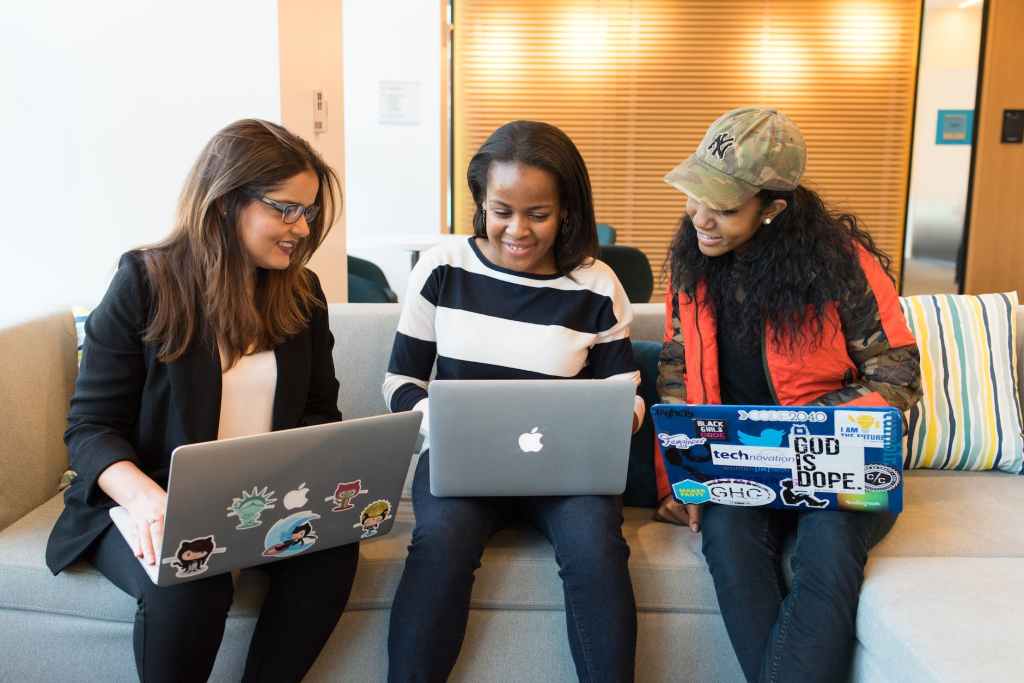
































 The Remote Renaissance