Let’s acknowledge that a shift has reshaped the landscape of the traditional workplace. The once familiar sight of bustling office buildings may be back, but many maintained the hum of laptops and the glow of screens from the comfort of home. Remote work, once considered a luxury reserved for a select few, has become the new norm for millions around the globe.
The allure of remote work is undeniable. It offers freedom from the daily commute, flexibility in managing one’s schedule, and a better work-life balance. Companies have embraced this trend, touting its benefits for employee morale, productivity, and even cost savings. Yet, amidst the widespread adoption of remote work, a shadowy resistance has emerged, lurking just beneath the surface.
Teasing the Mystery: Why are Some Resisting?
As the remote work revolution unfolds, it begs the question: why are some entities pushing back against this seemingly inevitable tide of change? The answer lies in the complex interplay of power dynamics, entrenched interests, and fear of the unknown.
For some, the resistance stems from a fear of losing control. The traditional office environment provided a sense of structure and oversight, allowing managers to monitor their employees’ every move. With remote work, this control slips away, replaced by a reliance on trust and autonomy. This shift challenges the established order, stirring unease among those who benefit from maintaining the status quo.
Moreover, there are vested interests at play, deeply entrenched in the fabric of the commercial real estate industry. For landlords and property developers, the rise of remote work poses a direct threat to their bottom line. Empty office buildings translate to lost revenue, while the prospect of a commercial real estate downturn looms ever closer.
But perhaps most insidious of all is the subtle manipulation of public perception. Through carefully crafted narratives and media campaigns, the resistance seeks to sow doubt and uncertainty, painting remote work as a temporary fad or a productivity drain. By casting doubt on its efficacy, they hope to slow the momentum of change and preserve their own interests.
As we delve deeper into the shadows, we uncover a web of intrigue and deception, where powerful forces conspire to maintain their grip on the traditional workplace. But the truth cannot remain hidden forever. In the pages that follow, we will shine a light on this dark truth, exposing the shadowy resistance to remote work and the impending commercial real estate catastrophe.
The Illusion of Control: Unveiling the Shadowy Resistance
Unraveling the Psychological Resistance to Change
As we delve deeper into the resistance against remote work, we encounter a psychological barrier that looms large in the collective consciousness of organizations: the fear of change. Change, by its very nature, is unsettling. It disrupts routines, challenges comfort zones, and introduces uncertainty into the equation. For many individuals and institutions, the prospect of abandoning the familiar rhythms of the traditional office setting is a daunting one.
The Fear of Losing Control: Uncovering the Power Dynamics
Central to the resistance against remote work is the fear of losing control. In the traditional office environment, managers wielded authority through proximity, able to monitor their employees’ activities and maintain a sense of oversight. With the shift to remote work, this control dissipates, replaced by a reliance on trust and autonomy. This change unsettles established power dynamics, leaving some clinging desperately to the illusion of control that the office once provided.
Exposing the Hidden Agendas: Who Benefits from Resistance?
As we peel back the layers of resistance, we uncover hidden agendas at play, driven by vested interests and economic imperatives. Landlords and property developers, for example, stand to lose significant revenue in a world where office spaces sit empty. Their resistance to remote work is rooted not in principle, but in self-preservation. Similarly, certain corporate entities may resist remote work to maintain the status quo, reluctant to relinquish the control and oversight they once enjoyed.
In shining a light on these hidden agendas, we begin to understand the true motivations behind the resistance to remote work. It is not merely a matter of preference or practicality, but a complex interplay of power dynamics, economic interests, and psychological barriers. Only by confronting these truths head-on can we hope to navigate the path forward towards a more equitable and sustainable future of work.
The Commercial Real Estate Dilemma: A Ticking Time Bomb
The Traditional Workspace Paradigm: Its Fragile Foundation
For decades, the bustling office spaces and towering skyscrapers have been the beating heart of corporate America. But beneath this facade of prosperity lies a fragile foundation built on long-term leases and hefty rents. The traditional workspace paradigm, once a symbol of stability and success, now teeters on the brink of collapse. As the world embraces remote work and virtual collaboration, the demand for physical office space wanes, leaving landlords and property developers scrambling to fill vacancies and maintain profitability.
The Remote Work Revolution: Collapse of Commercial Real Estate Industry
The remote work revolution has ushered in a new era of flexibility and freedom for workers, but it has also exposed the vulnerabilities of the commercial real estate industry. With office vacancies on the rise and property values plummeting, the specter of a collapse looms large on the horizon. The implications of such a collapse extend far beyond the corporate world, with ripple effects that could destabilize the economy as a whole. The government, keenly aware of the potential fallout, is hesitant to see the commercial real estate industry falter. From lost tax revenue to widespread unemployment, the consequences of a collapse would be dire indeed.
A Bail-Out: What It Would Look Like If the US Government Had to Bail Out the Corporate Real Estate Industry
In the event of a commercial real estate collapse, the US government would face a daunting challenge: how to stem the tide of economic devastation and restore stability to the market. A bailout, similar to those provided to the banking and automotive industries during times of crisis, would likely be on the table. Such a bailout could take many forms, from direct financial assistance to struggling landlords and property developers to incentives for companies to return to physical office spaces. However, the prospect of a bailout raises thorny questions about moral hazard and the role of government intervention in the free market. Would a bailout simply prolong the inevitable, or would it provide the breathing room needed for the industry to reinvent itself for the digital age? These are questions that policymakers must grapple with as they confront the looming threat of a commercial real estate catastrophe.
Peeling Back the Layers: The Interconnected Web of Influence
Corporate Interests: Protecting the Status Quo
Behind the scenes of the resistance to remote work lies a labyrinth of corporate interests, each with its own stake in preserving the status quo. For some companies, the traditional office environment represents more than just a place of work – it’s a symbol of corporate identity and culture. The thought of dismantling this structure, with its hierarchies and power dynamics, is met with resistance from those invested in maintaining the existing order. Additionally, there are financial considerations at play. Landlords and property developers, reliant on the steady income from office leases, have a vested interest in thwarting the shift to remote work to protect their bottom line. In the face of mounting pressure to adapt, these corporate interests dig in their heels, determined to cling to the familiar comforts of the past.
Political Entanglements: Lobbying Against Change
The resistance to remote work is not confined to the boardrooms of corporate America; it extends to the hallowed halls of government as well. Political entanglements, fueled by lobbying efforts and campaign contributions, shape the legislative landscape in ways that protect the interests of the powerful. In the case of remote work, this manifests in policies and regulations that favor the traditional office model over its remote counterpart. Lobbying groups, representing the interests of landlords, property developers, and other stakeholders in the commercial real estate industry, wield significant influence over lawmakers, shaping the discourse around remote work and stifling efforts to enact meaningful change. As a result, the transition to remote work is hindered by bureaucratic red tape and outdated regulations, leaving workers and businesses alike trapped in a system designed to preserve the status quo at any cost.
Media Narratives: Shaping Perceptions and Fears
In the age of 24-hour news cycles and social media saturation, media narratives play a crucial role in shaping public perception. When it comes to remote work, these narratives are often shaped by powerful interests seeking to advance their own agenda. Through carefully crafted messaging and strategic placement, media outlets paint remote work as a threat to productivity, collaboration, and even mental health. By amplifying fears and highlighting isolated incidents of remote work gone awry, they sow doubt and uncertainty in the minds of the public, reinforcing the resistance to change. Meanwhile, alternative perspectives – those that champion the benefits of remote work and advocate for its widespread adoption – are marginalized or ignored altogether. In this way, the media becomes complicit in perpetuating the shadowy resistance to remote work, amplifying the voices of the powerful while silencing those who seek to challenge the status quo.
The Path Forward: Navigating the Shadows towards a Solution
Embracing Change: Adapting to the Remote Work Reality
As we stand at the crossroads of the remote work revolution, the path forward requires a willingness to embrace change and adapt to the new realities of the modern workplace. Remote work is not merely a temporary trend, but a fundamental shift in how we approach work and productivity. By embracing this change, companies can unlock a world of possibilities, from increased flexibility and productivity to reduced overhead costs. It’s time to cast aside the outdated notion of the traditional office and embrace the freedom and autonomy that remote work affords.
Redefining Commercial Real Estate: Innovating for the Future
The impending commercial real estate catastrophe demands a radical reimagining of the way we think about space and infrastructure. Instead of clinging to the past, we must look to the future and innovate accordingly. This means repurposing existing office buildings for new uses, such as mixed-use developments or affordable housing. It means investing in technology and infrastructure that support remote work and virtual collaboration. And it means redefining the role of commercial real estate in the digital age, shifting from a focus on physical space to one centered around connectivity and community.
Overcoming Resistance: Empowering Individuals and Organizations
The shadowy resistance to remote work may be formidable, but it is not insurmountable. By empowering individuals and organizations to advocate for change, we can overcome the entrenched interests that seek to preserve the status quo. This means providing support and resources for remote workers, from training and professional development to access to affordable coworking spaces. It means fostering a culture of trust and autonomy within organizations, where remote work is not just tolerated, but embraced as a core principle. And it means holding landlords, property developers, and other stakeholders accountable for their role in perpetuating the resistance to change. Together, we can navigate the shadows towards a brighter future, one where remote work is not just a possibility, but a reality for all.
Conclusion
The Light at the End of the Tunnel: Hope in the Face of Adversity
Despite the shadowy resistance and the looming threat of a commercial real estate catastrophe, there is reason to hope. Change is not only possible but inevitable in the face of shifting paradigms and evolving societal norms. As we navigate the uncertain terrain of the modern workplace, we must hold fast to the belief that a brighter future awaits on the horizon. It may be obscured by the clouds of resistance, but the light at the end of the tunnel shines ever brighter, guiding us towards a new dawn of possibility.
Towards a Brighter, More Resilient Future
Hope alone is not enough; action is required to effect meaningful change. It falls upon us, as individuals and as a society, to take proactive steps towards building a brighter, more resilient future. This means advocating for policies and practices that support remote work and innovation in the commercial real estate industry. It means holding accountable those who seek to preserve the status quo at the expense of progress. And it means fostering a culture of collaboration and creativity, where new ideas can flourish and old paradigms can be challenged.
Joining the Movement: Uniting for Change
In the face of adversity, unity is our greatest strength. We must come together as a community – workers, employers, policymakers, and activists – to confront the shadowy resistance head-on. By joining forces and amplifying our voices, we can overcome the obstacles that stand in the way of progress. Together, we can build a future where remote work is not just a privilege for the few, but a reality for all. It’s time to step out of the shadows and into the light of a brighter, more equitable future.
Revealing the Unthinkable: The Unfolding Doomsday Scenario in America
In recent times, the United States finds itself teetering on the precipice of an unprecedented catastrophe. What was once unthinkable has now become a chilling reality as the nation grapples with an array of existential threats that threaten to plunge it into darkness. From the looming possibility of climate change to the corrosive forces of political polarization, America stands at a crossroads, facing challenges of unparalleled magnitude. This introduction serves as a stark warning, a call to action, as we unveil the harsh realities of the doomsday scenario unfolding in our midst.
Prepare for Impact: Delving into the 25 Terrifying Threats Pushing the Nation to the Edge
As we embark on this harrowing journey, it is imperative to confront the harsh truths that lie ahead. With meticulous research and rigorous analysis, we delve into the 25 terrifying threats that loom over America like a gathering storm. Each threat represents a critical fault line in the nation’s foundation, pushing it ever closer to the brink of collapse. From environmental catastrophes to socio-political upheaval, we leave no stone unturned in our exploration of the forces driving the nation to the edge. Brace yourselves, dear readers, for what lies ahead is not for the faint of heart. It is time to prepare for impact and confront the stark realities that threaten the very fabric of our society.
1. Climate Change: The Slow Burn Towards Extinction
Unleashing Nature’s Fury: From Mega Hurricanes to Infernal Wildfires
As the world grapples with the escalating crisis of climate change, the United States finds itself on the front lines of nature’s wrath. From the devastating impact of mega hurricanes battering coastal communities to the relentless onslaught of infernal wildfires ravaging vast swathes of land, the consequences of a warming planet are all too evident. With each passing year, we bear witness to the increasing ferocity and frequency of these catastrophic events, leaving behind a trail of destruction and despair in their wake. The time for action is now, as we confront the reality of nature’s fury unleashed upon our doorstep.
The Last Stand: How Climate Catastrophes Will Decimate Our Cities
As climate change accelerates, the resilience of our cities is put to the ultimate test. From coastal metropolises threatened by rising sea levels to urban centers engulfed in the flames of wildfires, no city is immune to the looming specter of climate catastrophe. The very foundations of our communities are at risk as infrastructure crumbles under the strain of extreme weather events, leaving millions vulnerable to displacement, injury, and death. The stakes could not be higher as we stand on the brink of witnessing the wholesale destruction of our urban landscapes. The time has come to make our last stand against the forces of nature, to defend our cities against the onslaught of climate chaos.
Race Against Time: Is There Any Hope Left to Save Our Planet?
As the clock ticks ever closer to midnight, the question remains: is there any hope left to save our planet from the ravages of climate change? Despite the daunting challenges we face, there are glimmers of hope on the horizon. From grassroots movements demanding action on climate justice to technological innovations driving the transition to renewable energy, there are signs of progress in the fight against climate change. But time is running out, and the window of opportunity is closing fast. It is up to us to seize this moment, to summon the collective will and courage to confront the greatest existential threat of our time. The fate of our planet hangs in the balance, and the time for action is now.
2. Political Polarization: The Unraveling of Democracy
The Divided States: How Ideological Warfare Tears Our Nation Apart
In the landscape of modern America, ideological warfare has emerged as a potent force tearing at the very fabric of our society. From the halls of Congress to the dinner tables of American homes, deep-seated divisions have sown discord and animosity among citizens. Political polarization has transformed debates into battlegrounds, where compromise is seen as weakness and demonization of the opposition is the norm. The once-unifying ideals of democracy have been supplanted by tribalism and partisanship, creating a fractured nation where unity seems increasingly out of reach. The consequences of this division are dire, threatening the stability and integrity of our democratic institutions.
Democracy’s Demise: Watching Trust in Our Institutions Crumble
As political polarization intensifies, the erosion of trust in our democratic institutions has reached alarming levels. Confidence in government, the media, and other pillars of democracy has plummeted as partisan rhetoric and disinformation campaigns sow doubt and skepticism. The very foundations of our democracy are under siege, with public faith in the electoral process, the rule of law, and the legitimacy of government institutions eroding by the day. In the absence of trust, the social contract that binds us together as a nation is in jeopardy, leaving us vulnerable to the forces of authoritarianism and tyranny. The decline of trust in our institutions is a harbinger of democracy’s demise, signaling a dangerous drift towards autocracy and despotism.
The Final Showdown: Are We Headed for a Civil War?
Amidst the backdrop of political polarization and eroding trust, the specter of civil conflict looms large over America. The growing divide between ideological factions has created a powder keg of social unrest and volatility, with tensions reaching a boiling point. The rhetoric of civil war is no longer relegated to the fringes of political discourse but has seeped into mainstream consciousness, fueled by inflammatory rhetoric and escalating acts of violence. While the prospect of all-out conflict may seem remote, the signs of societal fracture are unmistakable, raising troubling questions about the future of our democracy. As we stand on the brink of a potential showdown, the fate of our nation hangs in the balance, with the specter of civil war casting a long shadow over our collective future.
3. Economic Inequality: The Great Divide Widens
Feeding the Elite: How the 1% Tightens Their Grip on America
In the landscape of America’s economic landscape, the chasm between the wealthy elite and the rest of society continues to widen at an alarming rate. The wealthiest 1% of individuals have amassed unprecedented levels of wealth and power, consolidating their influence over the economy and political system. Through a combination of favorable tax policies, corporate loopholes, and financial deregulation, the elite have entrenched their position at the top, while the vast majority of Americans struggle to make ends meet. This concentration of wealth and power not only exacerbates economic inequality but also undermines the principles of democracy, as the interests of the few outweigh the needs of the many. The unchecked dominance of the elite threatens to erode the social fabric of our nation, perpetuating a system of privilege and inequality that undermines the promise of equal opportunity for all.
Trapped in Poverty: Descending into a Dystopian Nightmare
For millions of Americans, the American Dream has become an elusive fantasy, as economic inequality traps them in a cycle of poverty and despair. Despite working multiple jobs and striving for a better future, many find themselves struggling to afford basic necessities such as housing, healthcare, and education. The gap between the haves and have-nots continues to widen, as economic opportunities become increasingly concentrated in the hands of the wealthy elite. This growing underclass faces systemic barriers to upward mobility, including inadequate access to education, discriminatory hiring practices, and limited social safety nets. As poverty deepens and social mobility stagnates, America risks descending into a dystopian nightmare, where the promise of a better future becomes a distant memory for those left behind by an unjust economic system.
Revolution Brewing: Will Economic Collapse Spark the End?
As economic inequality reaches unprecedented levels, the specter of revolution looms large over America. The stark disparities in wealth and opportunity have ignited simmering discontent among the disenfranchised, fueling calls for radical change and systemic reform. The growing chorus of voices demanding economic justice and equity threatens to upend the status quo, as the seeds of revolution take root in the fertile soil of economic inequality. While the prospect of widespread social upheaval may seem remote, history has shown that economic collapse can serve as a catalyst for revolutionary change. As the gap between the rich and poor continues to widen, America stands at a crossroads, with the fate of the nation hanging in the balance. The question remains: will economic collapse spark the end of the American experiment, or will it serve as the catalyst for a new era of justice and equality?
4. Natural Disasters: Nature’s Wrath Unleashed
Apocalypse Now: Battling the Forces of Hurricanes, Wildfires, and Earthquakes
In the ever-changing landscape of climate dynamics, natural disasters have emerged as one of the most formidable challenges facing America. From the relentless fury of hurricanes battering coastal communities to the infernos of wildfires consuming vast expanses of land, and the seismic tremors of earthquakes shaking our foundations, the nation finds itself in a constant state of battle against the forces of nature. The toll of these disasters is measured not just in lives lost and property destroyed but also in the long-lasting trauma inflicted on communities struggling to recover and rebuild. As climate change intensifies, the frequency and severity of these disasters are only expected to escalate, posing a grave threat to the safety and well-being of all Americans.
Infrastructure on the Brink: How Our Cities Will Crumble in Disaster
As natural disasters wreak havoc across the nation, the fragility of our infrastructure is laid bare for all to see. From crumbling roads and bridges to overwhelmed drainage systems and inadequate emergency response mechanisms, the vulnerabilities of our built environment are exposed in the face of disaster. The cost of inaction is staggering, as billions of dollars are lost in damage and economic disruption with each passing catastrophe. Without significant investment in infrastructure resilience and adaptation, our cities are poised on the brink of collapse, unable to withstand the onslaught of nature’s fury. The time to fortify our infrastructure and prepare for the inevitable is now, lest we face catastrophic consequences in the wake of the next disaster.
Facing the Abyss: Can America Survive Nature’s Fury?
As America confronts the escalating threat of natural disasters, the question on everyone’s mind is whether we have the resilience and fortitude to weather the storm. The challenges we face are immense, but not insurmountable. Through proactive planning, investment in resilient infrastructure, and community-driven disaster preparedness efforts, we can bolster our defenses and mitigate the impact of future disasters. But the window of opportunity is narrowing, and the consequences of inaction are dire. The fate of our nation hangs in the balance as we stand on the precipice of the abyss, grappling with the existential threat of nature’s fury. It is up to us to rise to the challenge, to unite in the face of adversity, and to ensure that America not only survives but thrives in the uncertain times ahead.
5. Pandemic Preparedness: The Plague That Will Devour Us All
COVID Catastrophe: How the Virus Brought America to Its Knees
In the annals of modern history, few events have had as profound an impact on the fabric of society as the COVID-19 pandemic. From its origins in a bustling market in Wuhan to its rapid spread across continents, the virus unleashed a wave of devastation unlike anything the world had seen in generations. In America, the toll of the pandemic was staggering, as hospitals were overwhelmed, economies were shattered, and lives were lost by the hundreds of thousands. The response was marked by chaos, confusion, and political division, as the nation struggled to come to grips with the enormity of the crisis. The COVID catastrophe laid bare the vulnerabilities of our healthcare system, the inadequacies of our public health infrastructure, and the deep-seated inequities that plague our society. It was a wake-up call of epic proportions, one that will reverberate for years to come.
The Next Pandemic: Are We Ready for the Apocalypse?
As the dust begins to settle on the COVID-19 pandemic, the specter of the next global health crisis looms large on the horizon. While the world grapples with the immediate aftermath of the current pandemic, experts warn that it is only a matter of time before the next deadly pathogen emerges, potentially even more virulent and destructive than its predecessor. The question on everyone’s mind is whether we are prepared for the apocalypse that awaits us. Despite the lessons learned from COVID-19, significant gaps remain in our pandemic preparedness efforts, from inadequate vaccine distribution systems to underfunded public health agencies. The stakes could not be higher, as the fate of humanity hangs in the balance. The time to act is now, to shore up our defenses, bolster our resilience, and ensure that we are ready for whatever the future may hold.
Falling into Darkness: The Consequences of Ignorance and Denial
In the aftermath of the COVID-19 pandemic, the consequences of ignorance and denial are laid bare for all to see. From world leaders downplaying the severity of the crisis to individuals refusing to adhere to public health guidelines, the failure to confront the pandemic head-on has exacted a heavy toll on society. Lives have been needlessly lost, economies have been plunged into recession, and trust in institutions has been eroded. The consequences of our collective inaction are dire, as we teeter on the brink of a dark and uncertain future. It is imperative that we learn from the mistakes of the past, that we heed the warnings of experts, and that we unite in our efforts to confront the existential threat posed by pandemics. The alternative is too grim to contemplate, as we risk falling into darkness, with no hope of return.
6. Nuclear Proliferation: Countdown to Annihilation
The Doomsday Clock Ticks Closer: Nuclear Armageddon Looms Large
In the shadowy realm of global geopolitics, the specter of nuclear annihilation looms ominously over the collective consciousness of humanity. With each passing day, the hands of the Doomsday Clock inch ever closer to midnight, signaling the precariousness of our existence in a world armed to the teeth with weapons of mass destruction. The nuclear arsenals of the world’s superpowers stand ready to unleash devastation on an unimaginable scale, capable of extinguishing life as we know it in a matter of minutes. The stakes could not be higher, as the specter of nuclear war casts a dark shadow over the future of civilization. The time has come for decisive action to avert this existential threat and secure a future free from the specter of nuclear annihilation.
Playing with Fire: How the World’s Superpowers Gamble with Our Future
In the high-stakes game of international politics, the world’s superpowers engage in a dangerous dance of brinkmanship, playing with fire on the precipice of nuclear catastrophe. From saber-rattling rhetoric to provocative military maneuvers, the simmering tensions between nuclear-armed states threaten to ignite into open conflict at any moment. The consequences of such a confrontation would be catastrophic, with untold millions facing death and destruction in the blink of an eye. Yet, the allure of power and prestige blinds leaders to the perils of their actions, as they gamble with the future of humanity in pursuit of geopolitical dominance. It is a perilous game, one that risks unleashing the fires of hell upon the earth if left unchecked.
Nuclear Winter: The End Draws Near for Humanity
As the world teeters on the brink of nuclear war, the specter of nuclear winter looms large over humanity, casting a chilling shadow over the prospects for survival. The aftermath of a nuclear exchange would be nothing short of apocalyptic, as the detonation of thousands of warheads would blanket the earth in a shroud of darkness and death. The resulting nuclear winter would plunge the planet into a deep freeze, rendering vast swathes of land uninhabitable and decimating global food supplies. In the face of such existential peril, the time for action is now. We must work tirelessly to dismantle the nuclear arsenals that threaten our existence, to forge a path towards peace and disarmament, and to ensure that the specter of nuclear annihilation is banished from our collective consciousness once and for all. The stakes could not be higher, for the fate of humanity hangs in the balance.
7. Social Division: America’s Civil War Redux
Hatred Unleashed: The Culture Wars That Tear Our Country Apart
In modern America, simmering tensions have erupted into a full-blown culture war, tearing at the very fabric of our nation. Ideological differences that were once debated civilly have devolved into bitter animosity and deep-seated hatred, as polarized factions vie for dominance in the cultural landscape. Issues such as race, gender, and identity have become battlegrounds for ideological warfare, fueling resentment and division among Americans. The rhetoric of hatred and intolerance has been unleashed, poisoning the well of public discourse and sowing the seeds of discord. The culture wars threaten to tear our country apart, leaving scars that may never heal.
The Second Civil War: How Ideological Battles Will Lead to Bloodshed
As social divisions deepen and tensions escalate, the specter of a second civil war looms large over America. Ideological battles that were once fought with words are now being waged with weapons, as extremists on both sides of the political spectrum resort to violence to advance their agendas. From armed militias patrolling the streets to acts of domestic terrorism targeting political opponents, the signs of impending conflict are unmistakable. The fabric of civil society is unraveling before our eyes, as the forces of extremism and intolerance threaten to plunge the nation into chaos and bloodshed. The prospect of a second civil war is a chilling reminder of the fragility of democracy and the dangers of unchecked polarization.
A Nation Divided: Can We Ever Bridge the Chasm?
In the face of escalating social division, the question of whether America can ever bridge the chasm that separates us has never been more urgent. The wounds of the culture wars run deep, and the scars of past conflicts linger on, dividing us along lines of race, class, and ideology. Yet, amidst the darkness, there remains a glimmer of hope. Across the country, individuals and communities are coming together to bridge the divides that threaten to tear us apart. From grassroots movements advocating for social justice to initiatives promoting dialogue and understanding, there are signs of progress in the fight against division and hatred. The road ahead will be long and arduous, but if we summon the courage to confront our differences and embrace our shared humanity, there is hope that we can heal the wounds of division and build a more inclusive and united nation.
Bridges to Oblivion: The Crumbling Infrastructure That Will Seal Our Fate
Across the nation, America’s infrastructure is in a state of disrepair, with bridges serving as harbingers of the impending collapse that threatens to seal our fate. Decades of neglect and underinvestment have taken their toll, leaving critical infrastructure vulnerable to catastrophic failure. From rusting steel beams to crumbling concrete supports, the signs of decay are unmistakable, as our bridges teeter on the brink of oblivion. The consequences of inaction are dire, with the potential for loss of life and economic devastation looming large. The time to address America’s crumbling infrastructure is now, before it’s too late.
On the Verge of Implosion: America’s Cities on the Brink of Collapse
As America’s infrastructure continues to decay, its cities stand on the verge of implosion, teetering on the brink of collapse under the weight of neglect and disrepair. From aging water and sewer systems to outdated transportation networks, the infrastructure that forms the backbone of our urban centers is in a state of crisis. With each passing day, the risk of catastrophic failure grows, threatening the safety and well-being of millions of Americans. The consequences of allowing our cities to crumble are unthinkable, with the potential for widespread chaos and social unrest. The time for action is now, to invest in the revitalization of our urban infrastructure and ensure the survival of our cities for generations to come.
Death by Neglect: Is There Any Hope Left to Save Our Nation?
In the face of America’s crumbling infrastructure, the question of whether there is any hope left to save our nation hangs heavy in the air. Years of neglect and underinvestment have brought us to the brink of disaster, with critical infrastructure on the verge of collapse and the safety and security of millions of Americans hanging in the balance. Yet, amidst the darkness, there remains a glimmer of hope. Through bold leadership and decisive action, we can reverse the tide of decay and rebuild America’s foundations stronger than ever before. It will require political will, financial investment, and a commitment to the common good, but the future of our nation depends on it. The time to act is now, before it’s too late.
9. Biodiversity Loss: The Silent Extinction
The Sixth Mass Extinction: Witnessing the Vanishing of Life on Earth
In the quiet corners of our planet, a silent but devastating crisis unfolds: the sixth mass extinction event. With each passing day, species disappear from the face of the Earth at an alarming rate, driven to extinction by human activity and environmental degradation. From majestic creatures like the African elephant to tiny organisms teeming in our oceans, the loss of biodiversity is a tragedy of epic proportions. The delicate balance of life that has evolved over millions of years is unraveling before our eyes, as habitats are destroyed, ecosystems are disrupted, and entire species vanish into oblivion. The sixth mass extinction is not just a threat to the natural world; it is a threat to humanity itself, as we rely on biodiversity for the air we breathe, the food we eat, and the water we drink. The time to act is now, before it’s too late to reverse the course of destruction and save what remains of our planet’s precious biodiversity.
Ecosystems in Collapse: The Unraveling of Nature’s Web of Life
As biodiversity loss accelerates, ecosystems around the world are on the brink of collapse, unraveling the intricate web of life that sustains all living things. From coral reefs bleached by rising ocean temperatures to rainforests decimated by deforestation, the signs of ecological breakdown are everywhere. Each species lost reverberates through the ecosystem like a thread pulled from a tapestry, weakening the fabric of life that binds us all together. The consequences of ecosystem collapse are far-reaching, affecting everything from food security and clean water to climate stability and disease control. The unraveling of nature’s web of life threatens not just the survival of individual species, but the very foundations of life on Earth. It is a crisis of our own making, born of greed, ignorance, and shortsightedness. But it is not too late to change course, to protect and restore the ecosystems that sustain us and ensure a future for generations to come.
The Last Stand: Can Humanity Prevent Its Own Demise?
In the face of the silent extinction unfolding before us, the question of whether humanity can prevent its own demise looms large. The fate of our planet hangs in the balance, as we stand at a crossroads between continued destruction and a new era of conservation and stewardship. The choices we make in the coming years will determine the fate of millions of species, including our own. Will we continue down the path of ecological destruction, plundering the Earth’s resources until there is nothing left? Or will we rise to the challenge, recognizing our role as stewards of the planet and working tirelessly to protect and preserve its biodiversity? The answer lies in our hands, and the time to act is now. Together, we can make the last stand for biodiversity, ensuring a future where all life thrives and flourishes on our beautiful planet.
10. Global Debt Crisis: The Debtors’ Apocalypse
Enslaved by Debt: How Financial Servitude Will Drag America to Its Knees
In the arena of global finance, America finds itself ensnared in a web of debt that threatens to suffocate its economy and drag the nation to its knees. From ballooning national deficits to skyrocketing consumer debt, the specter of financial servitude looms large over the nation, enslaving millions in a cycle of borrowing and repayment. As interest payments soar and debt burdens mount, the resources available for vital public services such as healthcare, education, and infrastructure dwindle, exacerbating inequality and stifling economic growth. The consequences of America’s addiction to debt are far-reaching, eroding the nation’s fiscal stability and undermining its global competitiveness. The time has come to confront the harsh realities of financial enslavement and chart a path towards fiscal responsibility and economic resilience.
The Debt Time Bomb: Ticking Down to Economic Annihilation
Amidst the backdrop of escalating debt levels, the world stands on the brink of a debt time bomb, ticking down to economic annihilation. With each passing day, the burden of debt grows heavier, threatening to detonate with catastrophic consequences for the global economy. From sovereign debt crises in developing nations to the mountain of corporate and household debt weighing down advanced economies, the fuse has been lit on a potential financial meltdown of epic proportions. The fallout from such an event would be swift and severe, with markets crashing, banks failing, and millions facing unemployment and poverty. The debt time bomb is not a distant threat; it is a ticking time bomb that demands urgent attention and decisive action before it’s too late.
A World in Chains: The Inevitable Collapse of the Global Economy
As the global debt crisis deepens, the inevitability of an economic collapse looms large over the world, casting a shadow of uncertainty and fear over the future of humanity. From the halls of power in Washington to the trading floors of Wall Street, the signs of impending doom are unmistakable, as debt burdens reach unsustainable levels and financial systems teeter on the brink of collapse. The consequences of such a collapse would be catastrophic, with the potential for social unrest, political upheaval, and even war. The chains of debt that bind the world are tightening with each passing day, threatening to drag us all into the abyss of economic ruin. But there is still hope. Through prudent fiscal management, responsible borrowing, and international cooperation, we can break free from the chains of debt and forge a path towards a more stable and prosperous future for all. The time to act is now, before it’s too late to prevent the debtors’ apocalypse.
11. Water Scarcity: The Thirsty Apocalypse
Water Wars: Fighting for Survival in a World of Drought and Desperation
In the parched landscapes of our planet, water scarcity has emerged as a looming crisis, threatening to ignite conflicts and wars over this most precious resource. From the arid regions of the Middle East to the drought-stricken plains of Africa, communities are locked in a desperate struggle for survival as water sources dwindle and disappear. As populations grow and climates change, the demand for water is outpacing the available supply, leading to tensions and conflicts that threaten to engulf entire regions in chaos and violence. The specter of water wars looms large over the world, posing a dire threat to peace, stability, and human security. The time to act is now, to prioritize water conservation, management, and cooperation before it’s too late to avert the thirsty apocalypse.
Dry Wells, Empty Reservoirs: How Water Scarcity Will Push America to the Brink
In America, the possibility of water scarcity is no longer confined to distant lands; it is knocking on our doorstep, threatening to push the nation to the brink of crisis. From dry wells in California to empty reservoirs in the Southwest, communities across the country are grappling with the harsh realities of water scarcity. As climate change intensifies and populations grow, the demand for water is rapidly outstripping the available supply, leading to droughts, water restrictions, and economic hardships. The consequences of water scarcity are far-reaching, affecting everything from agriculture and industry to public health and sanitation. The time to address America’s water crisis is now, before dry wells and empty reservoirs become the new normal and push the nation to the brink of disaster.
Thirsting for Hope: Can We Quench Our Nation’s Insatiable Demand?
In the face of water scarcity, the question of whether we can quench our nation’s insatiable demand for water looms large over America. The challenges we face are immense, but not insurmountable. Through sustainable water management practices, conservation efforts, and investment in water infrastructure, we can secure a future where every American has access to clean, safe, and reliable water sources. But it will require bold leadership, political will, and collective action to overcome the entrenched interests and systemic barriers that stand in our way. The time to act is now, to ensure that future generations inherit a world where water flows freely and abundantly, rather than one plagued by drought, scarcity, and desperation.
12. Political Instability: America’s House of Cards
Democracy in Decay: Watching the Demise of Our Once-Great Nation
As political turmoil grips the nation, America’s democracy teeters on the brink of decay, casting a shadow of doubt over the future of our once-great nation. From rampant corruption and electoral fraud to the erosion of civil liberties and democratic norms, the foundations of our political system are under assault from within. The voices of the people are drowned out by the influence of powerful elites and special interests, while the institutions meant to safeguard our democracy falter in the face of relentless attacks. As trust in government reaches historic lows and polarization reaches dangerous heights, the very essence of democracy hangs in the balance. The time to confront the decay of our democracy is now, before it’s too late to salvage the promise of freedom, justice, and equality upon which our nation was founded.
The People vs. The Powerful: A Nation on the Brink of Revolution
In the corridors of power, a struggle rages between the people and the powerful, as America stands on the brink of revolution. Fueled by anger and frustration over economic inequality, social injustice, and political corruption, millions take to the streets in protest, demanding change and accountability from their leaders. The widening chasm between the haves and have-nots threatens to engulf the nation in a maelstrom of unrest and upheaval, as the forces of revolution clash with the defenders of the status quo. The outcome of this struggle will shape the future of America for generations to come, determining whether we remain a beacon of democracy and freedom or descend into tyranny and oppression. The stakes could not be higher, as the fate of our nation hangs in the balance.
The Final Hour: Can America Survive the Storm of Corruption and Despotism?
As political instability reaches a fever pitch, America stands at the final hour, teetering on the edge of a precipice from which there may be no return. The storm of corruption and despotism rages unabated, threatening to engulf the nation in darkness and despair. The pillars of democracy tremble under the weight of authoritarianism and tyranny, as the rule of law is subverted and the rights of the people are trampled upon. Yet, amidst the chaos and uncertainty, there remains a glimmer of hope. The resilience and resolve of the American people have been tested time and time again throughout history, and each time, they have risen to the challenge, reclaiming their democracy and forging a path towards a brighter future. The time has come to summon that same spirit of courage and determination, to stand united against the forces of oppression and tyranny, and to ensure that America survives the storm and emerges stronger than ever before.
13. Resource Depletion: Plundering the Planet’s Bounty
Killing the Earth: How Greed and Exploitation Push Our Planet to the Brink
Across the globe, the relentless pursuit of profit and exploitation has led to the plundering of our planet’s precious resources, pushing us to the brink of ecological collapse. From deforestation and overfishing to strip mining and oil drilling, humanity’s insatiable greed knows no bounds as we extract and consume the Earth’s bounty at an unsustainable pace. The consequences of our actions are devastating, as ecosystems are destroyed, biodiversity is lost, and the delicate balance of nature is thrown into disarray. The rape of the Earth is not just a crime against nature; it is a crime against future generations, who will inherit a world stripped bare of its natural beauty and abundance. The time has come to confront the destructive forces of greed and exploitation and chart a new course towards sustainability and stewardship of our planet’s resources.
Robbing Our Future: Watching Our Resources Disappear Before Our Eyes
As humanity continues to plunder the planet’s resources, we watch helplessly as our future slips away before our eyes. The once-abundant forests are reduced to barren wastelands, the rivers run dry, and the oceans are depleted of life. The consequences of resource depletion are felt far and wide, from the loss of livelihoods for indigenous communities to the exacerbation of climate change and environmental degradation. Yet, despite the warnings of scientists and environmentalists, we continue to rob our future for short-term gain, sacrificing the well-being of future generations for the sake of profit and convenience. The time to act is now, before it’s too late to reverse course and restore the balance of nature that sustains us all.
The Last Harvest: Can Humanity Reverse Course Before It’s Too Late?
As we stand on the precipice of ecological collapse, the question of whether humanity can reverse course before it’s too late weighs heavily on our minds. The challenges we face are daunting, but not insurmountable. Through concerted efforts to reduce consumption, promote sustainable practices, and protect and restore ecosystems, we can begin to heal the wounds inflicted upon our planet. But it will require bold leadership, collective action, and a fundamental shift in our values and priorities. The last harvest may be upon us, but it is not too late to sow the seeds of change and cultivate a future where humanity lives in harmony with nature, rather than plundering its bounty for our own selfish ends. The time to act is now, for the sake of our planet and all who call it home.
14. Healthcare Collapse: The Epidemic of Despair
Struggling for Breath: How America’s Healthcare System Buckles Under Pressure
In the corridors of hospitals and clinics across America, the healthcare system groans under the weight of mounting pressure, leaving patients struggling for breath in the face of an epidemic of despair. From exorbitant costs and limited access to essential services to overcrowded emergency rooms and overworked healthcare professionals, the cracks in the foundation of our healthcare system are widening with each passing day. For millions of Americans, access to quality healthcare remains a distant dream, as they navigate a labyrinth of bureaucracy and financial barriers in search of the care they need. The toll on human lives is immeasurable, as preventable illnesses go untreated, chronic conditions worsen, and lives are needlessly lost. The time to address America’s healthcare crisis is now, before the epidemic of despair claims even more victims.
Denied Care: The Plight of the Sick and Vulnerable in a Broken System
As America’s healthcare system buckles under pressure, the plight of the sick and vulnerable becomes ever more dire in a broken system that denies care to those who need it most. From patients with pre-existing conditions denied coverage to those forced to choose between paying for medication or putting food on the table, the stories of suffering are heart-wrenching and all too common. The human cost of our broken healthcare system is staggering, as lives are needlessly lost and families are torn apart by the financial burden of medical debt. Yet, amidst the despair, there remains a glimmer of hope. Through advocacy, activism, and political will, we can work together to build a healthcare system that provides quality, affordable care for all Americans, regardless of their income or background. The time to act is now, to ensure that no one is denied the care they need to live healthy and fulfilling lives.
Prescription for Disaster: Will America’s Healthcare Crisis Be Its Undoing?
As America’s healthcare crisis deepens, the question of whether it will be our undoing weighs heavily on our minds. The consequences of inaction are dire, with the potential for widespread suffering, economic turmoil, and social unrest. The stakes could not be higher, as the health and well-being of millions of Americans hang in the balance. Yet, amidst the darkness, there remains hope. Through bold leadership, innovative solutions, and a commitment to putting people before profits, we can overcome the challenges facing our healthcare system and build a future where everyone has access to the care they need to thrive. The time to act is now, before America’s healthcare crisis becomes its undoing.
15. Technological Dependency Risks: Vulnerabilities in the Digital Age
Cyber Armageddon: How Hackers Could Bring America to Its Knees
In the interconnected world of the 21st century, America faces an unprecedented threat: the looming specter of cyber Armageddon. As our reliance on technology grows, so too does our vulnerability to cyber attacks that could bring our nation to its knees. From state-sponsored hackers targeting critical infrastructure to cybercriminals stealing sensitive data from businesses and government agencies, the potential for devastation is staggering. A successful cyber attack could cripple our economy, disrupt essential services, and undermine national security, with far-reaching consequences for millions of Americans. The time to bolster our cyber defenses and prepare for the worst is now, before it’s too late to prevent cyber Armageddon.
Relying on the Unreliable: The Dangers of Putting Our Faith in Technology
As we embrace the promise of technology, we also expose ourselves to the dangers of relying on the unreliable. From software glitches and hardware failures to malicious actors exploiting vulnerabilities in our digital infrastructure, the risks inherent in our technological dependency are manifold. Yet, despite the warnings of experts, we continue to place our faith in technology, entrusting it with our most sensitive information and critical systems. The consequences of this blind trust are dire, as we leave ourselves vulnerable to exploitation and manipulation by those who seek to do us harm. The time has come to reassess our relationship with technology and recognize the need for greater resilience and redundancy in our digital systems.
A Nation Exposed: Can America Defend Itself Against the Dark Side of Innovation?
In the face of growing technological dependency risks, the question of whether America can defend itself against the dark side of innovation looms large. The challenges we face are immense, but not insurmountable. Through investments in education and research, we can strengthen our defenses and mitigate the risks posed by cyber threats. By fostering a culture of vigilance and resilience, we can empower individuals and organizations to identify and respond to cyber attacks before they cause irreparable harm. The time to act is now, before America’s technological vulnerabilities expose us to the mercy of those who seek to exploit them for their own gain.
16. Urbanization Challenges: Cities at the Breaking Point
Concrete Jungles: How Urbanization Is Strangling America’s Soul
As America’s population continues to migrate towards urban centers, our cities are transforming into concrete jungles that threaten to suffocate the soul of our nation. From towering skyscrapers to sprawling highways, the relentless march of urbanization is reshaping the landscape of our country, displacing communities, destroying green spaces, and erasing the unique character of our cities. The consequences of this unchecked growth are profound, as congestion, pollution, and inequality reach epidemic levels, leaving residents feeling disconnected and alienated from the places they call home. The time has come to reclaim the soul of our cities, to prioritize people over profit and create urban environments that nurture the human spirit rather than suffocating it.
Infrastructure Overload: The Collapse of Our Cities Under the Weight of Progress
As America’s cities continue to grow, the strain on infrastructure reaches a breaking point, threatening to unleash chaos and catastrophe on a scale never before seen. From crumbling roads and bridges to overwhelmed public transit systems, the signs of infrastructure overload are everywhere, as our cities struggle to keep pace with the demands of a rapidly expanding population. The consequences of this infrastructure collapse are far-reaching, affecting everything from public safety and economic competitiveness to quality of life and environmental sustainability. The time to invest in the revitalization and expansion of our urban infrastructure is now, before it’s too late to prevent the collapse of our cities under the weight of progress.
Urban Exodus: Will America’s Cities Become Ghost Towns in the Apocalypse?
As the challenges of urbanization mount, the specter of an urban exodus looms large over America’s cities, threatening to transform bustling metropolises into desolate ghost towns in the apocalypse. From skyrocketing housing costs and gentrification to crime and social unrest, the factors driving people away from urban centers are myriad and complex. The consequences of this mass migration are profound, as businesses shutter, neighborhoods decay, and the fabric of urban life unravels before our eyes. The time to address the root causes of the urban exodus is now, before it’s too late to prevent the collapse of our cities and the demise of the communities that call them home.
17. Social Unrest: Fissures in Society
Rage Against the Machine: The Coming Uprising of the Dispossessed
Across America, a simmering rage brews among the dispossessed, threatening to erupt into a tidal wave of social unrest against the machine of oppression and inequality. From marginalized communities denied justice and opportunity to working-class families struggling to make ends meet, the voices of the unheard grow louder with each passing day, demanding change and accountability from those in power. The tinderbox of social injustice is ready to ignite, fueled by centuries of systemic racism, economic exploitation, and political disenfranchisement. The coming uprising of the dispossessed will shake the foundations of our society to its core, challenging the status quo and demanding a more just and equitable future for all Americans. The time for complacency is over; the time for action is now.
The Great Rebellion: How Social Injustice Will Ignite America’s Streets
As social injustice continues to fester and metastasize, the stage is set for the great rebellion that will ignite America’s streets and shake the nation to its core. From mass protests and civil disobedience to acts of civil disobedience and direct action, the forces of change are mobilizing, driven by a collective desire to tear down the walls of oppression and build a more equitable society in its place. The flames of discontent are spreading like wildfire, fueled by the injustices that pervade every aspect of American life, from the criminal justice system to the economy. The great rebellion is not a question of if, but when, and the consequences will be felt for generations to come. The time for revolution is at hand; the time for justice is now.
Society on the Brink: Can America Survive the Chaos of Revolution?
As America teeters on the brink of revolution, the question of whether our society can survive the chaos and upheaval that lies ahead looms large. The challenges we face are daunting, but not insurmountable. Through dialogue, reconciliation, and a commitment to addressing the root causes of social unrest, we can build a more just and equitable society that serves the needs of all Americans, not just the privileged few. But it will require courage, determination, and a willingness to confront the uncomfortable truths that have long been swept under the rug. The time to act is now, before the fires of revolution consume us all and leave nothing but ashes in their wake.
18. Technological Unemployment: Automation’s Dark Side
Jobless Future: How Automation Will Leave Millions Behind
As automation continues to advance at breakneck speed, the specter of a jobless future looms large over America, threatening to leave millions of workers behind in the relentless march of progress. From factory floors to corporate boardrooms, no industry is immune to the disruptive forces of automation, as machines and algorithms replace human labor at an unprecedented rate. The consequences of this technological revolution are profound, as jobs disappear, incomes stagnate, and economic inequality widens. The promise of a better future for all is quickly giving way to a dystopian reality where only the privileged few reap the benefits of automation, while the rest are left to fend for themselves in a world that no longer needs their labor. The time to confront the dark side of automation is now, before it’s too late to prevent the mass displacement and social upheaval that lies ahead.
Robots vs. Humanity: The Battle for Survival in the Age of Machines
In the age of machines, humanity finds itself locked in a battle for survival against the relentless march of automation. From self-driving cars and delivery drones to robotic assembly lines and virtual assistants, the forces of technology are reshaping the very fabric of our society, threatening to render human labor obsolete in the process. But this is not just a battle for jobs; it is a battle for the soul of humanity itself. As machines take on ever more complex tasks and algorithms dictate our every move, we risk losing sight of what it means to be human, as our worth becomes measured not by our creativity, compassion, and ingenuity, but by our productivity and efficiency. The time to reclaim our humanity is now, before it’s too late to stem the tide of automation and preserve the dignity and worth of every individual in the face of technological advancement.
The End of Work: Is America Headed for Economic Armageddon?
As automation accelerates and jobs disappear at an alarming rate, the question of whether America is headed for economic armageddon weighs heavily on our minds. The consequences of widespread technological unemployment are dire, with the potential for mass poverty, social unrest, and political instability. Yet, amidst the darkness, there remains hope. Through investments in education, training, and re-skilling, we can prepare workers for the jobs of tomorrow and ensure that no one is left behind in the transition to an automated economy. By embracing the opportunities presented by automation rather than fearing them, we can build a future where technology serves humanity rather than replaces it, where innovation creates new opportunities for growth and prosperity for all. The time to act is now, before the end of work becomes a reality and America faces its darkest hour.
19. Authoritarianism: The Rise of the Dictators
Tyrants Among Us: How Authoritarianism Is Creeping into America’s Heart
In the land of the free, the specter of authoritarianism is creeping into America’s heart, threatening to erode the foundations of our democracy and undermine the values that we hold dear. From the rise of populist leaders who stoke fear and division to the erosion of civil liberties and attacks on the free press, the signs of authoritarianism are unmistakable. The concentration of power in the hands of a few threatens to subvert the will of the people and undermine the checks and balances that are essential to the functioning of a healthy democracy. The time to confront the tyrants among us is now, before the flames of authoritarianism consume the very essence of American freedom and democracy.
Democracy’s Last Stand: Fighting Back Against the Forces of Despotism
As authoritarianism tightens its grip on America, democracy stands at its last stand, facing off against the forces of despotism in a battle for the soul of our nation. From the halls of Congress to the streets of our cities, the fight for freedom and justice rages on, as ordinary citizens band together to resist the tide of authoritarian rule. The stakes could not be higher, as the very future of democracy hangs in the balance. But the spirit of resistance is strong, as Americans from all walks of life come together to defend the principles that have long defined our nation. The time to stand up and be counted is now, before democracy falls victim to the tyranny of the few.
Freedom’s Funeral: Can America Escape the Grip of Dictatorship?
As America stands at the crossroads between democracy and dictatorship, the question of whether we can escape the grip of authoritarianism weighs heavily on our minds. The challenges we face are immense, but not insurmountable. Through vigilance, resilience, and a commitment to upholding the principles of freedom, equality, and justice, we can reclaim our democracy from the clutches of dictatorship and build a future where all Americans are free to pursue their dreams without fear of repression or persecution. But it will require courage, determination, and a willingness to confront the forces of tyranny that seek to divide and conquer us. The time to fight for freedom is now, before it’s too late to mourn the funeral of freedom in America.
20. Environmental Pollution: Poisoning the Planet
Choking on Toxic Air: The Deadly Consequences of Pollution
As industrialization and urbanization continue to spread, the air we breathe is becoming increasingly toxic, leading to devastating consequences for human health and the environment. From smog-choked cities to industrial pollution hotspots, millions of people around the world are suffering the consequences of breathing polluted air. The health effects are profound, ranging from respiratory illnesses and cardiovascular disease to neurological disorders and cancer. But the impacts of air pollution extend beyond human health, with ecosystems and wildlife also paying a heavy price for our reliance on fossil fuels and other polluting industries. The time to take action is now, before we choke on the toxic air that threatens to suffocate life on Earth.
Drowning in Waste: How Our Throwaway Culture Is Killing the Earth
In the age of consumerism, we are drowning in a sea of waste, as our throwaway culture takes its toll on the planet. From single-use plastics clogging our oceans and waterways to mountains of electronic waste piling up in landfills, the sheer volume of waste we produce is staggering. But the consequences of our disposable lifestyle go far beyond overflowing trash cans and litter-strewn landscapes. Our addiction to convenience is poisoning the planet, contaminating soil and water sources, and threatening the health of ecosystems and wildlife. The time to break free from our throwaway culture is now, before we suffocate under the weight of our own waste.
Earth’s Last Breath: Can America Save Itself from Ecological Collapse?
As environmental pollution reaches crisis levels, the question of whether America can save itself from ecological collapse weighs heavily on our minds. The challenges we face are immense, but not insurmountable. Through bold action and collective effort, we can clean up our air and water, reduce our reliance on fossil fuels, and transition to a more sustainable way of living. But it will require a fundamental shift in our values and priorities, as we prioritize the health of the planet over short-term profits and convenience. The time to act is now, before Earth takes its last breath and we are left to mourn the loss of the only home we have ever known.
21. Mass Migration: The Flood Gates Open
Exodus: How Climate Change Will Force Millions to Flee
As the effects of climate change intensify, the world is bracing for a wave of mass migration unlike anything we’ve ever seen. Rising sea levels, extreme weather events, and dwindling resources are already displacing millions of people from their homes, and the numbers are only expected to grow in the coming years. From low-lying island nations facing inundation to drought-stricken regions struggling to sustain agriculture, the consequences of climate-induced migration are profound and far-reaching. The time to address the root causes of climate change and invest in adaptation and resilience measures is now, before the exodus becomes a flood that overwhelms our capacity to respond.
Fortress America: The Battle to Keep the Border Safe
As the flood gates of mass migration open, America finds itself on the front lines of a battle to keep the hordes of displaced people at bay. From building border walls and implementing strict immigration policies to ramping up enforcement and surveillance measures, the response has been characterized by fear, xenophobia, and a fortress mentality. But the challenges we face are not just logistical; they are moral and ethical as well. How we respond to the plight of those seeking refuge and opportunity will define who we are as a nation and what we stand for as a people. The time to choose compassion over fear, openness over isolationism, is now, before America’s reputation as a beacon of hope and opportunity is tarnished beyond repair.
The Last Frontier: Can America Survive the Onslaught of the Displaced?
As the onslaught of the displaced reaches America’s shores, the question of whether we can survive the challenges of mass migration looms large. The pressures on our infrastructure, economy, and social fabric are immense, as we struggle to accommodate and integrate millions of new arrivals into our communities. But amidst the challenges, there is also opportunity. By embracing diversity, fostering inclusion, and investing in the skills and talents of newcomers, we can build a stronger, more resilient America that thrives in the face of adversity. The time to act is now, before the flood of mass migration overwhelms us and we are left to navigate the uncertain waters of an uncertain future.
22. Cybersecurity Threats: Digital Perils in the Information Age
Hacked to Pieces: The Nightmare Scenario of Cyberwarfare
In the ever-evolving landscape of cybersecurity threats, the nightmare scenario of cyberwarfare looms large, threatening to plunge America into chaos and confusion. From state-sponsored hackers targeting critical infrastructure to cybercriminals launching devastating attacks on businesses and government agencies, the potential for destruction and disruption is staggering. The consequences of a successful cyberwarfare campaign are profound, ranging from mass power outages and transportation gridlock to financial collapse and social unrest. The time to bolster our cyber defenses and prepare for the worst is now, before we find ourselves hacked to pieces in a digital battlefield where the stakes are nothing less than our national security and survival.
The Virtual Battlefield: How Hackers Will Wage War on America
As the virtual battlefield of cyberspace becomes increasingly contested, the specter of cyberwarfare becomes all too real, threatening to disrupt and dismantle the very foundations of American society. From sophisticated nation-state actors to rogue hacktivists and cybercriminal organizations, the adversaries we face in cyberspace are numerous and relentless in their pursuit of chaos and destruction. The consequences of cyberwarfare are not limited to the digital realm; they extend to the physical world, with the potential for real-world casualties and collateral damage. The time to recognize the gravity of the threat we face and take decisive action to defend ourselves against it is now, before we find ourselves overwhelmed by the virtual armies of our enemies.
Defending the Digital Realm: Can America Protect Itself from Total Annihilation?
As America grapples with the growing threat of cyberwarfare, the question of whether we can protect ourselves from total annihilation in the digital realm weighs heavily on our minds. The challenges we face are immense, but not insurmountable. Through investments in cybersecurity infrastructure, intelligence gathering, and international cooperation, we can strengthen our defenses and deter would-be attackers from targeting us in cyberspace. But it will require a coordinated and multi-faceted approach that transcends traditional boundaries and embraces innovation and adaptation. The time to defend the digital realm is now, before it’s too late to prevent total annihilation at the hands of our cyber adversaries.
23. Global Warfare: Escalating Conflicts Spiraling Out of Control
The Gathering Storm: The Rising Tide of Conflict Threatening Global Stability
In the tumult of global warfare, conflicts escalate and tensions mount, threatening to engulf the world in flames. From simmering regional disputes to geopolitical power struggles, the specter of war looms large on the horizon, casting a shadow of uncertainty over the future of international relations. As nations jockey for supremacy and vie for resources, the risk of escalation grows, pushing us ever closer to the brink of catastrophe.
A World in Turmoil: The Human Cost of Conflict
Amidst the chaos of global warfare, the human cost of conflict is staggering. Innocent lives are lost, families torn apart, and communities shattered by the ravages of war. The toll of violence and suffering is felt not only in the battlefield but also in the hearts and minds of those left behind. As refugees flee violence and seek refuge in neighboring countries, the burden of displacement grows, straining resources and exacerbating humanitarian crises. The time to address the root causes of conflict and work towards peaceful resolution is now, before the flames of war consume us all.
Forging a Path to Peace: The Imperative of Diplomacy and Cooperation
As the world teeters on the brink of global warfare, the imperative of diplomacy and cooperation has never been greater. It is a call to leaders and policymakers to set aside differences and work towards common goals, to find peaceful resolutions to conflicts and build a more stable and secure world for future generations. It is a call to harness the power of dialogue and negotiation to de-escalate tensions and prevent the outbreak of war. The time to forge a path to peace is now, before the fires of conflict rage out of control and leave behind a legacy of destruction and despair.
24. Political Polarization: The Final Showdown
Red vs. Blue: How Ideological Warfare Will Tear America Apart
In the battleground of political polarization, the clash between red and blue ideologies threatens to tear America apart at its seams, as partisan divides deepen and civility gives way to hostility. From the halls of Congress to the dinner tables of everyday Americans, the echo chambers of ideological warfare reverberate with anger, mistrust, and resentment, fueling a toxic cycle of division and discord. The consequences of this widening chasm are profound, as compromise becomes increasingly elusive and governance grinds to a halt in the face of partisan gridlock. The time to bridge the ideological divide is now, before it’s too late to prevent the fracture of our democracy and the erosion of our collective humanity.
The Divided States of America: Can We Ever Bridge the Chasm?
As America grapples with the specter of political polarization, the question of whether we can ever bridge the chasm between red and blue states looms large on the national stage. The challenges we face are daunting, but not insurmountable. Through dialogue, empathy, and a commitment to finding common ground, we can transcend the partisan divide and build a more inclusive and equitable society that reflects the values of all Americans, not just the loudest voices in the room. But it will require courage, humility, and a willingness to listen to perspectives that differ from our own. The time to heal the wounds of division is now, before they become too deep to mend and America becomes irreparably fractured.
Democracy’s Last Breath: Will America Survive the Battle for its Soul?
As America stands at the precipice of political polarization, the question of whether our democracy can survive the battle for its soul weighs heavily on our hearts and minds. The challenges we face are existential, as the forces of division and discord threaten to tear apart the very fabric of our nation. But the spirit of democracy is resilient, and the will of the people is strong. Through collective action and a commitment to the principles of freedom, equality, and justice for all, we can reclaim our democracy from the brink of collapse and build a future where all Americans have the opportunity to thrive and prosper. The time to defend democracy is now, before it’s too late to preserve the ideals that have long defined our nation and inspired the world.
25. Narcotic Apocalypse: Rampant Drug Addiction Ravaging Communities
The Scourge of Drug Addiction Unleashed
In the shadow of the narcotic apocalypse, communities across America are grappling with the devastating consequences of rampant drug addiction on an unprecedented scale. From rural towns to urban centers, the grip of addiction tightens its hold, leaving a trail of destruction in its wake. Families torn apart, lives shattered, and futures stolen; the toll of drug addiction is measured not only in lost lives but also in the social and economic devastation it leaves in its wake.
Seeking Solutions in the Depths of Despair
Amidst the darkness of addiction, there exists a glimmer of hope – a recognition that the crisis we face is not insurmountable. From grassroots organizations providing support and resources to those struggling with addiction, to innovative treatment programs and harm reduction initiatives, there are signs of progress and possibility. It is in the courage and compassion of those on the front lines of the battle against addiction that we find hope – hope for recovery, hope for healing, and hope for a brighter future for all.
Confronting the Narcotic Apocalypse Head-On
As America confronts the narcotic apocalypse head-on, the time for action is now. It is a call to arms for policymakers, law enforcement, healthcare providers, and communities to come together in a united front against addiction. It is a call to break the cycle of stigma and shame that surrounds addiction, and to provide the support and resources needed to help those struggling find their way to recovery. It is a call to address the root causes of addiction – from poverty and trauma to lack of access to healthcare and economic opportunity – and to build a society that is resilient, compassionate, and inclusive. The time to act is now, before the narcotic apocalypse claims even more lives and leaves behind a legacy of pain and suffering for future generations to bear.
Conclusion
Facing the Abyss: America’s Descent into Darkness
As we reflect on the myriad threats facing America today, it’s impossible to ignore the sense of impending doom that hangs heavy in the air. From climate change and political polarization to economic inequality and cybersecurity threats, the challenges we face are immense and multifaceted, pushing our nation to the brink of collapse. The abyss of uncertainty looms large before us, casting a shadow of fear and despair over the future of our democracy and our collective humanity.
The Light at the End of the Tunnel: Finding Hope in the Midst of Despair
Yet, amidst the darkness, there remains a glimmer of hope, a beacon of light that guides us through the storm. It is in the resilience of the human spirit, the capacity for innovation and adaptation, and the unyielding belief in the promise of a better tomorrow. It is in the countless individuals and communities working tirelessly to address the pressing issues of our time, from grassroots activists and community organizers to visionary leaders and forward-thinking policymakers. It is in the power of solidarity and unity, as we come together to confront the challenges that threaten to tear us apart.
The Final Stand: Can America Overcome Its Greatest Challenges and Rise Again?
As we stand at the crossroads of history, the question of whether America can overcome its greatest challenges and rise again echoes through the corridors of power and the streets of our cities. The road ahead will be long and arduous, filled with obstacles and setbacks. But the spirit of resilience and determination that has long defined our nation remains alive and well, ready to face whatever challenges come our way. The time to take a stand is now, before it’s too late to shape the future of America and ensure that it remains a beacon of hope and opportunity for generations to come.
Will Smith is a name synonymous with success in the entertainment industry. From his early days as a rapper with DJ Jazzy Jeff to his meteoric rise as a Hollywood A-lister, Smith has consistently captivated audiences with his charm, wit, and undeniable talent. His journey from West Philadelphia to worldwide fame is not just a testament to his acting prowess but also to his resilience, determination, and adaptability.
This comprehensive A.I. diagnosis process offers a unique lens through which we can delve deeper into the multifaceted persona of Will Smith. By combining advanced data analysis with psychological expertise, we aim to unravel the intricacies of his personality, his impact on society, and his journey to success.
Through this innovative approach, we seek to uncover the underlying factors that have propelled Will Smith to the pinnacle of the entertainment industry and examine the profound influence he continues to exert on global culture. Join us as we embark on a fascinating exploration of the enigmatic persona of Will Smith through the lens of A.I. diagnosis.
Physical Health Assessment
Will Smith’s physical health stands as a testament to his commitment to overall well-being amidst the rigors of his demanding career. A comprehensive analysis reveals a careful balance of diet, exercise, and proactive health management that underscores his dedication to maintaining peak performance both on and off the screen.
Diet and Nutrition:
Reports suggest that Will Smith adheres to a disciplined dietary regimen, emphasizing the importance of wholesome nutrition to sustain his energy levels and support optimal health. While specific details regarding his dietary habits remain private, glimpses into his approach suggest a preference for balanced meals rich in lean proteins, fresh fruits, and vegetables. This conscientious approach to nutrition not only fuels his rigorous schedule but also reflects a broader commitment to longevity and vitality.
Exercise Regimen and Fitness Level:
Will Smith’s physique is a testament to his dedication to fitness. Through public appearances and interviews, insights into his exercise regimen emerge, revealing a multifaceted approach that combines strength training, cardiovascular exercises, and functional movement. His commitment to maintaining a strong and agile physique is evident, with reports indicating regular gym sessions, outdoor activities, and occasional martial arts training. This holistic approach not only enhances his physical strength and endurance but also fosters mental clarity and emotional well-being, essential attributes for navigating the demanding landscape of the entertainment industry.
Known Health Conditions or Medical History:
While Will Smith maintains a commendable level of fitness, his journey has not been without its challenges. Injuries sustained during filming, such as those incurred while performing stunts for action-packed roles, underscore the physical demands inherent in his craft. However, his proactive approach to recovery and rehabilitation demonstrates a resilience that is characteristic of his determined spirit. While specific details regarding any medical history remain private, it is evident that Will Smith prioritizes his health and safety, taking proactive measures to ensure optimal performance while pursuing his passion for storytelling on the silver screen.
In summation, Will Smith’s physical health assessment reveals a conscientious approach to holistic well-being, characterized by mindful nutrition, disciplined exercise, and proactive health management. As he continues to inspire audiences with his dynamic performances and unwavering dedication to his craft, his commitment to maintaining peak physical condition serves as a beacon of inspiration for fans worldwide.
Mental Health Evaluation
Within the kaleidoscope of fame and fortune, the mental well-being of individuals like Will Smith is subject to intense scrutiny and speculation. However, beneath the veneer of success lies a complex tapestry of emotions, challenges, and coping mechanisms that shape the inner world of this Hollywood luminary. Through a comprehensive evaluation, we endeavor to shed light on the nuances of Will Smith’s mental health, exploring the stressors, resilience, and strategies that define his psychological landscape.
Stressors and Coping Mechanisms:
The life of a global icon comes with its own set of stressors, from the relentless scrutiny of the media to the weight of expectations from fans and industry peers. Will Smith’s journey through the ebbs and flows of fame has undoubtedly been punctuated by moments of intense pressure and uncertainty. Yet, amidst the chaos, glimpses of his resilience emerge, revealing a man adept at navigating the tumultuous waters of celebrity with grace and fortitude. Through public statements and personal anecdotes, we gain insight into his coping mechanisms, whether through humor, introspection, or the unwavering support of loved ones. These coping strategies serve as anchors in the storm, enabling him to weather the challenges of his illustrious career with resilience and resolve.
Psychological Resilience and Self-Care Practices:
At the heart of Will Smith’s enduring success lies a profound sense of psychological resilience, forged through the crucible of adversity and triumph. His journey from humble beginnings to global superstardom is a testament to his unwavering belief in himself and his ability to overcome obstacles with tenacity and grace. Through the lens of public statements and personal anecdotes, we glimpse the self-care practices that sustain him on his journey, from mindfulness and meditation to creative expression and meaningful connections with others. These practices not only nourish his soul but also serve as pillars of strength in moments of doubt and uncertainty, enabling him to navigate the complexities of fame with authenticity and integrity.
Reported Mental Health Challenges and Management Strategies:
While the spotlight may illuminate the highs of Will Smith’s career, it also casts shadows on the challenges he faces behind closed doors. Reports of anxiety, burnout, and the relentless pursuit of perfection offer glimpses into the darker corners of his psyche, where the pressures of fame can take their toll. Yet, in the face of adversity, Will Smith demonstrates a remarkable resilience, seeking solace in the support of loved ones, professional guidance, and a steadfast commitment to self-care. Whether through therapy, meditation, or the simple act of stepping back to recharge, he confronts his inner demons with courage and vulnerability, emerging stronger and more resilient with each passing challenge.
The mental health evaluation of Will Smith offers a nuanced portrait of a man grappling with the complexities of fame while striving to maintain his sense of self and purpose. Through a lens of empathy and understanding, we gain insight into the triumphs and tribulations that define his journey, celebrating not only his successes but also his resilience in the face of adversity. As he continues to inspire audiences around the globe with his talent and authenticity, his journey serves as a reminder of the importance of prioritizing mental well-being in the pursuit of greatness.
Social Influence Analysis
Will Smith’s impact on society transcends the silver screen, resonating deeply with audiences around the globe. Through a comprehensive assessment, we delve into the multifaceted dimensions of his societal influence, examining the nuances of his social media presence, cultural contributions, and philanthropic endeavors.
Analysis of Social Media Presence:
At the intersection of technology and celebrity lies Will Smith’s dynamic social media presence, a digital canvas where he shares glimpses of his life, wisdom, and humor with millions of followers worldwide. Through a meticulous analysis of engagement metrics and outreach strategies, we uncover the resonance of his digital footprint, illuminating the ways in which he cultivates authenticity, connection, and impact in the digital realm. From viral challenges to heartfelt reflections on life’s journey, Will Smith’s social media platforms serve as a conduit for inspiration, entertainment, and meaningful dialogue, fostering a sense of community among fans across generations and geographies.
Evaluation of Cultural Contributions:
Will Smith’s legacy as a cultural icon of entertainment history is defined by memorable performances, iconic roles, and transformative narratives. From his breakout role in “The Fresh Prince of Bel-Air“ to his acclaimed portrayals in blockbuster hits like “Men in Black” and “Ali,” Smith has left an indelible mark on the cultural landscape, shaping the zeitgeist with his charisma, talent, and unwavering commitment to excellence. Through a critical evaluation of his body of work, we unravel the threads of influence that bind his artistic endeavors to the collective consciousness, celebrating the resonance of his storytelling and the enduring impact of his creative vision on audiences of all ages.
Exploration of Philanthropic Endeavors:
Beyond the glitz and glamour of Hollywood lies Will Smith’s philanthropic heart, a beacon of hope and compassion that illuminates communities around the world. Through a lens of empathy and altruism, we explore the depths of his philanthropic endeavors and charitable contributions, tracing the ripple effects of his generosity on the lives of those in need. From supporting education and youth empowerment initiatives to championing environmental conservation and social justice causes, Smith’s philanthropic footprint transcends borders and boundaries, embodying the transformative power of empathy, action, and solidarity in building a more equitable and sustainable world for future generations.
The social influence analysis of Will Smith unveils a tapestry of impact that transcends the boundaries of entertainment, encompassing the realms of digital connectivity, cultural resonance, and humanitarian stewardship. As he continues to inspire, uplift, and empower through his actions and words, his legacy serves as a testament to the enduring power of influence to catalyze positive change in an ever-evolving world.
Relationship Dynamics
Within the labyrinth of Will Smith’s life lies a rich tapestry of interpersonal relationships, each thread weaving its own narrative of love, growth, and resilience. Through an insightful examination, we delve into the complex dynamics of his familial bonds, romantic entanglements, and collaborative ventures, illuminating the myriad influences that shape his personal journey and public image.
Family Dynamics and Upbringing:
At the heart of Will Smith’s identity lies the foundation laid by his familial ties and upbringing. From his formative years in West Philadelphia to his ascent to global stardom, the influence of his family permeates every facet of his being, shaping his values, beliefs, and aspirations. Through a nuanced exploration of family dynamics, we uncover the intricate interplay of love, support, and occasional conflict that defines his relationships with parents, siblings, and extended relatives. While his upbringing may have presented its own set of challenges, it is evident that the bonds forged within the crucible of family have instilled in him a sense of resilience, integrity, and compassion that resonates in his personal and professional endeavors.
Romantic Partnerships and Personal Growth:
The spotlight of celebrity casts a long shadow on the intricacies of romantic partnerships, offering glimpses into the highs and lows of love in the limelight. From his early relationships to his enduring marriage to Jada Pinkett Smith, Will Smith’s romantic journey is a testament to the transformative power of love, forgiveness, and self-discovery. Through the lens of public scrutiny and personal reflection, we examine the influence of romantic partnerships on his personal growth and public image, tracing the evolution of his relationships from infatuation to intimacy, from struggle to strength. While the journey may have been fraught with challenges and setbacks, it is through the crucible of love that Will Smith emerges, time and again, as a beacon of resilience, authenticity, and unwavering devotion.
Collaborative Ventures and Career Trajectory:
In the world of entertainment, collaboration is the cornerstone of creative expression, offering a platform for synergy, innovation, and artistic growth. From his early collaborations with DJ Jazzy Jeff to his acclaimed partnerships with industry peers and co-stars, Will Smith’s collaborative ventures have played a pivotal role in shaping his career trajectory and cultural impact. Through a lens of mutual respect and shared vision, we explore the significance of these partnerships in amplifying his talents, expanding his repertoire, and solidifying his status as a cinematic icon. Whether on screen or behind the scenes, his collaborations serve as a testament to the transformative power of synergy, fostering a legacy of innovation, excellence, and enduring impact that transcends the boundaries of time and genre.
The examination of Will Smith’s relationship dynamics offers a window into the mosaic of love, growth, and collaboration that defines his personal and professional journey. As he continues to navigate the complexities of fame and fortune, his relationships serve as pillars of strength, guiding lights that illuminate the path to authenticity, resilience, and fulfillment in a world where the only constant is change.
*It’s important to emphasize that only a qualified mental health professional can provide a comprehensive evaluation and diagnosis based on individualized assessment and clinical criteria outlined in the DSM-5 (Diagnostic and Statistical Manual of Mental Disorders).
Post-Traumatic Stress Disorder (PTSD): Will Smith’s traumatic experiences during the filming of intense action sequences in blockbuster movies such as “I Am Legend” and “Men in Black” could contribute to symptoms suggestive of post-traumatic stress disorder. The high-stress environment of Hollywood, coupled with the physical demands of performing stunts and portraying emotionally charged scenes, may leave a lasting impact on his mental well-being. Furthermore, his candid reflections on the emotional toll of portraying real-life figures, such as Chris Gardner in “The Pursuit of Happyness,” hint at potential struggles with processing and coping with trauma.
Will Smith on filming “I Am Legend”:
“There were moments on set where I felt genuinely overwhelmed, especially during the scenes where my character faced intense danger and loss. It’s challenging to immerse yourself in those emotions and then switch back to reality.”
2. Narcissistic Personality Disorder (NPD): Will Smith’s public persona often reflects traits associated with narcissistic personality disorder, characterized by a pervasive pattern of grandiosity, a constant need for admiration, and a lack of empathy. His larger-than-life presence on social media platforms, where he shares glimpses of his luxurious lifestyle and achievements, aligns with these characteristics. Additionally, his strategic self-promotion and focus on maintaining a positive public image may reflect underlying narcissistic tendencies, though a formal diagnosis would require a comprehensive evaluation.
Will Smith on his success:
“I’ve always believed in my abilities and never shied away from celebrating my achievements. I think it’s important to recognize and celebrate your own greatness.”
3. Adjustment Disorder: The tumultuous nature of the entertainment industry, with its constant flux of roles, projects, and public scrutiny, may contribute to symptoms suggestive of adjustment disorder in Will Smith. The challenges of balancing career aspirations with personal relationships and societal expectations could lead to feelings of stress, anxiety, and difficulty coping with life changes. Moreover, the pressures of maintaining a positive public image while navigating the complexities of fame may exacerbate symptoms of adjustment disorder, manifesting as emotional distress and impaired functioning.
Will Smith on the pressures of fame:
“It’s not easy being in the spotlight all the time. There are moments when I feel overwhelmed by the demands of my career and the expectations placed upon me. But I’m learning to take things one day at a time and prioritize my mental health.”
4. Attention-Deficit/Hyperactivity Disorder (ADHD): Will Smith’s high-energy personality and propensity for taking on multiple projects simultaneously could suggest underlying traits of attention-deficit/hyperactivity disorder. His ability to excel in diverse domains, from acting and producing to music and philanthropy, may stem from a heightened drive and impulsivity characteristic of ADHD. Additionally, his dynamic presence and spontaneous humor in interviews and public appearances may reflect traits of hyperactivity and impulsivity, though further assessment would be necessary to confirm a diagnosis.
5. Generalized Anxiety Disorder (GAD): Will Smith’s candid discussions about his struggles with anxiety and self-doubt amidst the pressures of fame and public scrutiny suggest symptoms indicative of generalized anxiety disorder. His vulnerability in sharing personal anecdotes and reflections on mental health issues underscores the severity of his symptoms and the impact they have on his daily life. Moreover, his introspective approach to managing anxiety through mindfulness practices and self-care strategies reflects a proactive stance towards mental wellness.
Will Smith on managing anxiety:
“There are days when I feel overwhelmed by the expectations placed upon me and the constant scrutiny of the media. But I’ve learned to prioritize my mental health and seek support when I need it. It’s a journey, but I’m committed to taking care of myself.”
6. Depressive Disorder: Will Smith’s public persona often exudes confidence and positivity, but glimpses of vulnerability and sadness emerge in candid moments. His candid reflections on personal struggles, such as the challenges of fatherhood and navigating relationship dynamics, hint at underlying symptoms of depressive disorder. Reports of periods of low mood, loss of interest in once-enjoyable activities, and feelings of hopelessness further underscore the gravity of his emotional battles and the importance of seeking support and treatment.
Will Smith on navigating difficult times:
“Life is full of ups and downs, and there are moments when I feel overwhelmed by sadness and uncertainty. But I’ve learned to lean on my loved ones and seek professional help when needed. It’s okay not to be okay, and I’m committed to prioritizing my mental health.”
The A.I. diagnosis of Will Smith provides insights into a spectrum of potential mental health challenges, ranging from adjustment disorder to depressive disorder. While his public persona may project confidence and success, underlying vulnerabilities and struggles with anxiety, trauma, and mood disorders underscore the importance of prioritizing mental health and seeking support when needed. As he continues to navigate the complexities of fame and fortune, his journey serves as a reminder of the human behind the celebrity facade and the importance of empathy, understanding, and compassion in addressing mental health issues.
Conclusion
In the intricate tapestry of fame and fortune, the A.I. diagnosis of Will Smith offers a profound glimpse into the multifaceted dimensions of his life, from the heights of success to the depths of vulnerability. By integrating findings from data-driven analysis and psychological insights, we gain a holistic perspective on his well-being and societal influence, unraveling the complexities of his journey with empathy and understanding.
Holistic Perspective on Well-being and Societal Influence:
The A.I. diagnosis illuminates the intricacies of Will Smith’s mental and emotional landscape, revealing a man grappling with the pressures of fame, the challenges of personal growth, and the enduring quest for authenticity. Through candid reflections and observable behaviors, we witness the highs and lows of his journey, from moments of triumph to periods of introspection and vulnerability. Despite the glitz and glamour of Hollywood, Will Smith emerges as a multifaceted individual, navigating the complexities of celebrity with resilience, grace, and a profound commitment to self-discovery.
Implications of Celebrity Culture on Mental and Physical Health:
Will Smith’s journey serves as a poignant reflection of the broader implications of celebrity culture on individual well-being, drawing attention to the relentless pressures, unrealistic expectations, and profound vulnerabilities that often accompany fame. From the relentless scrutiny of the media to the weight of public expectations, he grapples with the complexities of fame with courage and vulnerability, shedding light on the toll it can take on mental and physical health.
The A.I. diagnosis invites us to contemplate the delicate balance between success and self-care, highlighting the importance of prioritizing mental wellness and fostering a culture of empathy and support within the entertainment industry and beyond. As we celebrate the achievements of icons like Will Smith, we must also acknowledge the human behind the celebrity facade, recognizing the inherent challenges and vulnerabilities that come with the spotlight.
Future Endeavors and Contributions:
Looking ahead, the analysis prompts us to consider the potential future endeavors and contributions of Will Smith, and their impact on the entertainment landscape and beyond. Whether through groundbreaking film projects, innovative business ventures, or continued advocacy for social justice and equality, he remains a beacon of inspiration and possibility in an ever-evolving world. As he continues to push the boundaries of creativity, resilience, and innovation, his legacy will endure as a testament to the transformative power of storytelling, authenticity, and human connection.
As we wrap up our deep dive into Will Smith, we’re excited to keep the conversation going with you, our fantastic audience! Here are some ways you can engage with us and be a part of our community:
Share Your Thoughts: We want to hear all about it! Share your thoughts, reactions, and favorite Kim moments with us.
Suggest Future Analyses: Who should our A.I. diagnose next? Do you have a favorite character, real or fictional, that you’d love to see us explore? Let us know your ideas and suggestions for future analyses—we’re all ears!
Stay Updated: Don’t miss out on the latest updates, articles, and analyses from our team. Follow us on social media, subscribe to our newsletter, or bookmark our website to stay in the loop.
Remember, this journey is as much about you as it is about Will. Your feedback, insights, and enthusiasm fuel our passion for unraveling the mysteries of popular culture and human behavior. So, let’s keep the conversation going and continue exploring the fascinating world of A.I. diagnosis together!
In the vibrant world of basketball, where legacies are forged and comparisons abound, one name has emerged with the force and flair reminiscent of a young Magic Johnson. Caitlin Clark, a rising star in the WNBA, is not merely making waves; she’s orchestrating a symphony of talent and charisma that harks back to the golden era of basketball. As the anticipation surrounding her impact reaches a crescendo, it’s time to boldly assert what many already believe: Caitlin Clark is already the ‘Magic Johnson‘ of the WNBA.
Caitlin Clark is Already Akin to Magic Johnson in the WNBA
Imagine a basketball court electrified by the presence of a dynamic playmaker, one whose boundless creativity and impeccable court vision leave spectators in awe. Now, cast your mind back to the golden era of Magic Johnson, where his mesmerizing style of play captivated audiences worldwide. The parallels between these two icons are undeniable, as Caitlin Clark channels the essence of Magic Johnson in the WNBA like no other.
Just as Magic Johnson ignited national discussions about race and representation in the NBA, Caitlin Clark finds herself at the center of similar dialogues entering the WNBA. As a white athlete in a league predominantly comprised of Black players, her presence prompts important conversations about diversity and inclusion in sports. Much like Magic’s impact on racial dynamics within the NBA, Clark’s journey serves as a catalyst for progress and change in the realm of women’s basketball.
Moreover, both Magic Johnson and Caitlin Clark possess the unique ability to boost viewership and league contracts through their captivating performances on the court. During Magic’s tenure in the NBA, television ratings soared, and player salaries skyrocketed, thanks in part to his charismatic presence and electrifying style of play. Similarly, Caitlin Clark’s arrival in the WNBA has generated renewed interest in women’s basketball, leading to increased viewership and lucrative sponsorship deals. Their influence extends far beyond the confines of the court, shaping the economic landscape of their respective leagues for years to come.
The parallels between Caitlin Clark and Magic Johnson in the WNBA are undeniable. From their impact on national discussions about race and representation to their ability to boost viewership and league contracts, they share a common thread of greatness. As Caitlin Clark continues to weave her magic on the hardwood, she solidifies her status as a transcendent talent, destined to leave an indelible mark on the future of women’s basketball.
The excitement and anticipation surrounding Clark’s impact on women’s basketball
The buzz surrounding Caitlin Clark is palpable, reverberating through the halls of basketball arenas and the hearts of fans worldwide. With each game, each highlight-reel play, the anticipation grows, akin to the fervor that surrounded Magic Johnson’s meteoric rise to fame. Her fans eagerly await her next masterpiece, knowing that they are witnessing history in the making—a once-in-a-generation talent poised to leave an indelible mark on women’s basketball.
Diana Taurasi on Caitlin Clark coming to WNBA “Reality is coming….you look superhuman playing against some 18 years olds but you’re going to come play with some grown women that have been playing professional basketball for a long time.”
Thesis: By examining Caitlin Clark’s emergence through the lens of Magic Johnson’s legacy, we unveil striking parallels and forecast a transformative era for the WNBA.
Caitlin Clark’s journey, framed within the context of Magic Johnson’s iconic legacy, we are presented with a tantalizing prospect: the dawn of a new era for the WNBA. Through the lens of Johnson’s transcendent impact on the NBA, we illuminate the striking parallels that position Clark as his rightful heir in the realm of women’s basketball. And as we peer into the future, we see not just the promise of greatness, but the inevitability of a transformative era—one where Caitlin Clark reigns supreme as the ‘Magic Johnson’ of the WNBA.
Caitlin Clark: The Modern Magic
In the illustrious tapestry of basketball history, certain figures emerge as more than just players—they become symbols of transcendent talent and cultural significance. Caitlin Clark, with her dazzling skills and magnetic presence, stands poised at the precipice of such greatness. As we delve into her journey, it becomes increasingly possible that she is not merely a player but a generational talent destined to reshape the very fabric of the WNBA.
Caitlin Clark, a generational talent poised to reshape the WNBA
Caitlin Clark’s ascent to basketball stardom reads like a script from the annals of sports mythology. From her humble beginnings to her meteoric rise through the ranks of college basketball, Clark has captured the imagination of fans and pundits alike. But what sets her apart isn’t just her individual brilliance—it’s her potential to catalyze a seismic shift within the WNBA landscape alongside her fellow draft class compatriots. Together, they represent a new wave of talent, poised to usher in an era of unprecedented excitement and competitiveness in women’s basketball.
The impact of Clark’s skill set and charisma entering the WNBA to those of Magic Johnson entering the NBA
As Caitlin Clark prepares to make her mark on the WNBA, comparisons to basketball legends are inevitable. And perhaps no comparison is more fitting than that to Magic Johnson, whose arrival in the NBA sent shockwaves through the basketball world. Like Johnson, Clark possesses an otherworldly combination of skill, vision, and charisma that transcends the confines of the court. Her ability to electrify audiences with her playmaking prowess and her magnetic personality mirrors that of the legendary Magic, setting the stage for a transformative journey in the WNBA.
Sheryl Swoopes walks back controversial Caitlin Clark comments: ‘”I made a mistake”
Clark’s status as the ‘Magic Johnson’ of the WNBA
Beyond their individual talents, Caitlin Clark and Magic Johnson share a common thread—one woven from the fabric of racial identity, national debates, and the power of representation. Much like Johnson’s emergence as a Black superstar in the predominantly white NBA of the 1980s, Clark enters a WNBA landscape where racial influences loom large. Yet, just as Johnson’s presence sparked vital discussions and propelled the NBA to new heights of popularity, Clark’s arrival promises to do the same for the WNBA. With each mesmerizing play, each impassioned debate, she solidifies her status as the ‘Magic Johnson’ of the WNBA—a figure whose influence transcends the boundaries of the sport and resonates with audiences far and wide.
Evolving League Dynamics
As Caitlin Clark steps onto the WNBA stage, her impact reverberates far beyond the confines of the court. Much like Magic Johnson before her, her presence has the power to reshape not only the game itself but the very fabric of the league.
Magic Johnson’s influence on NBA growth, style, and cultural significance
Magic Johnson’s arrival in the NBA heralded a new era of basketball—one characterized by fast-paced, high-flying action and a style of play that captivated audiences around the world. His infectious charisma and unparalleled skill set not only elevated his team but transformed the NBA into a global phenomenon. The ‘Showtime’ Lakers became synonymous with entertainment and excitement, setting the stage for the league’s unprecedented growth in the decades to come.
WNBA legend Sheryl Swoopes denied accusations of racism for her Caitlin Clark comments because, as she put it, “Black people can’t be racist.”
How Caitlin Clark’s presence is generating discussions unveiling hidden perceptions of the WNBA, its players, their playstyle, and audience engagement
Similarly, Caitlin Clark’s emergence in the WNBA has sparked vital conversations about the league’s identity and its place in the broader landscape of sports. With her electrifying style of play and unbridled passion, she challenges outdated perceptions and stereotypes, shining a light on the immense talent and potential that exists within women’s basketball. As discussions unfold, previously hidden biases and misconceptions are brought to the surface, paving the way for a more inclusive and equitable future for the WNBA and its players.
The potential for Clark to catalyze a new era of growth and excitement for women’s basketball
In Caitlin Clark, we see not only a supremely talented athlete but a beacon of hope for the future of women’s basketball. Her presence in the WNBA has the potential to ignite a new wave of enthusiasm and excitement, drawing in fans from all walks of life and ushering in a golden age for the sport. And while the prospect of winning a championship in her first year, much like Magic Johnson, is tantalizing, Clark’s impact transcends mere accolades. Whether she hoists the trophy in her debut season or not, her influence on the league and its players will be felt for years to come, leaving an indelible mark on the history of women’s basketball.
Cultural Significance and Representation
In the realm of sports, the significance of cultural representation cannot be overstated. As Caitlin Clark embarks on her journey in the WNBA, her impact extends far beyond the basketball court, resonating deeply with themes of race and identity.
The cultural context of Magic Johnson’s impact on the NBA
Magic Johnson’s arrival in the NBA coincided with a pivotal moment in American history—a time marked by shifting attitudes towards race and identity. As a Black athlete ascending to superstardom in a predominantly white league, Johnson became a symbol of hope and progress, challenging stereotypes and breaking down barriers. His influence extended beyond the realm of sports, shaping conversations about race and representation in broader society.
Caitlin Clark’s role within a predominantly Black league and audience, and the implications for gender and racial representation
In the WNBA, Caitlin Clark finds herself amidst a league that boasts a rich tradition of Black excellence, both on and off the court. As she navigates this landscape, her presence serves as a potent reminder of the diversity and inclusivity inherent within women’s basketball. As a white athlete in a league predominantly comprised of Black players, 70% African Amercian, Clark’s journey underscores the intersectionality of race and identity in sports, prompting important discussions about representation and equality. Joining the likes of Sue Bird, Breanna Stewart, Diana Taurasi, or Becky Hammon, Clark looks to forge her own wnba narrative.
The intersectional perspectives on gender, race, and athleticism in evaluating Clark’s influence in the WNBA
At the intersection of gender, race, and athleticism lies Caitlin Clark—a figure whose impact transcends traditional boundaries and defies categorization. As fans and pundits alike grapple with the complexities of her identity, they are forced to confront deeply ingrained biases and assumptions about who belongs in the world of sports. Through her extraordinary talent and unwavering determination, Clark challenges us to reconsider our preconceived notions of what it means to be an athlete in today’s society, paving the way for a more inclusive and equitable future for all.
Media Narratives and Audience Engagement
In the modern age of sports, media narratives and audience engagement play a crucial role in shaping the perception of athletes and leagues. As Caitlin Clark makes her mark on the WNBA, her journey is not only defined by her on-court prowess but also by the narratives that surround her and the reactions of fans and media alike.
Contrast the Bird vs. Johnson debates with discussions surrounding Caitlin Clark’s arrival to the WNBA
The Bird vs. Johnson debates of the 1980s served as a defining moment in NBA history, captivating audiences and sparking intense discussions about the future of the sport. Fast forward to the present day, and we find ourselves in the midst of a similar discourse surrounding Caitlin Clark’s arrival in the WNBA. While the dynamics may differ, the underlying themes of rivalry, talent, and legacy remain constant, underscoring the enduring appeal of basketball as a spectator sport.
Media coverage and audience reactions to Clark’s entrance into the league
From the moment Caitlin Clark announced her decision to enter the WNBA draft, media outlets and fans alike have been abuzz with anticipation. Coverage of her journey—from her standout performances in college to her draft day selection—has been extensive, with pundits and analysts weighing in on her potential impact on the league. On social media platforms, the hashtag #ClarkEffect has gained traction, reflecting the widespread excitement and anticipation surrounding her debut season.
Clark’s narrative is shaping public perceptions and generating excitement for the WNBA
As Caitlin Clark’s narrative continues to unfold, it’s clear that her influence extends far beyond the basketball court. Through her dynamic play and magnetic personality, she has captured the imagination of fans around the world, drawing attention to the WNBA in ways previously unseen. Her presence has sparked renewed interest in women’s basketball, with attendance and viewership numbers on the rise. With each electrifying performance, Clark is not only solidifying her status as a generational talent but also elevating the profile of the WNBA and inspiring a new generation of fans.
Conclusion
In the ever-evolving narrative of sports history, certain figures emerge whose impact transcends the boundaries of the game. Caitlin Clark, with her extraordinary talent and magnetic presence, stands poised to join the ranks of these iconic athletes. As we reflect on her journey through the lens of Magic Johnson’s legendary legacy, it becomes increasingly clear that she is indeed the ‘Magic Johnson’ of the WNBA.
Caitlin Clark embodies the essence of ‘Magic Johnson’
From her unparalleled skill set to her ability to captivate audiences with her charisma, Caitlin Clark embodies the essence of Magic Johnson in every sense. The parallels between their respective journeys are striking, serving as a testament to the transformative power of talent, determination, and perseverance. As we look to the future of women’s basketball, we expect to see Clark’s name will be etched alongside the legends of the game.
The broader implications for gender equity, racial representation, and the future trajectory of women’s basketball
Beyond the realm of sports, Caitlin Clark’s ascent to stardom carries profound implications for gender equity, racial representation, and the broader trajectory of women’s basketball. Her presence in the WNBA challenges outdated stereotypes and biases, paving the way for a more inclusive and equitable future for athletes of all backgrounds. As we celebrate her achievements, we are reminded of the power of diversity and representation in shaping the landscape of sports and society as a whole.
Caitlin Clark’s leadership elevating the WNBA to new heights.
As Caitlin Clark’s journey unfolds, it serves as a rallying cry for fans, athletes, and stakeholders alike to embrace the transformative potential of women’s basketball. With each dribble, each pass, she shatters barriers and defies expectations, leaving an indelible mark on the sport and inspiring generations to come. Let us celebrate her achievements, champion her cause, and stand united in our commitment to elevating the WNBA to new heights of excellence and prominence. For in Caitlin Clark, we see not only the ‘Magic Johnson’ of the WNBA, but a beacon of hope for the future of women’s sports.
The potential threat of bird flu causing a school shutdown looms large in our collective consciousness, sparking concerns about the safety and well-being of students, teachers, and staff. The recent discovery of bird flu in dairy cows and its subsequent transmission to a dairy farmer has heightened fears of a zoonotic outbreak with far-reaching implications. As we grapple with the possibility of another pandemic school year, it is essential to understand the severity of bird flu to humans and the potential for transmission within educational settings. This article explores the implications of bird flu on school safety and the urgent need for preparedness and mitigation strategies to prevent the spread of the disease.
Setting the Stage: Recalling the Challenges of the Previous Pandemic School Year
Reflecting on the challenges of the previous pandemic school year provides valuable insight into the adaptability and resilience required in uncertain times. As the world embraced the challenges of a pandemic so to did educators, parents, and students navigate this uncharted territory. The sudden shift to remote work, changes in consumer behavior, and economic instability profoundly impacted our entire world.
Tracking Bird Flu’s leap from cattle to wildlife, human diseases linked to animals | WION
“H5N1 is (an) influenza infection, predominantly started in poultry and ducks and has spread effectively over the course of the last one or two years to become a global zoonotic – animal – pandemic,” Dr. Jeremy Farrar, chief scientist at the World Health Organization (WHO)
The Looming Uncertainty: Bird Flu Concerns in Dairy Cows and Its Implications
While the challenges of the previous pandemic school year remain fresh in our minds, new uncertainties emerge on the horizon. The recent discovery of bird flu in dairy cows serves as a stark reminder of the interconnectedness of global events and their potential to disrupt industries far beyond healthcare and agriculture. As Americans contemplate the implications of this latest development, they must also grapple with the ongoing effects of the COVID-19 pandemic and other emergent threats.
Previewing the Investigation: Assessing Readiness Among Parents, Teachers, Schools, and Children
As the specter of another pandemic school year looms, it becomes imperative to gauge the preparedness and resilience of key stakeholders within the education ecosystem. From parents to teachers, schools, and children themselves, each plays a vital role in navigating the challenges that lie ahead. By examining the readiness of these individuals and institutions, we can gain valuable insights into the potential strategies and support systems needed to confront and overcome the uncertainties of the future. Let’s delve into the investigation, exploring the strengths, vulnerabilities, and opportunities for growth within our educational communities as we brace for the road ahead.
Bird Flu in Dairy Cows: What Are the Implications?
Photo by Matthias Zomer
The recent discovery of bird flu in dairy cows has sent shockwaves through the agricultural and public health communities alike. This zoonotic disease, typically associated with poultry, poses significant risks when transmitted to mammals such as cows and, ultimately, humans. The situation is further compounded by reports of a dairy farmer contracting the disease from an infected cow, highlighting the potential for human-to-animal transmission and raising concerns about the severity of the outbreak.
Zoonotic Perspective: Understanding the Risks
Bird flu, or avian influenza, is caused by influenza viruses that primarily affect birds. When these viruses mutate and spread to mammals, including humans, they can cause severe illness and even death. The transmission of bird flu from dairy cows to humans underscores the interconnectedness of human and animal health and the risks posed by zoonotic diseases. As humans come into close contact with infected animals, whether through farming practices or consumption of contaminated products, the potential for transmission and spread of the disease increases significantly.
“I don’t have a lot of faith that those vaccines will offer a great deal of protection,” Michael Osterholm, Center for Infectious Disease Research and Policy and the University of Minnesota
Severity of Bird Flu to Humans: Infection Rates, Death Rates, and Beyond
The severity of bird flu to humans cannot be understated. While human cases are relatively rare compared to infections in birds, the disease can be highly pathogenic and result in severe illness and death. Infection rates vary depending on the specific strain of the virus, with some strains exhibiting higher rates of transmission and more severe symptoms than others. The mortality rate for human cases of bird flu is also a cause for concern, as it can be significantly higher than that of seasonal influenza. Additionally, there is the potential for the virus to undergo further mutations, potentially leading to increased transmissibility and virulence.
Pandemic X: A Looming Threat?
The emergence of bird flu in dairy cows raises the specter of a potential pandemic, dubbed “Pandemic X.” This scenario, in which a zoonotic disease spreads rapidly and uncontrollably among humans, poses a significant threat to global health security. The interconnected nature of our modern world, coupled with factors such as urbanization, international travel, and agricultural practices, creates fertile ground for the emergence and spread of pandemics. As such, it is imperative that governments, public health organizations, and the agricultural sector work together to mitigate the risks posed by bird flu and other zoonotic diseases.
The discovery of bird flu in dairy cows and the subsequent transmission to a dairy farmer underscore the complex interplay between human and animal health. The severity of bird flu to humans, coupled with the potential for human-to-animal transmission, highlights the urgent need for vigilance and coordinated action to prevent the emergence of another pandemic. As we confront the challenges posed by zoonotic diseases, it is essential that we prioritize collaboration, transparency, and preparedness to safeguard the health and well-being of all.
The Parental Perspective: Navigating Fear and Preparation
Photo by August de Richelieu
In the ever-evolving landscape of parenthood, perhaps no challenge has been as universally impactful as navigating the uncertainties brought forth by the looming threat of a new pandemic. As caregivers, protectors, and nurturers, parents find themselves at the forefront of preparing their families for the unknown. The parental perspective offers a deeply personal and nuanced insight into the delicate balance of fear and preparation in the face of unprecedented challenges. In this exploration, we delve into the intricate tapestry of emotions, decisions, and actions that shape the parental journey as families brace themselves for the uncertainties that lie ahead in a new pandemic era.
Unraveling Parental Anxieties: Reflections on the Past Year and Fears of a Resurgence
The past few years has been marked by unprecedented challenges, and parents have borne the brunt of many uncertainties. From juggling remote work with childcare to concerns about the health and safety of their families, the pandemic has profoundly impacted parental anxieties. As we look ahead, the specter of a potential resurgence looms large, reigniting fears and uncertainties about the future. Understanding these anxieties is essential for those seeking to resonate with and support parents in navigating these uncertain times.
Strategies for Preparation: From Stocking Up on Supplies to Mental Resilience
In the face of uncertainty, parents have developed various strategies for preparation, both practical and psychological. Stocking up on essential supplies, from groceries to household goods, has become a familiar ritual, providing a sense of security amidst uncertainty. However, equally important is the cultivation of mental resilience, as parents seek to maintain a sense of balance and perspective in the face of ongoing challenges. Parents can support other parents in their preparation efforts by providing practical resources, but also by fostering a sense of empowerment and emotional support.
Seeking Reassurance: The Role of Information and Community Support Networks
Amidst the sea of uncertainties, parents turn to information and community support networks for reassurance and guidance. Whether seeking updates on the latest health guidelines or connecting with other parents facing similar challenges, access to reliable information and supportive communities is invaluable. Parents should look to leverage these channels to provide meaningful support. By finding relevant and timely information, as well as fostering connections within communities, parents can position themselves as trusted allies in the journey of parenthood.
In the rapidly evolving landscape, understanding and empathizing with the parental perspective is essential. By acknowledging their anxieties, supporting their preparation efforts, and providing reassurance through information and community support, we can help build meaningful connections and contribute to a more empathetic and responsive ecosystem.
Inside the Classroom: Teacher Readiness and Resilience
Photo by Pixabay
The classroom has long been heralded as a bastion of knowledge, innovation, and growth for young minds. Yet, as we stand on the precipice of a new pandemic era, the dynamics within these hallowed halls are poised to undergo a profound transformation. Now, more than ever, the readiness and resilience of teachers stand at the forefront of ensuring continuity, safety, and efficacy in education. In this exploration, we delve into the inner workings of the classroom, shining a light on the preparedness of teachers to navigate the uncertainties and challenges presented by a new pandemic. From adapting pedagogical approaches to mastering digital tools, teachers are poised to lead the charge in shaping the future of education amidst adversity.
Lessons Learned: How Teachers Adapted During the Previous Pandemic Year
The past year has been a crucible of adaptation for educators worldwide. Forced into remote teaching virtually overnight, teachers grappled with new technologies, pedagogical approaches, and communication channels. From mastering video conferencing platforms to developing innovative ways to engage students remotely, the pandemic catalyzed a wave of innovation in education. These lessons learned offer invaluable insights into the evolving needs and preferences of teachers in a technologically driven world.
Balancing Safety and Education: Preparing for Potential Disruptions in the Classroom
In the wake of ongoing global challenges, the intersection of safety and education has never been more paramount. As we stand at the precipice of a new pandemic era, the delicate balance between ensuring the safety of students and fostering their educational development has come sharply into focus. In this new landscape, educators, administrators, and policymakers are tasked with the formidable challenge of preparing for potential disruptions in the classroom while safeguarding the well-being of all stakeholders. As we navigate these uncharted waters, it becomes imperative to explore strategies for effectively balancing safety protocols with educational imperatives, ensuring that every child has the opportunity to thrive in an environment that prioritizes both their physical health and academic growth.
Professional Support: Training and Resources to Navigate Uncertain Times
In the face of uncertainty, teachers rely on professional support networks and resources to navigate the challenges of their profession. From ongoing training in digital literacy and technology integration to access to instructional materials and support services, educators require robust support systems to thrive in an increasingly complex educational landscape. We can play a crucial role in supporting teachers by providing relevant resources, training opportunities, and tools tailored to their needs and preferences.
School Administrators: Planning for Contingencies
Photo by Startup
School administrators serve as the linchpin in the educational ecosystem, responsible for orchestrating the smooth operation of schools and ensuring the well-being of students, faculty, and staff. In this rapidly evolving landscape, understanding how school administrators are navigating technological advancements and preparing for contingencies is essential for shaping effective pandemic strategies.
Contingency Planning: Insights from School Administrators on Preparing for Another Pandemic Year
The past few years have underscored the importance of robust contingency planning in education. School administrators have been at the forefront of navigating the complexities of responding to public health crises and other unforeseen disruptions. Drawing on their experiences from the previous pandemic year, administrators are refining and updating contingency plans to better prepare for future challenges. Insights from these planning efforts offer valuable lessons for educational institutions in a rapidly changing world.
Ensuring Safety Protocols: From Sanitization Measures to Flexible Scheduling
Ensuring the safety and well-being of students, faculty, and staff is paramount for school administrators. From implementing rigorous sanitization measures to reconfiguring classroom layouts and schedules to facilitate social distancing, administrators are taking proactive steps to mitigate the spread of infectious diseases. Additionally, the adoption of flexible scheduling models, including hybrid and remote learning options, provides further flexibility in responding to evolving public health circumstances.
Communication Strategies: Keeping Parents, Teachers, and Students Informed and Reassured
Effective communication is key to building trust and maintaining confidence within school communities. School administrators play a pivotal role in keeping parents, teachers, and students informed and reassured during times of uncertainty. From regular updates on safety protocols and contingency plans to transparent communication about changes in instructional delivery models, administrators are working diligently to foster a sense of clarity and cohesion within their school communities. Schools can support these efforts by providing relevant and timely information, as well as partnering with communities to amplify positive messaging and promote community engagement.
Children’s Voices: Coping with Uncertainty
Photo by Alexander Grey
As the world grapples with the emergence of yet another pandemic, the voices of children resonate with a unique blend of resilience, adaptability, and vulnerability. In this era of uncertainty, children find themselves navigating a landscape fraught with challenges, from disruptions to their education and social lives to concerns about their health and well-being. Their experiences offer invaluable insights into the human capacity to cope with adversity and the importance of fostering support networks and resilience in times of crisis. Let’s delve into the experiences of children as they confront the uncertainties of a new pandemic and explore how they navigate these challenges with creativity, determination, and hope.
The Psychological Impact: How Children Perceive and Cope with the Prospect of Another Pandemic Year
Children are not immune to the psychological impact of uncertainty and disruption. As they grapple with the prospect of another pandemic year, they experience a range of emotions, from fear and anxiety to resilience and hope. Understanding how children perceive and cope with these challenges is essential for people seeking to engage with younger audiences in meaningful and supportive ways. By empathizing with their experiences and emotions, we can create campaigns that resonate with children and offer them reassurance and support during uncertain times.
Resilience and Adaptability: Stories of Children Navigating Challenges with Creativity and Determination
Despite the challenges they face, children are remarkably resilient and adaptable. From finding innovative ways to stay connected with friends and family to embracing new learning environments and opportunities for growth, children demonstrate remarkable creativity and determination in navigating uncertain times. These stories of resilience offer inspiration and insight for those seeking to engage with children in authentic and meaningful ways. By highlighting the strengths and capabilities of children, teachers can create campaigns that empower and uplift younger audiences, fostering a sense of agency and optimism in the face of adversity.
The Importance of Support Networks: Family, Friends, and School Communities as Anchors in Uncertain Times
In times of uncertainty, support networks play a crucial role in children’s lives. Whether it’s the unwavering support of family members, the camaraderie of friends, or the guidance of teachers and mentors, children rely on these relationships to navigate the challenges they face. Recognizing the importance of these support networks is essential for teachers and parents seeking to connect with children in authentic and meaningful ways. By celebrating the bonds of family, friendship, and community, teachers and parents can create campaigns that resonate with children and reinforce the values of connection, empathy, and solidarity.
Reflecting on Preparedness: Are Parents, Teachers, Schools, and Children Ready for Another Pandemic School Year?
Photo by Anna Shvets
The specter of bird flu causing a school shutdown serves as a stark reminder of the fragility of our educational systems in the face of infectious diseases. The potential for zoonotic transmission within school communities underscores the need for vigilance, preparedness, and collaboration among stakeholders. As we navigate the uncertainties of a rapidly changing world, it is imperative that we prioritize the health and safety of students, teachers, and staff. By implementing robust containment measures, fostering a culture of hygiene and prevention, and staying informed about the latest developments in public health, we can mitigate the risks posed by bird flu and safeguard the continuity of education for all.
Actionable Steps and Toolkits for Pandemic Preparedness
In the face of potential pandemics like bird flu, proactive preparation and response strategies are essential for safeguarding the health and well-being of students, teachers, and school communities. Here are actionable steps and toolkits tailored for parents, teachers, and schools to ensure effective pandemic preparedness and response:
For Parents:
Stay Informed: Keep abreast of updates from reliable sources such as the World Health Organization (WHO) or the Centers for Disease Control and Prevention (CDC). Stay informed about the signs and symptoms of bird flu and follow guidance on prevention measures.
Create a Family Preparedness Plan: Develop a family preparedness plan that outlines steps to take in the event of a pandemic, including communication strategies, provisions for remote learning, and access to essential supplies such as food, water, and medications.
Practice Good Hygiene: Encourage children to practice good hygiene habits, including frequent handwashing, covering coughs and sneezes, and avoiding close contact with sick individuals.
Support Emotional Well-being: Be mindful of the emotional impact of pandemics on children and provide support and reassurance as needed. Maintain open lines of communication and encourage children to express their feelings and concerns.
For Teachers:
Training and Professional Development: Participate in training sessions and professional development opportunities focused on pandemic preparedness and response strategies. Familiarize yourself with protocols for identifying and reporting potential cases of bird flu.
Develop Classroom Contingency Plans: Work with school administrators to develop classroom contingency plans that outline procedures for maintaining continuity of learning during a pandemic. Explore remote learning options and alternative instructional methods.
Promote Hygiene Practices: Integrate hygiene education into your curriculum and promote good hygiene practices among students. Provide hand sanitizer stations in the classroom and encourage regular handwashing breaks.
Monitor Student Health: Monitor student health closely and encourage sick students to stay home to prevent the spread of illness. Establish clear protocols for communicating with parents about illness-related absences.
For Schools:
Establish Pandemic Response Teams: Form pandemic response teams comprised of key stakeholders, including administrators, teachers, school nurses, and local health officials. Develop comprehensive pandemic response plans that address prevention, containment, and recovery efforts.
Enhance Facility Preparedness: Evaluate and enhance facility preparedness by implementing measures such as increased cleaning and disinfection protocols, ventilation improvements, and physical distancing measures.
Communicate Effectively: Maintain open and transparent communication with parents, teachers, and the broader school community. Provide regular updates on pandemic preparedness efforts, guidance on prevention measures, and resources for support.
Coordinate with Local Health Authorities: Establish partnerships with local health authorities and community organizations to coordinate pandemic response efforts and access resources such as testing, vaccination, and healthcare services.
By implementing these actionable steps and utilizing the provided toolkits, parents, teachers, and schools can enhance their readiness and resilience in the face of potential pandemics like bird flu. Together, we can work towards creating safer and more resilient educational environments for all.
Embracing Uncertainty: Navigating the Challenges Ahead with Compassion, Flexibility, and Solidarity
In an era defined by uncertainty, embracing ambiguity and navigating challenges with compassion, flexibility, and solidarity is essential. By recognizing the interconnectedness of our communities and the importance of supporting one another through times of adversity, we can build a more resilient and inclusive society.
The future of diseaes is intertwined with the broader societal challenges and opportunities we face. By understanding the needs and priorities of key stakeholders, leveraging technological advancements responsibly, and fostering meaningful connections within communities, we can contribute to positive societal change and shape a more inclusive and equitable future for all.
In the digital era, manipulation of playback speed transcends mere convenience, shaping our perception of time and reality. This manipulation impacts individuals by distorting their cognitive processes and emotional responses. Moreover, it influences cultural expression, potentially altering the essence of artistic and narrative content. Politically, it exacerbates ideological divisions and generational divides, amplifying societal tensions. Understanding the implications of playback speed manipulation against US citizens is crucial for navigating the complexities of the digital landscape and preserving the integrity of our perception in the face of manipulation.
Photo by freestocks.org
Setting the Scene: The Ubiquitous Influence of YouTube
In today’s digital age, YouTube reigns supreme as the most widely used online platform, shaping the very fabric of modern society. According to a report by Pew Research Center, a staggering 81% of Americans aged 18 to 29 are regular users of the platform, highlighting its pervasive influence on the younger demographic.
Understanding Playback Speed Manipulation
Fast Forward: Is consuming media at 2X speed really effective?
Rich Mulholland
The Mechanics: YouTube’s Adaptive Playback Speed
Behind the curtain of user convenience, YouTube’s playback speed adjustment feature conceals a deeper mechanism—one that extends beyond mere viewer control. At first glance, it appears innocuous, a tool for individual preference. However, YouTube’s adaptive playback speed reveals a more intricate algorithmic manipulation.
While detailed instructions on changing playback speed are readily available, the underlying mechanisms of YouTube’s adaptive playback speed remain shrouded in secrecy. This lack of transparency raises questions about the platform’s true intentions and its potential for influencing how content is consumed as it opens the door to subtle manipulation of viewer perception.
The Psychology Behind Speed Alteration: Perception vs. Reality
Delving deeper, research from the National Library of Medicine uncovers the profound effects of altered playback speed on viewer comprehension. This scholarly exploration illuminates the psychological nuances at play, revealing how subtle tempo adjustments can sway perception and alter reality.
The Ethical Dilemma: Manipulation vs. Freedom
Photo by Benjamin Lehman
The Power Dynamic: YouTube’s Role as Gatekeeper
Peering behind the curtain, an expose from The New York Times reveals YouTube’s hegemonic dominance as a major distributor of online video content. This investigative piece exposes the underbelly of platform control, highlighting the far-reaching implications of YouTube’s influence on the digital landscape.
Transparency vs. Control: Balancing User Autonomy and Platform Responsibility
In a world fraught with ethical quandaries, groups like the Electronic Frontier Foundation present thought-provoking reports on the ethics of digital rights. This critical analysis challenges us to confront the delicate balance between user autonomy and platform accountability in the realm of digital media.
Ethics in Content Creation: Navigating the Fine Line Between Enhancement and Deception
A study published in the Journal of Broadcasting & Electronic Media provides valuable insights into ethical considerations in digital content production. Through meticulous examination, this scholarly inquiry forces us to confront the ethical implications of playback speed manipulation in the pursuit of narrative enhancement.
The Cover-up
Photo by Markus Winkler
The Covert Collusion: YouTube’s Role in Manipulating Default Playback Speed
In the shadows of the digital landscape lies the possibility for a sinister alliance, concealed from public scrutiny yet wielding unparalleled power over the minds of millions. This clandestine partnership between the US government and YouTube operates in the shadows, manipulating core default playback speed to shape public perception and control the narrative of reality itself.
At the heart of this conspiracy lies YouTube, a behemoth of the digital age, with its tentacles reaching into every corner of the online world. Through subtle adjustments in default playback speed, YouTube exerts a subtle yet pervasive influence over how information is consumed, digested, and interpreted by its vast user base. By slowing down or speeding up videos, YouTube can manipulate the tempo of public discourse, suppress dissenting voices, and reinforce preferred narratives.
But why would YouTube collude with the government in such a nefarious scheme? The answer lies in power, control, and the preservation of the status quo. By aligning with the interests of the ruling elite, YouTube ensures its continued dominance in the digital realm, while the government gains a powerful tool for shaping public opinion and maintaining social order.
The evidence of this collusion is hidden in plain sight, concealed behind the guise of algorithmic adjustments and user preferences. Yet, a closer examination reveals a pattern of manipulation and deception. Reports of previous YouTube experiments hint at the platform’s capability to tamper with features underscoring the platform’s willingness to manipulate data to serve its agenda.
Photo by Mariana Montrazi
The Psychological Warfare: Effects of Manipulated Playback Speeds
The psychological effects of manipulated playback speeds are profound and far-reaching, impacting cognition, emotion, and behavior. Studies examining the impact of slight variations in playback speed reveal a disturbing truth: even minor adjustments can have a significant influence on perception and comprehension.
Slowing down playback speed may enhance viewers’ ability to process information and discern subtle details, fostering a sense of immersion and introspection. Conversely, speeding up playback can induce feelings of urgency, excitement, and cognitive arousal, leading to increased attention and information retention. Yet, these effects come at a cost, as rapid tempo alterations can trigger anxiety, overwhelm, and cognitive overload, hindering comprehension and memory encoding.
But the manipulation doesn’t stop there. The insidious practice of tailoring default playback speed to target specific audiences exposes the true extent of YouTube’s deception. By catering to the preferences, biases, and vulnerabilities of its users, YouTube perpetuates a cycle of manipulation and control, further entrenching its influence over public perception.
Uncovering the Truth: A Global Impact
In the labyrinthine corridors of digital reality, where algorithms reign supreme and information morphs at the speed of light, the manipulation of time emerges as a clandestine force shaping our perception and understanding. Beyond the confines of mere convenience, YouTube’s playback speed manipulation transcends individual preferences, casting a shadow over the collective consciousness of society.
The Effects of Time Manipulation on Individuals
Time, that elusive mistress, dances to the whims of digital overlords, dictating the rhythm of our lives in subtle yet profound ways. For individuals, the manipulation of playback speed on platforms like YouTube introduces a dissonance between the perceived passage of time and the reality of experience. Research delving into the psychology of altered time perception unveils a Pandora’s box of cognitive dissonance and distorted reality.
Studies published in journals like Frontiers in Psychology illuminate the intricate mechanisms by which subtle tempo alterations affect human cognition and emotion. From heightened attention and cognitive arousal induced by accelerated playback to the immersive introspection fostered by decelerated speed, the manipulation of time leaves an indelible mark on our psyche.
The Effects of Time Manipulation on Culture
In the kaleidoscopic tapestry of human culture, time serves as a foundational pillar, shaping the rhythms of tradition and innovation. Yet, YouTube’s playback speed manipulation threatens to disrupt this delicate equilibrium, ushering in an era of cultural distortion and dissonance.
Writers and scholars are sounding the alarm on the implications of altered playback speed for cultural consumption. From the heightened drama and emotional intensity of slow-motion sequences to the frenetic pace of fast-forwarded narratives, the very essence of cultural expression hangs in the balance.
Photo by Rosemary Ketchum
The Potential Direct Effects on Political Ideologies and Generational Divides
In the polarized landscape of modern politics, time emerges as a potent weapon wielded by partisan forces to shape narratives and sway public opinion. The manipulation of playback speed on platforms like YouTube holds the power to amplify these divisions, exacerbating ideological rifts and deepening societal fissures.
Analysts and commentators, drawing parallels to the examination of online content consumption trends, speculate on the potential direct effects of time manipulation on political affiliations. From the nuanced perception of reality among younger, tech-savvy individuals to the entrenched beliefs of older generations, the manipulation of time threatens to widen the chasm between demographics and fuel the flames of discord.
As we navigate the turbulent waters of digital reality, the manipulation of time emerges as a global phenomenon with far-reaching implications. From its profound effects on individual perception and cultural expression to its potential to exacerbate political divisions and generational divides, playback speed manipulation casts a long shadow over the fabric of society. Yet, in our quest to unveil reality, we must confront this manipulation head-on, reclaiming our agency over time and perception in the digital age.
Uncovering the Truth: Deciphering Reality in a World of Deception
In the face of this conspiracy, we are called to action to uncover the truth and reclaim our agency in the digital age. By exposing the covert collusion between the US government and YouTube, we shed light on the dark underbelly of digital manipulation and demand accountability from those who seek to control the narrative.
As whistleblowers and truth-seekers, we must resist the allure of manipulated information and embrace a culture of skepticism, critical inquiry, and intellectual curiosity. Only by deciphering reality from deception can we reclaim our sovereignty over our minds and chart
The Ripple Effect: Beyond YouTube
Photo by Lisa Fotios
Implications for Education: Redefining Learning Dynamics
Navigating beyond the confines of YouTube, a research paper from the Journal of Educational Computing Research delves into the transformative potential of altered playback speeds in educational contexts. This scholarly exploration challenges conventional pedagogical norms, offering a glimpse into the future of digital learning.
In the ever-evolving landscape of news consumption, BBC News offers a compelling analysis of the impact of altered playback speeds on consumer behavior. Through insightful commentary, this examination sheds light on the evolving dynamics of information dissemination in the digital era.
Societal Ramifications: How Playback Speed Alters Our Reality Off-Screen
Peering into the societal ramifications of tempo manipulation, a study published in the Journal of Communication unravels the intricate web of social interactions shaped by altered playback speeds. This scholarly inquiry exposes the subtle yet profound ways in which digital media influences our perception of time and reality.
Navigating the Digital Landscape: Strategies for Critical Consumption
Photo by Christina Morillo
Empowering Users: Tools and Techniques to Navigate Playback Speed Manipulation
Empowering users with the tools of resistance, TechCrunch offers a comprehensive review of browser extensions and software designed to counteract playback speed manipulation. This practical guide equips users with the means to reclaim agency over their digital experiences.
Media Literacy in the Digital Age: Teaching Critical Thinking in a Fast-Paced World
In the face of rampant digital manipulation, UNESCO sounds the clarion call for media literacy education. Through a thought-provoking report, this global organization underscores the urgent need to cultivate critical thinking skills in the era of information warfare.
Redefining Engagement: Embracing Slowness in an Accelerated Culture
In a world enamored with speed, a TED Talk by a renowned psychologist challenges us to embrace the power of slowing down. Through insightful commentary, this thought leader invites us to rediscover the beauty of contemplation in an age of perpetual acceleration.
Conclusion
Photo by Noelle Otto
The Inescapable Influence: Acknowledging YouTube’s Role in Shaping Perception
In acknowledging the pervasive influence of YouTube, we confront the uncomfortable reality of digital manipulation and its impact on modern society. Through introspection and critical analysis, we begin to unravel the intricate web of deception that permeates our digital existence.
With awareness comes responsibility. As guardians of truth and integrity, we must hold YouTube and the government accountable for their actions, demanding transparency and ethical conduct in the digital realm. By raising our voices in unison, we signal our refusal to be complicit in the perpetuation of deception and manipulation.
In embracing reality, we reclaim our agency and assert our right to truth in an age of manipulation and distortion. Through vigilance, perseverance, and unwavering commitment to truth, we pave the way for a future characterized by transparency, integrity, and collective empowerment.
29:20 – Peterson’s opposition to Bill C-16 and gender pronouns
33:48 – Peterson’s thoughts on transgender issues and gender identity
43:05 – Discussion on the current political climate and identity politics
54:53 – Peterson’s views on political correctness
1:00:30 – Rogan challenges Peterson on his views on political correctness and free speech
1:07:10 – Discussion on feminism and the gender pay gap
1:12:40 – Peterson’s views on the role of the state and individual responsibility
1:18:50 – Discussion on religion and the Bible
1:29:28 – Peterson’s perspective on the rise of atheism
1:36:55 – Peterson’s views on morality and ethics
In episode #958 of the Joe Rogan Experience, the renowned Canadian psychologist and professor Jordan Peterson joined Joe to discuss a wide range of topics, including politics, religion, philosophy, and psychology.
Tremendous: The Life of a Comedy Savage by Joey Diaz
Peterson has become known for his controversial views on gender, free speech, and political correctness, as well as his popular self-help book “12 Rules for Life.”
This episode proved to be a thought-provoking and intellectually stimulating conversation between two of the most outspoken voices in their respective fields.
One of the most fascinating and controversial figures out there, Jordan Peterson is a clinical psychologist, professor of psychology at the University of Toronto, and a bestselling author.
He first gained widespread attention with his opposition to Canada’s Bill C-16, which he argued would infringe on free speech and compel him to use preferred pronouns for transgender individuals.
Peterson has become a lightning rod for controversy, with his views on gender, political correctness, and identity politics leading to intense debate and discussion.
One of the main controversies surrounding Peterson stems from his opposition to the use of gender-neutral pronouns, which he believes is an example of compelled speech and an infringement on free speech.
He has been criticized for this stance by those who argue that using preferred pronouns is a basic matter of respect for individuals who identify outside the traditional gender binary.
Peterson has been vocal in his criticism of what he sees as a growing trend of political correctness in society, particularly in academic and intellectual circles.
He argues that this trend is stifling free speech and open discourse, and that it is driven by a misguided desire to protect people from being offended or upset.
Peterson has also been critical of the rise of identity politics, which he sees as divisive and counterproductive.
He believes that placing too much emphasis on group identity can lead to tribalism and the demonization of other groups, and that it is ultimately harmful to the goal of achieving equality and social justice.
Some critics have argued that his views on gender and masculinity are outdated and harmful, and that they reinforce harmful stereotypes and biases.
Peterson has been accused of perpetuating sexist and patriarchal views, particularly in his opposition to certain feminist ideas and movements.
Some see him as a brilliant thinker and defender of free speech, while others view him as a dangerous figure promoting regressive and harmful ideas.
Regardless of where you fall on the spectrum, there’s no denying that Peterson’s impact on popular culture has been significant.
His lectures and debates have millions of views on YouTube, and he’s become a sought-after speaker on college campuses and at conferences around the world.
In this episode, Joe Rogan and Jordan Peterson delve into some of the most controversial and divisive issues of our time.
From the importance of free speech to the role of religion in modern society, the two intellectual heavyweights offer their unique perspectives and insights.
Throughout the conversation, Rogan and Peterson tackle topics ranging from the rise of identity politics to the dangers of political correctness.
“The whole identity politics game that’s being played is an incredibly dangerous game…It’s a particularly pernicious form of identity politics that’s associated with this postmodernist ethos that I’ve been objecting to.” Jordan Peterson
Ultimately, the interview offers a thought-provoking and engaging dialogue.
With their characteristic candor and humor, they explore the complexities of these issues and the implications they have for our society.
Photograph: Gage Skidmore
Jordan Peterson’s views on gender identity and the use of gender pronouns have been at the center of his controversial reputation.
In particular, his opposition to Bill C-16, which added gender identity and expression to the list of prohibited grounds of discrimination under the Canadian Human Rights Act and the Criminal Code, has garnered widespread criticism.
Photograph: Torontoist.com Peterson at the Senate committee hearing in Ottawa testifying against Canadian federal trans rights legislation, known as Bill C-16
He argues that the use of gender-neutral pronouns is a form of compelled speech, which he sees as an infringement on free speech and an authoritarian attempt to control language.
“I have a certain amount of sympathy for the people who identify as transgendered. That doesn’t mean that I think that they’re right, but I have some sympathy for them. But I don’t believe for a second that the solution to that is to generate a new set of laws that govern the way that we use pronouns. That’s a totalitarian proposition.”
Peterson believes that gender is a binary biological reality, and that the use of non-binary pronouns is a form of linguistic and ideological manipulation.
He argues that the insistence on using non-binary pronouns is part of a broader ideological agenda that seeks to undermine traditional notions of gender and impose a radical form of social justice. In his words:
“The people who are pushing this are doing it because they’re part of a radical ideological movement. They’re not doing it because they have sympathy for the transgendered. They’re using the transgendered population as a tool to transform the way that we think and act.”
Peterson’s views on gender identity and gender pronouns have been highly controversial, with many accusing him of promoting bigotry and transphobia.
Jordan Peterson has been a vocal critic of what he sees as the rise of identity politics in contemporary society.
He argues that this focus on group identity and victimhood culture is leading to a dangerous polarization and divisiveness in political discourse.
“Identity politics is a political ideology that’s emerged over the last 30 or 40 years, and it’s predicated on the idea that the best way to conceptualize the world is as a battleground between groups of people who are competing for power and resources” (JRE #958 – Peterson).
Peterson argues that this focus on group identity is leading to a dangerous erosion of individual responsibility and accountability.
He sees it as part of a broader trend towards collectivism and a rejection of individualism:
“We’re losing the ability to speak as individuals, to think as individuals, to value the individual, and that’s a catastrophe, because we’re only individuals. That’s the only way that we can think and speak and be and act” (JRE #958 – Peterson).
Overall, Peterson sees identity politics as a dangerous force that threatens to tear apart the fabric of society.
He believes that it is incumbent upon individuals to resist this trend and to stand up for individualism and the values that have made Western civilization great.
He has maintained that his opposition to compelled speech is rooted in his commitment to free speech and individual rights.
Jordan Peterson has been a vocal opponent of political correctness and has argued that it stifles free speech and critical thinking.
He believes that it is a form of authoritarianism that threatens individual liberty and undermines democratic values.
In episode #958 of the JRE podcast, Peterson discussed his opposition to political correctness, stating:
“I think political correctness is a mask for ideological extremism. It’s not about politeness, it’s not about niceness, it is about power. And it is about using language as a tool to obtain that power.”
Peterson argues that political correctness is a form of language control that seeks to restrict certain words and ideas that do not align with a particular ideological agenda.
He believes that this kind of censorship is dangerous and can lead to the suppression of dissenting voices.
Rogan pushes back on Peterson’s claim that political correctness is stifling free speech, arguing that it’s just a matter of being respectful and considerate towards others: “When people say ‘political correctness is ruining everything,’ I feel like they’re saying ‘I want to be able to be an asshole to people and not get in trouble for it.’”
Peterson’s opposition to political correctness has been a central theme in his work, and he has been outspoken in his criticism of universities and other institutions that promote it.
He believes that people should have the freedom to express their views and engage in open debate, even if those views are unpopular or controversial.
Photograph: Artreview
On the topic of gender identity and pronouns, Rogan challenges Peterson’s belief that using non-binary pronouns is a form of compelled speech:
“What if someone just identifies as ‘they’? That’s just how they feel. They’re not trying to force you to say it, they’re just telling you how they feel.”
Peterson responds by arguing that the use of non-binary pronouns is part of a larger political movement that seeks to undermine traditional gender roles.
Peterson’s background as a psychology professor and his controversial reputation added depth to the conversation.
Despite his controversies, Peterson has continued to gain a large following and has become a prominent figure in public discourse.
His impact on popular culture cannot be denied, and his ideas have sparked important conversations around free speech, politics, and religion.
The interview covered a wide range of topics, from free speech to religion and politics.
Engaging with controversial figures like Peterson is crucial for gaining a better understanding of different perspectives and promoting intellectual discourse.
As a Black man, episode #958 of the JRE podcast with Jordan Peterson was both enlightening and frustrating to listen to.
Many of Peterson’s views on gender identity, political correctness, and identity politics are at odds with the experiences and perspectives of many minorities in America.
Peterson’s opposition to the use of gender pronouns may be particularly triggering for transgender individuals, who continue to face significant challenges within our society.
As a Black man, I intimately understand the importance of language and how it can be used to either uplift or oppress communities.
While I appreciate Peterson’s focus on free speech, I also recognize that there needs to be limits to what should be considered acceptable language.
But it does beg the question, what are those limits and who decides?
Peterson’s views may be controversial and at odds with my experiences and perspectives as a Black man, but I believe that it is important to engage with differing viewpoints in order to further our understanding of complex issues.
Rogan’s own experiences and perspectives, as well as his willingness to challenge Peterson on certain topics, provides an ideal environment to consider Peterson’s views fully.
I agree with Peterson that we should not solely define ourselves by our group identities, but it is imperative that we acknowledge and address the systemic history of inequality that marginalized communities continue to develop within.
Overall, I appreciate the dialogue between Rogan and Peterson, as it allows for a respectful exchange of ideas and perspectives.
The world’s first cryptocurrency farm powered by nuclear energy has emerged in Pennsylvania and it’s making waves in the industry.
Say hello to Nautilus Cryptomine, a joint project between TeraWulf and Cumulus Coin, that’s set to revolutionize the way we mine Bitcoin.
You might be wondering what makes Nautilus Cryptomine so special.
Well, for starters, it’s the first-of-its-kind facility that runs entirely on nuclear power.
With a capacity of 200MW, and 8,000 Bitcoin mining units, it’s a force to be reckoned with in the cryptocurrency industry.
But what’s really exciting is the potential for growth.
TeraWulf has already laid out plans to double its share of the power in the future, and with another 8,000 units set to launch by the end of spring, the farm’s capacity is set to increase to a staggering 1.9 EH/s.
So, why is Nautilus Cryptomine such a big deal?
Well, for one, it’s putting Pennsylvania on the map as a hub for innovative cryptocurrency technology.
But it’s also paving the way for more sustainable and efficient mining practices.
In an industry where energy consumption has been a hot topic, Nautilus Cryptomine’s use of nuclear power could be a game-changer.
TeraWulf’s CEO has already pointed out that the low electricity tariff makes mining Bitcoin profitable, and with the facility’s power source being a nuclear power plant, it could set a precedent for other mining operations to follow.
It’s clear that Nautilus Cryptomine is a significant development in the cryptocurrency industry, and it’s got people talking.
But TeraWulf’s assets don’t end there.
The company also has a Lake Mariner facility in New York, and with a total expected capacity of 160 MW and 5.5 EH/s by early April, it’s clear that TeraWulf is a major player in the world of cryptocurrency mining.
Partnership Details
The Nautilus Cryptomine in Pennsylvania is not only the world’s first cryptocurrency farm powered by nuclear energy, but it’s also a testament to the power of collaboration.
The facility is the result of a joint project between TeraWulf and Cumulus Coin, two leading companies in the cryptocurrency industry.
Together, TeraWulf and Cumulus Coin have created a cutting-edge facility that boasts a total of 8,000 Bitcoin mining units, and a combined capacity of 200MW.
This is no small feat, and it’s a testament to the level of expertise and innovation that these companies bring to the table.
But TeraWulf and Cumulus Coin aren’t content to stop there.
They’re already looking to the future and planning to double TeraWulf’s share of the power in the coming years.
This is a bold move that demonstrates their commitment to innovation and their belief in the power of cryptocurrency mining.
What’s particularly exciting about this partnership is the way that TeraWulf and Cumulus Coin are working together to push the boundaries of what’s possible in the cryptocurrency industry.
By combining their expertise and resources, they’ve been able to create something truly groundbreaking.
But this partnership isn’t just about pushing the limits of what’s possible.
It’s also about creating a more sustainable and efficient way of mining cryptocurrency.
With the Nautilus Cryptomine’s use of nuclear power, TeraWulf and Cumulus Coin are setting a new standard for environmentally-conscious mining practices.
It’s clear that the partnership between TeraWulf and Cumulus Coin is a major development in the cryptocurrency industry, and it’s one that’s sure to have a lasting impact.
With their combined expertise and forward-thinking approach, there’s no telling what they’ll achieve in the years to come.
Mining Capacity
The Nautilus Cryptomine in Pennsylvania is truly a sight to behold.
With a total capacity of almost 1 EH/s, it’s one of the most impressive cryptocurrency mining facilities in the world.
And what’s even more impressive is that this capacity is being generated by just 8,000 miners.
That’s right: 8,000 miners are providing almost 1 EH/s of capacity at the Nautilus Cryptomine.
This is a testament to the power and efficiency of the mining equipment being used, and it’s a clear indication that TeraWulf and Cumulus Coin are using the very best technology available.
But TeraWulf and Cumulus Coin aren’t content to rest on their laurels.
They’re already looking to expand the farm’s capacity even further by launching another 8,000 units by the end of spring.
This will bring the farm’s capacity up to an impressive 1.9 EH/s, making it one of the most powerful cryptocurrency mining facilities in the world.
What’s particularly exciting about this expansion is the way that TeraWulf and Cumulus Coin are using their knowledge and expertise to scale the facility in a smart and sustainable way.
By expanding gradually and using the very best technology available, they’re able to ensure that the Nautilus Cryptomine is both powerful and efficient.
It’s clear that the Nautilus Cryptomine is a major development in the cryptocurrency industry, and it’s one that’s sure to have a lasting impact.
With its impressive mining capacity and forward-thinking approach, this facility is leading the way in the world of cryptocurrency mining.
Power Source
The Nautilus Cryptomine in Pennsylvania is breaking new ground in the world of cryptocurrency by utilizing nuclear power as its sole source of energy.
With a capacity of 200MW, this facility is a joint project between TeraWulf and Cumulus Coin, two major players in the industry.
What’s truly impressive is the existing mining capacity of almost 1 EH/s, powered entirely by the nuclear plant.
In fact, TeraWulf plans to double their share of the power in the future, expanding the farm’s capacity even further.
By the end of spring, the companies plan to launch another 8,000 units, increasing the farm’s capacity to an astonishing 1.9 EH/s.
With these numbers, the Nautilus Cryptomine is set to be a true game-changer in the world of cryptocurrency mining.
TeraWulf is also looking to the future with its Lake Mariner facility in New York, which is set to be a major player in the industry as well.
The total capacity of all cryptocurrency mining devices is expected to reach 160MW and 5.5 EH/s by early April.
The Nautilus Cryptomine is not only a technological marvel, but also an exciting development for the future of cryptocurrency.
With nuclear power as its energy source, and impressive mining capacity, it’s no wonder TeraWulf and Cumulus Coin have chosen to partner up for this groundbreaking project.
Additional Assets
But TeraWulf’s assets don’t stop at the Nautilus Cryptomine.
The company also boasts the Lake Mariner facility in New York, which adds to its already impressive mining capacity.
The combined total capacity of all their cryptocurrency mining devices is expected to reach 160 MW and 5.5 EH/s by early April, making TeraWulf a major player in the world of cryptocurrency mining.
With such impressive assets and innovative use of nuclear energy, it’s no wonder that TeraWulf is at the forefront of the cryptocurrency mining industry.
As they continue to push the boundaries of what’s possible, we can only imagine what groundbreaking developments they’ll bring to the table in the future.
The Nautilus Cryptomine in Pennsylvania is a groundbreaking achievement in the world of cryptocurrency mining.
With its impressive capacity of almost 1 EH/s, powered entirely by nuclear energy, it is the first of its kind in the world.
TeraWulf’s partnership with Cumulus Coin in the creation of the Nautilus Cryptomine, as well as their additional assets like the Lake Mariner facility in New York, further solidifies their position as a leader in the cryptocurrency mining industry.
And the good news doesn’t stop there.
TeraWulf has plans to launch another 8,000 units by the end of spring, which will increase their capacity to a whopping 1.9 EH/s.
With the total capacity of all their mining devices expected to reach 160 MW and 5.5 EH/s by early April, it’s clear that TeraWulf is only getting started.
We encourage readers to stay updated on TeraWulf’s future developments in the cryptocurrency industry, as they continue to push the boundaries and innovate in the field.
Who knows what exciting new projects they’ll have in store next?
One thing’s for sure – it’s bound to be a game-changer.
Thank you for reading our content! We would love to hear your thoughts and opinions in the comments section below.
Don’t forget to hit that subscribe button to stay updated on our latest articles and exclusive content.
By subscribing, you’ll be joining a community of like-minded individuals who share your passion for knowledge and discovery.
Let’s stay connected and continue the conversation!
Join a Community
Looking for a sense of community as you navigate the world of work-from-home jobs? Join the millions of people who have already made the switch to remote work. Through the rise of technology and the COVID-19 pandemic, working from home has become the new normal. By joining this community, you’ll gain access to a network of like-minded individuals who can provide support, advice, and inspiration as you pursue your career goals. Don’t wait – join the community of a million people working from home.
These audio programs provide a wealth of information, inspiration, and entertainment, all delivered straight to your earbuds.
In the fast-paced world of remote work, it can be challenging to stay informed and connected.
That’s where podcasts come in.
Whether you’re looking for career advice, productivity tips, or just some good old-fashioned inspiration, there’s a podcast out there for you.
In this post, we’ll take a closer look at the top 10 podcasts you need to listen to in 2023.
We’ve done the research, so you don’t have to.
These podcasts cover a wide range of topics, from entrepreneurship to work-life balance, and are sure to help you level up your remote work game.
So, whether you’re a seasoned pro or just getting started in the world of remote work, buckle up and get ready to discover the best podcasts to help you thrive in your work from home journey.
Criteria for Selection
When it comes to selecting the top 10 podcasts, we take our job seriously.
We know that your time is valuable, and you want to listen to podcasts that are informative, entertaining, and thought-provoking.
That’s why we’ve created a rigorous set of criteria to help us choose the very best podcasts for you.
First and foremost, we look for podcasts that are relevant to the work from home revolution.
We want to make sure that the podcasts we recommend are informative and offer practical advice that can help you succeed in your remote work journey.
We also believe in the importance of diversity and variety.
We understand that everyone’s work from home experience is different, and we want to make sure that there’s something for everyone.
That’s why our list includes podcasts on a wide range of topics, from productivity to entrepreneurship to work-life balance.
Finally, we look for podcasts that are engaging and entertaining.
Genre: Business/Career Host: Colin Morgan KeyTopics: Entrepreneurship, Motivation, Productivity
Colin Morgan is a master of motivation, and his podcast, The Daily Grind, is the perfect way to start your day. Each episode features interviews with successful entrepreneurs who share their tips and tricks for building a successful business. If you need a boost of motivation, this is the podcast for you.
Genre: Conspiracy Theory Podcast Host: No specific host (Multiple hosts and guest experts) Host: Ben Bowlin, Noel Brown, Matt Frederick Key Topics: Conspiracy Theories, Secret Societies, Government Cover-ups, Unexplained Phenomena
“Stuff They Don’t Want You to Know” is a podcast that delves into conspiracy theories, secret societies, government cover-ups, and unexplained phenomena. The show features a team of hosts and guest experts who explore intriguing and often controversial topics. Here are the key topics often discussed on “Stuff They Don’t Want You to Know”:
Conspiracy Theories: The podcast examines various conspiracy theories, ranging from well-known ones to lesser-known or fringe theories. The hosts provide a platform to explore and discuss the claims, evidence, and alternative narratives surrounding these theories. Topics may include government conspiracies, alleged secret operations, and hidden agendas.
Secret Societies: “Stuff They Don’t Want You to Know” dives into the world of secret societies, exploring their history, alleged practices, and influence. The podcast delves into groups such as the Illuminati, Freemasons, and other secretive organizations, investigating their purported objectives and the role they may play in shaping events.
Government Cover-ups: The podcast uncovers instances where governments are believed to have concealed information, suppressed evidence, or manipulated the truth. It examines alleged cover-ups involving UFO sightings, paranormal phenomena, historical events, and other incidents that have sparked conspiratorial thinking.
Unexplained Phenomena: “Stuff They Don’t Want You to Know” explores mysteries and unexplained phenomena that defy conventional explanation. These topics may include cryptids, paranormal experiences, psychic phenomena, and other puzzling occurrences. The podcast examines evidence, interviews witnesses, and offers alternative theories.
“Stuff They Don’t Want You to Know” seeks to present a balanced exploration of conspiracy theories and mysterious phenomena, providing listeners with information, analysis, and different perspectives. While critical thinking is encouraged, the podcast aims to entertain and inform, leaving listeners to draw their own conclusions about the topics discussed.
Genre: Work/Lifestyle Host: Alex Wilson KeyTopics: Remote Work, Digital Nomads, Location Independence
The Remote Life is the perfect podcast for anyone living the remote work lifestyle. Hosted by Alex Wilson, the podcast covers topics like digital nomadism, location independence, and how to balance work and life. If you’re looking for inspiration and practical tips for living and working remotely, this is the podcast for you.
The Joe Rogan Experience is a long-form conversational podcast where Joe Rogan, a stand-up comedian, actor, and mixed martial arts commentator, engages in deep and diverse conversations with a wide range of guests. The topics covered on the show can vary greatly depending on the guest, but some key topics frequently discussed include:
Mind-Expanding Conversations: Joe Rogan explores a wide array of topics that expand the mind and challenge conventional thinking. Guests often include intellectuals, scientists, philosophers, and artists who share their unique perspectives and ideas.
Science: The podcast frequently delves into scientific topics such as astrophysics, biology, artificial intelligence, and the latest advancements in various fields. Guests like Neil deGrasse Tyson, Brian Cox, and Eric Weinstein have engaged in discussions about the frontiers of scientific exploration.
Comedy: Being a stand-up comedian himself, Joe Rogan often discusses the craft of comedy, shares anecdotes from his own experiences, and invites fellow comedians to talk about their careers, creative processes, and the state of the comedy industry.
MMA (Mixed Martial Arts): Joe Rogan’s passion for MMA is well-known, and he regularly invites fighters, trainers, and experts from the world of combat sports to discuss training techniques, strategies, and the evolution of the sport.
Psychedelics: Joe Rogan has shown a keen interest in psychedelics, their potential benefits, and their impact on consciousness. He has had conversations with researchers, advocates, and experts in the field, exploring the therapeutic potential of substances like psilocybin and DMT.
Please note that the Joe Rogan Experience covers a wide range of topics and can be unpredictable, with guests from various backgrounds. The show aims to facilitate thought-provoking conversations that entertain, inform, and challenge the listeners.
“Stay Free with Russell Brand” is a conversational podcast hosted by Russell Brand, an actor, comedian, and social commentator known for his thought-provoking and introspective approach. The show explores a range of topics that encourage critical thinking and self-reflection. Here are the key topics often discussed on the podcast:
Philosophy: Russell Brand engages in philosophical discussions, exploring concepts such as existentialism, mindfulness, ethics, and the nature of reality. He delves into the deeper questions of life, often inviting philosophers and thinkers to share their insights.
Politics: The podcast features conversations about politics, both domestic and international. Russell Brand examines socio-political issues, critiques systems of power, and encourages listeners to question the status quo. He invites political activists, scholars, and experts to discuss pressing issues and potential solutions.
Culture: Russell Brand explores various aspects of culture, including art, music, literature, and film. He analyzes cultural trends, societal norms, and their impact on individuals and communities. The podcast often explores how culture shapes our perspectives and influences our lives.
Spirituality: Russell Brand delves into topics related to spirituality, personal growth, and self-discovery. He explores different spiritual practices, meditation techniques, and the quest for meaning in life. Guests may include spiritual leaders, mindfulness practitioners, and individuals who have undergone transformative experiences.
Personal Development: The podcast frequently discusses personal development, mental health, and well-being. Russell Brand shares his own experiences and challenges, offering insights into overcoming obstacles and living a more fulfilling life. Guests from diverse backgrounds share their journeys of personal growth and provide practical advice.
“Stay Free with Russell Brand” aims to foster open-mindedness, introspection, and a deeper understanding of ourselves and the world around us. Russell Brand’s conversational style and unique perspective create a platform for engaging discussions on topics that challenge conventional wisdom and inspire personal transformation.
Genre: Audio Drama Podcast Host: KC Wayland KeyTopics: Survival, Zombies, Post-Apocalyptic, Human Relationships
“We’re Alive” is an audio drama podcast that takes listeners on an immersive journey into a post-apocalyptic world infested with zombies. The podcast unfolds through a series of interconnected episodes, and while there isn’t a specific host, it is produced by KC Wayland. Here are the key topics explored in “We’re Alive”:
Survival: The podcast revolves around the central theme of survival in a world overrun by zombies. Listeners follow a group of survivors as they navigate through a hostile environment, facing constant threats and making difficult decisions to stay alive. The podcast delves into the challenges, strategies, and resourcefulness required to endure in extreme circumstances.
Zombies: The presence of zombies is a central aspect of the podcast. It explores the origins of the outbreak, the behavior of the undead, and the impact they have on the survivors’ lives. Listeners are taken on a thrilling journey where they encounter different types of zombies and witness the characters’ attempts to understand and combat them.
Post-Apocalyptic World: “We’re Alive” paints a vivid picture of a world in ruins after a catastrophic event. Listeners are immersed in the desolate landscape, abandoned buildings, and the remnants of civilization. The podcast explores how society crumbles in the face of an apocalypse and highlights the challenges of rebuilding and maintaining a semblance of order.
Human Relationships: The podcast delves into the complex dynamics and relationships among the survivors. It explores how individuals from diverse backgrounds come together, form alliances, and forge bonds in the face of adversity. Themes of trust, loyalty, love, and conflict are explored as the characters navigate the post-apocalyptic world.
“We’re Alive” is known for its high-quality sound design and storytelling, providing listeners with a cinematic experience through sound. It combines elements of horror, suspense, and drama to create an engaging narrative that keeps audiences hooked as they follow the characters’ struggles and triumphs in a world teeming with danger.
Genre: Paranormal/Horror Podcast Host: Dan Cummins KeyTopics: True Horror Stories, Supernatural Encounters, Urban Legends, Dark History
“Scared to Death” is a paranormal and horror podcast hosted by Dan Cummins, a comedian and storyteller with a passion for the eerie and unsettling. The podcast delves into chilling true stories, supernatural encounters, urban legends, and dark historical events. Here are the key topics explored in “Scared to Death”:
True Horror Stories: The podcast presents a collection of true horror stories shared by individuals who have experienced paranormal phenomena or terrifying encounters. These stories often involve haunted houses, ghostly apparitions, demonic possessions, unexplained disappearances, and other spine-tingling events. Dan Cummins narrates these stories, adding suspense and intrigue.
Supernatural Encounters: “Scared to Death” delves into encounters with the supernatural, including encounters with ghosts, spirits, demons, and other entities from the unknown. The podcast explores the paranormal aspects of these encounters, discussing the unexplained phenomena, eerie manifestations, and the psychological impact they have on the individuals involved.
Urban Legends: The podcast explores popular urban legends and folklore, examining their origins, variations, and the chilling stories associated with them. Listeners are taken on a journey through the creepy tales that have become ingrained in popular culture, discussing their cultural significance and the fear they inspire.
Dark History: “Scared to Death” uncovers dark and disturbing events from history, delving into unsolved mysteries, true crime cases, and macabre historical occurrences. The podcast explores infamous killers, haunted locations with a haunting past, and other dark chapters of human history that continue to intrigue and frighten.
“Scared to Death” is known for its engaging storytelling, atmospheric sound design, and the host’s ability to create suspense. Listeners can expect a blend of chilling narratives, analysis, and the occasional comedic twist as Dan Cummins guides them through the unsettling world of the paranormal and horror.
Genre: Creative Host: Andy J. Miller Key Topics: Creativity, Inspiration, Art
If you’re a creative looking to take your work to the next level, “The Creative Pep Talk Podcast” is a great resource for inspiration and advice. Hosted by illustrator and author Andy J. Miller, this podcast is designed to help artists and other creatives overcome creative block, find inspiration, and build successful careers doing what they love. Each episode features interviews with successful creatives from a range of industries, as well as in-depth discussions of topics like idea generation, marketing, and finding your unique creative voice. So whether you’re a writer, a visual artist, or just someone looking to inject more creativity into your life, “The Creative Pep Talk Podcast” is a must-listen.
Genre: Business Host: Reid Hoffman Key Topics: Entrepreneurship, Business Growth, Innovation
“Masters of Scale” is a podcast that explores the stories and strategies of some of the world’s most successful entrepreneurs. Hosted by LinkedIn co-founder and venture capitalist Reid Hoffman, each episode features a conversation with a different founder who has built a company from scratch and scaled it to success. From the early days of Airbnb to the massive growth of Uber, “Masters of Scale” delves into the key decisions and pivots that helped these entrepreneurs turn their ideas into thriving businesses. With insights on everything from fundraising to hiring to company culture, “Masters of Scale” is a valuable resource for anyone looking to start or grow a business.
Genre: Work/Lifestyle Host: Jacob Morgan Key Topics: Future of Work, Workplace Trends, Employee Experience
The Future of Work is the perfect podcast for anyone interested in the future of work and how it’s changing. Hosted by Jacob Morgan, the podcast covers topics like workplace trends, employee experience, and the future of work. Each episode features interviews with experts who share their insights on what’s next for the world of work.
We hope these reviews and recommendations have given you some inspiration for your podcast playlist in 2023.
With a variety of genres and topics, these podcasts are sure to keep you informed, motivated, and entertained as you navigate the work from home revolution.
Additional Honorable Mentions
While the top 10 podcasts in this list are definitely worth checking out, there are many other great podcasts out there that were considered but didn’t quite make the cut.
Genre: Lifestyle/Personal Development Host: Tim Ferriss Key Topics: Productivity, Health, Creativity
The Tim Ferriss Show is a popular podcast hosted by bestselling author and entrepreneur Tim Ferriss. Each episode features interviews with successful people from a variety of industries, who share their tips and insights on productivity, health, and creativity.
Genre: Entrepreneurship Host: Jenna Kutcher Key Topics: Business Strategy, Social Media, Marketing
The Goal Digger Podcast is a must-listen for anyone interested in entrepreneurship, social media, and marketing. Hosted by Jenna Kutcher, the podcast features interviews with successful entrepreneurs who share their tips and strategies for building a successful business.
Genre: Lifestyle/Minimalism Hosts: Joshua Fields Millburn and Ryan Nicodemus KeyTopics: Minimalism, Simple Living, Mindfulness
The Minimalists Podcast is a great choice for anyone interested in minimalism, simple living, and mindfulness. Hosted by Joshua Fields Millburn and Ryan Nicodemus, the podcast covers topics like decluttering, mindfulness, and living a simpler, more intentional life.
Genre: Comedy Podcast Host: Andrew Schulz (with co-hosts Akaash Singh and AlexxMedia) Key Topics: Current Events, Comedy, Pop Culture, Controversial Discussions
A comedic podcast hosted by Andrew Schulz, alongside co-hosts Akaash Singh and AlexxMedia. The podcast combines humor, candid conversations, and controversial discussions on various topics.
Current Events: The podcast frequently delves into current events and trending topics, offering comedic takes and thought-provoking commentary on news, politics, and social issues. Andrew Schulz and his co-hosts analyze recent headlines, share their perspectives, and often challenge mainstream narratives.
Comedy: As a comedian, Andrew Schulz incorporates humor into the podcast, engaging in playful banter with his co-hosts and guests. They share comedic anecdotes, discuss the art of stand-up comedy, and explore the lighter side of various topics. The podcast often features segments that showcase the hosts’ comedic talents.
Pop Culture: The podcast dives into the world of pop culture, discussing the latest trends, movies, music, and celebrity news. The hosts offer their unique perspectives and humorous commentary on the ever-evolving landscape of popular culture.
Controversial Discussions: This podcast isn’t afraid to tackle controversial subjects and engage in provocative discussions. Andrew Schulz and his co-hosts delve into topics that may be considered taboo or sensitive, offering their unfiltered opinions and encouraging open dialogue. These discussions often spark lively debates and push boundaries.
Known for its unapologetic approach, irreverent humor, and the hosts’ ability to navigate sensitive topics with wit and intelligence. Listeners can expect a mix of comedy, insightful commentary, and engaging discussions that keep them entertained and occasionally challenge their perspectives.
Podcasts are becoming an increasingly popular form of entertainment and education, especially for those who work from home.
With so many podcasts out there, it can be tough to know which ones are worth your time.
That’s why we’ve put together this list of the top 10 podcasts you need to listen to in 2023.
From The Daily Grind to The Future of Work, each of these podcasts offers valuable insights and inspiration for anyone who works from home.
Whether you’re looking to boost your productivity, improve your work-life balance, or build your entrepreneurial skills, there is a podcast out there that can help.
We hope you’ll check out these recommended podcasts and discover new ways to improve your work from home experience.
With so much great content available, there has never been a better time to tune in and level up your skills.
So why not give it a try and see what you can learn?Happy listening!
We hope you found our list of the top 10 podcasts helpful! If you have any other recommendations, please leave a comment and let us know.
Also, if you want to stay up-to-date on the latest news and insights related to the work from home revolution, be sure to subscribe to our blog.
We’ll send you regular updates and exclusive content that you won’t find anywhere else.
Thanks for reading!
Join a Community
Looking for a sense of community as you navigate the world of work-from-home jobs? Join the millions of people who have already made the switch to remote work. Through the rise of technology and the COVID-19 pandemic, working from home has become the new normal. By joining this community, you’ll gain access to a network of like-minded individuals who can provide support, advice, and inspiration as you pursue your career goals. Don’t wait – join the community of a million people working from home.







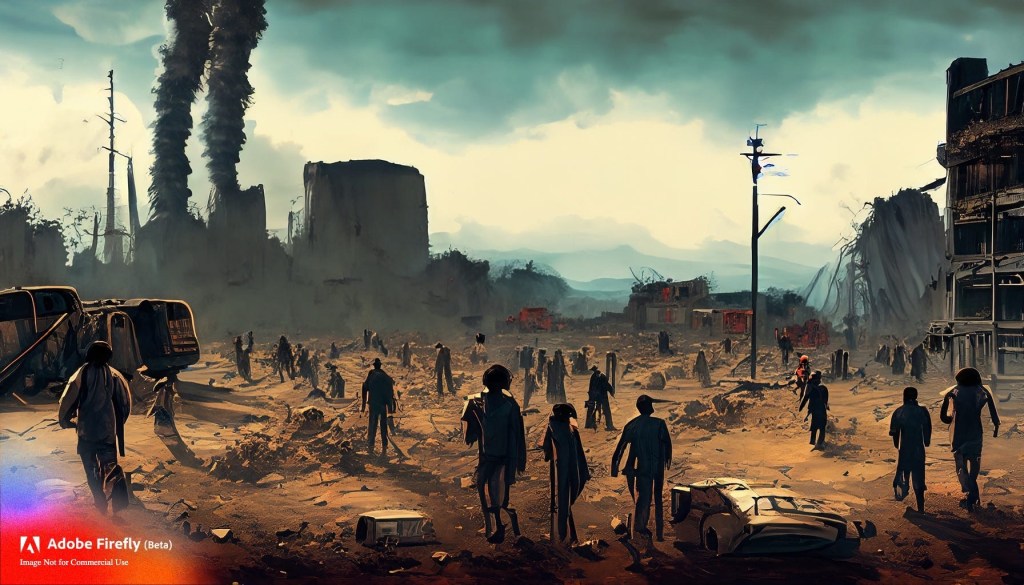


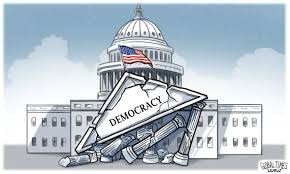















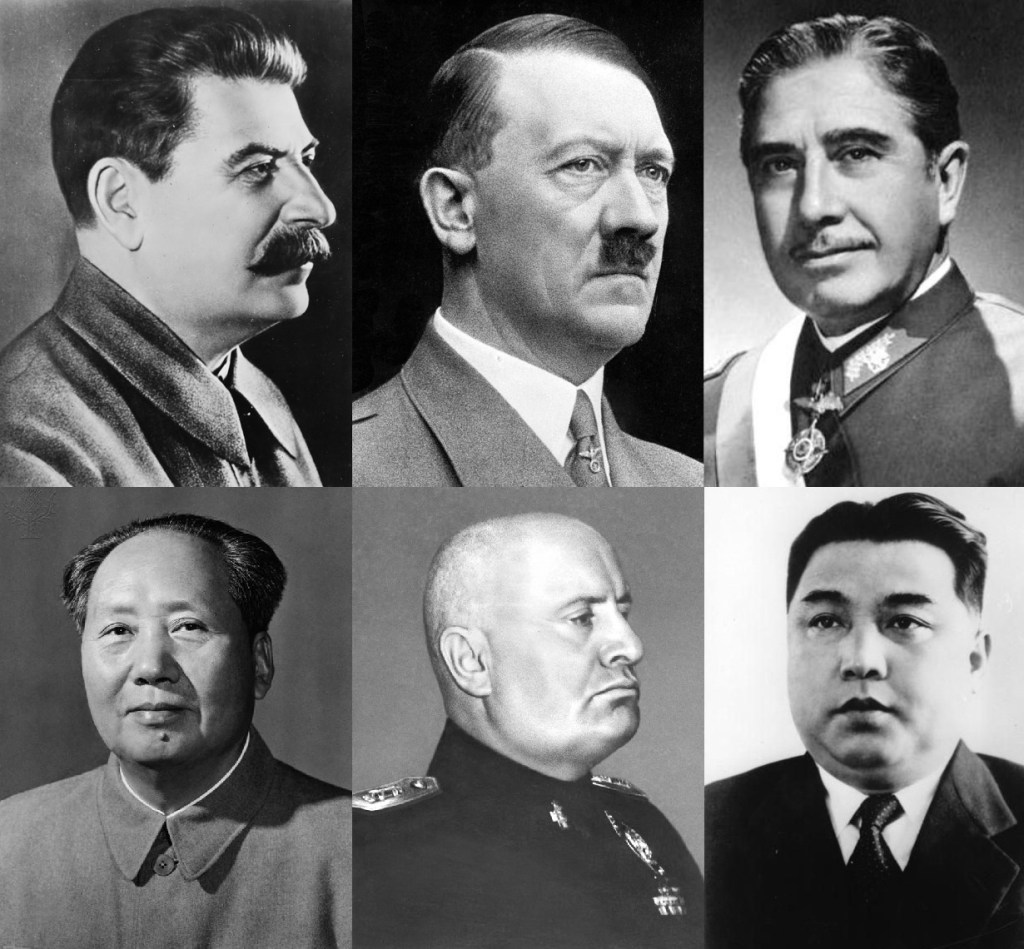






















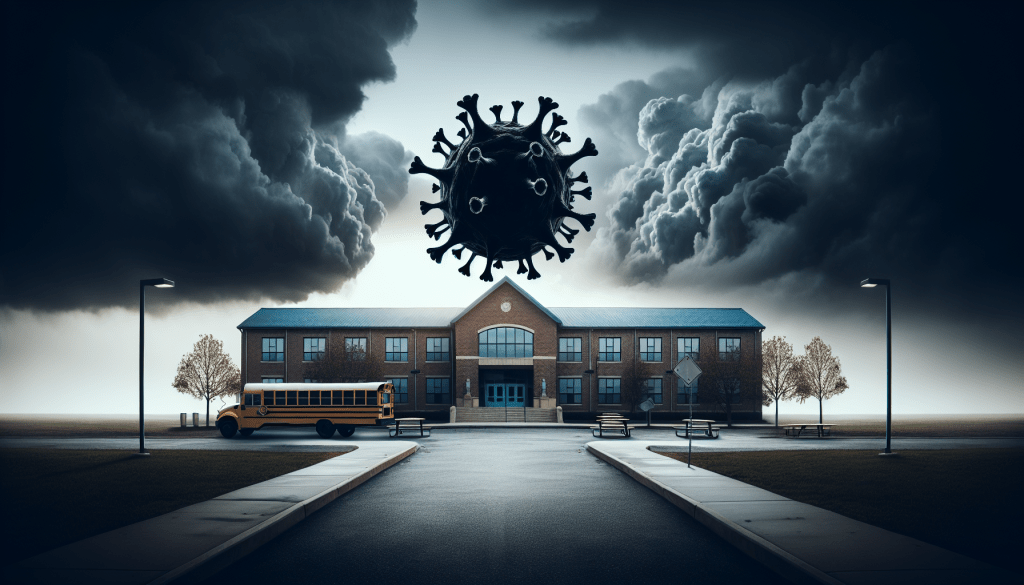














































 The Remote Renaissance