
WM Boykin
Here are some time markers for moments in the podcast that are relevant to this post:
- 3:44 – Graham Hancock’s background and introduction
- 8:12 – Discussion of the Amazon rainforest and indigenous cultures
- 13:34 – Psychedelics and their role in indigenous cultures
- 22:08 – The war on drugs and its impact on society
- 28:52 – Colonialism and imperialism in Africa
- 42:05 – Racism and systemic oppression in society
- 54:35 – Graham Hancock’s book “America Before”
- 1:00:12 – The impact of ancient civilizations on modern society
*Please note that these time markers are approximate and may vary slightly depending on the version of the podcast you are listening to.
In this episode of the Joe Rogan Experience, guest Graham Hancock, an author and researcher who specializes in ancient civilizations and alternative history, joined Joe for a fascinating conversation that touched on a wide range of topics.
One of the first things things that stood out to me about the episode was how thought-provoking it was.
and Focus on the Present (The Path to Calm)
by Nick Trenton
Graham brought a unique perspective to the conversation, challenging some of the conventional wisdom around topics like ancient human history and the role of psychedelics in society.
“If you get a large enough group of people together, they will eventually start to believe in something that’s not real.” – Graham Hancock
I loved how Joe allowed him to express his views freely, even if they were unconventional.
By allowing Hancock to express his knowledge on ancient civilizations and alternative history, Joe opened up a space for a dialogue that is often silenced or dismissed by mainstream academia.
He allowed Hancock to speak freely about his research and theories, even if they challenged the mainstream narrative.
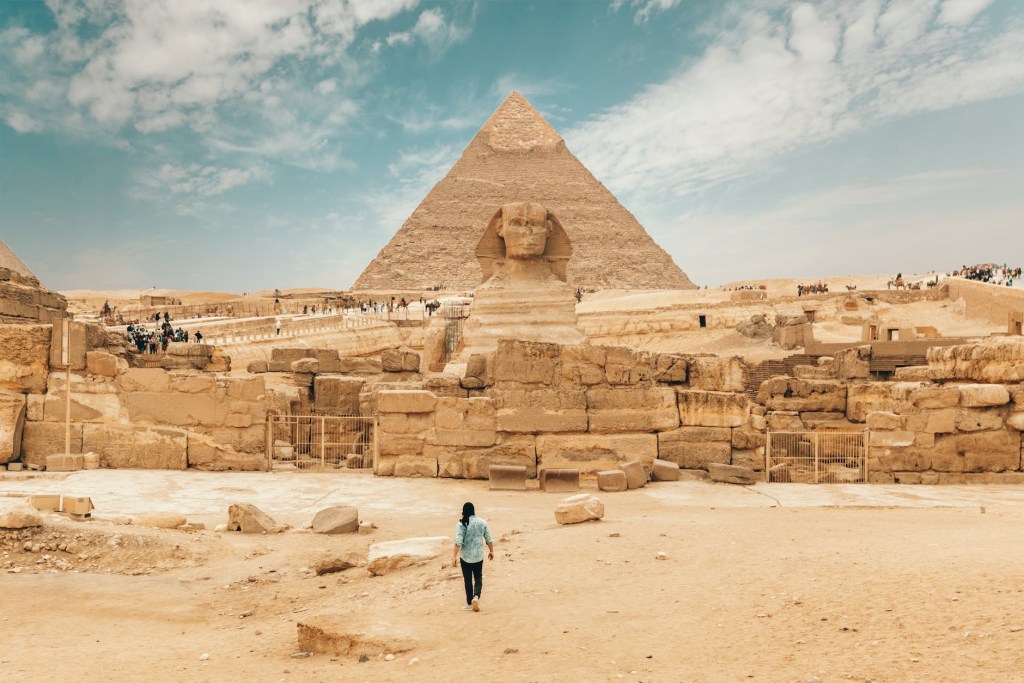
This is important because it allows for a diversity of ideas and perspectives to be shared, which can ultimately lead to a deeper understanding of complex issues.
There are also some moments in the conversation that touched on issues regarding race and ethnicity.
Graham talked about the history of colonialism and imperialism in Africa and how that has impacted the continent’s development.
“What has happened in Africa is a tragedy. You know, we have this idea that there’s been progress, that we’ve been moving forward as a civilization, but I look at Africa and I think that’s not progress, that’s the opposite of progress. That’s regression, that’s going backwards.” Graham Hancock
Colonialism, which refers to the process by which European powers conquered and claimed territories in Africa, Asia, and the Americas, brought about a wide range of economic, social, and political changes that have had lasting impacts on the societies that were colonized.
One of the most significant effects of colonialism was the creation of racial hierarchies that were used to justify the domination of certain groups over others.
In the United States, European colonizers created a racial hierarchy that was used to justify slavery and governmental oppression.
“We can’t just forget about what’s happened in the past. We can’t just say, ‘Oh, well, that was a long time ago, let’s move on.’ No, we have to acknowledge it, we have to understand it, we have to try to make amends for it.” Graham Hancock
And as Joe and Graham discussed, the legacy of colonialism also has had profound effects on the continent of Africa.

European powers carved up the continent into colonies, often creating artificial borders that divided ethnic groups and tribes.
Colonial powers often imposed their own cultures and values on the societies they conquered, leading to the erasure of so many indigenous cultures and traditions.
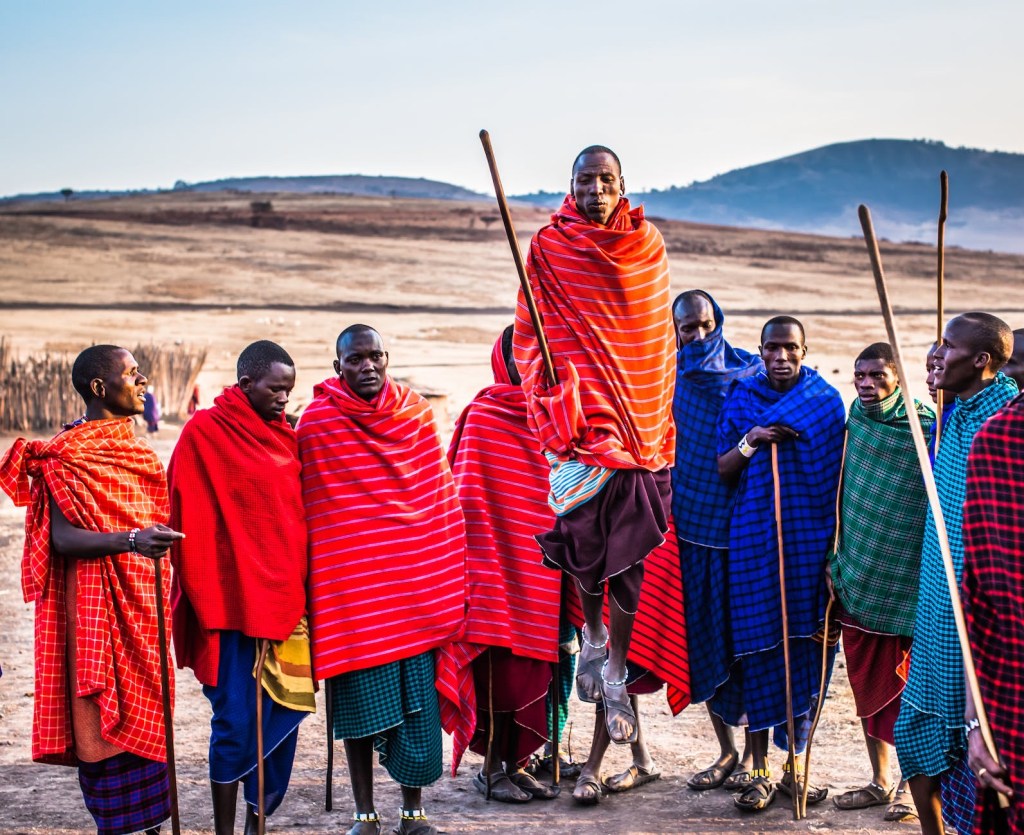
These divisions often led to conflicts between different groups that continue to this day.
Another topic that I found interesting was the role of psychedelics in indigenous cultures.
Psychedelics have been used for centuries by indigenous people in various parts of the world for spiritual, medicinal, and cultural purposes.
The use of psychedelic plants is a well-documented practice that dates back thousands of years.
“The more we learn, the more we realize that we don’t know.” – Joe Rogan
In the Americas, indigenous peoples have used peyote, ayahuasca, and other plants in traditional ceremonies for medicinal, spiritual, and cultural purposes.
Peyote, a small, spineless cactus that contains the psychoactive compound mescaline, has been used in religious ceremonies by Native American tribes in Mexico and the United States for centuries.
It is considered a sacred plant and is used to achieve spiritual insight, connect with ancestors, and promote healing.

Ayahuasca, a brew made from the ayahuasca vine and other plants, is used in indigenous cultures in South America, particularly in the Amazon rainforest.
It is known for its powerful psychedelic effects and is used in shamanic healing ceremonies to treat physical and psychological illnesses, connect with nature spirits, and receive divine guidance.

These traditional practices have been threatened by colonization, missionary work, and drug policy in the Americas.
The use of peyote by Native American tribes has been protected by federal law since the 1970s, but the legality of ayahuasca and other psychedelic plants is still a topic of debate.
Most practices were banned by the U.S. government during the 20th century, and indigenous people were often punished for participating in them.
Similarly, in Africa, many indigenous cultures used iboga, a powerful psychedelic plant, in their religious ceremonies.
These practices were suppressed by colonial powers, who saw them as a threat to their control over the continent.
“It’s important to remember that these things are dangerous. They’re not to be taken lightly.” – Joe Rogan (referring to psychedelics)
Overall, I found the episode to be a powerful reminder of how much we still have to learn about our shared history as human beings.
Graham’s insights challenged me to think outside of the box and consider new possibilities for how we can better understand our past and present.
This was a great episode to be introduced to the JRE podcast because it exemplifies the type of thoughtful, engaging, and provocative discussions that Joe Rogan is known for.
He brings on guests who are experts in their fields and who can offer unique perspectives on a wide range of topics.
And while not every episode will resonate with every listener, the diversity of guests and topics ensures that there is something for everyone.
It’s episodes like this that make the Joe Rogan Experience such an important and influential podcast, and I can’t wait to see what insights future guests will bring to the table as we go back and analyze these episodes together.
Tune into the next episode: “My Dark Twisted Journey through the Joe Rogan Experience: Episode #911 – Alex Jones & Eddie Bravo”

 The Remote Renaissance
Leave a reply to “My Dark Twisted Journey through the Joe Rogan Experience: #958 – Jordan Peterson” – HomeBizHQ Cancel reply